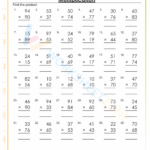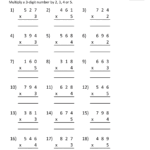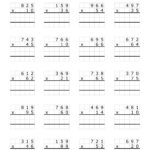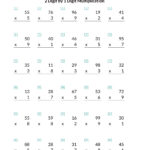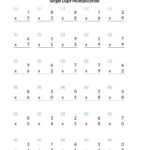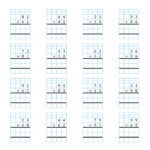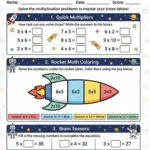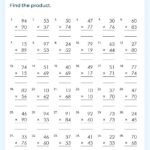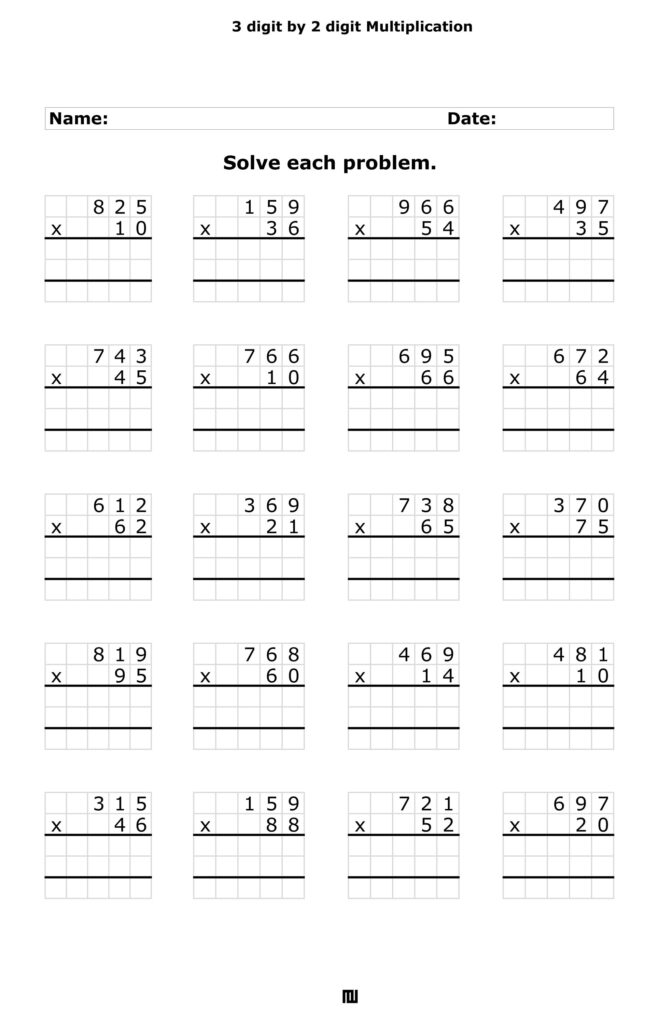
When it comes to teaching multiplication, especially with more complex numbers like three-digit by two-digit figures, having the right resources can make all the difference. A Multiplication Worksheet 3 Digit By 2 Digit serves as an essential tool for educators aiming to boost their students’ skills in multiplication. These worksheets not only reinforce classroom learning but also offer students the chance for independent practice at home.
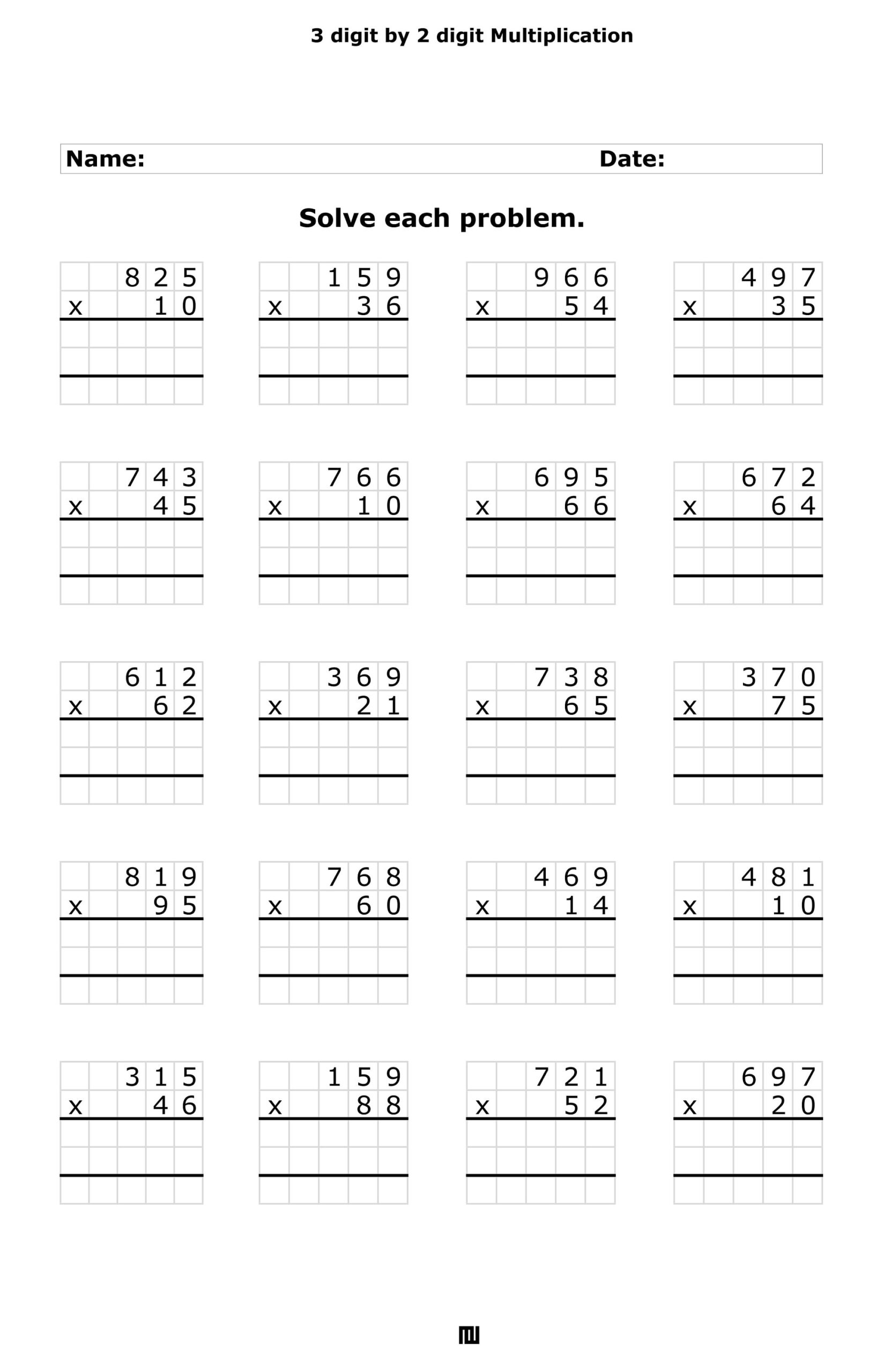
Understanding the Importance of Multiplication Worksheets
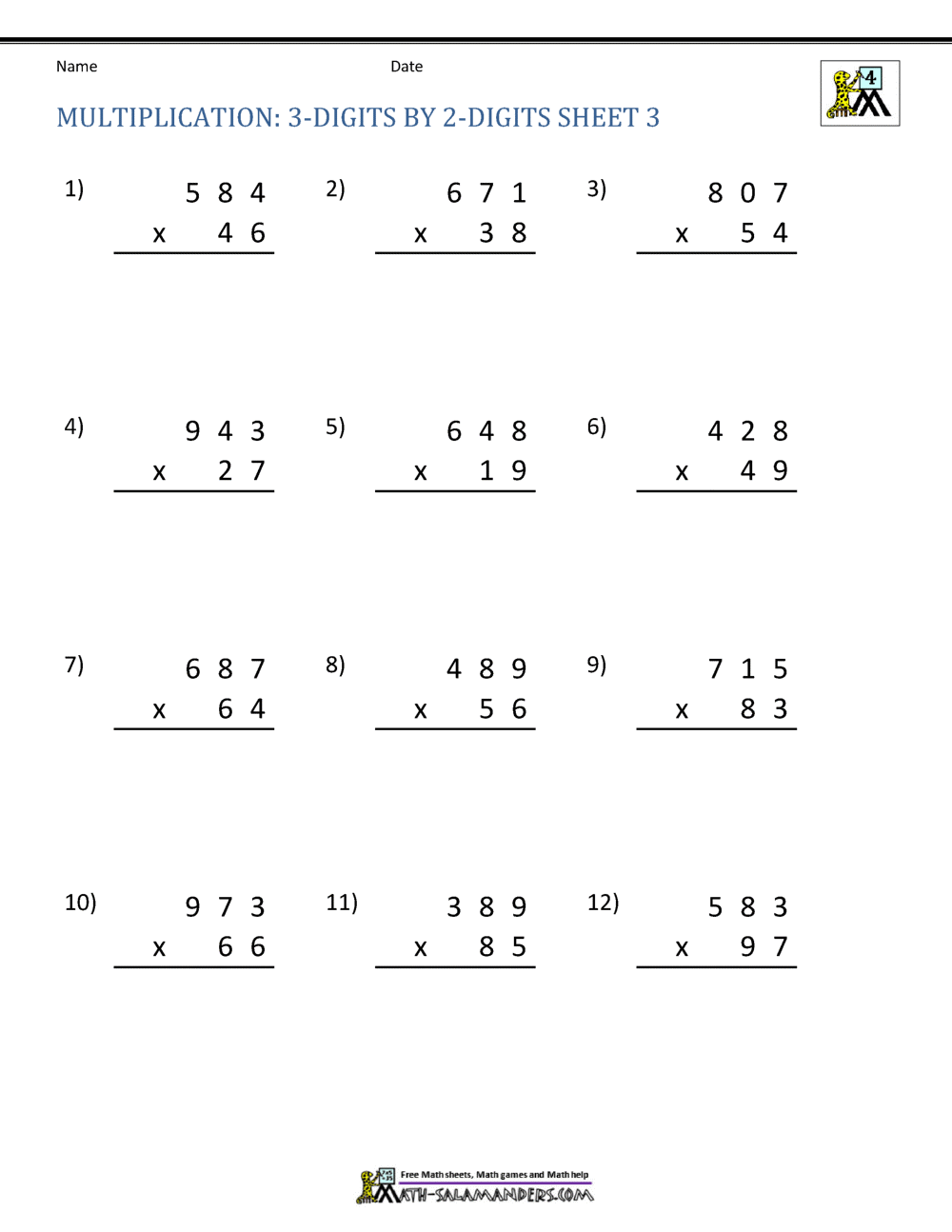
Multiplication is a foundational math skill that students will use throughout their education. Worksheets specifically designed for three-digit by two-digit multiplication problems help students practice and master this essential operation. They allow learners to develop their problem-solving strategies, improve speed, and gain confidence in their abilities.
Typically, these worksheets are suitable for students in upper elementary grades, usually around 4th to 6th grade, depending on the curriculum pace. They can also be beneficial for students who need extra practice, whether in a classroom setting or at home.
Features of a Multiplication Worksheet 3 Digit By 2 Digit
When selecting or designing a multiplication worksheet, consider the following features to ensure it’s effective and engaging:
- Clear Instructions: Each worksheet should begin with straightforward instructions. This helps students understand what is expected without the need for constant supervision.
- Variety of Problems: Include a mix of straightforward problems and word problems to challenge students. This variety keeps students engaged and helps them apply multiplication in real-world scenarios.
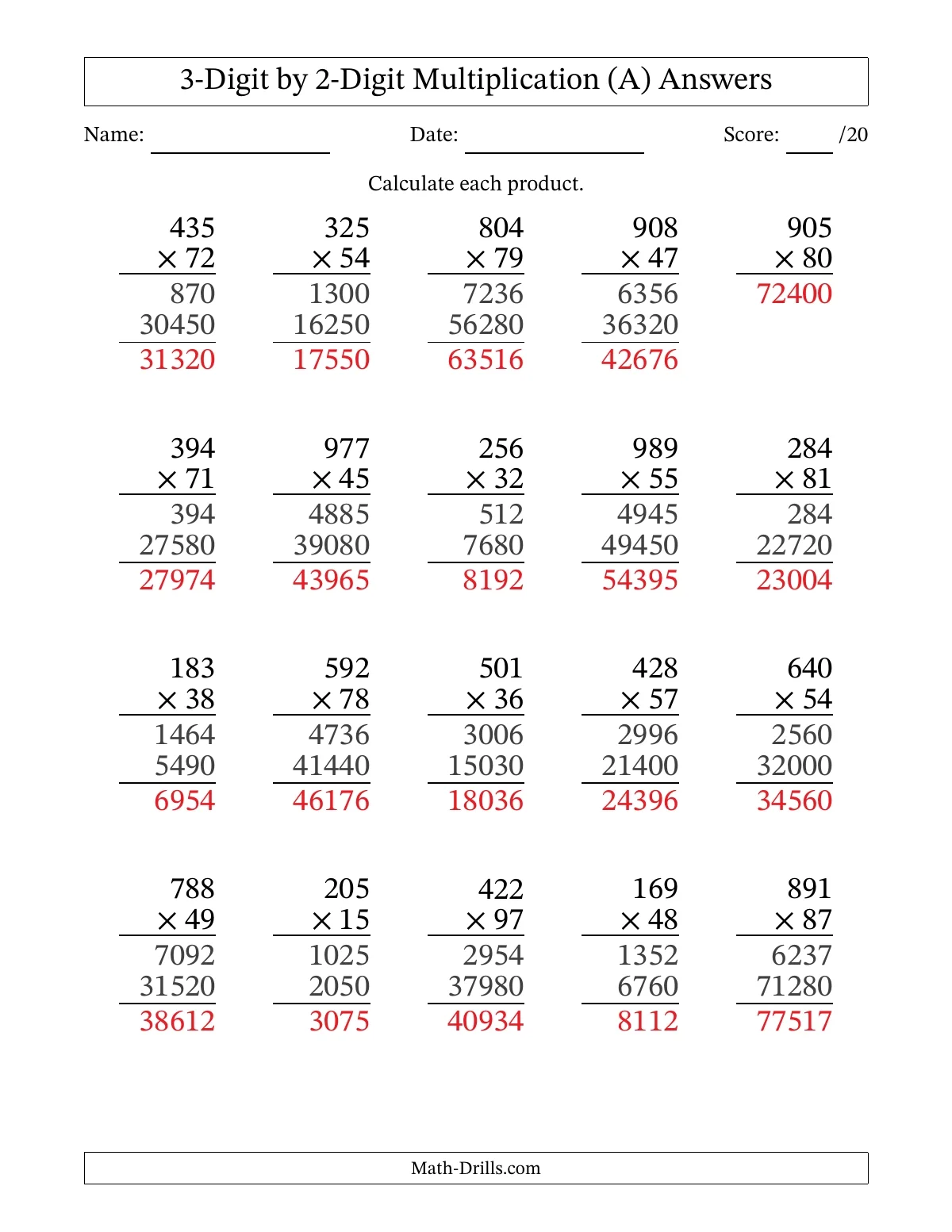
- Answer Key: Providing an answer key can help students check their work independently, fostering self-assessment and learning from mistakes.
- Space for Work: Ensure there’s ample space for students to show their work. This is crucial, as it encourages them to use multiplication strategies rather than relying solely on mental math.
- Engaging Design: A visually appealing layout can make worksheets more inviting. Use colors or thematic elements that resonate with the students’ interests.
How to Prepare and Print Your Worksheets
Once you’ve selected or created your multiplication worksheet, it’s time to prepare it for printing. Here are some practical tips:
- File Format: PDF is the best format for worksheets. It preserves the layout and ensures that the document prints correctly, avoiding any reformatting issues that can arise with image files.
- Printer Settings: When printing, select the best quality option available. This ensures that the text is clear and easy to read. For most home printers, portrait layout works well for worksheets.
- Paper Choice: Standard printer paper (8.5” x 11”) is typically sufficient, but if you want the worksheets to withstand frequent use, consider using cardstock. It’s sturdier and holds up better if you plan to laminate the worksheets for repeated use.
- Double-Sided Printing: If your printer allows, consider printing on both sides of the paper. This can save resources and make it easier for students to have multiple problems on one sheet.
Incorporating Worksheets Into Your Teaching
Using a Multiplication Worksheet 3 Digit By 2 Digit effectively requires strategic incorporation into your lesson plans. Here are some suggestions:
- Warm-Up Activity: Start with a few problems on the board to warm up before handing out worksheets. This helps activate prior knowledge and sets the stage for independent work.
- Group Work: Allow students to work together on certain problems. Collaborative learning can enhance understanding and make the process more enjoyable.
- Timed Challenges: Introduce timed sessions where students complete as many problems as they can within a certain time frame. This can help improve their speed and confidence.
- Homework Assignments: Assign worksheets as homework to reinforce skills learned in class. This gives students the opportunity to practice independently.
- Assessment Tool: Use these worksheets as informal assessments. You can gauge a student’s understanding based on their performance, which can guide future instruction.
Encouraging Independent Practice at Home
For parents looking to support their children’s learning at home, multiplication worksheets provide a fantastic resource. Here’s how parents can make the most of them:
- Set a Regular Schedule: Encourage children to complete a worksheet at the same time each day. Consistency helps build a routine and reinforces learning.
- Create a Quiet Workspace: Designate a specific area for homework that is free from distractions. This helps children focus and take their work seriously.
- Monitor Progress: Parents can check completed worksheets and discuss any errors. This helps children learn from mistakes and understand the correct processes.
- Celebrate Achievements: Recognizing improvements, no matter how small, can motivate children to continue practicing. Stickers or a simple verbal acknowledgment can go a long way.
Things to Watch Out For
While using a Multiplication Worksheet 3 Digit By 2 Digit can be incredibly beneficial, it’s essential to be mindful of a few pitfalls:
- Overloading Students: Too many problems on a worksheet can overwhelm students. Aim for a balance that challenges them without causing frustration.
- Neglecting Other Skills: While multiplication is important, ensure that other areas of math are not neglected. A holistic approach to math education is vital for overall skill development.
- Assuming Understanding: Just because a student can complete a worksheet doesn’t mean they fully understand the concepts. Regular check-ins and discussions about their thought processes are crucial for deeper learning.
Multiplication worksheets focused on three-digit by two-digit problems are invaluable resources for teachers and parents alike. They provide structured practice, encourage independent learning, and help solidify foundational math skills. With the right preparation and integration into learning routines, these worksheets can significantly enhance students’ multiplication proficiency.