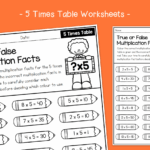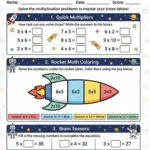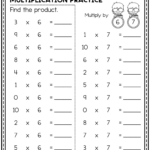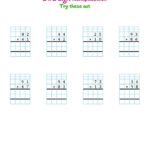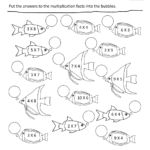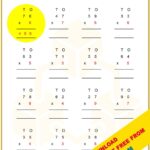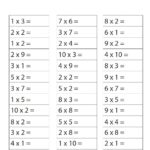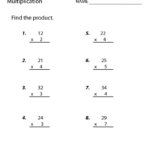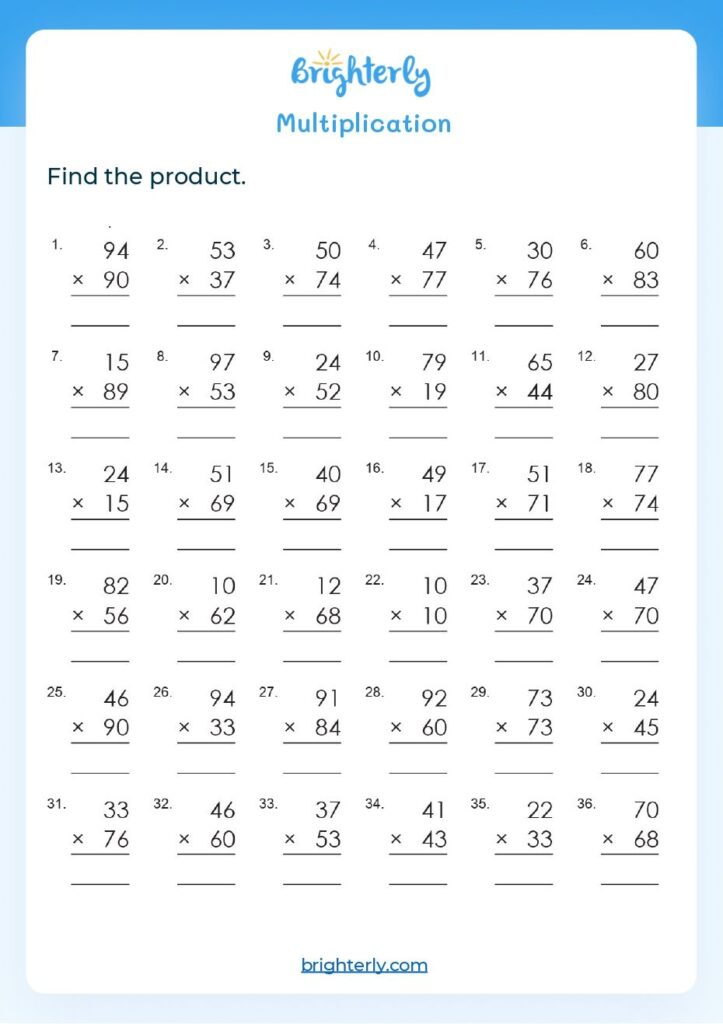
Mastering multiplication is essential for 4th graders as they build foundational math skills that will support their future learning. Multiplication Practice Sheets 4th Grade are invaluable resources that help students practice their multiplication facts, improve their speed, and develop confidence in their math abilities. But with so many options available, how do you choose the right sheets for your classroom or homeschool?
Understanding the Importance of Multiplication Practice
Multiplication is more than just a math operation; it’s a critical skill that students will use throughout their academic careers. In 4th grade, students are expected to know their multiplication tables up to 12, and consistent practice is key to achieving fluency. Using multiplication practice sheets allows students to engage with the material in a structured way, reinforcing their learning through repetition and varied exercises.
When selecting multiplication practice sheets, consider the following:
- Variety of problems: Look for sheets that offer a mix of straightforward multiplication facts, word problems, and application-based questions.
- Progressive difficulty: Choose resources that start with easier problems and gradually increase in complexity, helping students build confidence as they progress.
- Answer keys: Having an answer key available is crucial for quick grading and feedback.
Types of Multiplication Practice Sheets
Multiplication practice sheets come in various formats, catering to different learning preferences and teaching styles. Here are some common types you might encounter:
Standard Worksheets
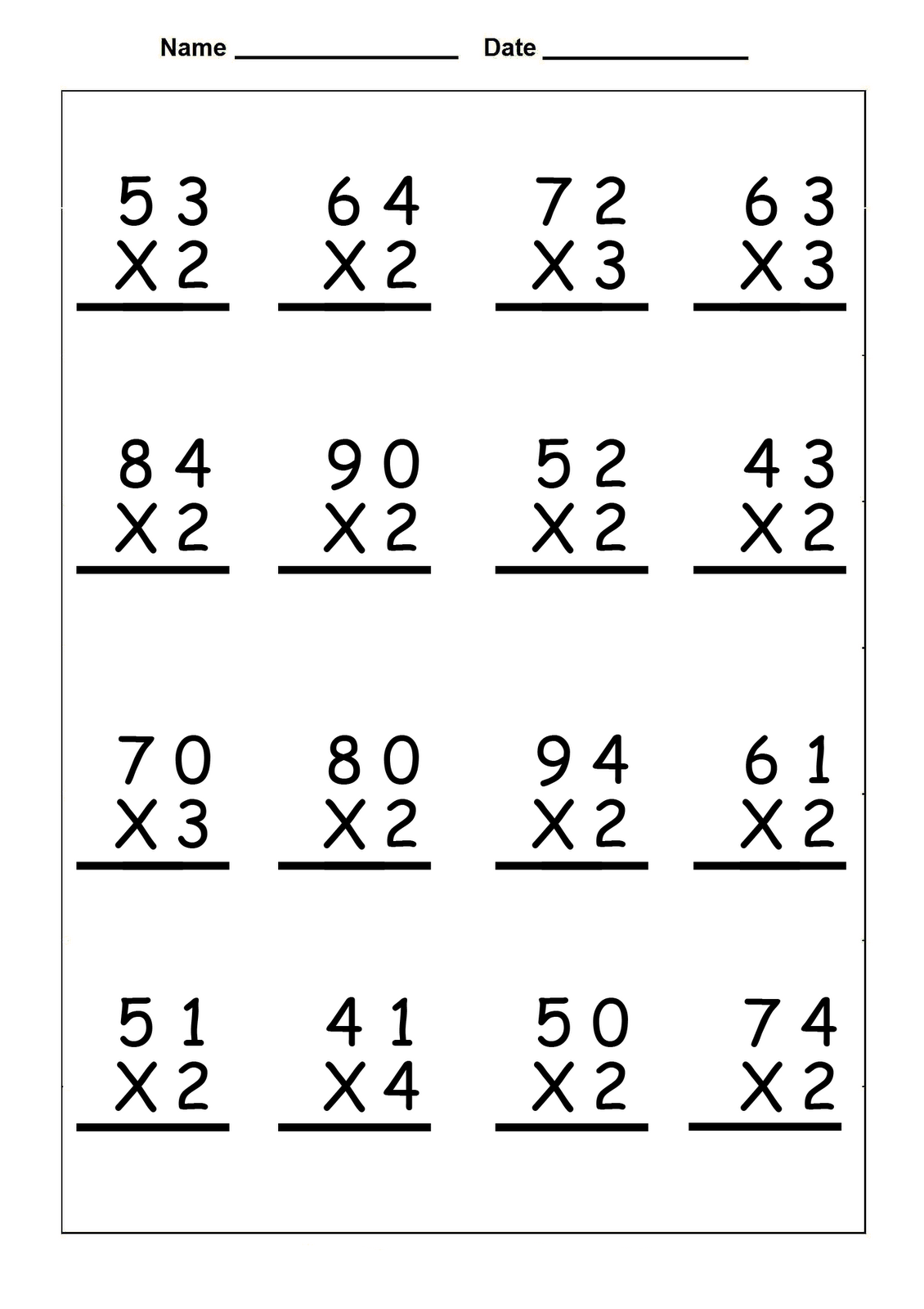
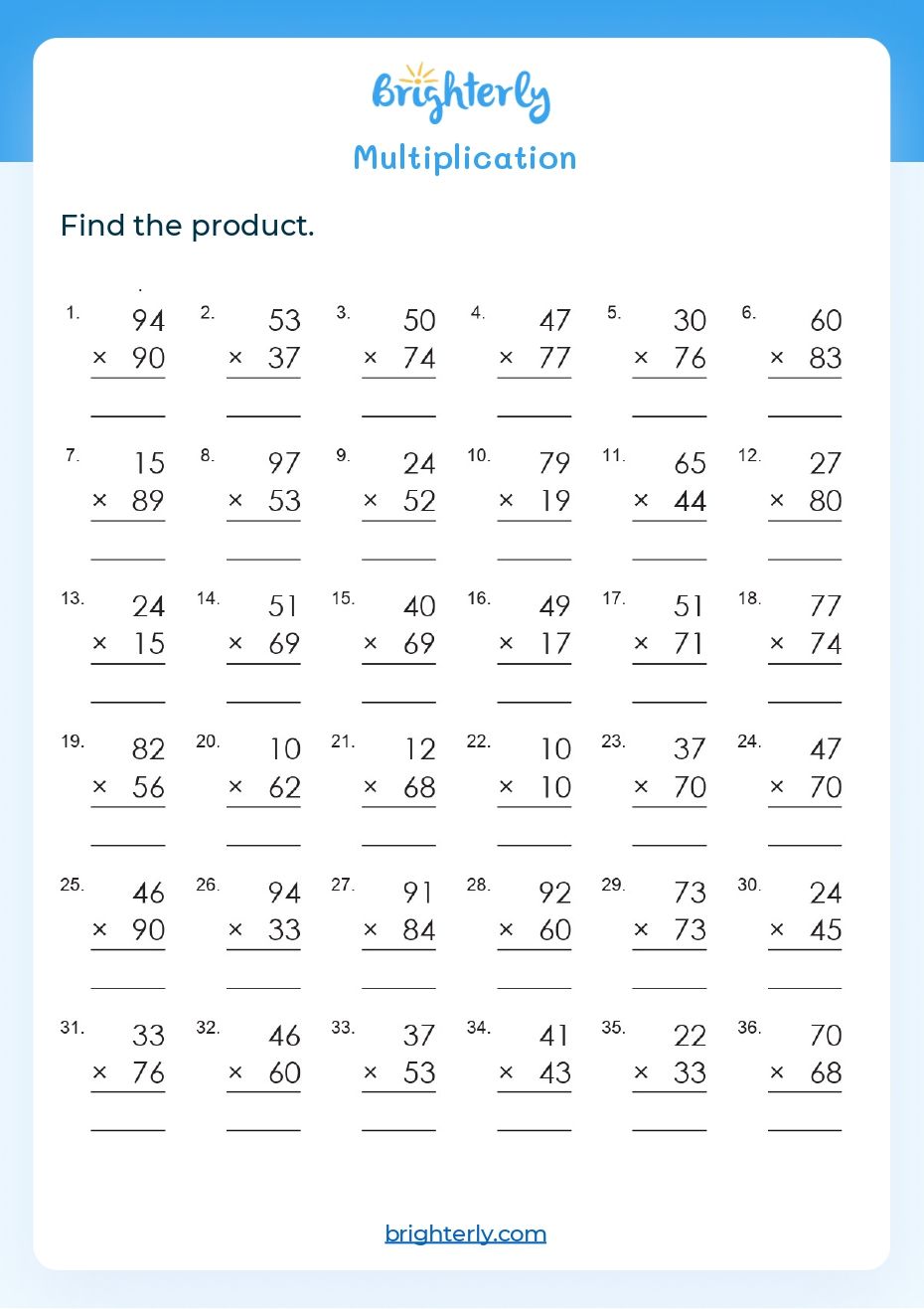
These are straightforward sheets that typically feature a series of multiplication problems for students to solve. They can be printed and used for individual practice or as homework assignments. Look for sheets that allow students to practice both multiplication facts and word problems to enhance their understanding.
Timed Tests
Timed multiplication tests are great for building speed and accuracy. These sheets challenge students to complete a set number of problems within a specified time limit, promoting fluency in their multiplication skills. They are particularly useful for assessing progress over time.
Interactive Worksheets
Some multiplication practice sheets incorporate interactive elements, such as games or puzzles. These can make learning more enjoyable and engaging for students. For example, a multiplication bingo game can reinforce facts in a fun, collaborative way.
Spiral Review Sheets
These sheets help reinforce previously learned concepts by mixing multiplication problems with other math skills. Spiral review sheets are beneficial for students to maintain their understanding of multiplication while also practicing other areas of math.
How to Use Multiplication Practice Sheets Effectively
To maximize the benefits of multiplication practice sheets, consider the following tips:
- Regular Practice: Consistency is key. Set aside dedicated time each week for students to work on multiplication practice sheets. This could be a part of their daily math routine or designated homework.
- Group Activities: Use practice sheets for group work or partner activities. This encourages collaboration and allows students to learn from each other.
- Feedback and Reflection: After students complete their sheets, provide immediate feedback. Discuss any mistakes to help reinforce learning. Encourage students to reflect on their performance and identify areas for improvement.
- Incorporate Technology: If you have access to technology, consider using online resources alongside printable sheets. There are many interactive math programs that can complement the worksheets.
Printing and Distribution Tips
When preparing multiplication practice sheets for your class, consider the following practical tips:
- Bulk Printing: If you’re printing for a full class, make sure your printer can handle the volume. Use a high-quality printer to ensure clarity, especially for worksheets with smaller text.
- Paper Choice: Standard printer paper works well, but if you anticipate heavy use, consider using cardstock for durability. This is especially true if students will be using the sheets multiple times or if they will be laminated.
- Lamination: For worksheets that require repeated use, lamination can be a smart choice. It allows students to use dry-erase markers for practice, making cleanup easy.
- Answer Key Management: Keep answer keys organized, either printed separately or included at the end of each worksheet set. This helps streamline the grading process.
Finding Quality Resources Online
There are many websites offering free and paid multiplication practice sheets. Here are a few reputable sources you can explore:
- Teachers Pay Teachers: A marketplace where teachers can buy and sell original educational resources. You can find a variety of multiplication practice sheets tailored for 4th graders.
- Education.com: Offers a wealth of worksheets and practice sheets. You can filter by grade level and subject to find exactly what you need.
- K5 Learning: Provides free printable worksheets for various grades, including multiplication practice sheets specifically for 4th-grade students.
When selecting online resources, always check reviews and ratings to ensure the quality of the materials.
Engaging Students With Multiplication Practice
Make multiplication practice enjoyable by incorporating games and challenges. Here are a few ideas to enhance student engagement:
- Multiplication Relay Races: Set up a relay race where students solve problems from their practice sheets and pass their answers to a teammate. This encourages teamwork and adds an element of competition.
- Math Centers: Create a math center in your classroom dedicated to multiplication. Rotate practice sheets and activities to keep the center fresh and engaging.
- Incorporate Real-Life Scenarios: Use real-life examples to relate multiplication to everyday situations. For instance, discuss how multiplication is used in cooking or shopping.
By making multiplication practice interactive and enjoyable, you can help students develop a positive attitude toward math.