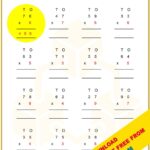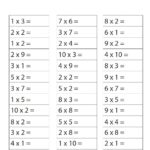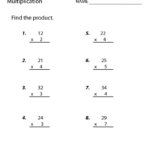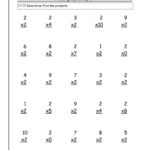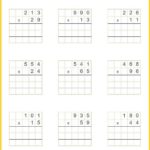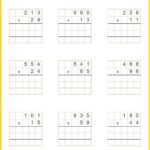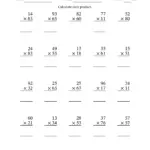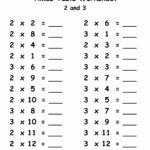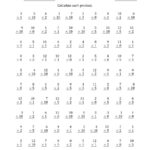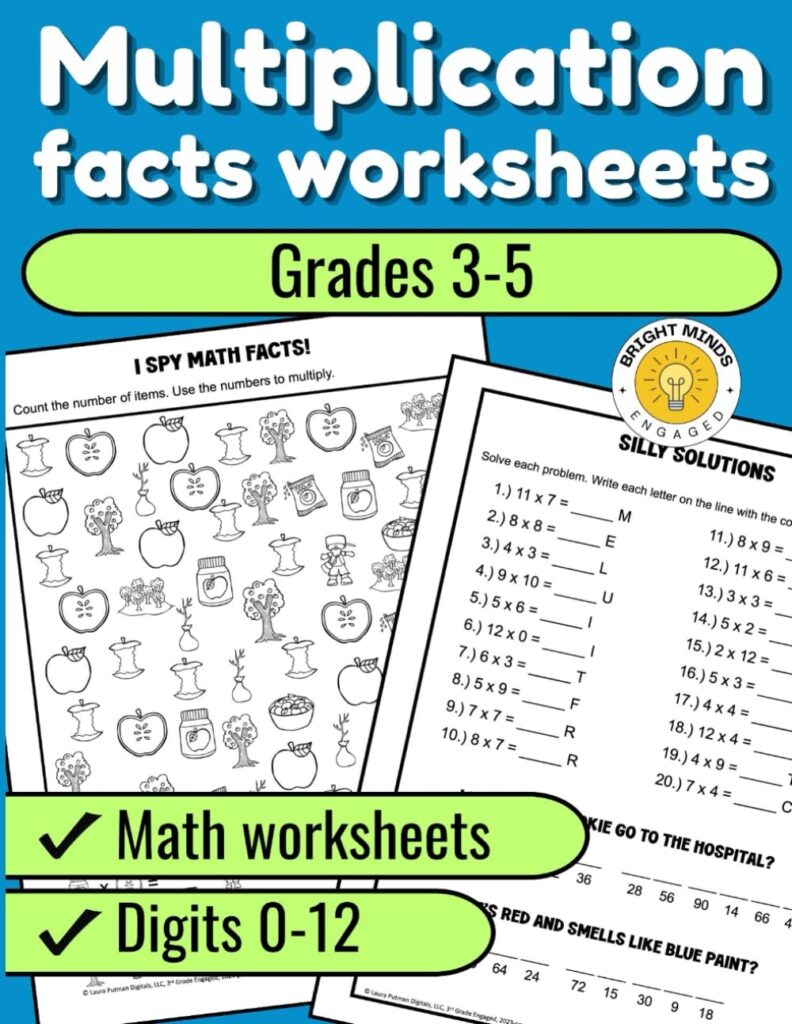
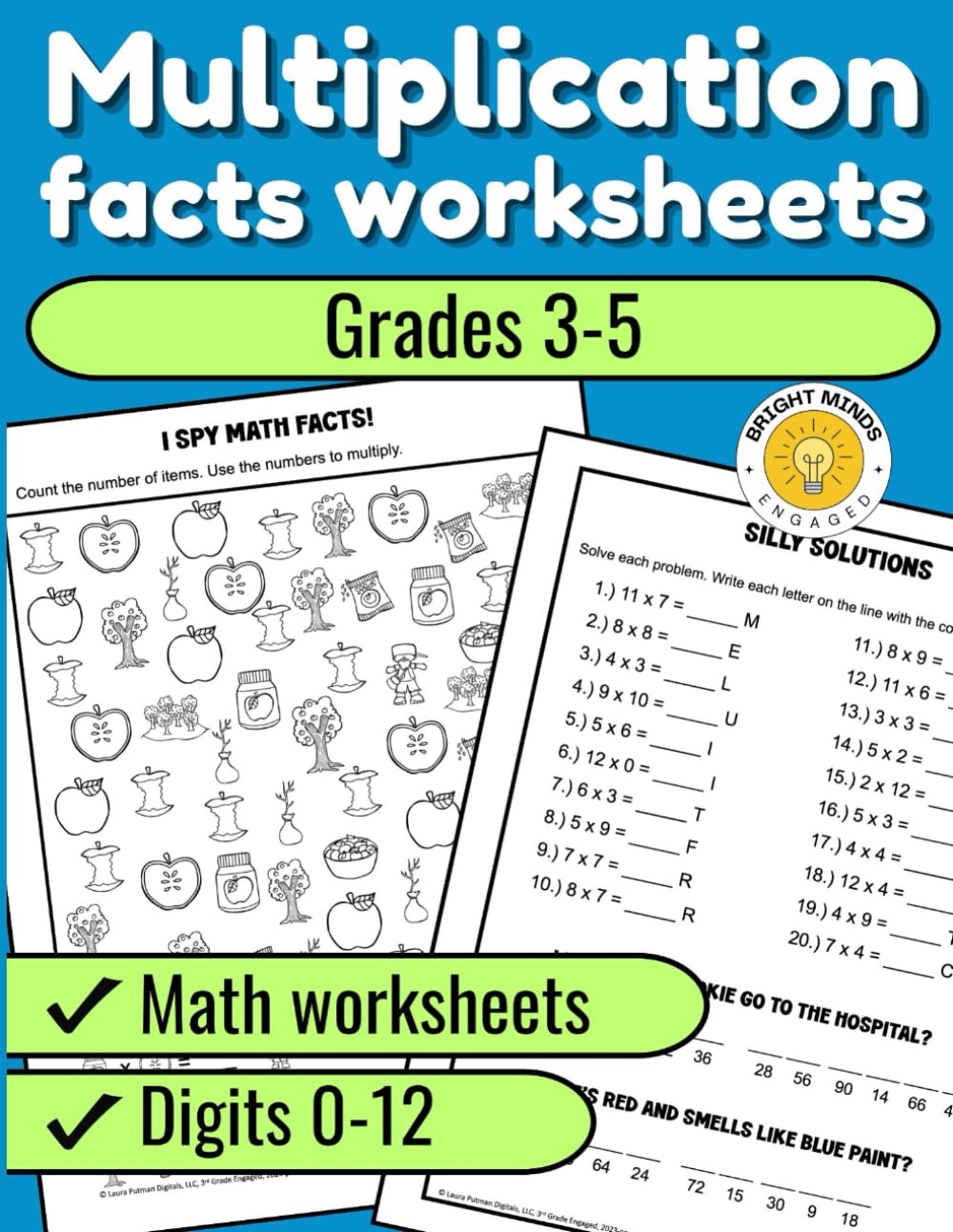
Multiplication facts are a fundamental part of the third-grade math curriculum, and using the right tools can make all the difference in a student’s understanding of this concept. Multiplication Facts Worksheets Grade 3 are specifically designed to help students grasp the basics of multiplication in a fun and engaging way. These worksheets often include various formats, such as fill-in-the-blank multiplication problems, timed quizzes, and visual aids. By providing a structured approach, you can help your students build confidence and improve their math skills.
Understanding the Importance of Multiplication Facts
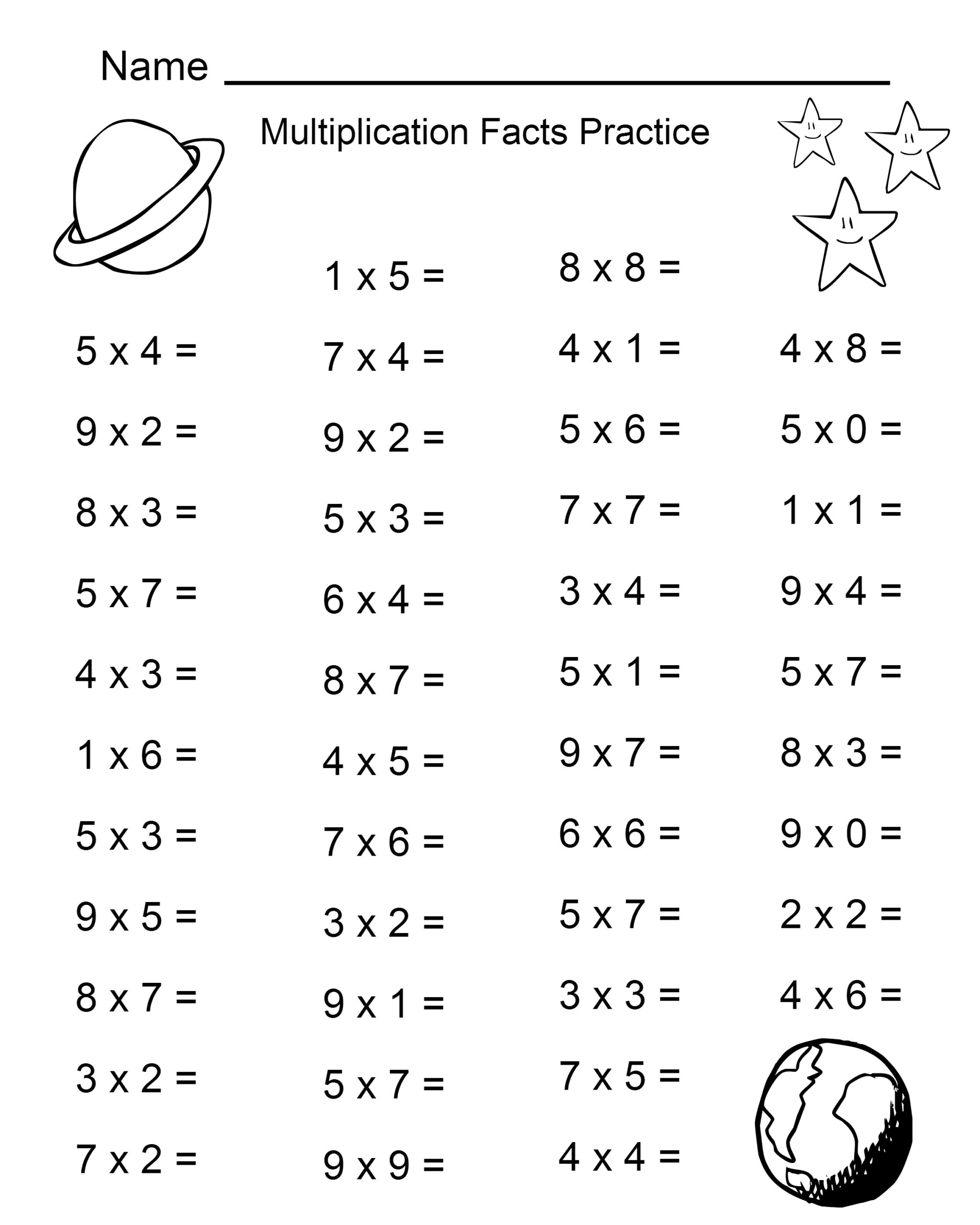
Before diving into the resources, it’s essential to understand why multiplication facts are crucial for third graders. Mastery of multiplication lays the groundwork for more advanced math topics, such as division, fractions, and algebra. When students can quickly recall multiplication facts, they can solve more complex problems with ease. This skill not only boosts their academic performance but also enhances their problem-solving abilities in real-life situations.
Choosing the Right Worksheets
When selecting Multiplication Facts Worksheets Grade 3, consider the following features to ensure they meet your students’ needs:
- Variety of Formats: Look for worksheets that offer a mix of problems, such as single-digit multiplication, word problems, and visual aids. This variety keeps students engaged and caters to different learning styles.
- Progressive Difficulty: Opt for worksheets that gradually increase in difficulty. Start with basic multiplication facts (e.g., 1-5) and gradually introduce more challenging problems (e.g., 6-12).
- Clear Instructions: Ensure that the worksheets provide clear instructions. This helps students understand what is expected of them and reduces frustration.
Downloading and Printing Worksheets
Once you’ve chosen the right Multiplication Facts Worksheets Grade 3, the next step is to download and print them. Here are some practical tips to make this process smooth:
- File Format: Most worksheets are available in PDF format, which is ideal for printing. PDF files maintain the formatting and are less likely to be distorted when printed.
- Paper Size: Standard letter size (8.5 x 11 inches) is commonly used for worksheets. This size fits well in most printers without needing adjustments.
- Print Settings: For best results, use a high-quality print setting. This ensures that any visuals or fine print are clear and legible.
Setting Up the Classroom for Success
Creating an environment conducive to learning multiplication facts is vital. Consider the following setup tips:
- Designate a Math Corner: Establish a specific area in your classroom where students can focus on math activities. Include resources like multiplication charts and manipulatives (e.g., counters or blocks) to support learning.
- Group Work: Encourage students to work in pairs or small groups on their worksheets. Collaborative learning can foster discussion and reinforce understanding.
- Incorporate Technology: If possible, use educational apps or online games that focus on multiplication facts. These can serve as a fun supplement to the worksheets and help track progress.
Tracking Student Progress
Assessing student progress is essential to determine if they have mastered multiplication facts. Here are some effective strategies:
- Regular Quizzes: Administer short quizzes based on the worksheets to gauge understanding. This can be done weekly or bi-weekly, depending on your curriculum pace.
- Check for Mastery: Look for consistent accuracy in students’ work. A student who can solve 80% of the problems correctly is likely on their way to mastery, while those struggling may need additional practice.
- Feedback: Provide specific feedback on their performance. Highlight areas of strength and suggest targeted practice for weaknesses.
Engaging Activities to Reinforce Learning
In addition to using worksheets, consider incorporating engaging activities that reinforce multiplication facts:
- Multiplication Games: Use games like “Multiplication Bingo” or “Around the World” to make learning fun. These activities encourage quick recall and add an element of competition.
- Flashcards: Create or purchase multiplication flashcards for students to practice at home. Flashcards are great for quick drills and can be used in various games.
- Real-Life Applications: Encourage students to apply multiplication facts in real life. Ask them to calculate totals during a classroom shopping activity or to figure out how many items are needed for a project.
Adapting Worksheets for Different Learning Styles
Not all students learn the same way, so it’s essential to adapt worksheets for various learning styles. Here are some strategies:
- Visual Learners: Incorporate visual elements, such as pictures or diagrams, in worksheets. This can help students visualize the concept of multiplication.
- Kinesthetic Learners: Use hands-on activities alongside worksheets. For instance, students can use physical objects to solve multiplication problems before writing them down.
- Auditory Learners: Encourage students to verbalize their thought processes while working on problems. This can be done through partner discussions or by explaining their answers to the class.
Resources for Additional Practice
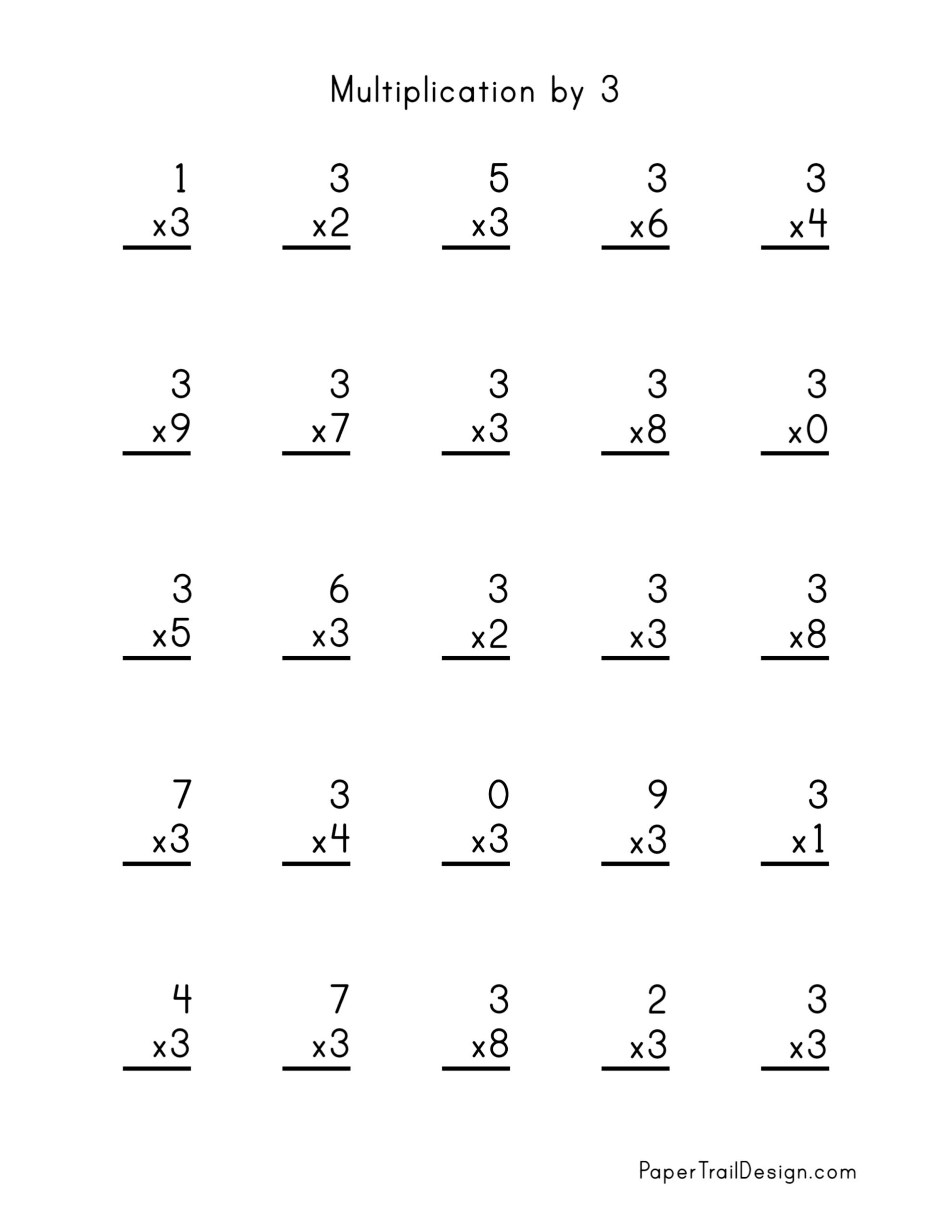
If you’re looking for more resources beyond the basic worksheets, consider these options:
- Online Resources: Websites like Education.com or Teachers Pay Teachers offer a plethora of multiplication worksheets and interactive games.
- Books: Look for workbooks specifically designed for third-grade math skills. These often provide additional practice and are structured to align with classroom learning.
- Printable Resources: Many educational blogs offer free downloadable multiplication worksheets that can supplement your existing materials.