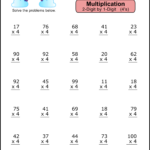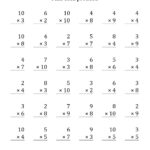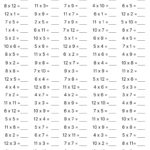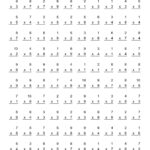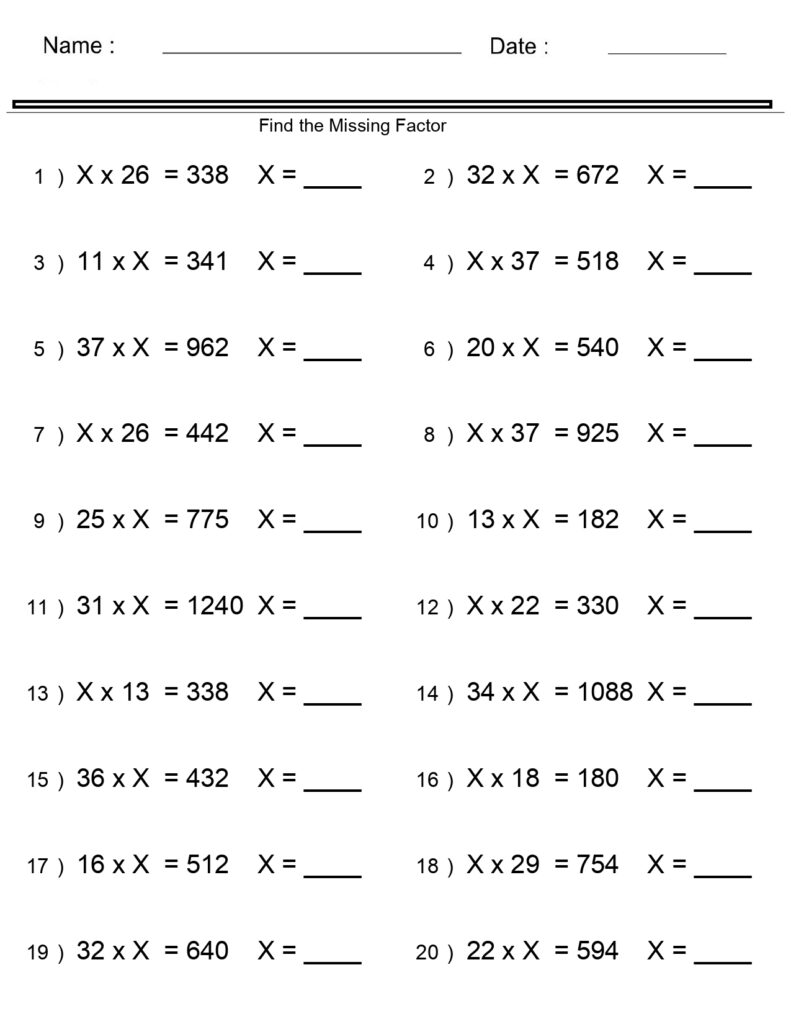
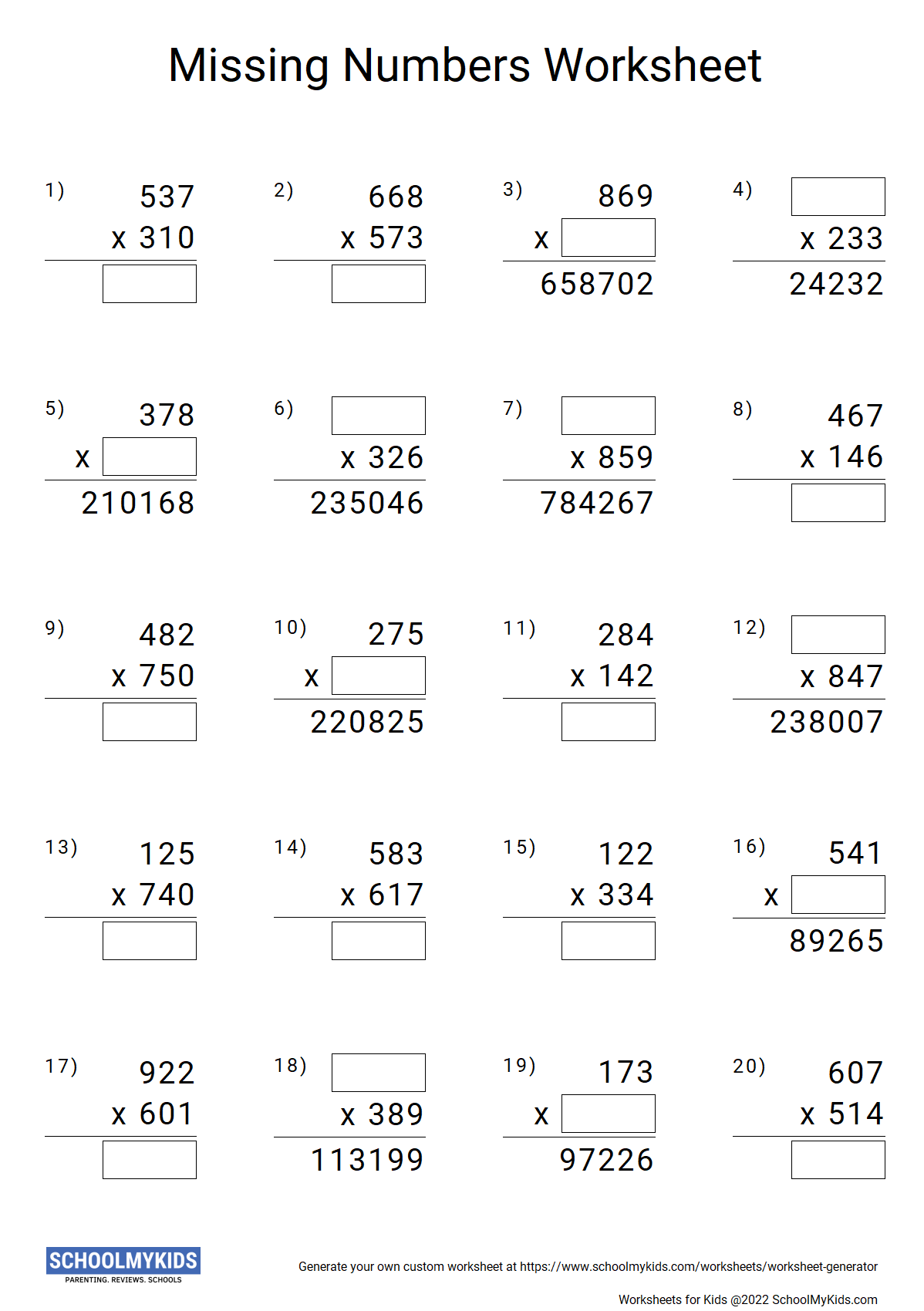
The Find The Unknown Digits Multiplication Worksheet is an excellent resource for teachers and parents seeking to enhance students’ multiplication skills in a fun and engaging way. Designed primarily for elementary students, this printable worksheet focuses on helping learners practice solving multiplication problems where one or more digits are missing. This activity not only reinforces basic multiplication skills but also encourages critical thinking as students deduce the unknowns.
Understanding the Structure of the Worksheet
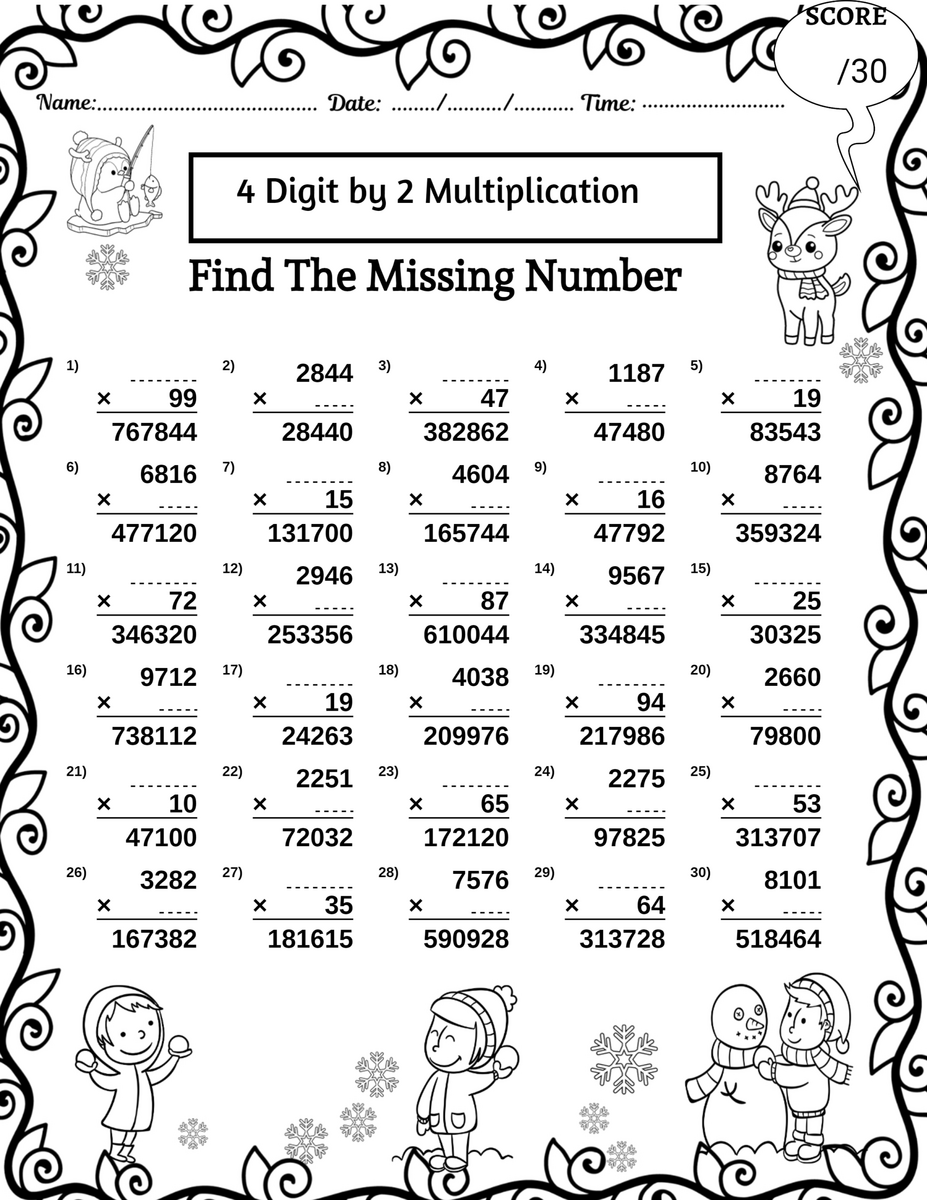
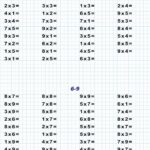
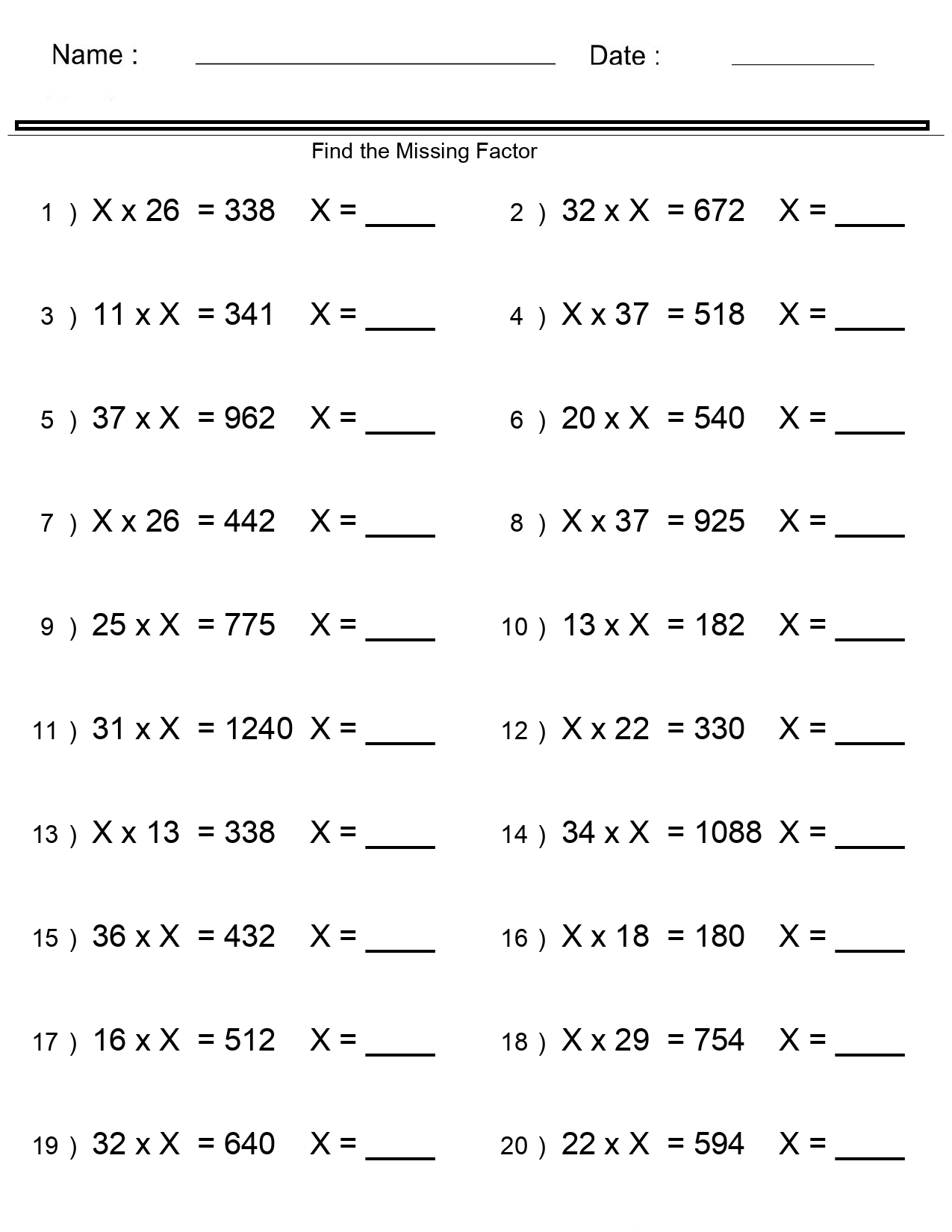
The layout of the Find The Unknown Digits Multiplication Worksheet is straightforward and user-friendly. Typically, the worksheet features a variety of multiplication problems presented in a grid format, making it easy for students to follow along. Each problem presents a multiplication equation with one or more digits replaced by a blank space or a question mark. For example, a problem might look like 4 × ? = 28.
This format allows students to focus on their multiplication tables while developing problem-solving strategies. The clear sections and ample space for working out solutions make it suitable for both classroom and home use. You can easily print it out on standard A4 or letter-sized paper, which is a common choice for educators and parents alike.
Grade Level and Skills Development
This worksheet is particularly suitable for students in grades 2 to 4, depending on their familiarity with multiplication concepts. At this level, children are typically learning their multiplication tables and starting to work with more complex problems. The Find The Unknown Digits Multiplication Worksheet provides an opportunity for students to apply their understanding of multiplication in a practical context.
By working through these problems, students not only reinforce their multiplication skills but also learn how to approach unknown variables in mathematical equations. This skill is foundational as they progress in their math education and encounter more advanced topics.
Practical Uses in Home and Homeschooling Settings
Integrating the Find The Unknown Digits Multiplication Worksheet into your daily routine is simple and effective. Here are a few ways you can use this resource at home or in a homeschool setting:
- Daily Math Practice: Set aside 10-15 minutes each day for your child to work on the worksheet. This consistent practice can significantly enhance their multiplication skills over time.
- Supplementary Homework: Use the worksheet as supplementary homework for students learning multiplication. It can reinforce concepts taught in class or during homeschooling sessions.
- Math Centers: If you have multiple children or students, consider creating a math center where they can rotate through different activities, including the Find The Unknown Digits Multiplication Worksheet.
- Group Activities: For homeschool co-ops or small groups, students can work on the worksheet together, discussing their thought processes as they solve each problem.
Tips for Effective Use
To maximize the benefits of the Find The Unknown Digits Multiplication Worksheet, consider the following tips:
- Use Different Print Sizes: Depending on the age and skill level of the students, adjusting the font size can help make the worksheet more accessible. Larger print can be beneficial for younger students or those who might struggle with reading.
- Incorporate Visual Aids: Pair the worksheet with visual aids, such as multiplication charts or flashcards. This can help students visualize the relationships between numbers and enhance their understanding.
- Encourage Peer Review: After completing the worksheet, have students pair up to check each other’s work. This not only reinforces their learning but also promotes collaboration and discussion around problem-solving strategies.