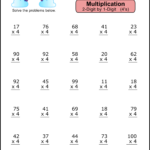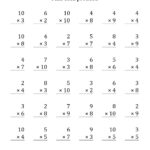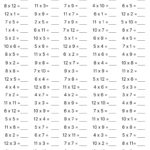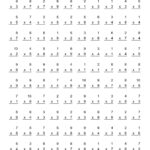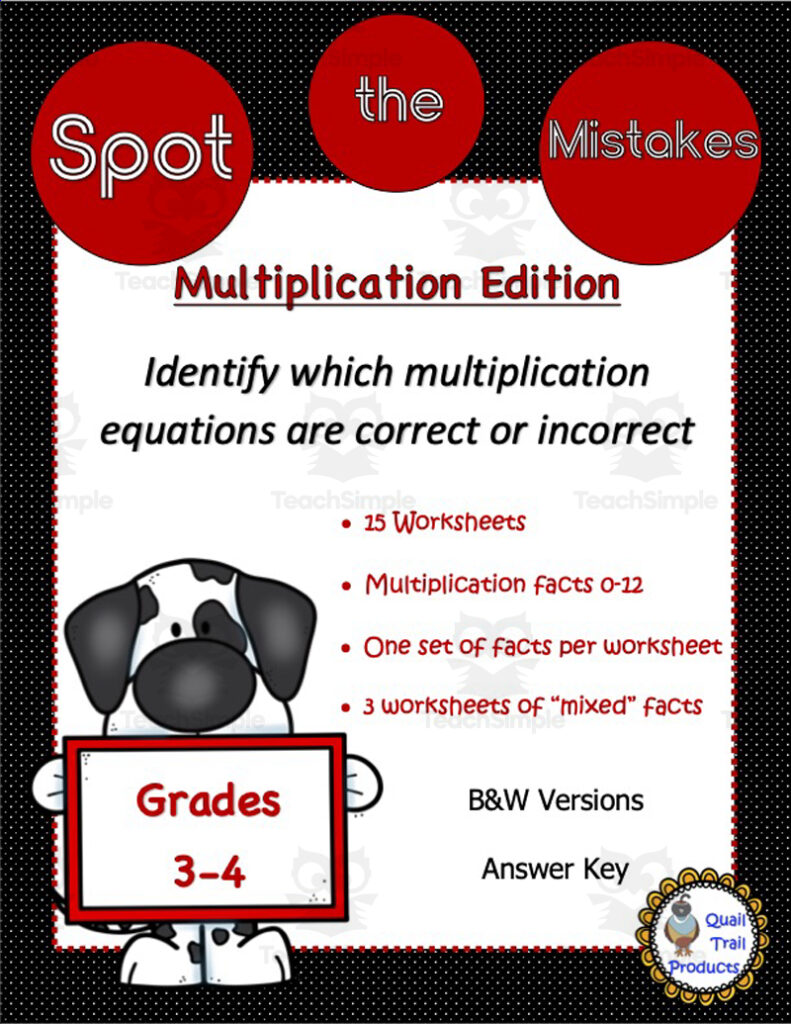
Many teachers face the challenge of identifying and correcting multiplication errors among their students. Misunderstandings in multiplication can lead to confusion and hinder overall math proficiency. The Find The Multiplication Errors Worksheet is an excellent resource designed to help educators pinpoint specific mistakes and reinforce learning for students in a targeted manner. guide you through the process of using this worksheet effectively in your classroom or homeschool setting.
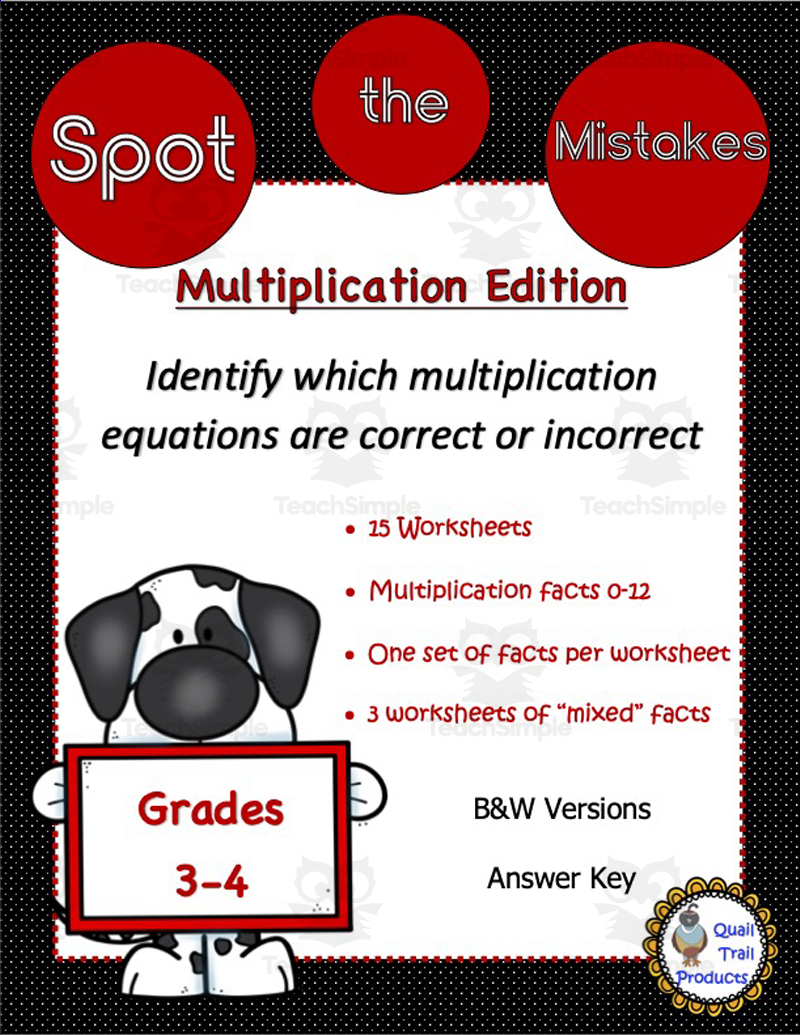
Understanding the Purpose of the Worksheet
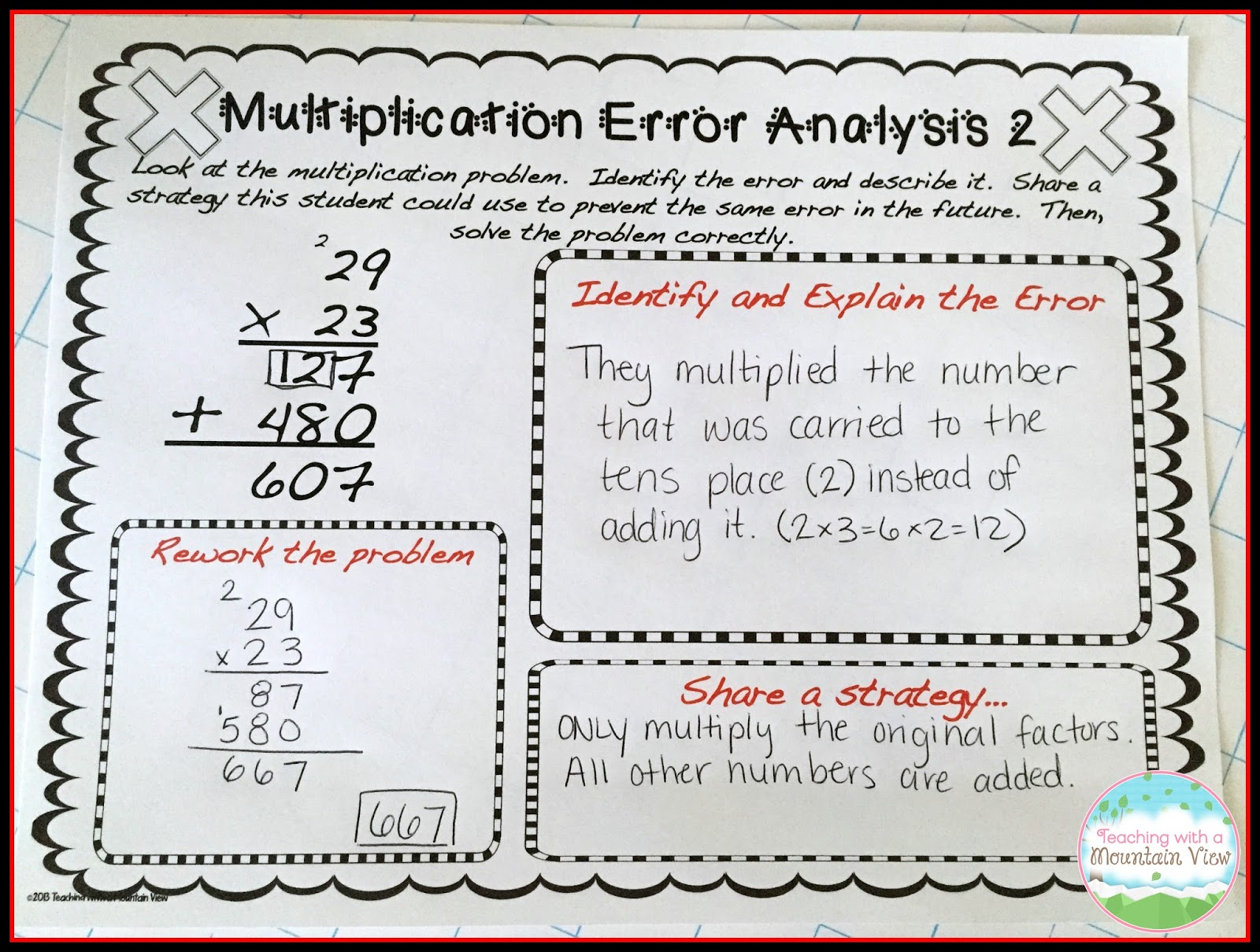
The primary goal of the Find The Multiplication Errors Worksheet is to help students recognize and correct their mistakes in multiplication. This resource is particularly useful for third to fifth graders, who are typically mastering these concepts. By focusing on common errors, students can develop a deeper understanding of multiplication, enhancing their confidence and skills in math.
Using this worksheet encourages self-assessment. As students work through the problems, they learn to identify where they went wrong, which is a critical skill not just in math but in all areas of learning. This reflective practice allows them to take ownership of their mistakes and learn from them.
How to Access and Download the Worksheet
To get started, you’ll want to find and download the Find The Multiplication Errors Worksheet. Here’s a step-by-step guide:
- Search Online: Look for reputable educational websites that offer printable resources. You can use search terms like “Find The Multiplication Errors Worksheet” to locate it quickly.
- Check File Formats: Ensure that the worksheet is available in a user-friendly format, such as PDF. PDFs maintain formatting across different devices, preventing any alignment issues during printing.
- Download the Worksheet: Click on the download link and save the file to your computer. Make sure to note where it’s saved to find it easily later.
- Print the Worksheet: Use standard letter-size paper (8.5 x 11 inches) for printing. This size is compatible with most printers and provides enough space for students to work comfortably.
- Consider Cardstock: If you plan to use the worksheet multiple times, consider printing it on cardstock for durability. This material holds up better to repeated use, especially if you plan to laminate it.
Setting Up the Worksheet for Classroom Use
Once you have your worksheet ready, it’s time to set it up for classroom or home use. Here’s how to maximize its effectiveness:
- Introduce the Concept: Before handing out the worksheet, explain the importance of identifying errors in multiplication. Use a few examples to illustrate common mistakes students might make.
- Group Work: Depending on your classroom dynamics, consider having students work in pairs or small groups. This collaborative approach encourages discussion and peer learning, allowing students to learn from each other’s mistakes.
- Timing: Allocate a specific time for students to complete the worksheet. This could be during a dedicated math period, or as part of their homework routine. Spacing the practice across several days can reinforce learning and reduce frustration.
- Review Together: After the worksheets are completed, review the answers as a class. This step is essential for correcting misconceptions and reinforcing correct multiplication strategies.
- Track Progress: Keep a record of each student’s performance on the worksheet. This data will help you identify who needs additional support and who is mastering the concepts effectively.
Incorporating Repeated Practice
Repetition is key in mastering multiplication. Here are some strategies to incorporate repeated practice using the Find The Multiplication Errors Worksheet:
- Weekly Assignments: Assign the worksheet weekly, focusing on different sets of multiplication facts each time. This approach helps students reinforce their learning without overwhelming them.
- Varied Difficulty Levels: Modify the worksheet based on student performance. For those struggling, provide simpler problems or fewer questions. For advanced students, increase the complexity by incorporating larger numbers or multi-digit multiplication.
- Use Digital Versions: If available, consider using an interactive digital version of the worksheet. This can make the task more engaging and allow students to self-correct in real-time.
- Gamify the Learning: Turn the worksheet into a game by timing how quickly students can find and correct their errors. You could also create a leaderboard to encourage friendly competition.
- Integrate with Other Resources: Pair the worksheet with other multiplication resources, such as flashcards or online games. This variety can help maintain student interest while reinforcing their skills.
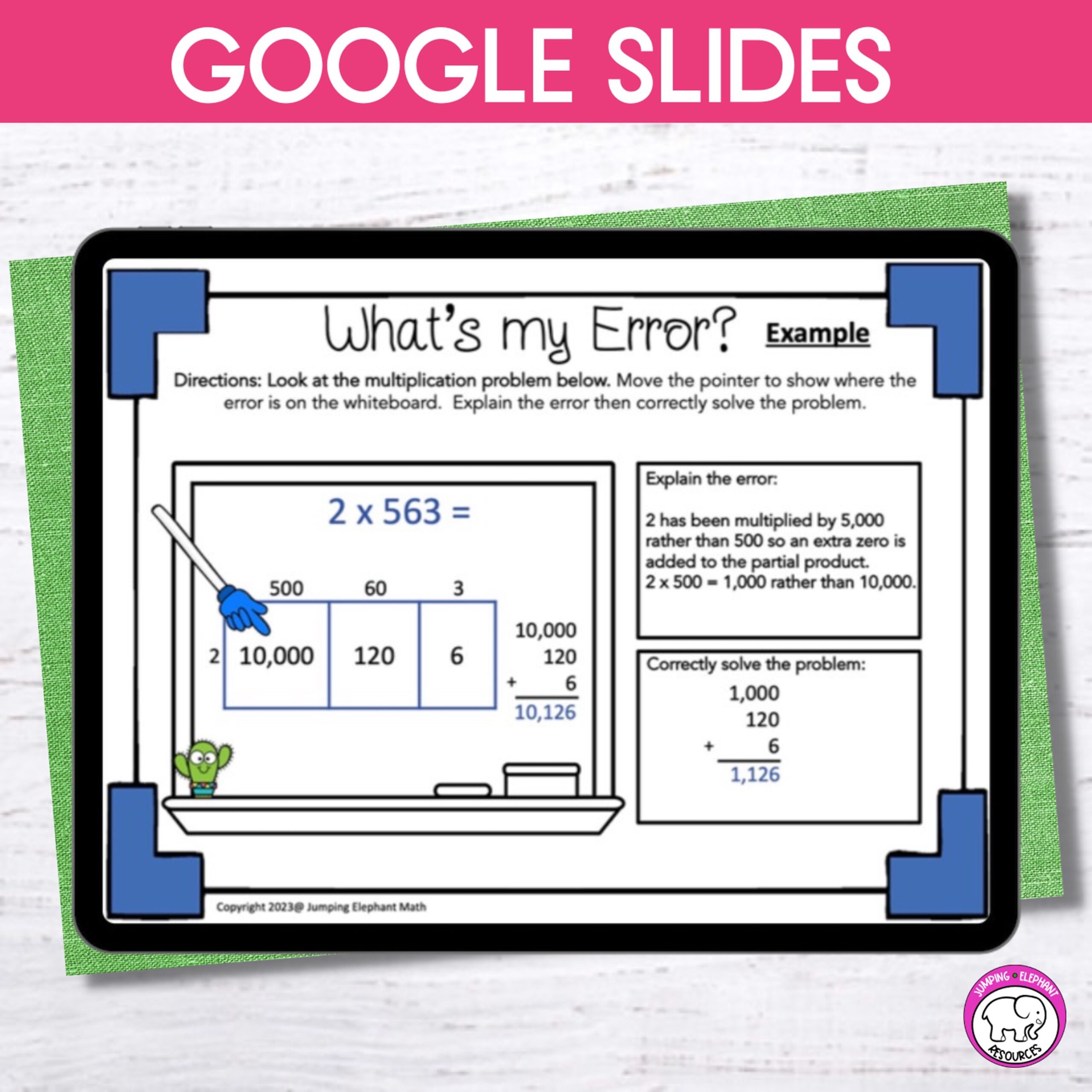
Evaluating Student Understanding
After several uses of the Find The Multiplication Errors Worksheet, it’s crucial to evaluate student understanding. Here’s how to assess their progress effectively:
- Individual Check-Ins: Schedule one-on-one check-ins with students to discuss their performance. This personal attention can help uncover specific areas where they may be struggling.
- Create Follow-Up Activities: Based on the errors identified in the worksheets, design follow-up activities targeting those specific areas. This could include additional practice problems or alternative learning methods, such as visual aids or manipulatives.
- Feedback Loop: Provide constructive feedback on their worksheet performance. Highlight what they did well and where improvements are needed. Encourage students to ask questions and seek clarification on challenging concepts.
- Parent Involvement: Share progress reports with parents to keep them informed. Encourage them to reinforce multiplication skills at home using similar worksheets or activities.
- Reflect on Instructional Strategies: Use the data collected from the worksheets to reflect on your teaching methods. Are there certain multiplication concepts that consistently challenge students? Adjust your lessons accordingly to address these gaps.
Using the Find The Multiplication Errors Worksheet can significantly enhance your students’ understanding of multiplication. By incorporating repeated practice, providing clear feedback, and tracking progress, you create an environment where students feel supported in their learning journey.
As a practical tip, consider setting aside a specific day each week to focus on error analysis using this worksheet. This routine will help students anticipate and prepare for this learning opportunity, reinforcing their skills over time.