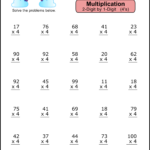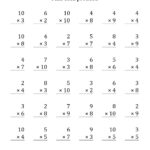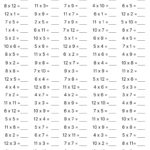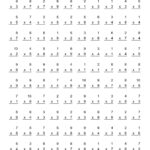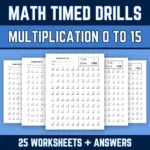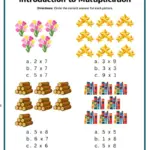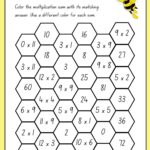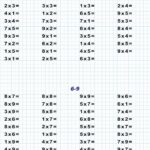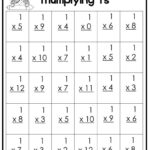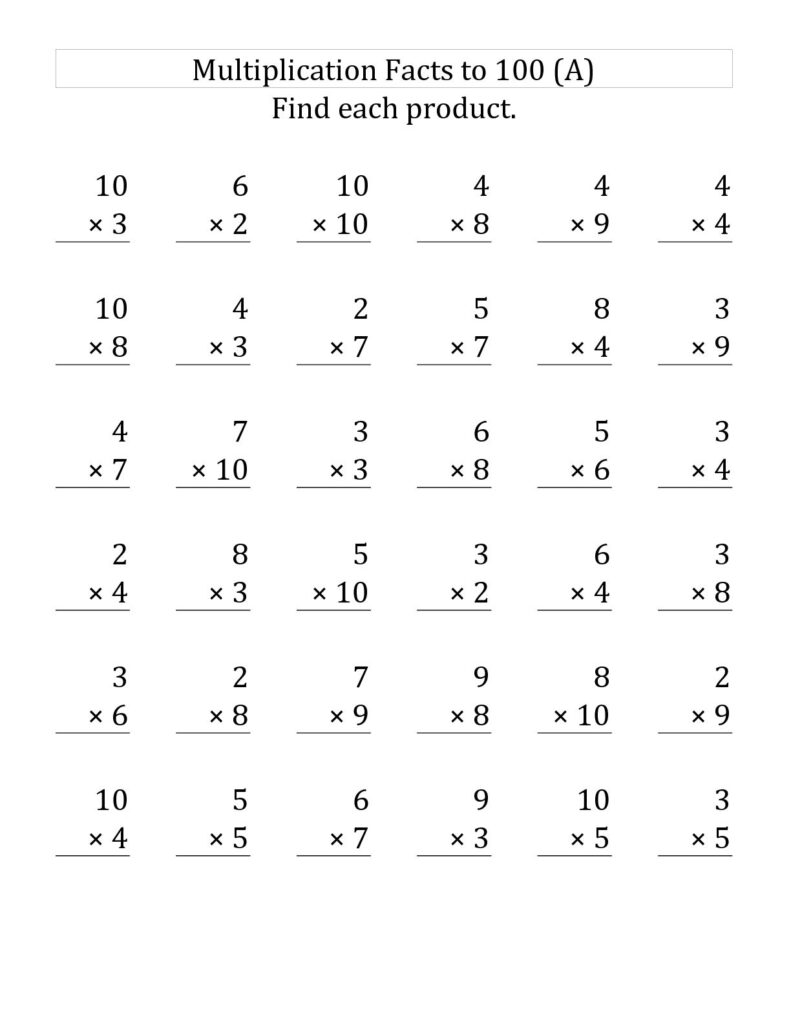
Many teachers know the struggle of finding effective resources that engage students while reinforcing essential skills. When it comes to multiplication, a common challenge is providing worksheets that cater specifically to the level of understanding required for 3rd graders. Free Math Multiplication Sheets 3rd Grade can significantly ease this burden by offering structured, printable resources that require minimal preparation time and deliver immediate results.
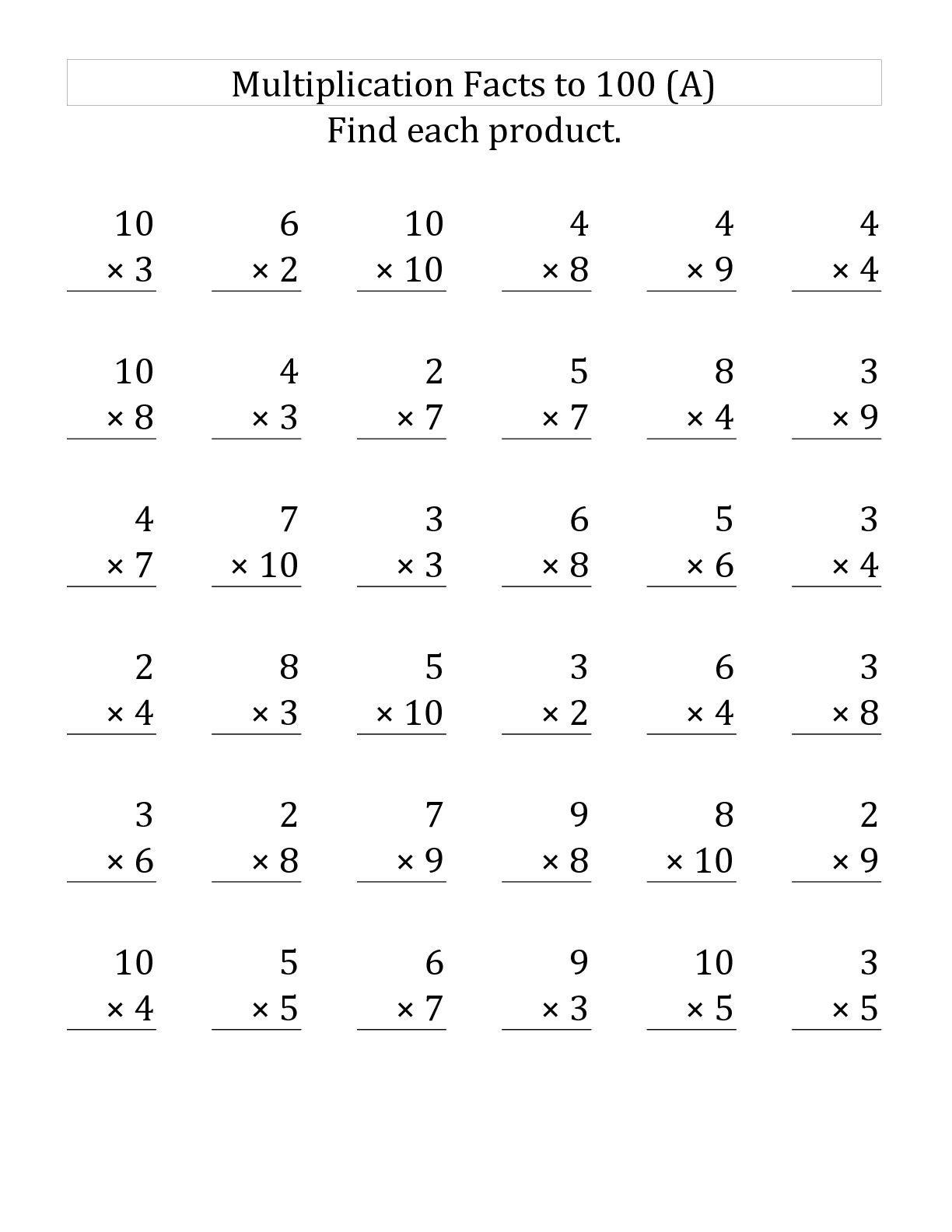
Understanding the Need for Multiplication Sheets
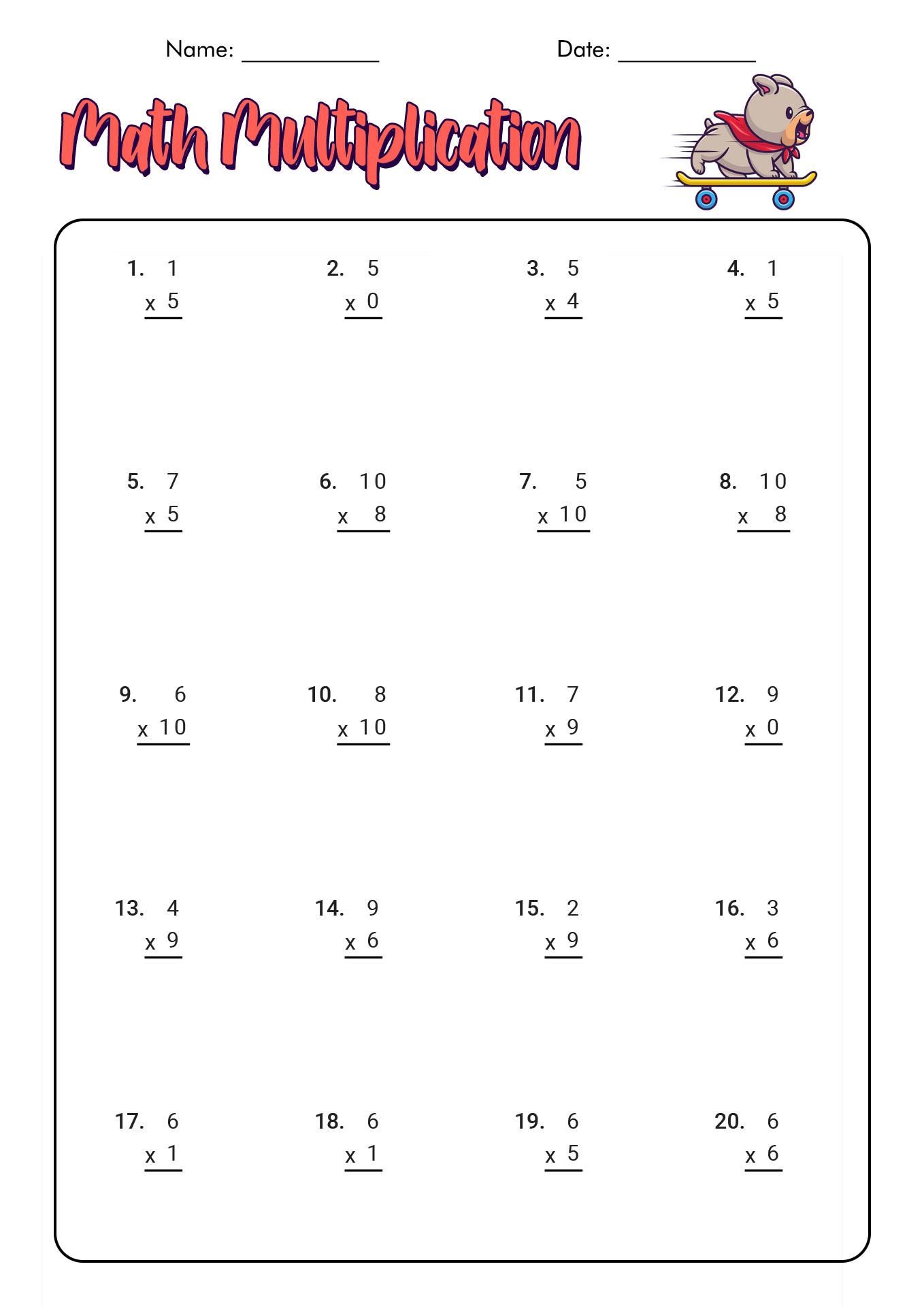
By 3rd grade, students are expected to have a foundational understanding of multiplication. However, not all students grasp these concepts at the same pace. This is where multiplication sheets come into play. They offer targeted practice that allows students to work through problems at their own speed, helping to solidify their understanding and improve their confidence.
Using multiplication sheets in class or at home can address various learning styles. Some students may benefit from visual aids, while others may prefer hands-on practice. With the right set of multiplication sheets, you can ensure that every student has the opportunity to master the topic.
Features of Effective Multiplication Sheets
When selecting or creating multiplication sheets, consider the following features to ensure they are effective:
- Variety of Problems: Include different types of multiplication problems, such as single-digit, two-digit, and word problems. This diversity keeps students engaged and helps them apply their skills in various contexts.
- Clear Instructions: Each sheet should have straightforward instructions to minimize confusion. This is especially important for young learners who may struggle with complex wording.
- Answer Key: Providing an answer key saves time during grading and allows students to check their work independently.
- Progressive Difficulty: Start with simpler problems and gradually increase the complexity. This approach helps build confidence and reinforces learning.
Printing and Preparing Multiplication Sheets
Once you’ve chosen the multiplication sheets that will best serve your class, it’s time to prepare them for distribution. Here are some practical tips for printing and handling these materials effectively:
- Paper Size: Standard letter size (8.5 x 11 inches) is ideal for most printers. This size is easy to handle and fits well in student binders.
- Print Settings: Use a high-quality print setting for clear text and graphics. If possible, print in portrait layout, which generally works better for worksheets.
- Bulk Printing: If you’re preparing materials for an entire class, print multiple copies at once to save time. This is particularly useful for classes with larger student numbers.
- Laminating: For worksheets that you anticipate using repeatedly, consider laminating them. This allows for dry-erase markers to be used, letting students practice without wasting paper.
Engaging Students With Multiplication Practice
One of the biggest challenges teachers face is keeping students engaged during practice. Here are some strategies to make multiplication sheets more interactive and enjoyable:
- Incorporate Games: Turn worksheet problems into games. For instance, you can create a timed challenge where students race against the clock to complete as many problems as possible.
- Group Work: Have students work in pairs or small groups to complete the sheets. This collaboration can foster discussions about different multiplication strategies, enhancing their understanding.
- Real-Life Applications: Relate multiplication problems to real-life scenarios, such as calculating the total number of items when shopping or determining how many groups can be formed from a set number of objects.
Reviewing and Grading Multiplication Sheets
After students complete their multiplication sheets, you’ll need an efficient system for reviewing and grading their work. Here are some tips to streamline this process:
- Use the Answer Key: Having an answer key readily available allows for quick checking of student work. You can also use it to facilitate peer review, where students exchange sheets and check each other’s answers.
- Focus on Common Errors: When reviewing, look for patterns in mistakes. If multiple students struggle with the same type of problem, it may be worth revisiting that concept in class.
- Feedback Opportunities: Provide constructive feedback on the sheets, highlighting areas where students excelled and where they can improve. This not only helps students learn but also encourages them to take ownership of their progress.
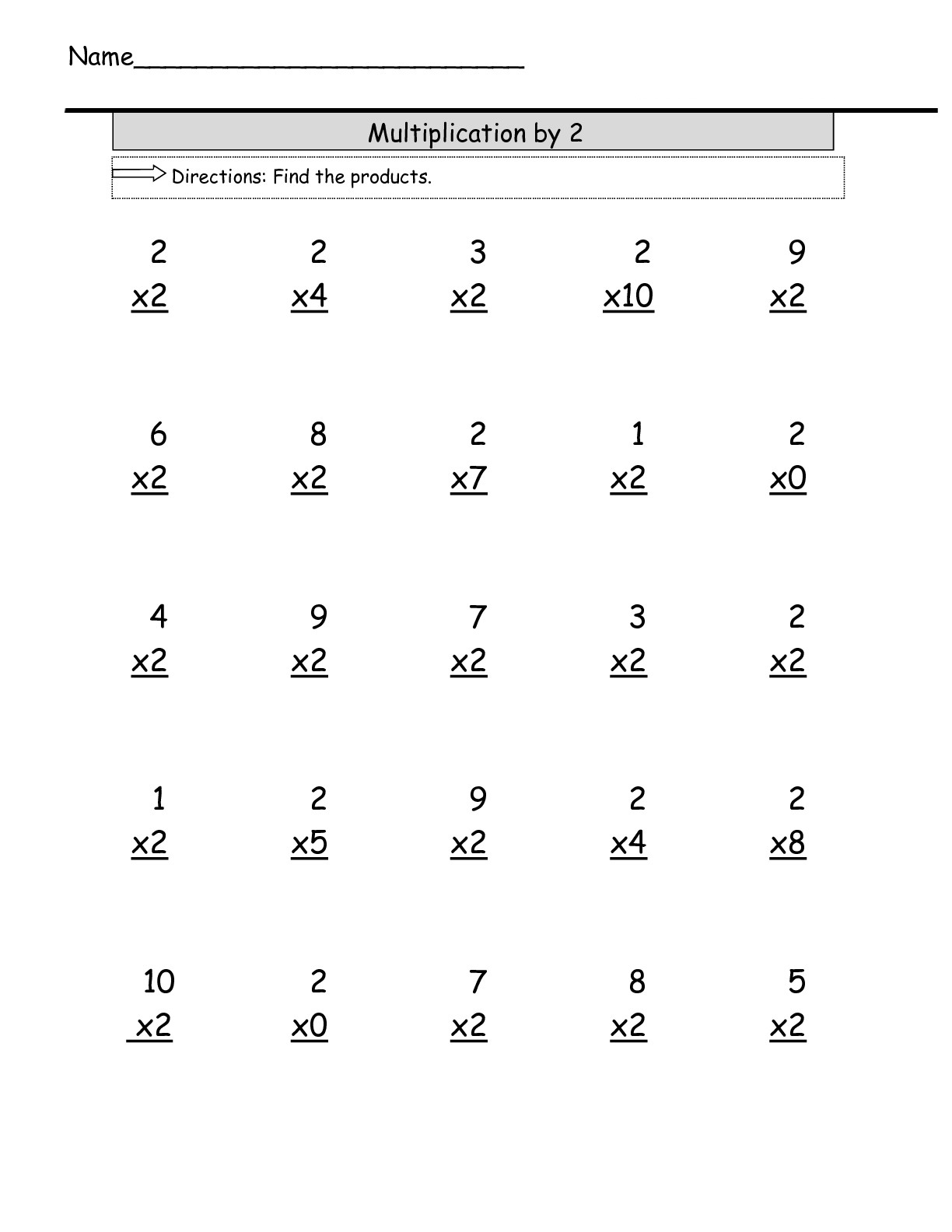
Additional Resources for Multiplication Practice
In addition to the Free Math Multiplication Sheets 3rd Grade, consider supplementing your resources with other materials:
- Online Games: Educational websites often offer interactive multiplication games that can reinforce skills in a fun way.
- Flashcards: Use flashcards for quick recall practice. They can be used in pairs or small groups to promote friendly competition.
- Apps: There are many educational apps designed to help students practice multiplication in engaging formats. These can be particularly useful for homework or extra practice at home.
By utilizing these strategies and resources, you can create an effective and engaging multiplication practice environment for your 3rd graders. Remember, the goal is to build their confidence and mastery in multiplication, paving the way for future math skills.
While Free Math Multiplication Sheets 3rd Grade can greatly assist in this learning process, it’s essential to keep an eye on each student’s progress and adjust your teaching strategies as needed. Every child learns differently, and being flexible in your approach will yield the best results.