In a bustling second-grade classroom, Ms. Johnson is preparing her students for a new math challenge: beginning multiplication for 2nd grade. As she arranges colorful worksheets and engaging templates on each desk, she knows that these resources will not only grab her students’ attention but also build a strong foundation for their future math skills. Incorporating printable resources like worksheets, planners, and coloring pages can transform learning multiplication into an enjoyable experience for young learners.
Understanding Beginning Multiplication
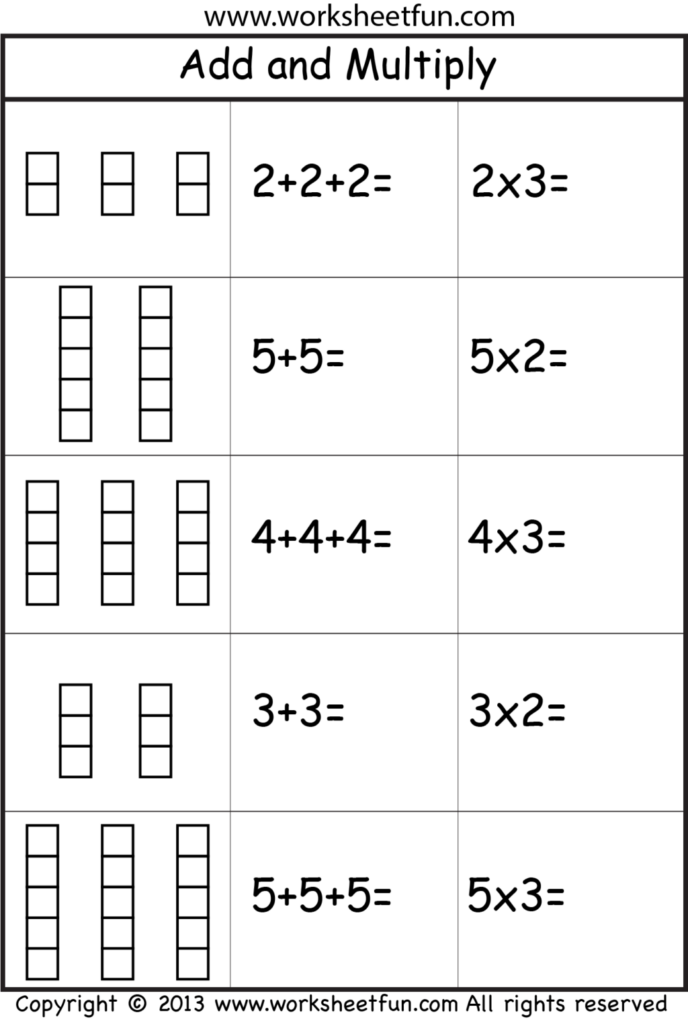
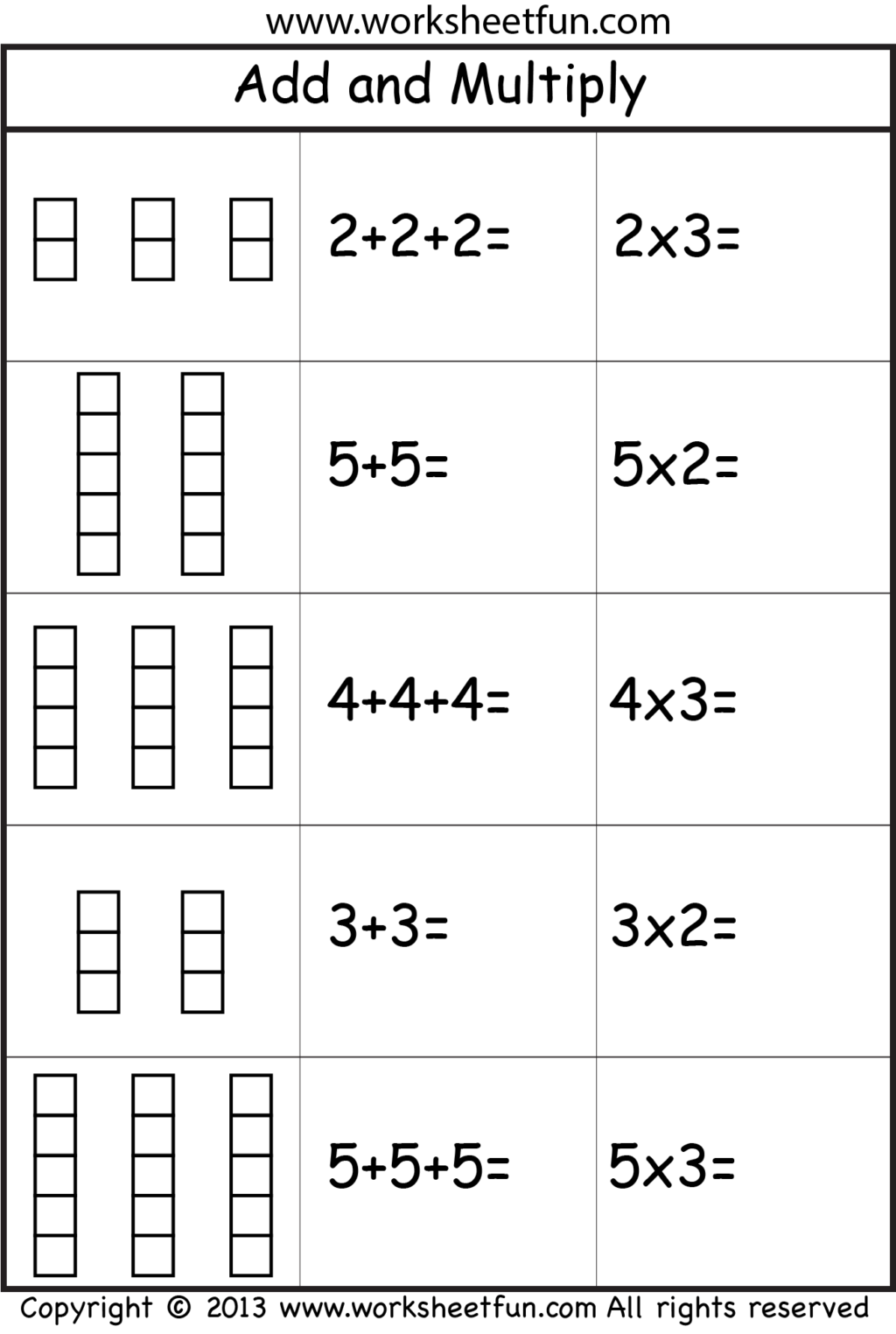
Before diving into resources, it’s essential to understand what beginning multiplication means for second graders. At this stage, students typically learn to multiply numbers up to 10 and understand the concept of multiplication as repeated addition. For instance, 3 x 4 can be visualized as adding 3 four times (3 + 3 + 3 + 3). Engaging students with relatable examples and visual aids will help solidify their understanding of these concepts.
Key Resources for Teaching Multiplication
Printable Worksheets
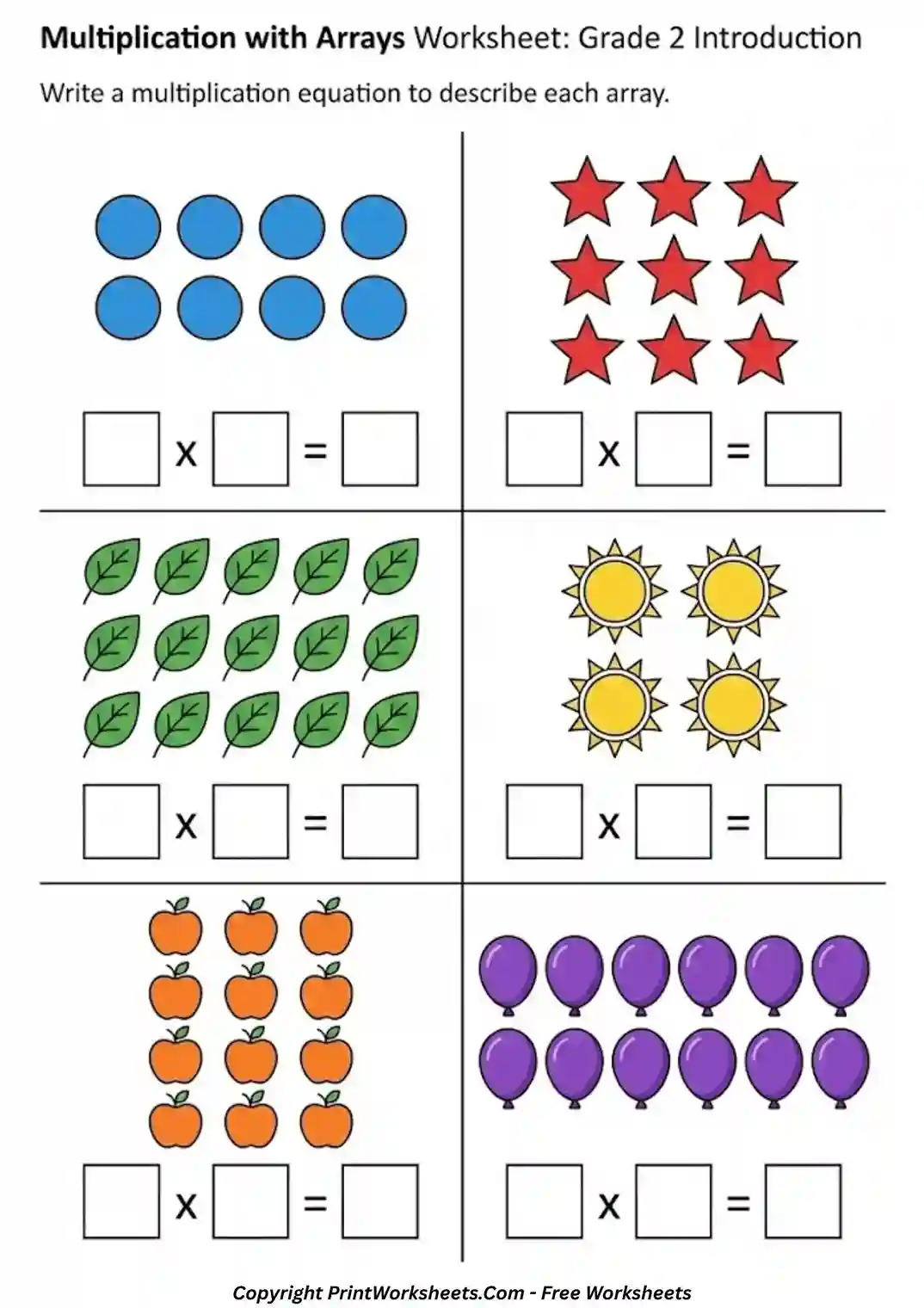
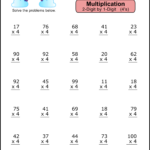
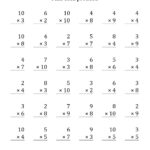
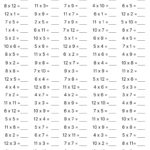
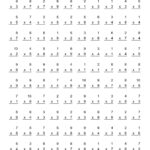
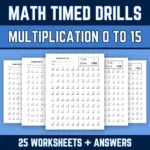
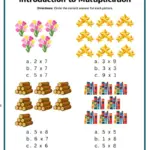
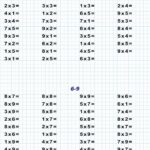
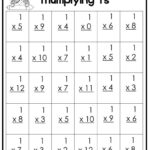
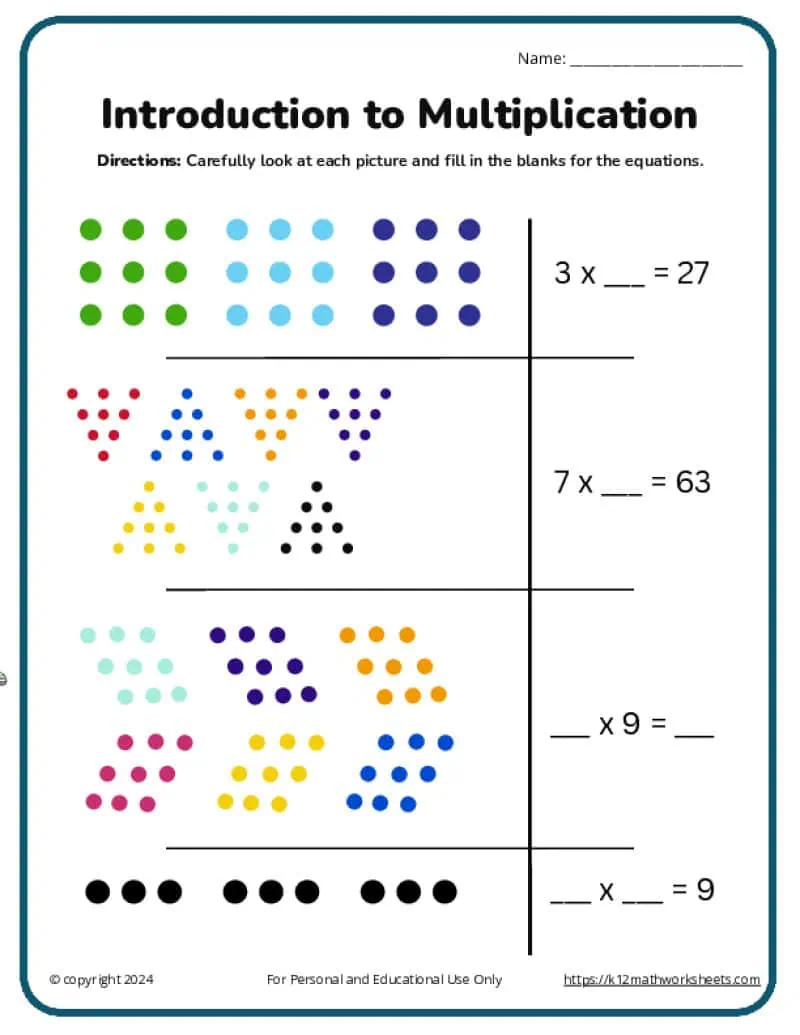
Printable worksheets are a staple in teaching multiplication. They provide students with structured practice that reinforces the concepts learned in class. Look for worksheets that include a variety of activities, such as:
- Fill-in-the-blank multiplication problems: These help students practice multiplication facts.
- Word problems: Integrating real-life scenarios encourages critical thinking.
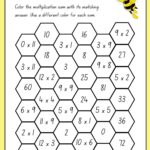
- Coloring worksheets: These combine art with math, making learning fun.
When choosing worksheets, select those that are visually appealing and age-appropriate. You can easily print these on standard A4 or letter-sized paper, ensuring they fit well into your classroom or home setup.
Multiplication Flashcards
Flashcards are another practical resource for reinforcing multiplication facts. They can be used in various ways:
- Pair activities: Students can work in pairs to quiz each other.
- Memory games: Create a fun game where students match the multiplication problem with its correct answer.
- Daily drills: Short, daily flashcard sessions can significantly improve recall speed.
You can create flashcards easily using cardstock or print pre-made ones from online resources. These are especially effective for visual and kinesthetic learners.
Hands-On Activities
Incorporating hands-on activities helps students grasp multiplication concepts through engaging, tangible methods. Here are a few ideas:
- Manipulatives: Use items like blocks or counters to show multiplication as groups. For example, arrange 12 blocks into 3 groups of 4 to illustrate 3 x 4.
- Group games: Organize a multiplication bingo or a scavenger hunt where students find items in groups that correspond to multiplication facts.
- Interactive notebooks: Have students create their own multiplication notebooks where they can record facts, draw pictures, and illustrate their understanding.
These activities not only reinforce concepts but also cater to different learning styles, making math more accessible and enjoyable.
Utilizing Technology
Many students today respond well to technology. Consider incorporating educational apps and online games that focus on multiplication. These platforms often provide instant feedback and can be tailored to individual student needs. Here are a few options to explore:
- Math apps: There are numerous apps available that gamify multiplication practice, allowing students to learn at their own pace.
- Interactive websites: Websites like Khan Academy and ABCmouse offer structured lessons and exercises on multiplication that can complement classroom learning.
Encouraging students to use technology can motivate them to practice at home, reinforcing what they learn in class.
Spacing Practice Across the Week
It’s essential to remember that mastering multiplication takes time and repetition. Instead of cramming all multiplication practice into one day, spread it out over a week. This method not only helps with retention but also allows students to build confidence gradually.
For instance, you might structure a week like this:
- Day 1: Introduce multiplication concepts and practice with worksheets.
- Day 2: Use flashcards for quick recall exercises.
- Day 3: Engage in hands-on activities that reinforce the concept.
- Day 4: Incorporate technology with educational apps.
- Day 5: Review through games and collaborative activities.
This variety keeps students engaged and allows for different types of learning experiences.
Importance of Repetition in Learning
Repetition is a crucial element in mastering multiplication. Research shows that consistent practice helps solidify knowledge and improve recall. By utilizing a mix of worksheets, flashcards, and interactive activities throughout the week, students can reinforce their understanding of multiplication concepts while enjoying the learning process.
It’s also beneficial to revisit previously learned multiplication facts regularly. Consider setting aside a few minutes every day for quick reviews or incorporating multiplication into daily routines, like counting items during snack time or playing math games during recess.
Creating a Supportive Learning Environment
Lastly, creating a supportive environment for learning multiplication is vital. Encourage a growth mindset by celebrating small victories and promoting perseverance. When students struggle with a concept, remind them that it’s okay to make mistakes; that’s part of the learning process. Providing positive feedback and maintaining an encouraging atmosphere will foster resilience and interest in math.
As you implement these strategies and resources into your teaching plan, remember that each child learns at their own pace. Tailoring your approach based on individual needs will help all students succeed in mastering beginning multiplication for 2nd grade.
By utilizing a combination of engaging resources, structured practice, and supportive teaching methods, you can create an effective learning environment that promotes a love for math and lays the groundwork for future academic success.