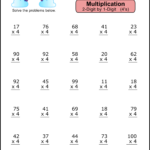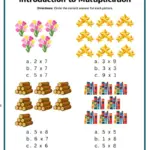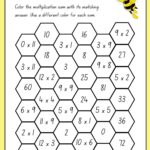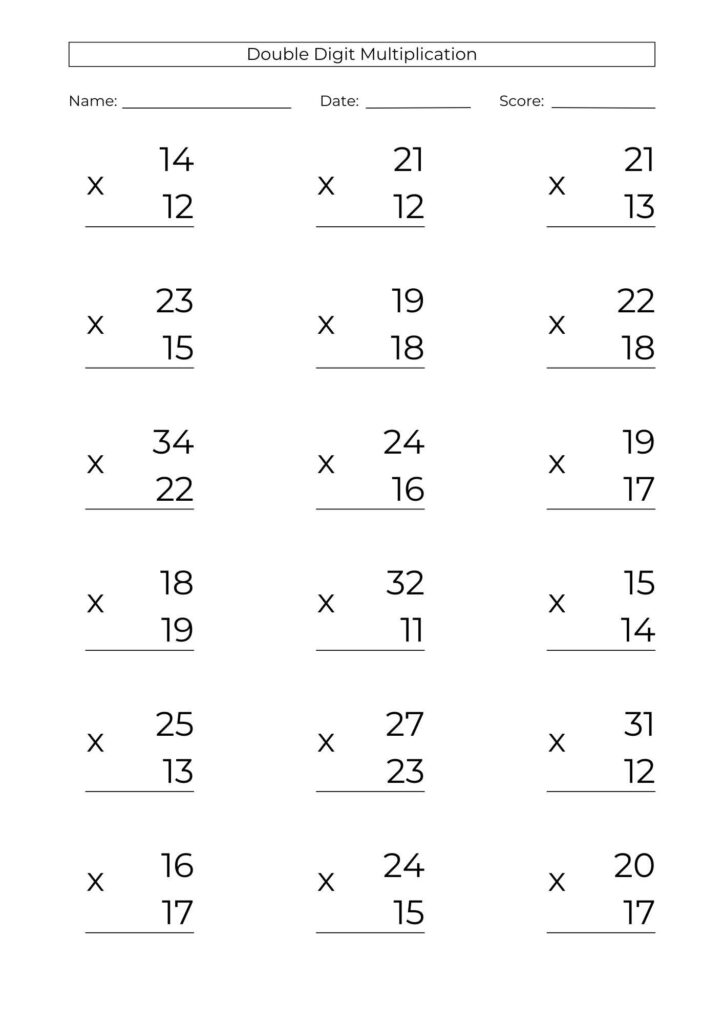
Understanding double-digit multiplication can be a challenge for many students. This is where Beginning Double Digit Multiplication Worksheets come into play. These worksheets are designed to help students grasp the fundamentals of multiplying two-digit numbers, laying a strong foundation for more complex mathematical concepts down the road. In this guide, you’ll learn how to effectively use these worksheets in your classroom or at home, ensuring that your students can practice independently and confidently.
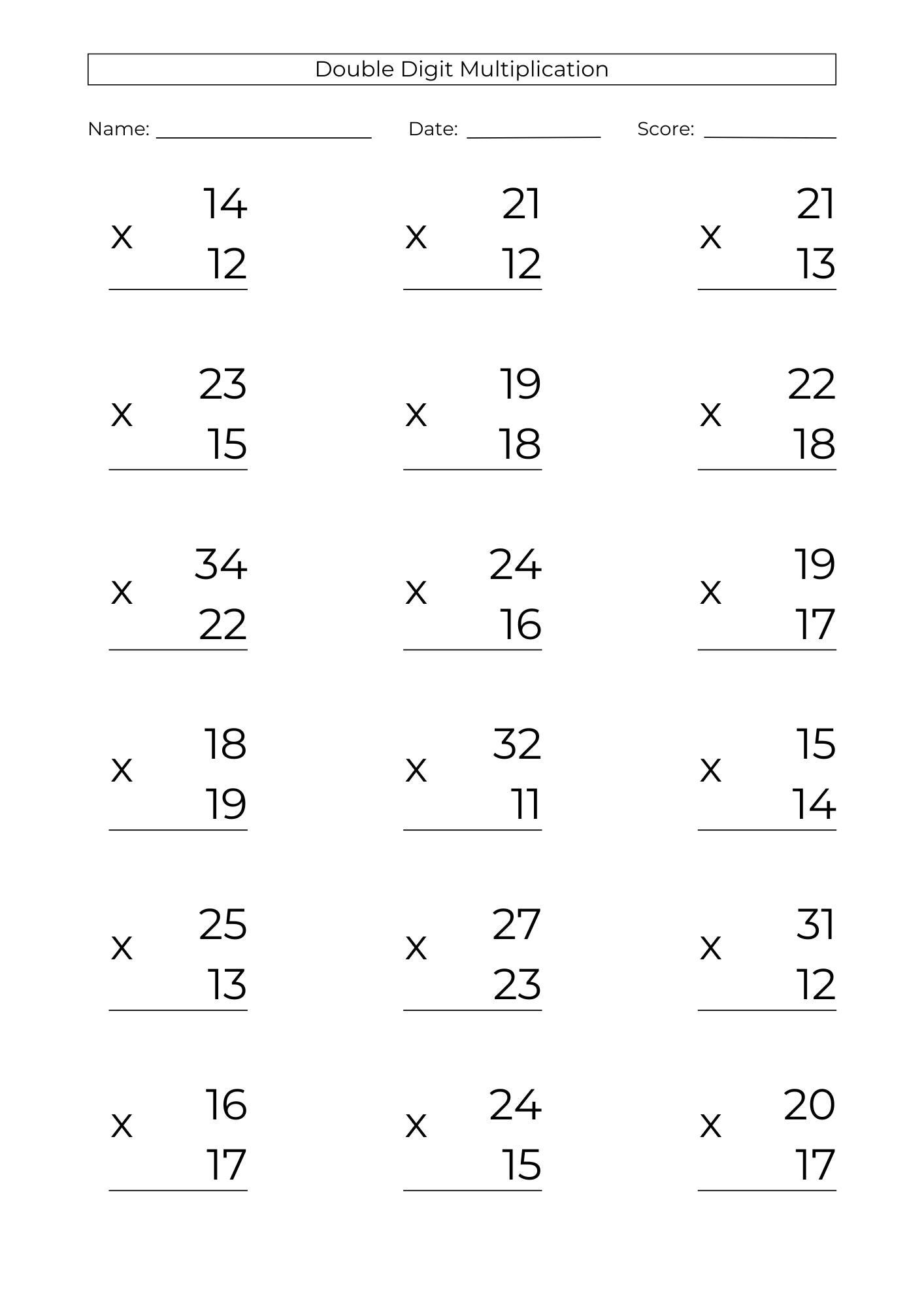
Why Use Beginning Double Digit Multiplication Worksheets?
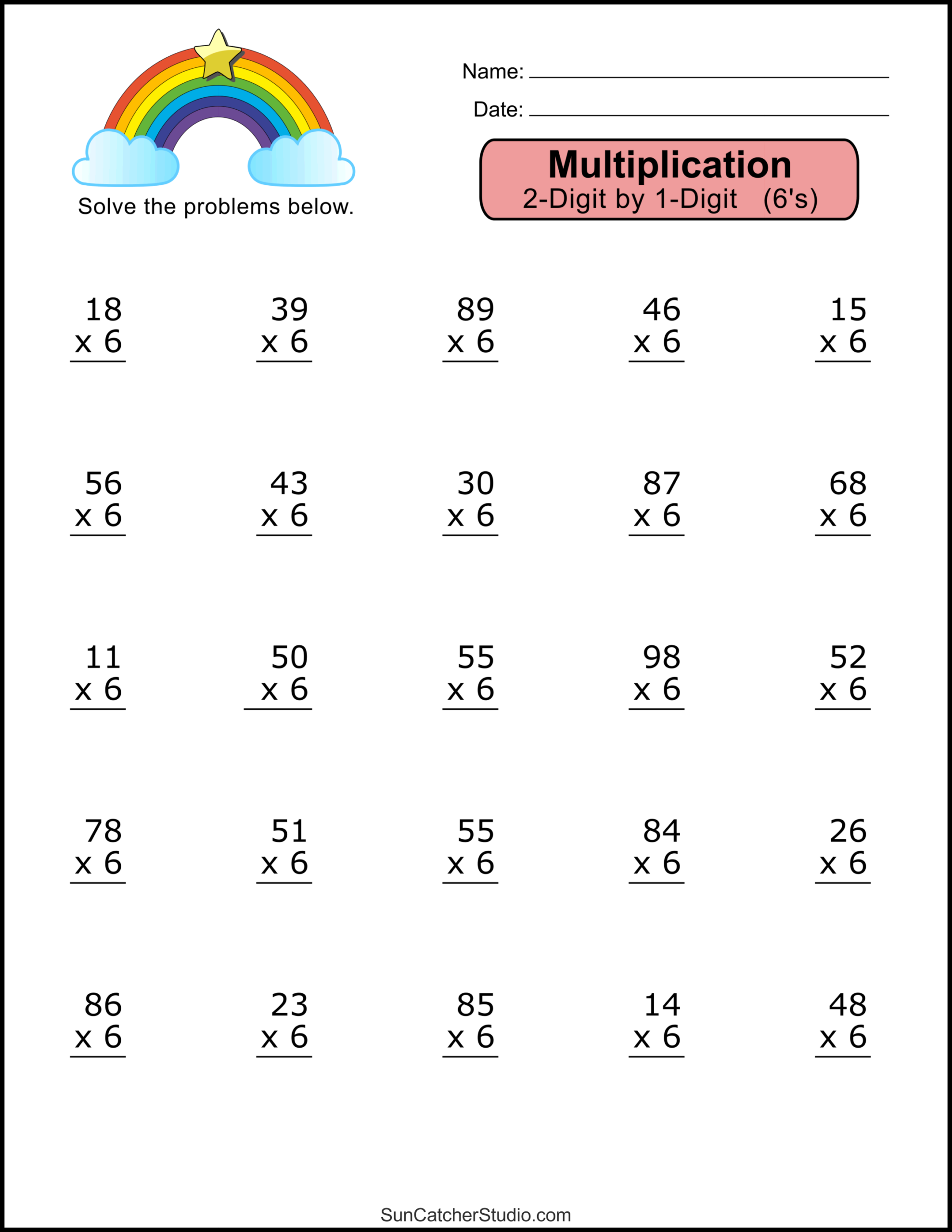
Beginning Double Digit Multiplication Worksheets are essential tools for reinforcing multiplication skills. They provide structured practice that helps students:
- Develop confidence in their multiplication abilities
- Understand place value in two-digit numbers
- Practice their calculations in a clear and organized manner
These worksheets are suitable for students typically in the 3rd to 5th grade, depending on their individual skill levels. By introducing these resources early, you can help students build a solid mathematical foundation.
Selecting the Right Worksheets
When choosing Beginning Double Digit Multiplication Worksheets, consider the following:
- Skill Level: Make sure the worksheets match the current ability of your students. Look for worksheets that gradually increase in difficulty.
- Format: Opt for worksheets that offer a variety of question formats, such as grid-based problems, word problems, and visual aids.
- Clarity: Ensure that the worksheets are easy to read and understand. Clear instructions and examples will help students work independently.
Downloading and Printing Worksheets
After selecting the appropriate worksheets, the next step is to download and print them. Here’s how you can ensure a smooth process:
- Download Format: Most worksheets are available in PDF format. This format preserves the layout and ensures that the worksheets print correctly.
- Printer Settings: Use the portrait layout for standard worksheets. Set your printer to print on standard letter-sized paper (8.5 x 11 inches) for the best results.
- Test Print: Before printing a large batch, do a test print to ensure everything appears as expected.
Setting Up for Effective Use
Once you have your worksheets printed, it’s time to set up for effective use:
- Organize Materials: Keep worksheets organized by skill level or topic to make them easy to access during lessons.
- Provide Tools: Equip students with necessary tools such as pencils, erasers, and calculators for checking their work.
- Create a Quiet Space: Ensure students have a quiet area to work, minimizing distractions and promoting focus.
Encouraging Independent Practice
To foster independent practice, consider the following strategies:
- Clear Instructions: Ensure each worksheet includes clear instructions. Use simple language that is age-appropriate.
- Visual Aids: Incorporate visual aids such as number lines or multiplication charts to help students who may struggle with mental math.
- Checklists: Provide students with a checklist of steps to follow when solving each problem. This encourages them to think critically about their work.
Assessing Progress
Regular assessment is crucial to understanding students’ progress in double-digit multiplication. Use the following methods:
- Review Completed Worksheets: Go through the completed worksheets to identify common mistakes or areas where students struggle.
- Group Discussions: Host group discussions to address any questions and reinforce concepts learned through the worksheets.
- Follow-up Worksheets: After assessing students’ performance, provide follow-up worksheets that target specific areas needing improvement.
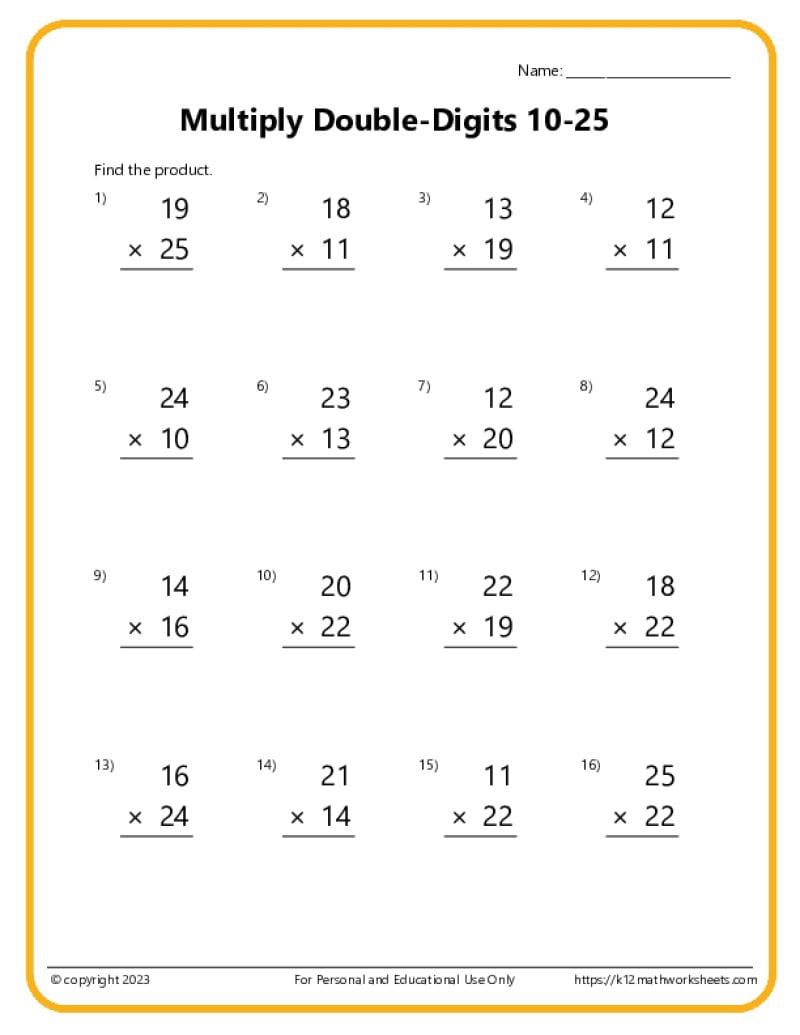
Tips for Maximizing Engagement
Keeping students engaged is vital for effective learning. Here are some tips:
- Gamify Learning: Turn worksheet completion into a game by introducing timed challenges or rewards for completed tasks.
- Pair Work: Encourage students to work in pairs. This promotes collaboration and allows students to learn from one another.
- Incorporate Technology: If possible, integrate technology by using interactive math games that reinforce the same concepts taught in the worksheets.