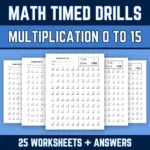
Teaching basic multiplication for Grade 2 can be both fun and challenging. At this stage, students are ready to build on their addition skills and start understanding the concept of multiplication. A well-structured approach will help you introduce this essential math skill in an engaging way. This article outlines practical resources and strategies to effectively teach multiplication to your second graders.
Understanding the Basics of Multiplication
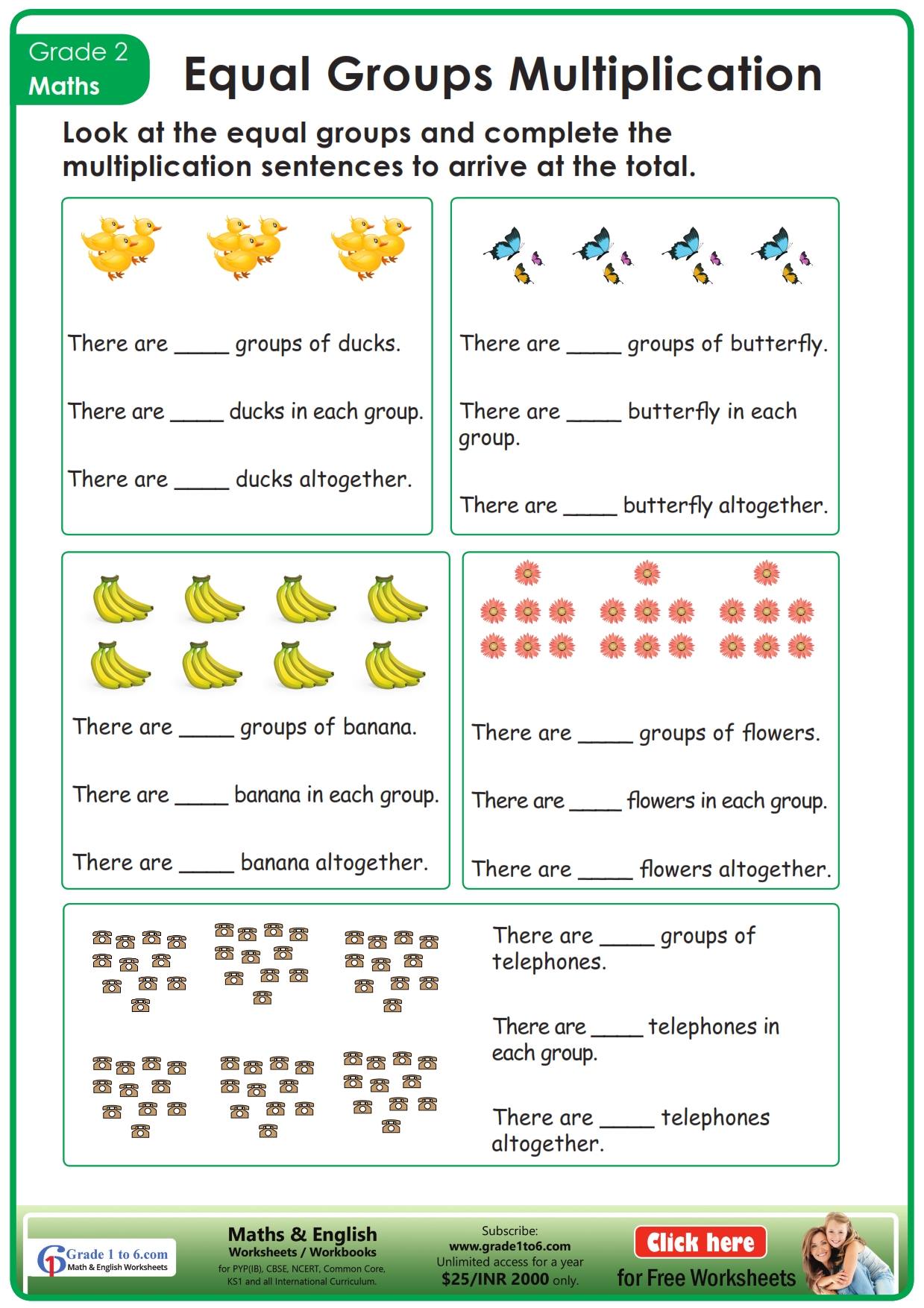
Before diving into multiplication, it’s crucial to make sure your students grasp what multiplication means. Explain that multiplication is essentially repeated addition. For example, 3 times 4 means adding 3, four times (3 + 3 + 3 + 3). Use visual aids like counters or drawings to illustrate this concept.
When introducing basic multiplication, focus on the multiplication facts that are most relevant for Grade 2 students. These typically include:
- 0s
- 1s
- 2s
- 5s
- 10s
These sets are easier to grasp and provide a solid foundation for more complex multiplication facts.
Using Printable Worksheets
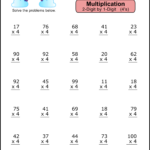
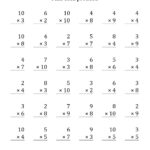
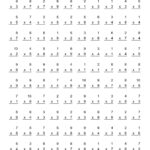
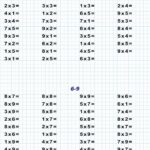
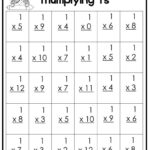
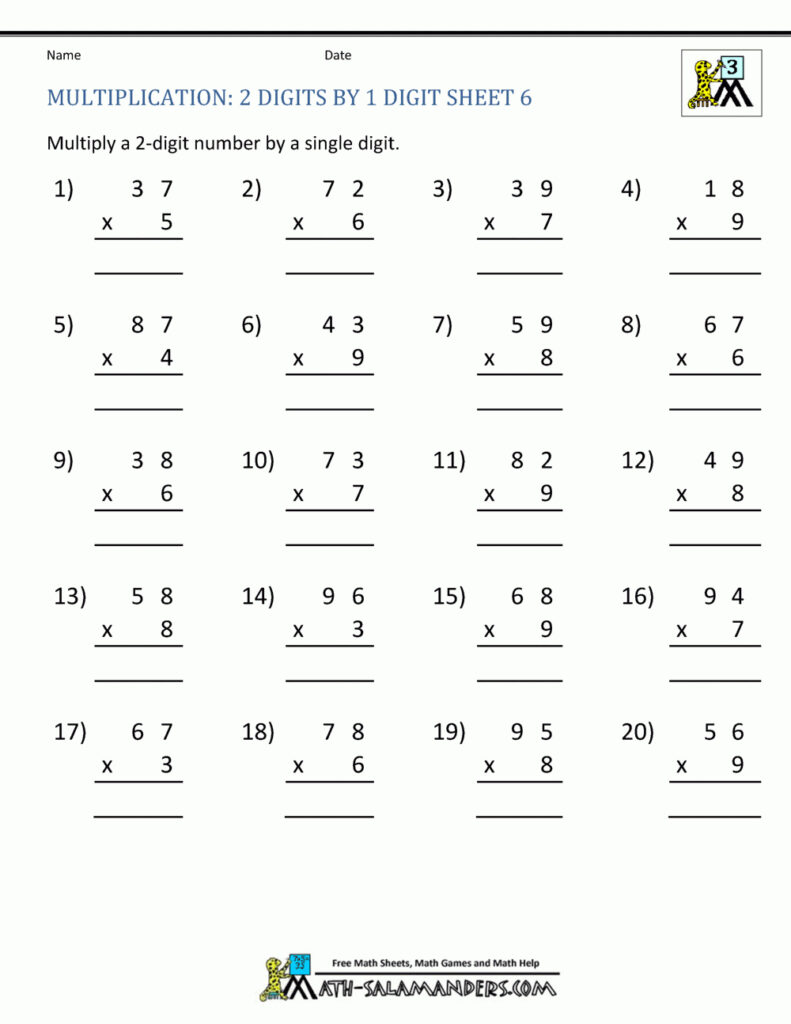
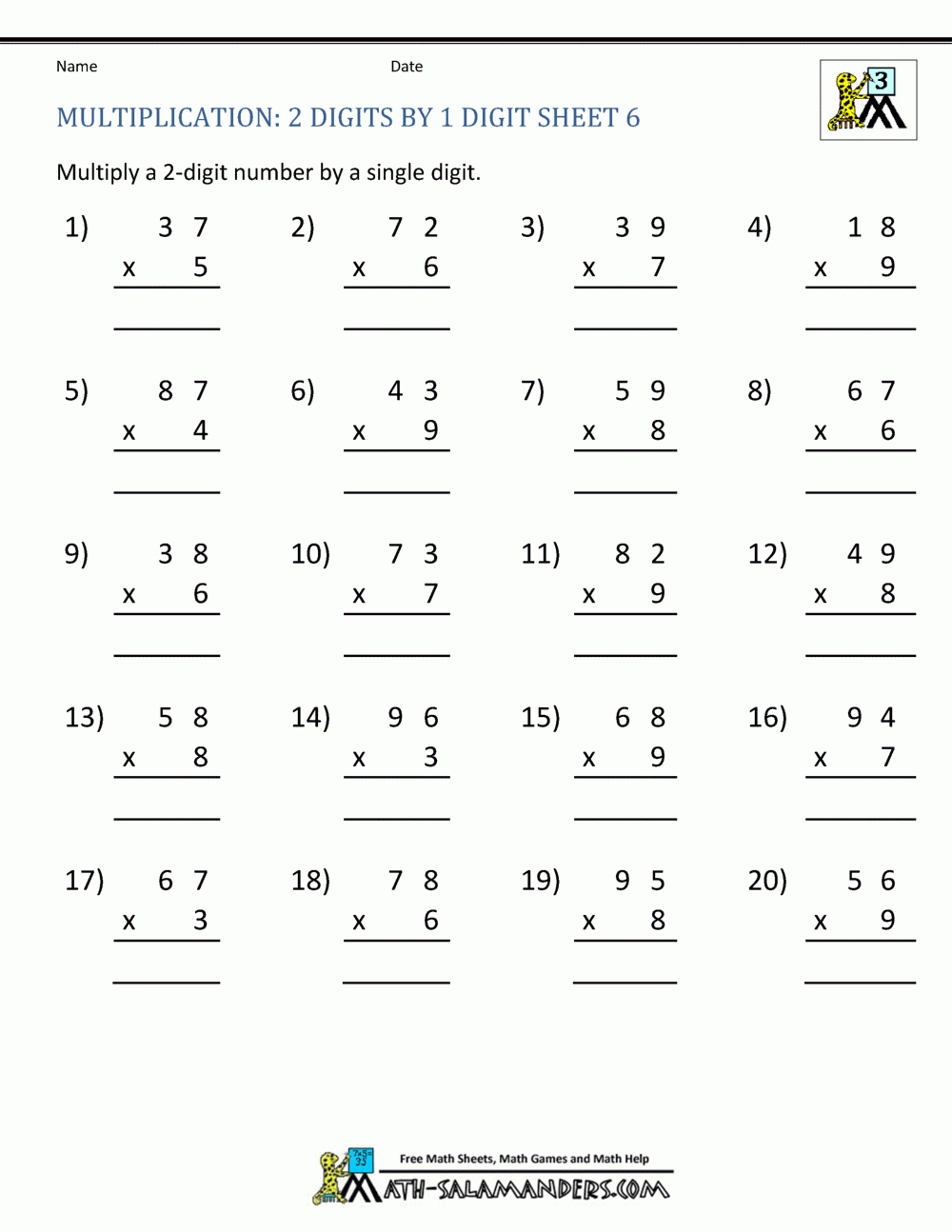
Printable worksheets are an excellent resource for practicing basic multiplication. They allow students to work at their own pace and provide a tangible way to track their progress. Here are some types of worksheets you might consider:
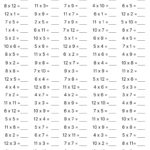
- Multiplication Tables: These help students memorize their multiplication facts in a structured way. You can print tables that include facts from 1 to 10 or even up to 12, depending on your students’ familiarity.
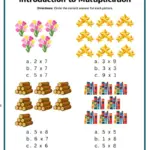
- Word Problems: Create worksheets with real-life scenarios where students can apply multiplication. For instance, “If there are 3 bags with 4 apples each, how many apples are there in total?” This helps students understand the practical application of multiplication.
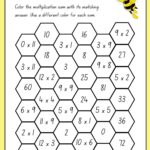
- Coloring Worksheets: Combine multiplication with creativity. Worksheets that allow students to color sections based on their answers can make learning more engaging.
Make sure to print these worksheets on standard A4 or letter size paper for easy handling.
Classroom Logistics for Multiplication Resources
When preparing to teach multiplication, consider how you will distribute materials. For a classroom of 25 students, printing in bulk can save time. Here are some logistics to keep in mind:
- Use Cardstock: If you plan to use worksheets multiple times or want them to last longer, consider printing on cardstock. It holds up better than standard paper, especially if you intend to laminate them.
- Organize by Skill Level: Have different sets of worksheets available for students who may need more practice versus those who are ready for advanced problems. This will allow you to cater to various learning paces.
- Create an Answer Key: Always prepare an answer key for your worksheets. This will help you quickly check students’ work and provide immediate feedback.
Incorporating Games and Interactive Activities
Engagement is key when teaching multiplication. Incorporate games and interactive activities to make the learning process enjoyable. Here are some ideas:
- Multiplication Bingo: Create bingo cards with multiplication problems. Call out the answers, and students can mark the corresponding problems on their cards. This reinforces their multiplication facts in a fun way.
- Flashcard Races: Use flashcards for quick-fire multiplication drills. Pair students up and have them race against the clock to answer correctly. This encourages teamwork while reinforcing their skills.
- Online Games: There are numerous educational websites that offer interactive multiplication games. These can serve as a great supplement to your classroom activities.
Adapting Resources for Home Use
If you’re working with students in a homeschooling environment or want to provide materials for at-home practice, consider these adaptations:
- Digital Downloads: Offer PDF versions of your worksheets that parents can easily print at home. This provides flexibility for families and ensures students can practice multiplication regularly.
- Parent Guides: Create a simple guide for parents explaining how they can assist their children with multiplication. Include tips on using everyday objects for practice, like counting items during grocery shopping.
- Homework Sheets: Assign worksheets that students can complete at home. Make sure these are clear and concise, ensuring parents understand how to help their children without confusion.
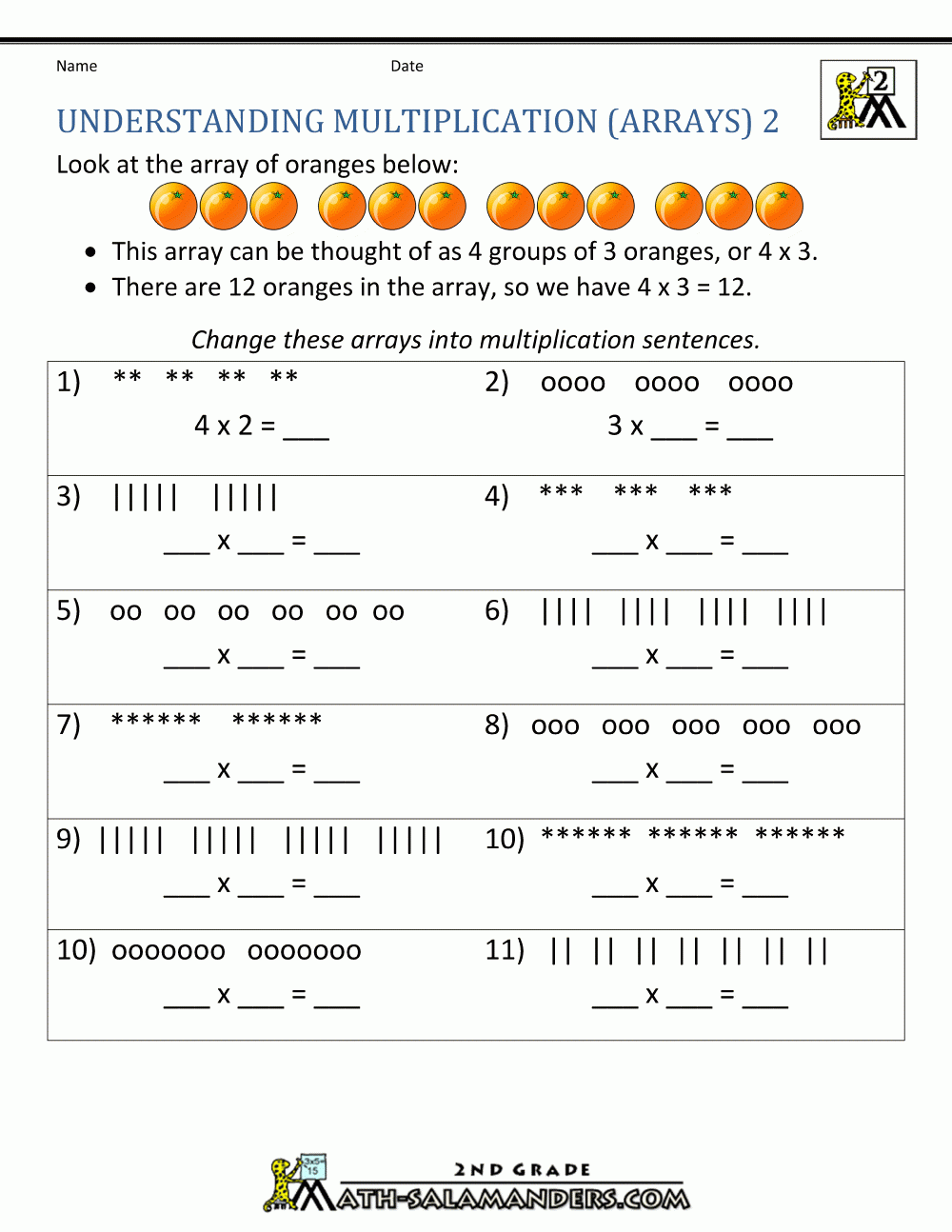
Monitoring Progress and Feedback
Tracking your students’ progress is crucial in any educational setting. Regular assessments will help you identify which students are excelling and who may need additional support. Here are some methods to monitor progress:
- Quizzes: Give short quizzes at the end of each week to assess understanding. This not only checks comprehension but also builds confidence in their abilities.
- Interactive Journals: Encourage students to keep a math journal where they can reflect on what they’ve learned. They can write down multiplication facts, draw pictures, or create their own word problems.
- One-on-One Check-ins: Spend a few minutes with each student regularly to discuss their progress. This personal attention can significantly boost their confidence and willingness to ask questions.
By utilizing these strategies and resources, you can create a rich learning environment for teaching basic multiplication for Grade 2. The key is to keep the experience engaging and supportive, allowing students to build a strong foundation in multiplication that will serve them well in future math challenges.
Now that you have a comprehensive approach to teaching multiplication, consider printing or downloading the worksheets and resources discussed. Tailor them to fit your classroom needs, and watch your students thrive!