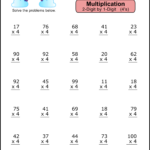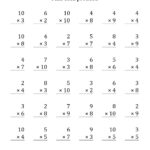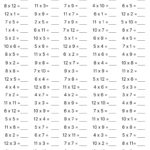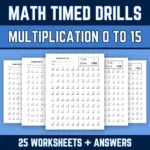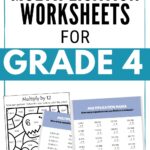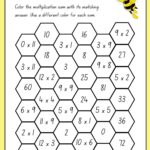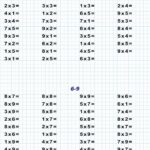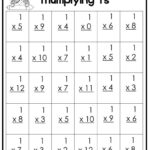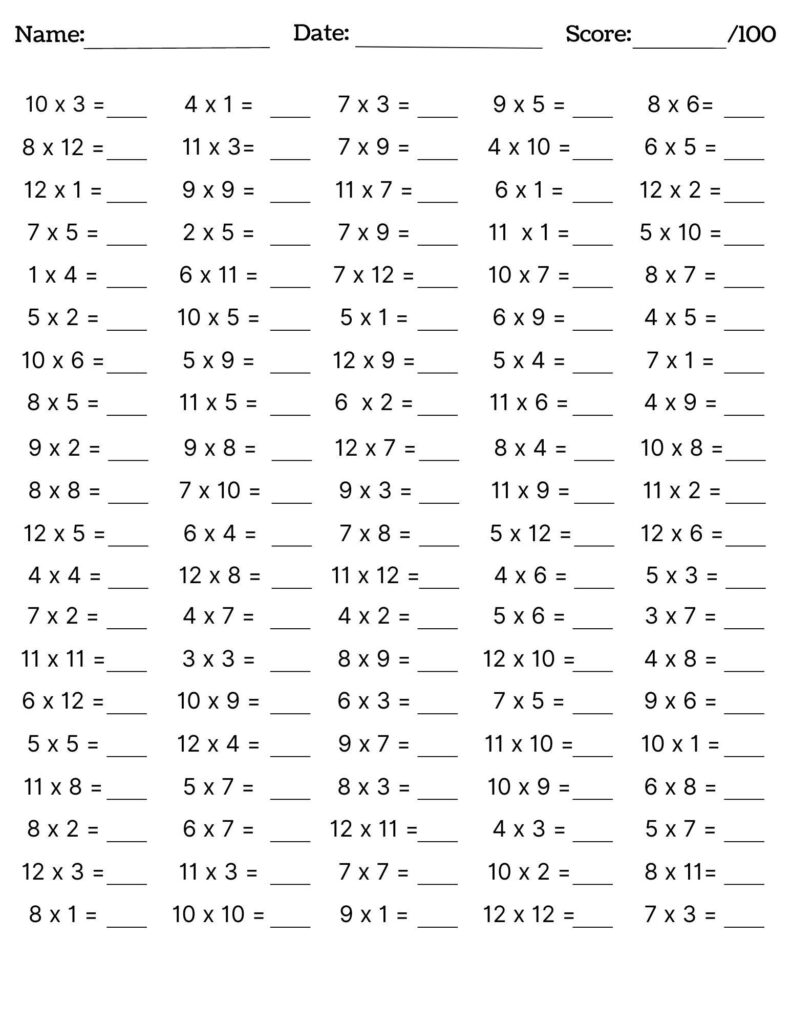
Using Basic Multiplication Fill In Sheets can help reinforce essential multiplication skills in students. Whether you’re a teacher looking for interactive classroom activities or a parent seeking ways to support your child’s learning at home, these worksheets are invaluable. They provide an engaging way to practice multiplication facts, identify areas needing improvement, and track progress over time.
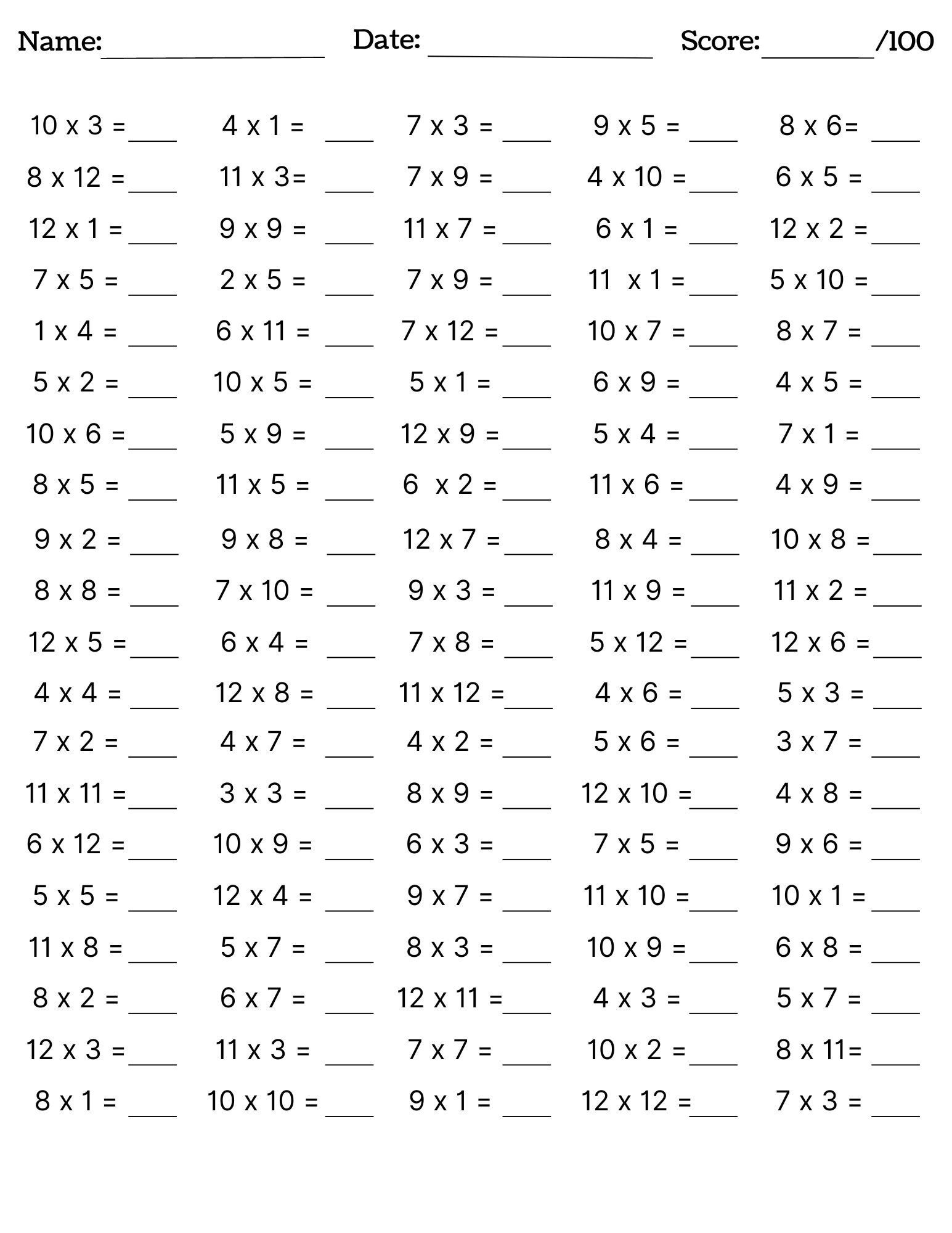
Understanding the Basics of Multiplication Fill In Sheets
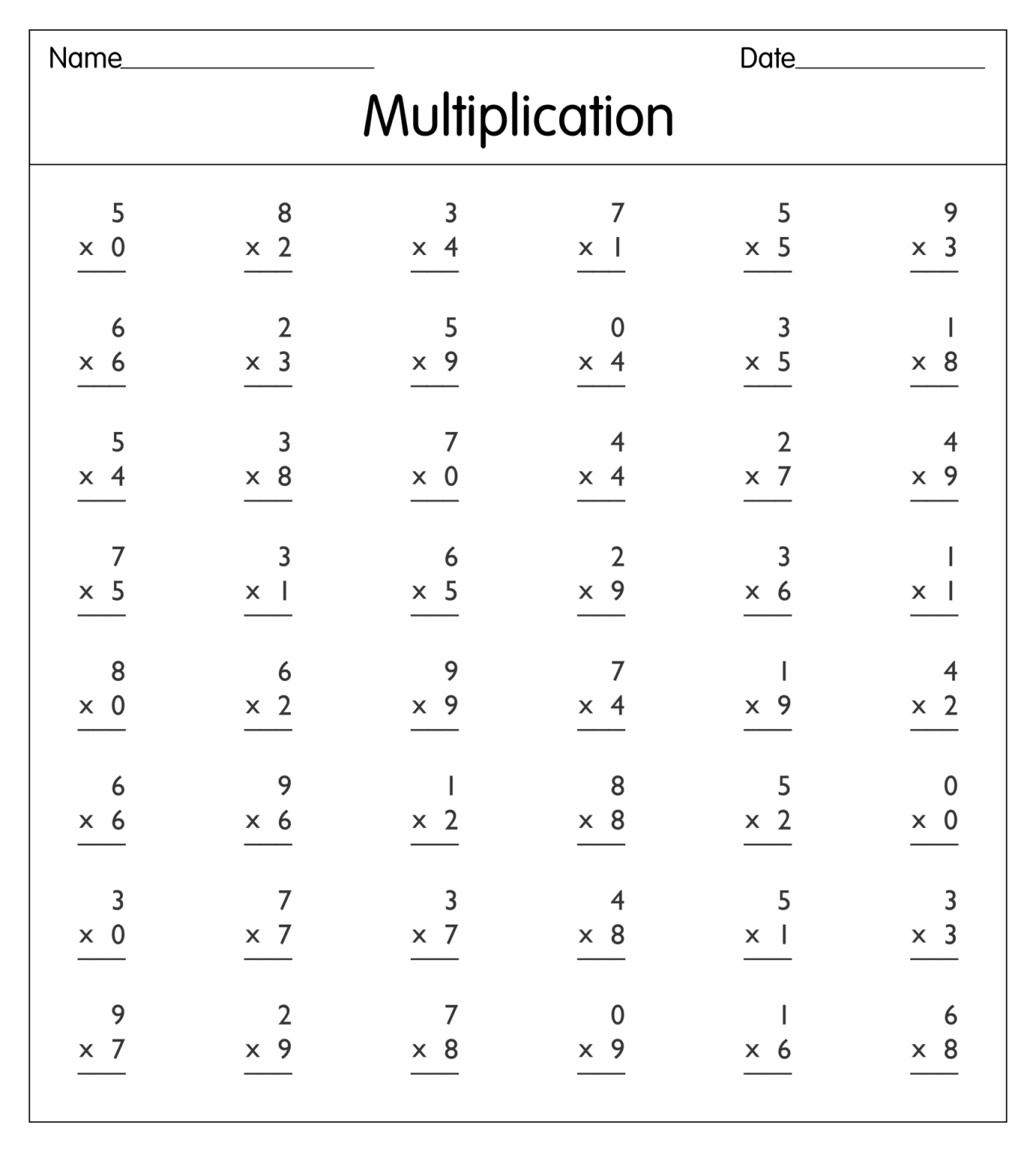
Basic Multiplication Fill In Sheets are worksheets designed to allow students to practice their multiplication skills. Typically suitable for children in grades 2 to 4, these sheets often feature a mix of multiplication problems where students fill in the answers based on given equations. They can range from simple single-digit multiplications to more complex double-digit problems, depending on the student’s level.
The primary purpose of these worksheets is to help students become more comfortable with multiplication through repetition and practice. By filling in the answers, they reinforce their understanding of the relationships between numbers, which is crucial for their overall math skills.
How to Use Basic Multiplication Fill In Sheets Effectively
To maximize the use of Basic Multiplication Fill In Sheets, consider the following practical strategies:
- Daily Practice: Incorporate these sheets into daily routines. Just 10-15 minutes a day can significantly improve fluency in multiplication.
- Group Activities: Utilize the sheets during group work. Students can collaborate to solve problems, which encourages communication and peer learning.
- Homework Assignments: Assign these sheets as homework. This encourages students to practice outside the classroom, reinforcing what they’ve learned.
- Assessment Tools: Use the sheets as informal assessments. By reviewing completed worksheets, you can identify which multiplication facts students have mastered and which need more attention.
- Reward System: Implement a reward system to motivate students. For example, give stickers or a small prize for completed sheets, especially if they achieve a certain accuracy level.
Setting Up for Success
When preparing to use Basic Multiplication Fill In Sheets, here are some key considerations to keep in mind:
- Materials: Print the sheets on standard letter-size (8.5 x 11 inches) paper. If you’re planning to reuse them, consider printing on cardstock for durability or laminating them.
- Print Settings: Set your printer to portrait orientation, as this layout typically works best for most printable worksheets. Ensure the print quality is set to standard or high for clear visibility of numbers.
- Environment: Create a quiet and comfortable learning space. Minimize distractions to help students focus while they work on their multiplication sheets.
Monitoring Progress and Mastery
To effectively monitor progress with Basic Multiplication Fill In Sheets, keep track of completed worksheets over time. Here’s how you can assess mastery:
- Review Completed Sheets: Look for patterns in errors. If a student consistently struggles with specific multiplication facts, that indicates a need for further practice in those areas.
- Use a Grading Scale: Develop a simple grading scale, such as 1-5, to evaluate accuracy. This allows for quick assessments of student understanding.
- Progress Tracking Charts: Create a chart to track individual student progress. Mark off which multiplication facts they have mastered and which still need practice. This visual representation can motivate students as they see their advancements.
- Group Discussions: Hold regular discussions about challenges students face. This can help identify common areas where students may need additional support or resources.
- Encourage Self-Assessment: Teach students to review their own work. This promotes independence and responsibility for their learning.
Variations and Extensions
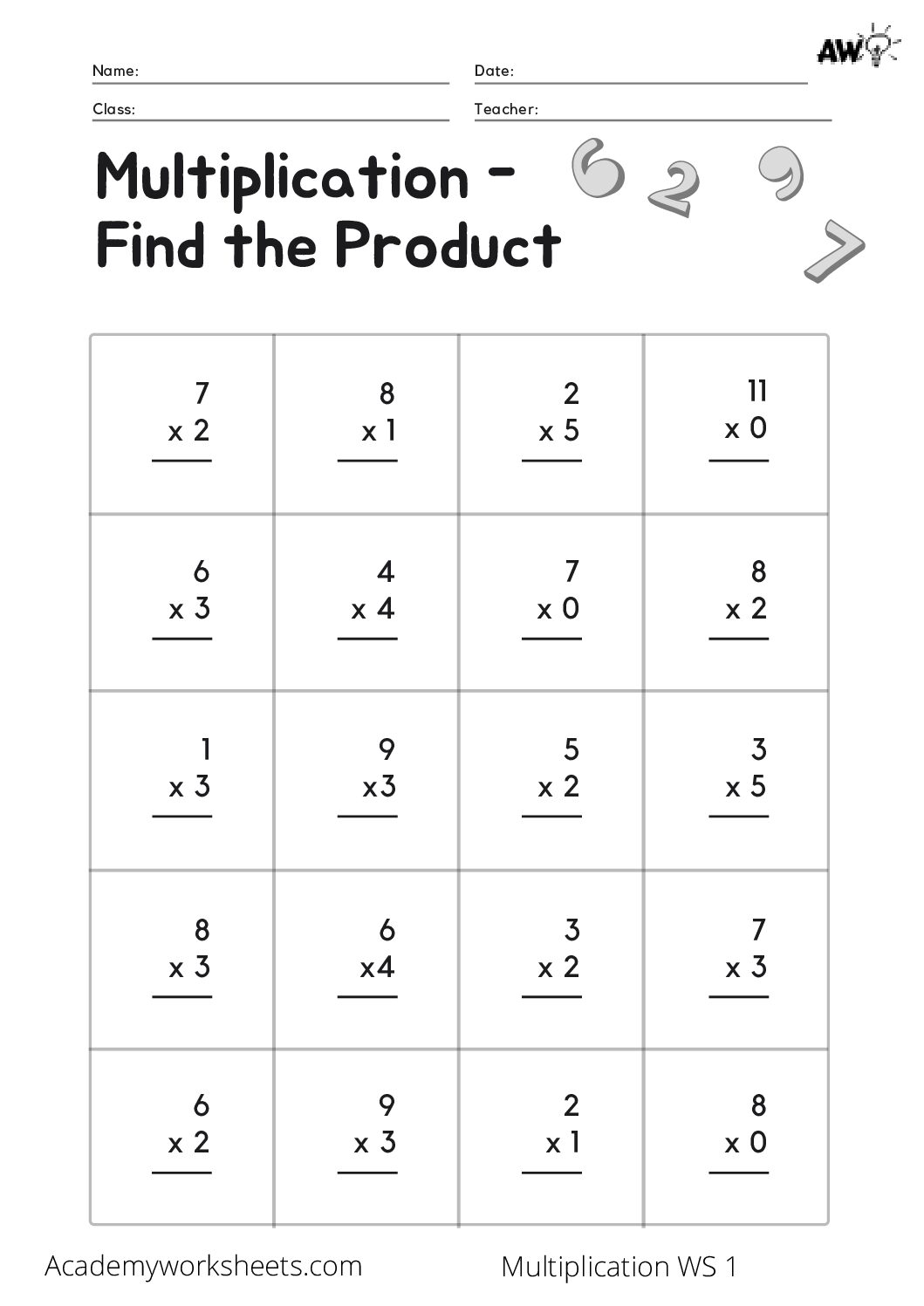
To keep the practice engaging and cater to different learning styles, consider these variations and extensions of Basic Multiplication Fill In Sheets:
- Color-Coded Sheets: Introduce color-coding based on difficulty levels. For example, use red for challenging facts and green for easier ones. This helps students self-select worksheets based on their confidence levels.
- Incorporate Games: Turn the practice into a game. For instance, you can set a timer and see how many problems a student can complete in a given time frame, adding a competitive element.
- Creative Writing: Challenge students to write their own multiplication problems after completing a fill-in sheet. This can deepen their understanding and make learning more interactive.
- Real-Life Applications: Encourage students to find real-world applications of multiplication. Ask them to calculate totals for grocery lists or other everyday scenarios, reinforcing the relevance of their skills.
- Interactive Digital Versions: If possible, consider providing digital versions of the fill-in sheets. This allows students to practice on tablets or computers, catering to those who may prefer technology.
Using Basic Multiplication Fill In Sheets can significantly enhance a student’s understanding of multiplication. By integrating these worksheets into regular practice, monitoring progress, and varying the activities, you’ll create a supportive and effective learning environment.
To get started, print a few sheets today, and customize your teaching approach to meet your students’ needs.