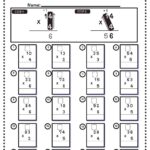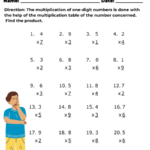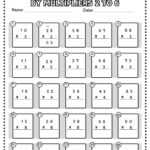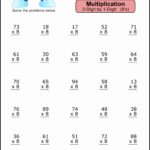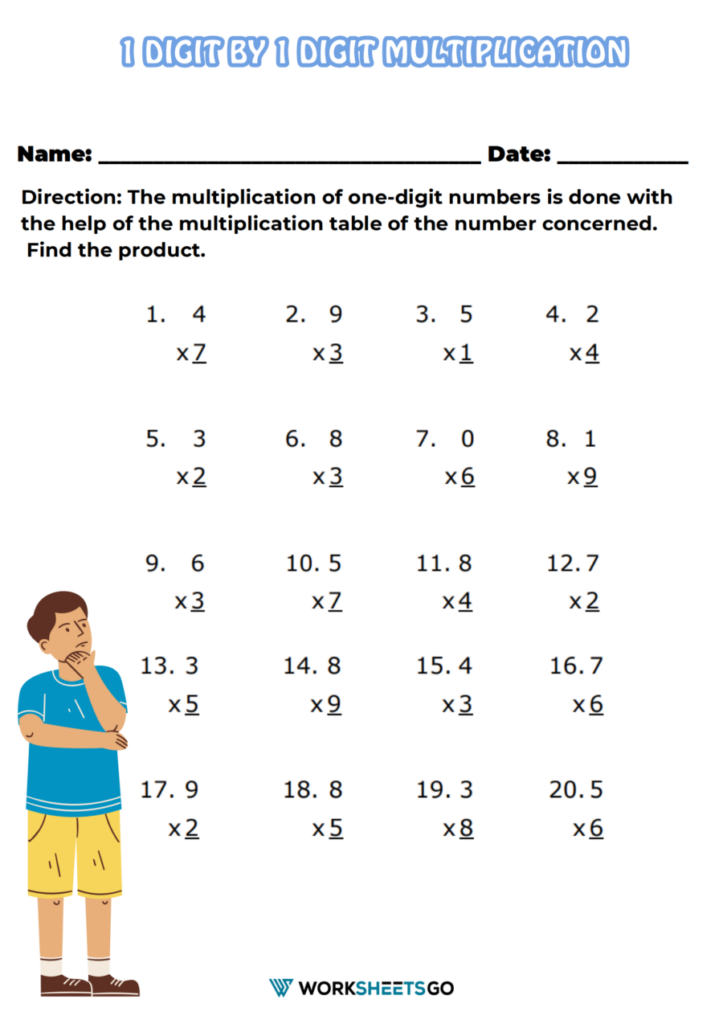
Teaching young learners to master basic math concepts is essential for their academic growth. One effective tool for this purpose is the 1 Digit By 1 Digit Worksheets. These worksheets provide a structured and engaging way for students to practice their single-digit addition and subtraction skills. In this guide, we’ll explore the layout, features, and practical use of these worksheets, helping you understand how to implement them effectively in your classroom or at home.
Understanding the Structure of 1 Digit By 1 Digit Worksheets
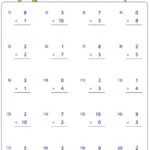
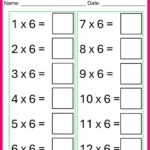
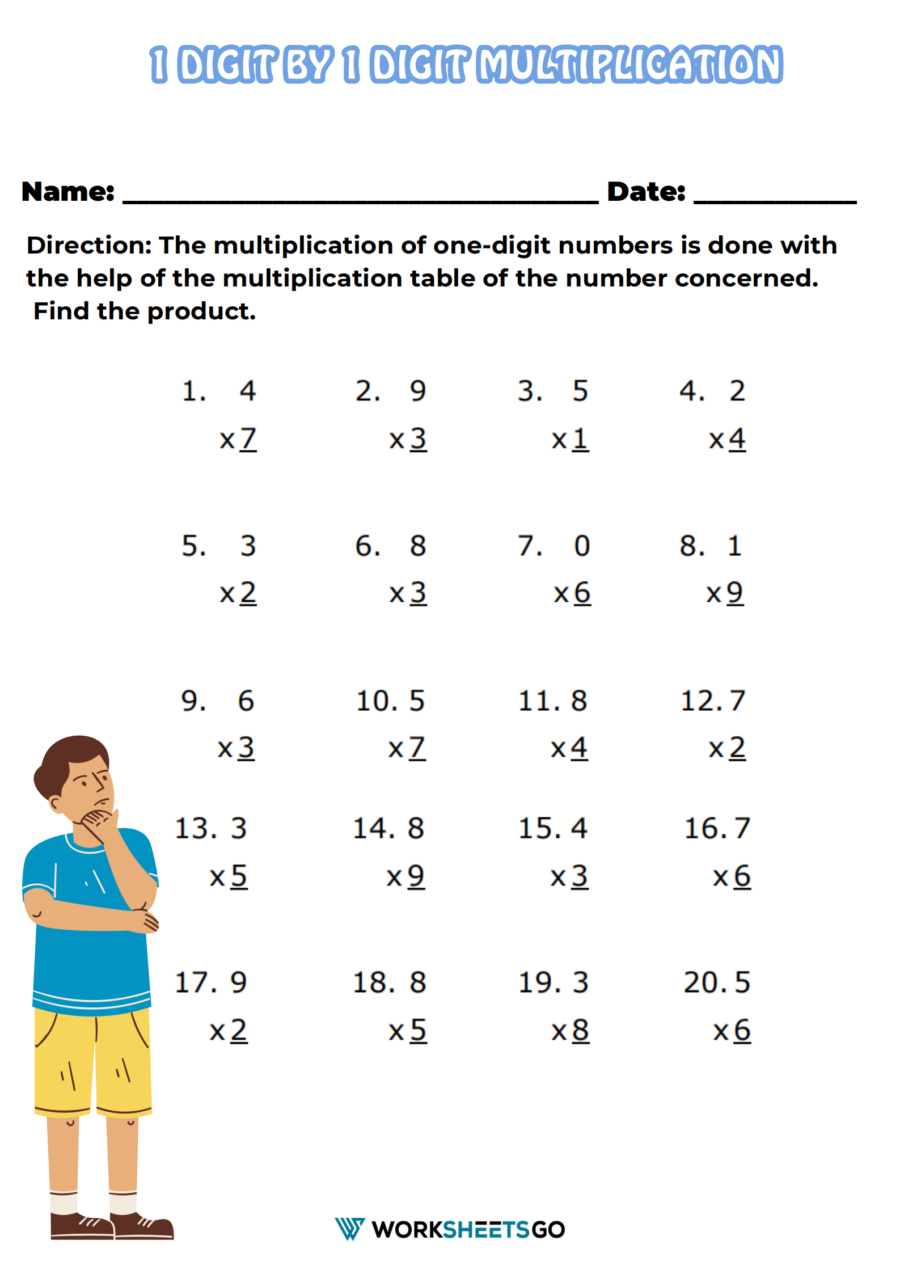
The layout of 1 Digit By 1 Digit Worksheets is intentionally designed for clarity and ease of use. Typically, these worksheets feature:
- Clear Instructions: Each worksheet begins with straightforward directions, ensuring students know what to do. Simple language helps eliminate confusion, particularly for younger students who may struggle with complex phrasing.
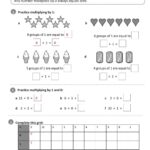
- Visual Elements: Many worksheets incorporate colorful visuals or thematic designs to engage students. These elements make learning more enjoyable and can help maintain a child’s focus.
- Answer Spaces: Ample space is provided for students to write their answers. This design choice accommodates various handwriting styles and helps prevent clutter, allowing students to concentrate on the problems at hand.
The overall format is generally consistent across different worksheets, making it easier for students to transition from one sheet to another without needing to adapt to new layouts.
Skill Development With 1 Digit By 1 Digit Worksheets
Using these worksheets effectively can lead to significant skill development in young learners. Here’s how:
Enhancing Numerical Fluency
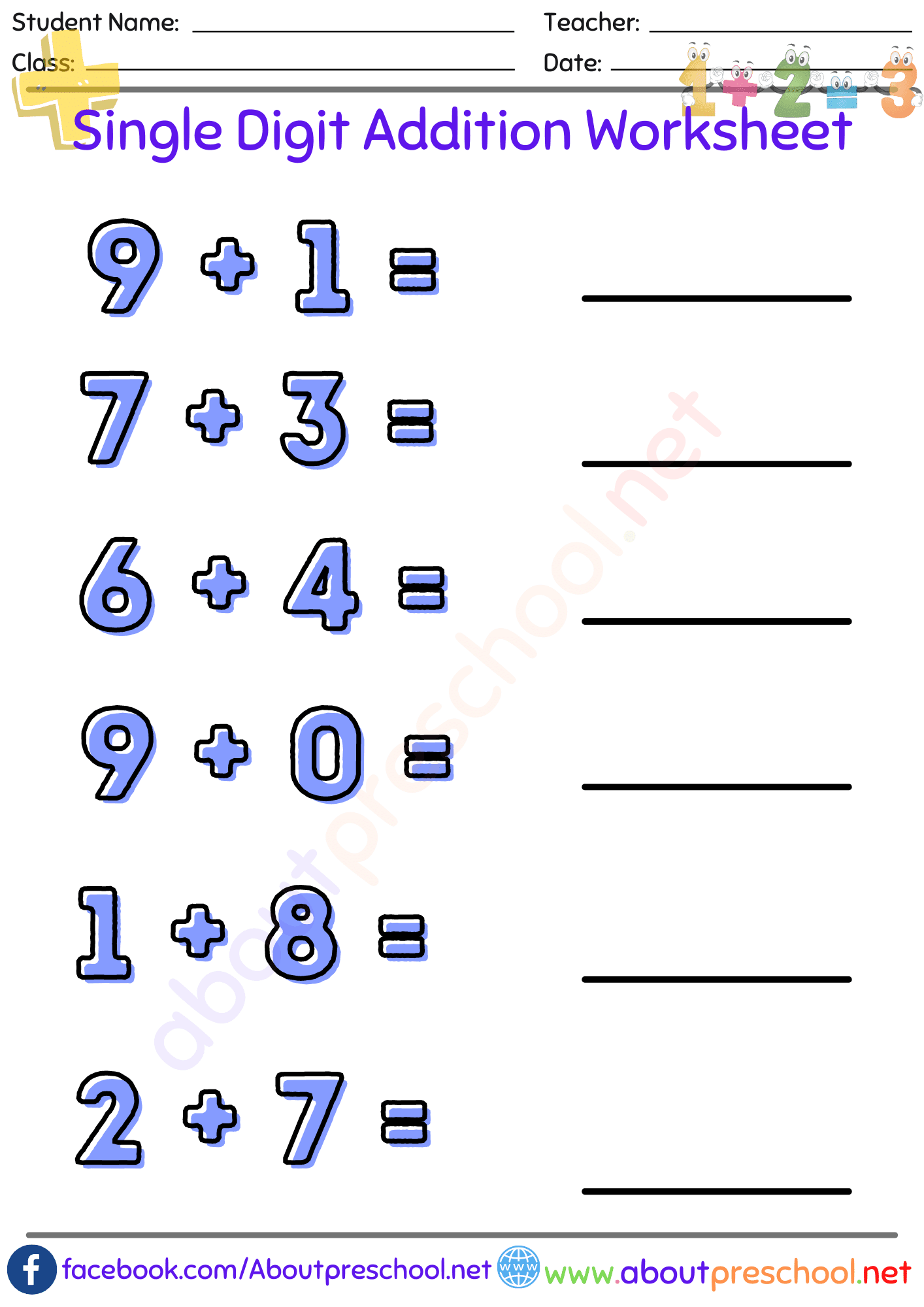
1 Digit By 1 Digit Worksheets focus on single-digit operations, which are foundational for building numerical fluency. Regular practice with these worksheets helps students:
- Recognize numbers quickly.
- Develop mental math skills.
- Increase confidence in their ability to solve problems.
Tracking Progress
As students work through the worksheets, teachers and parents can monitor progress by observing:
- Accuracy: Are students consistently arriving at the correct answers?
- Speed: How quickly can they complete the tasks?
- Engagement: Are they showing interest in the activities?
This kind of monitoring allows for targeted interventions if a child is struggling, ensuring they receive the support they need.
Practical Applications in the Classroom and Home
1 Digit By 1 Digit Worksheets are versatile and can be used in various settings. Here are some practical applications:
Classroom Use
In a classroom setting, these worksheets can be incorporated into daily math routines. Consider using them for:
- Morning Work: Start the day with a few problems to get students thinking mathematically.
- Center Activities: Place worksheets at a math center where students can work independently or in pairs.
- Assessment Tools: Use worksheets to assess students’ understanding before moving on to more complex operations.
Homeschooling and At-Home Learning
For parents who are homeschooling or supporting their children’s education at home, these worksheets can be invaluable. Here’s how you could use them:
- Daily Practice: Set aside a specific time each day for worksheets to establish a consistent routine.
- Supplemental Learning: Pair worksheets with online resources or educational games to reinforce concepts in a fun way.
- Incorporating Rewards: Use a reward system to motivate children. For instance, after completing a set number of worksheets, they can earn a small treat or extra playtime.
Adapting Worksheets for Different Learning Styles
Every child learns differently, and adapting 1 Digit By 1 Digit Worksheets can enhance their effectiveness. Consider the following strategies:
Visual Learners
For students who are visual learners, adding colorful markers or highlighters can help them identify patterns in addition and subtraction. You might also encourage them to draw pictures next to problems to illustrate their understanding.
Kinesthetic Learners
For those who learn by doing, consider using physical objects like counters or blocks alongside the worksheets. This hands-on approach can reinforce the concepts they are learning on paper.
Auditory Learners
Engage auditory learners by reading the problems out loud and discussing the solutions as a group. This can foster collaboration and help them articulate their thought processes.
Finding and Downloading 1 Digit By 1 Digit Worksheets
When looking for 1 Digit By 1 Digit Worksheets, you have several options. Many educational websites offer free or low-cost printable resources. Here are some tips for finding the best worksheets:
- Check for Variety: Look for worksheets that offer a range of problems, from addition to subtraction, to keep the learning experience fresh.
- Ensure Clarity: Choose worksheets that have a clear layout and well-defined instructions.
- Look for Progression: Select resources that allow you to gradually increase the difficulty of the problems as students become more proficient.
Recommended Formats
PDF formats are often the best choice for downloading worksheets. They maintain formatting regardless of the device used to open them, ensuring that the layout remains intact when printed.
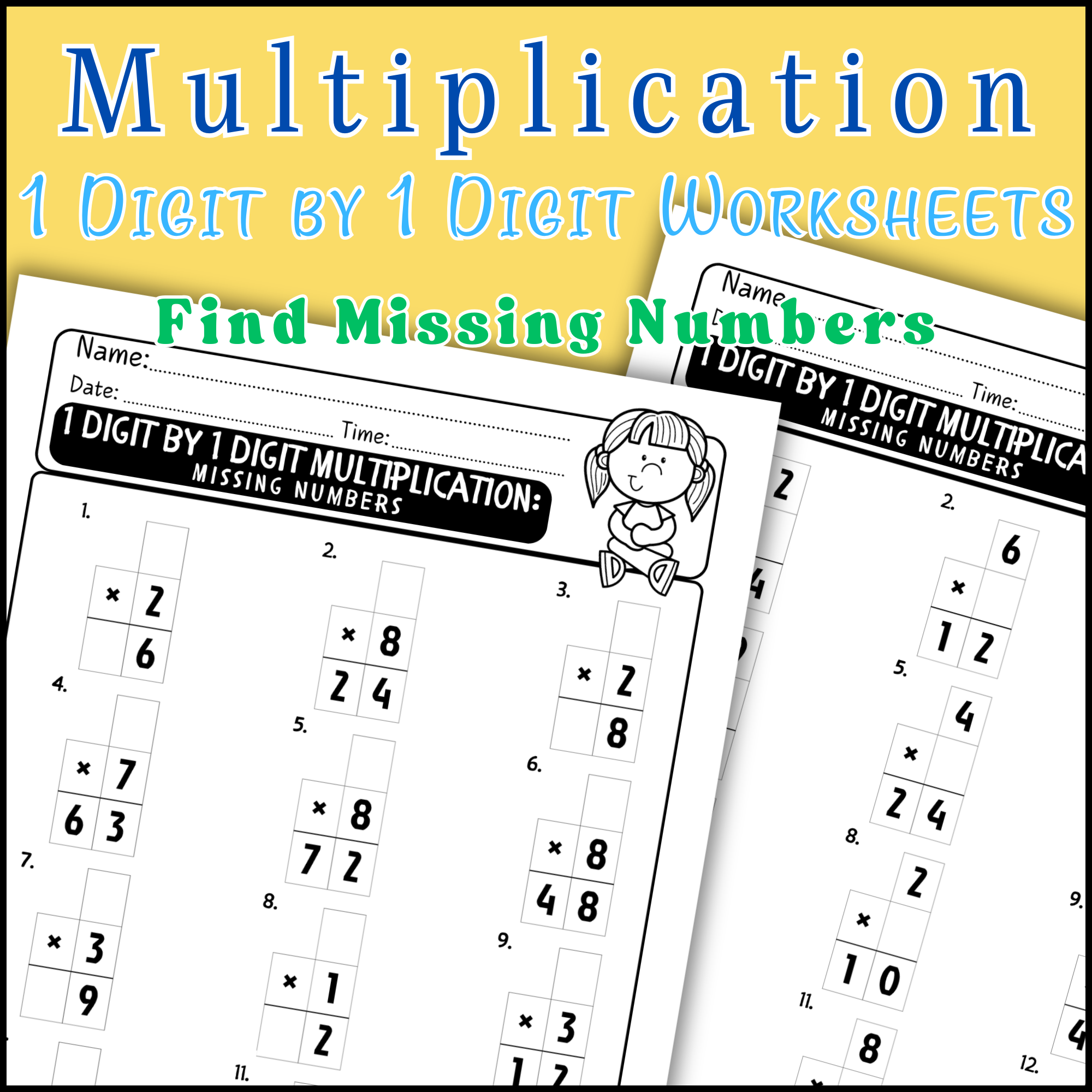
Assessing Mastery of the Concepts
As students work through 1 Digit By 1 Digit Worksheets, it’s crucial to assess their mastery of the concepts. Here are some indicators to look for:
- Consistent Accuracy: If a student is consistently answering questions correctly, that’s a strong sign they understand the material.
- Ability to Explain: Students should be able to explain their thought processes when solving problems, demonstrating a deeper understanding of the concepts.
- Willingness to Tackle Challenges: If students show enthusiasm for attempting more challenging problems, they are likely gaining confidence in their abilities.
Monitoring these indicators will help you determine when a student is ready to progress to the next level of math skills.
The single most useful detail about 1 Digit By 1 Digit Worksheets is that their design encourages engagement and skill mastery, making them an essential resource for both teachers and parents.