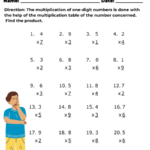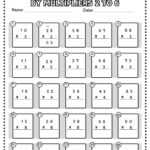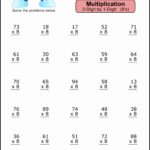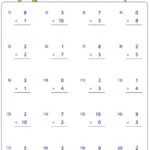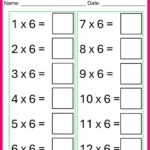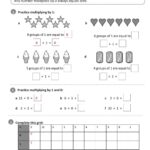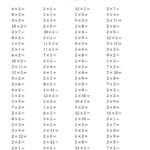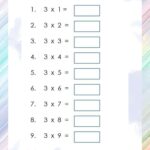
Multiplication is a foundational skill in mathematics, and using 1 & 2 Place Multiplication Worksheets can significantly aid in developing this essential ability. These worksheets are designed to provide students with practice in multiplying one and two-digit numbers, making them suitable for early learners, typically in grades 2 through 4. As a teacher or a parent, you may wonder how best to utilize these resources in your teaching or home practice sessions. This guide will walk you through the key elements of these worksheets, how to integrate them into your lessons, and tips for maximizing their effectiveness.
Understanding 1 & 2 Place Multiplication Worksheets
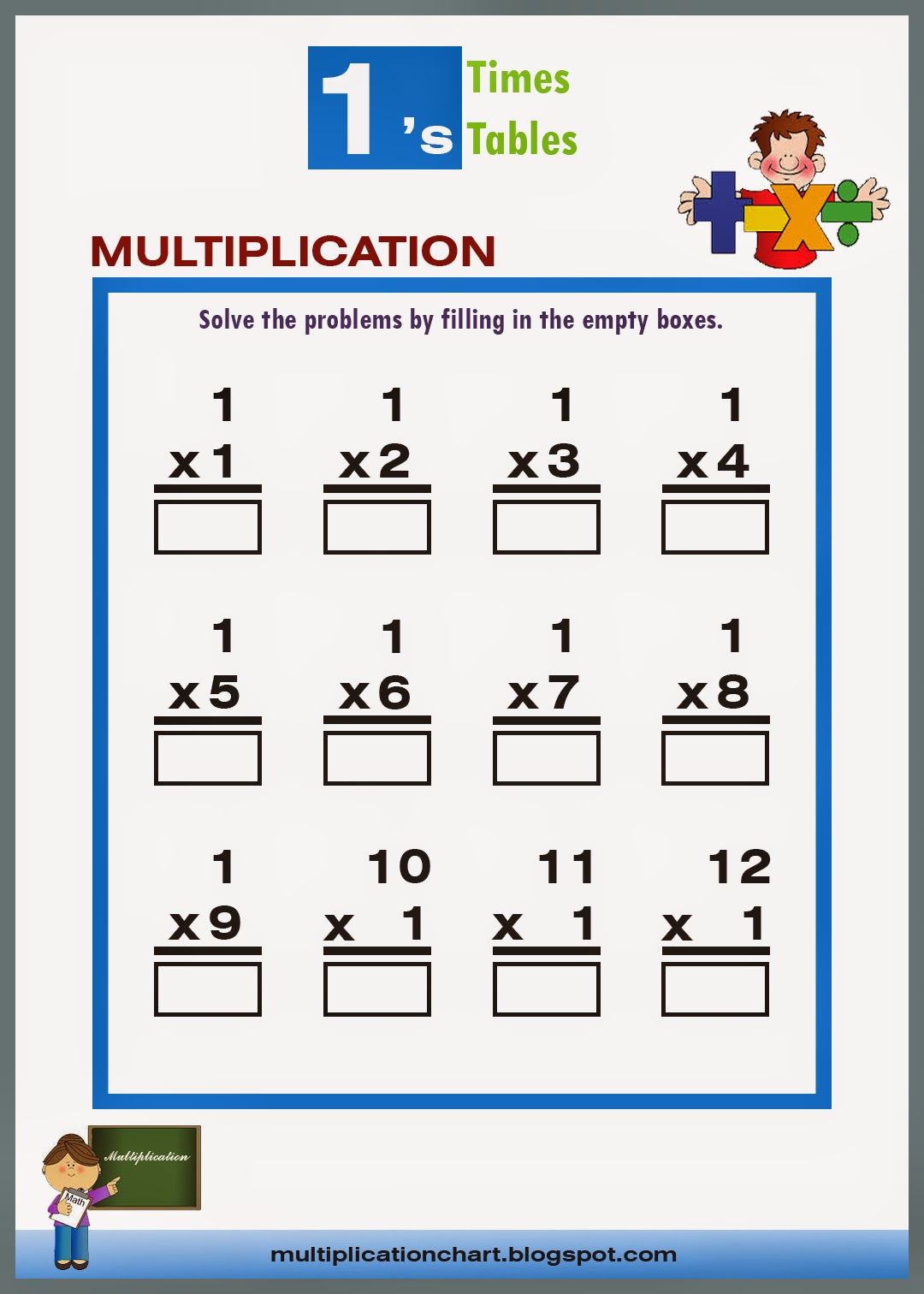
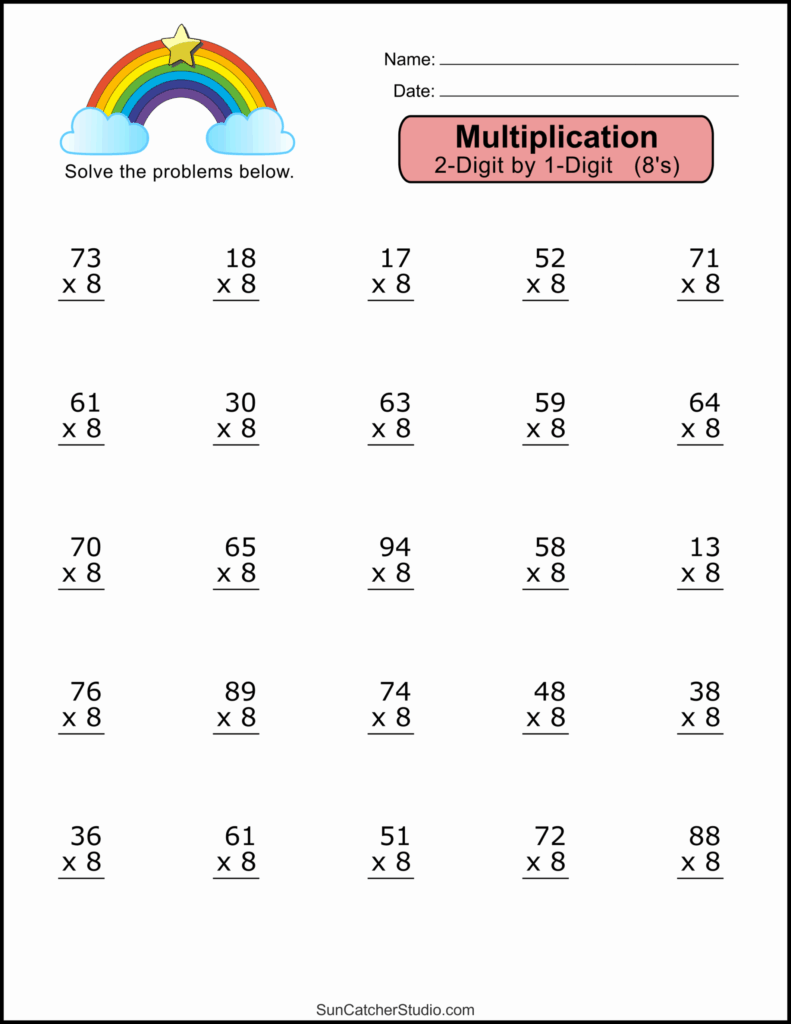
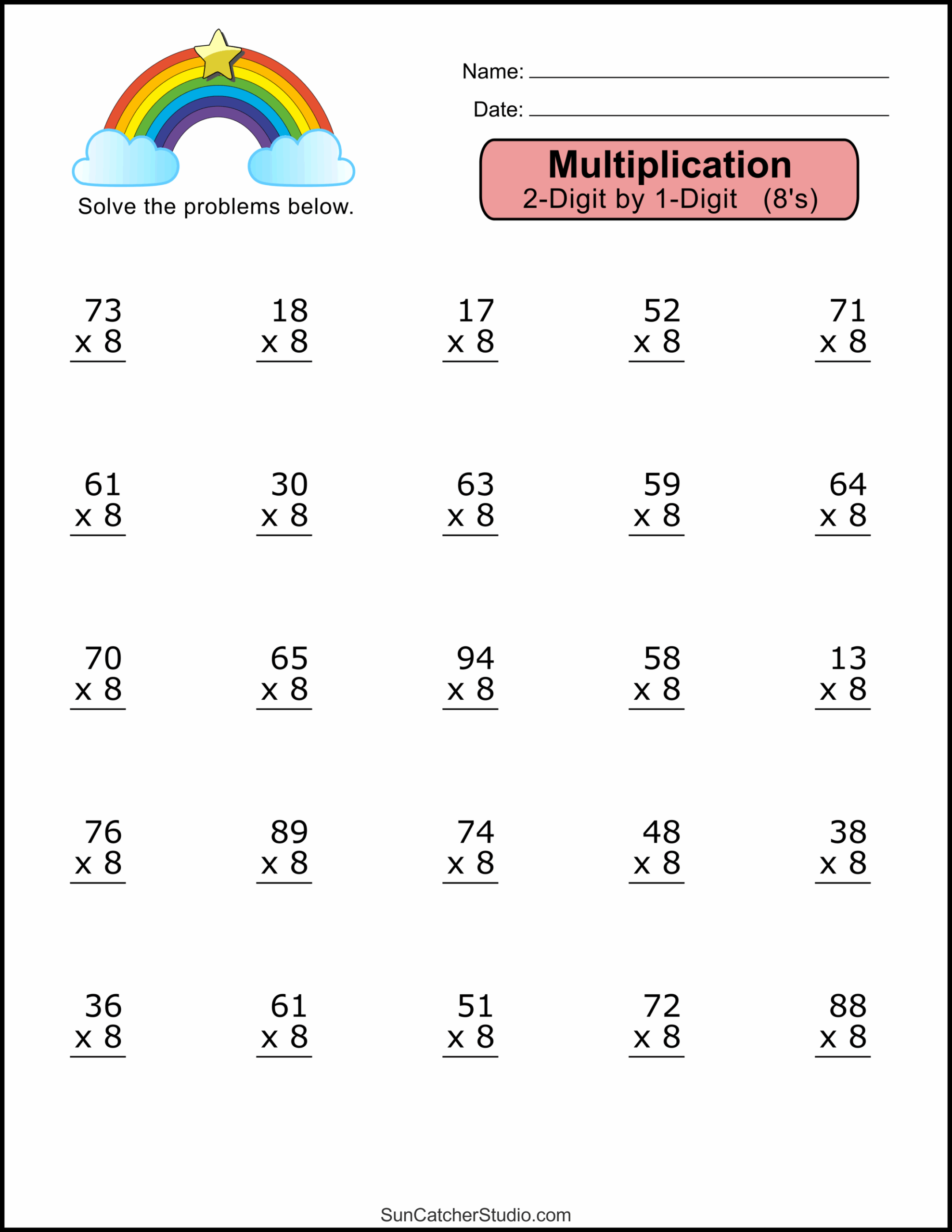
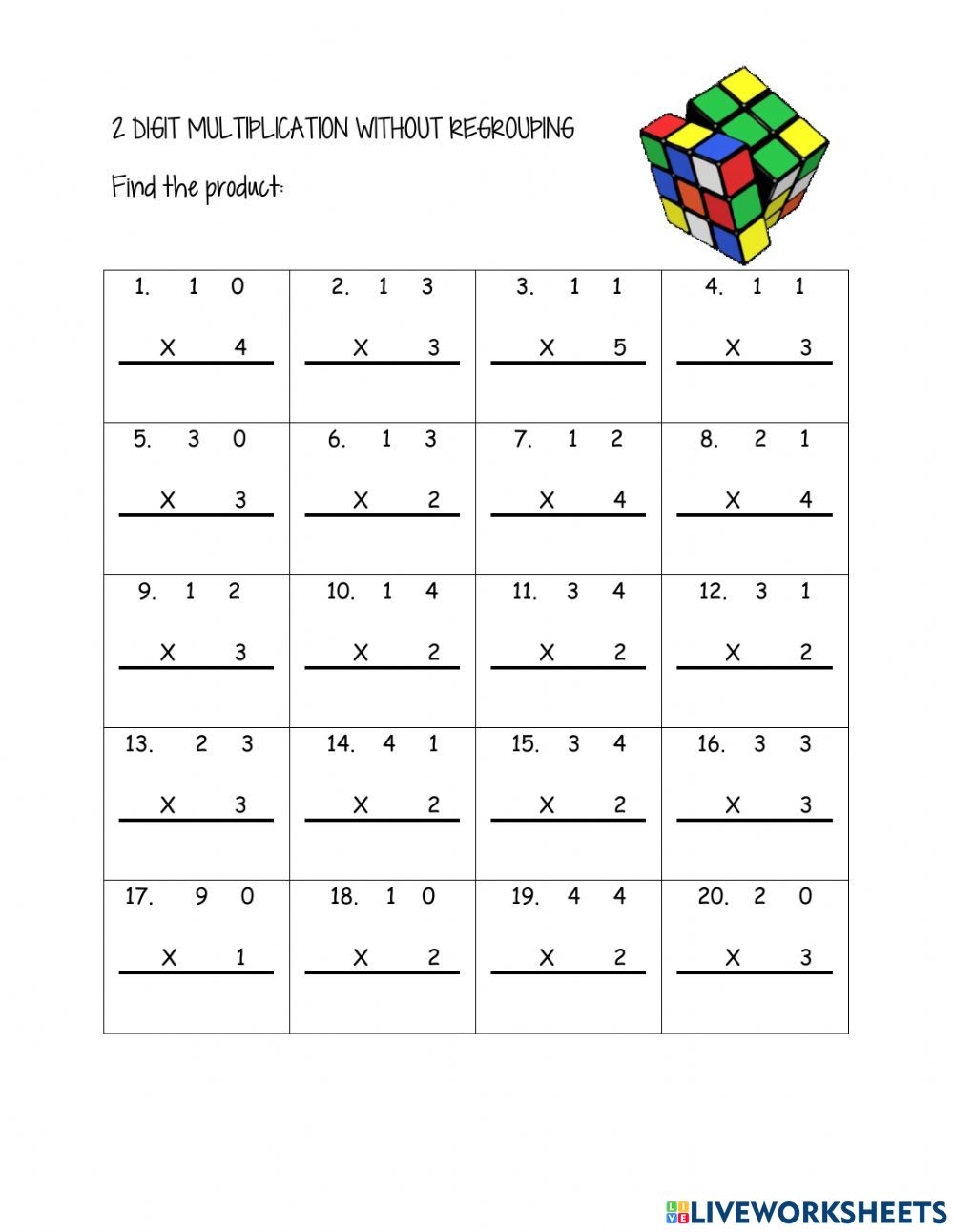
1 & 2 Place Multiplication Worksheets focus on multiplying single-digit numbers by one or two-digit numbers. They are perfect for students who are just starting to grasp multiplication concepts. The worksheets typically include a variety of problems, from simple one-digit multipliers to more challenging two-digit multipliers.
These resources help students practice their skills in a structured format, allowing them to gain confidence as they work through different problems. The worksheets can vary in difficulty, catering to different learning paces and abilities. You’ll find them valuable for reinforcing classroom learning or for home practice.
How to Use the Worksheets Effectively
To make the most of 1 & 2 Place Multiplication Worksheets, consider the following steps:
- Assess Your Students’ Levels: Before distributing the worksheets, assess your students’ current multiplication skills. This will help you choose the appropriate worksheets that match their learning stage. For example, if they are just starting with multiplication, begin with worksheets that focus on one-digit multipliers.
- Incorporate Them into Lesson Plans: Use the worksheets as part of your lessons. After introducing a multiplication concept, provide students with worksheets to reinforce what they’ve learned. This immediate application helps solidify their understanding.
- Provide Time for Independent Work: Allow students to complete the worksheets independently. This encourages them to think critically and apply their knowledge without immediate assistance.
- Review Together: After students complete the worksheets, review the answers as a class. This not only helps clarify any misconceptions but also fosters a collaborative learning environment.
- Use as Homework: Assign these worksheets as homework to give students additional practice outside of school. Ensure you follow up on this homework in the next class to address any difficulties they encountered.
Different Types of Worksheets Available
When searching for 1 & 2 Place Multiplication Worksheets, you’ll encounter various formats and types. Here are some common options:
- Printable Worksheets: These can be easily downloaded and printed. They typically come in PDF format, which ensures consistent formatting across different devices.
- Interactive Worksheets: Some online resources offer interactive versions that can be completed digitally. These can be beneficial for tech-savvy students or those learning remotely.
- Worksheets with Answer Keys: Look for worksheets that include answer keys. These can help you quickly check student progress and understand common mistakes.
- Themed Worksheets: Many worksheets come with themes or illustrations, making them more engaging for young learners. Themes can range from animals to space, which can make multiplication practice more fun.
Tips for Customizing Your Worksheets
To enhance the learning experience, you might want to customize the worksheets. Here are some practical ideas:
- Adjust Difficulty Levels: Combine different worksheets to create a tailored packet for each student. Some may need more practice with one-digit multiplication, while others might benefit from two-digit challenges.
- Add Visual Aids: Consider adding visual aids like number lines or multiplication charts to help students who may struggle with abstract concepts.
- Incorporate Real-World Problems: Create additional problems that relate multiplication to real-life scenarios, such as calculating the total cost of multiple items or the number of pages in several books. This connection can make multiplication more relatable and meaningful.
- Encourage Group Work: Occasionally, let students work in pairs or small groups on the worksheets. This collaboration can lead to discussions about different multiplication strategies and foster peer learning.
Monitoring Progress and Adjusting Instruction
Using 1 & 2 Place Multiplication Worksheets is not just about practice; it’s also about monitoring progress. Here’s how you can do that effectively:
- Track Performance: Keep a record of how students perform on these worksheets. Look for patterns in the types of errors they make to identify common misconceptions.
- Adjust Instruction Accordingly: If you notice that many students struggle with certain types of problems, consider revisiting those concepts in your lessons. You might need to introduce additional strategies or tools to help them.
- Celebrate Success: Acknowledge improvements and successes. This can be done through verbal praise or rewards, encouraging students to continue their hard work and dedication to mastering multiplication.