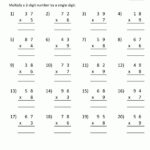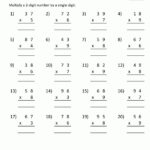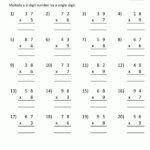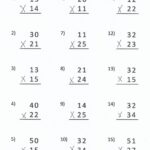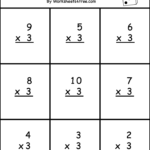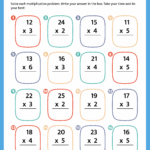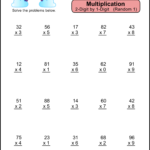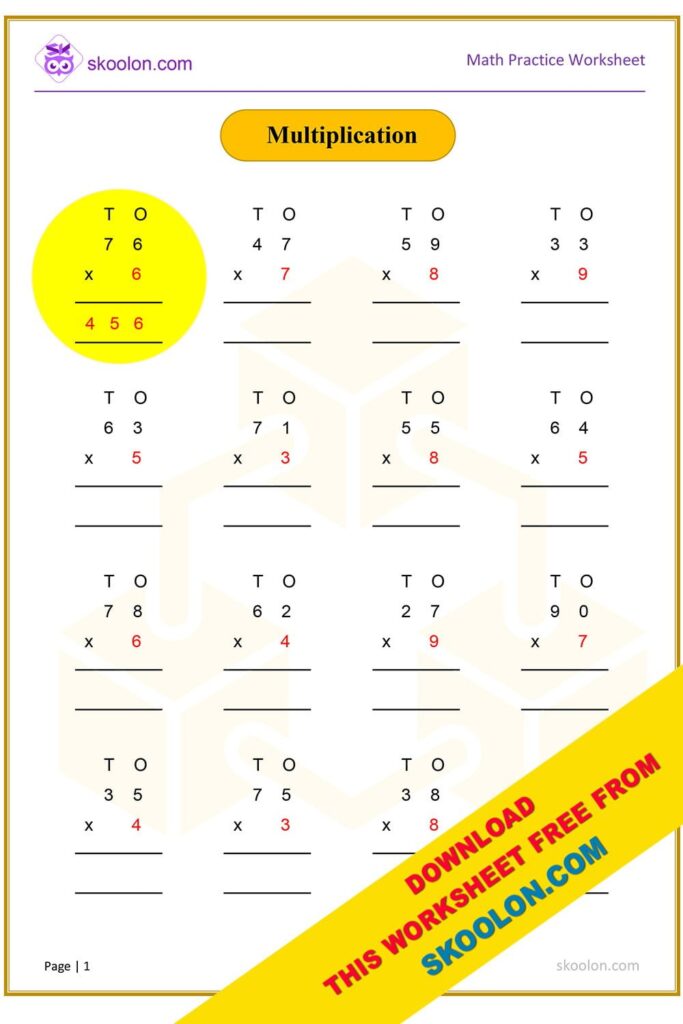
When teaching multiplication to third graders, a well-structured worksheet can make all the difference. The Worksheet For Multiplication Class 3 is designed specifically to help students grasp multiplication concepts while keeping them engaged. This age group typically begins to solidify their understanding of basic multiplication, and a focused resource can aid in tracking their progress effectively.
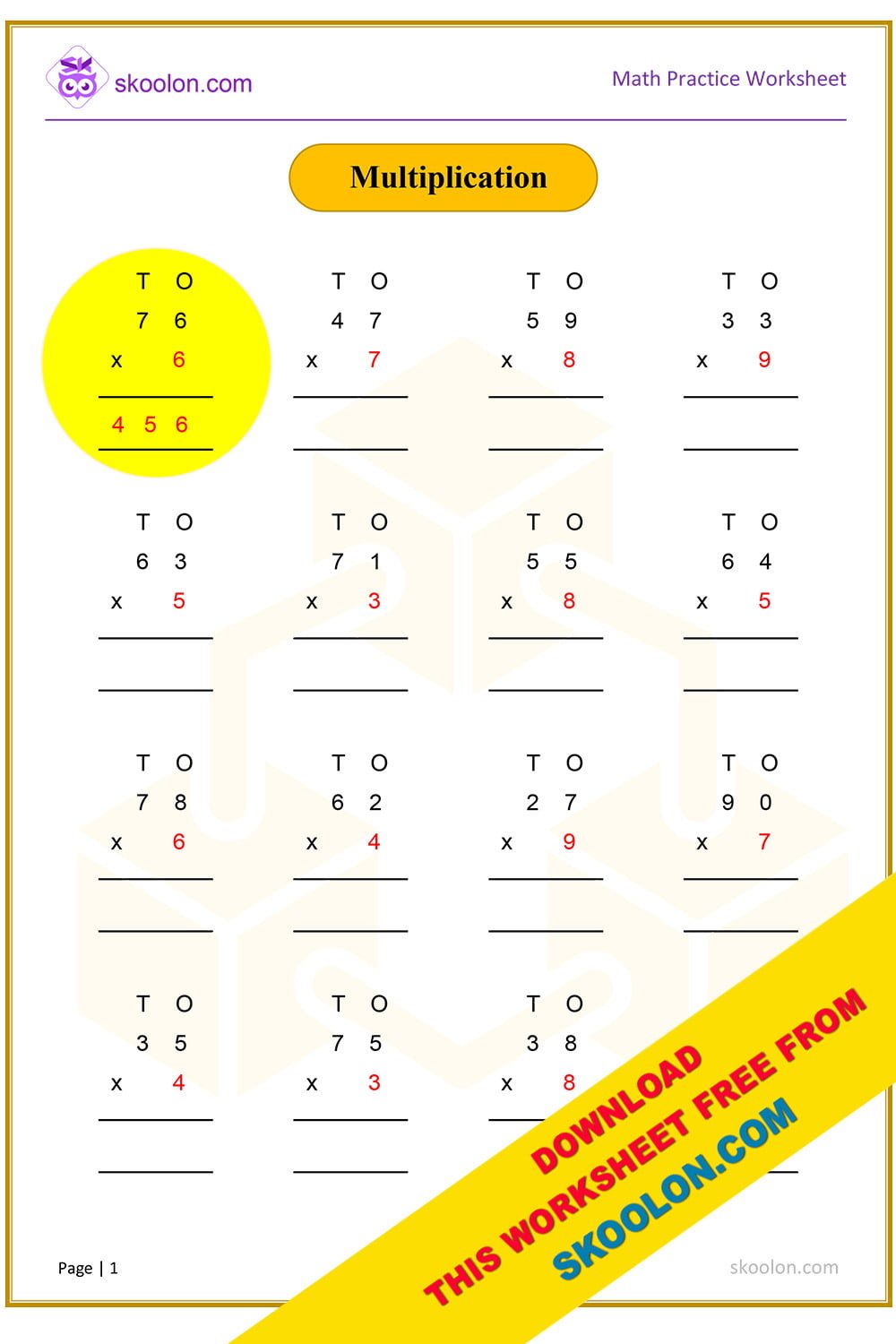
Understanding Multiplication Concepts
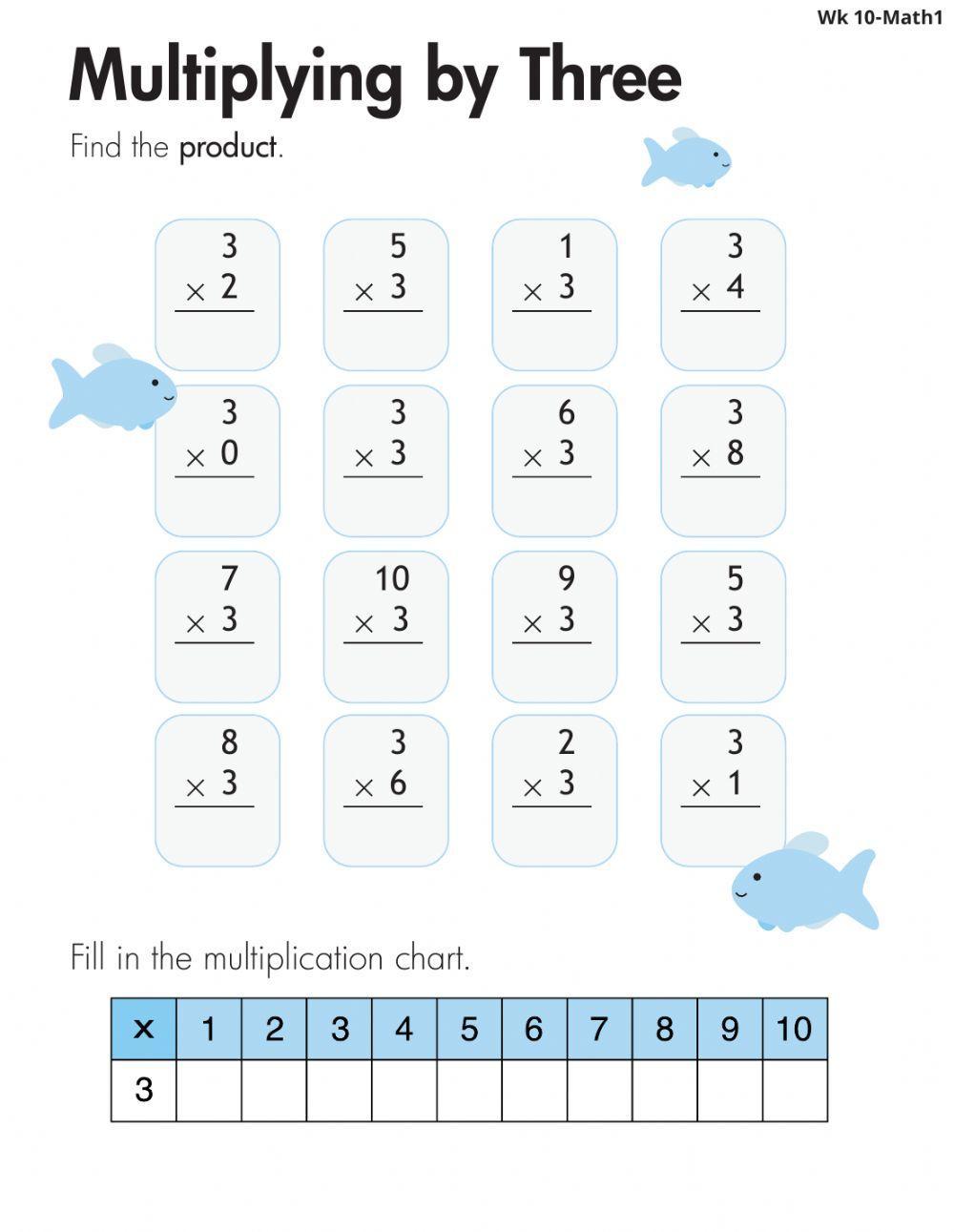
Multiplication is a foundational math skill that builds on addition concepts. By the time students reach third grade, they should understand that multiplication is essentially repeated addition. For instance, 4 x 3 means adding 4 three times (4 + 4 + 4). Worksheets that incorporate visual aids, such as arrays or grouping, can help students visualize these concepts better.
In your classroom or homeschool setting, you might introduce multiplication through hands-on activities before transitioning to worksheets. This could involve using counters, drawing pictures, or employing manipulatives. Once students feel comfortable, the Worksheet For Multiplication Class 3 can reinforce these skills.
Features of the Worksheet
The Worksheet For Multiplication Class 3 typically includes several key features:
- Variety of Problems: Expect to find a mix of straightforward multiplication problems, word problems, and visual representations. This variety keeps students engaged and caters to different learning styles.
- Answer Key: A well-prepared worksheet will often come with an answer key, allowing you to quickly assess student understanding.
- Printable Format: Most worksheets are available in PDF format, which is ideal for easy printing without format issues. You can print them in standard letter size (8.5 x 11 inches) for convenience.
Best Practices for Using the Worksheet
To maximize the effectiveness of the Worksheet For Multiplication Class 3, consider the following best practices:
- Preparation: Before handing out the worksheet, review the multiplication concepts with your students. This could involve a quick recap or a fun multiplication game.
- Printing Options: For optimal results, print the worksheet using a color printer if it includes visuals. Portrait layout is generally best, as it fits well on standard paper sizes. If you want something more durable, consider using cardstock.
- Setup: Ensure that students have all necessary materials at their desks, including pencils, erasers, and possibly colored pencils for any visual elements. This setup will minimize distractions and maximize focus.
Tracking Progress With Worksheets
Using the Worksheet For Multiplication Class 3 is not just about practicing multiplication; it’s also about tracking students’ progress. As students complete their worksheets, take note of common mistakes or areas where they excel. You can do this by:
- Reviewing Worksheets: After students complete their worksheets, review them together. Highlight correct answers and discuss any errors, focusing on the underlying concepts.
- Frequent Assessments: Incorporate these worksheets as part of regular assessments. You might collect them weekly or bi-weekly to monitor growth and understanding.
- Feedback: Providing feedback on their worksheets can reinforce learning. Consider using stickers or positive notes for encouragement.
Adapting Worksheets for Diverse Learners
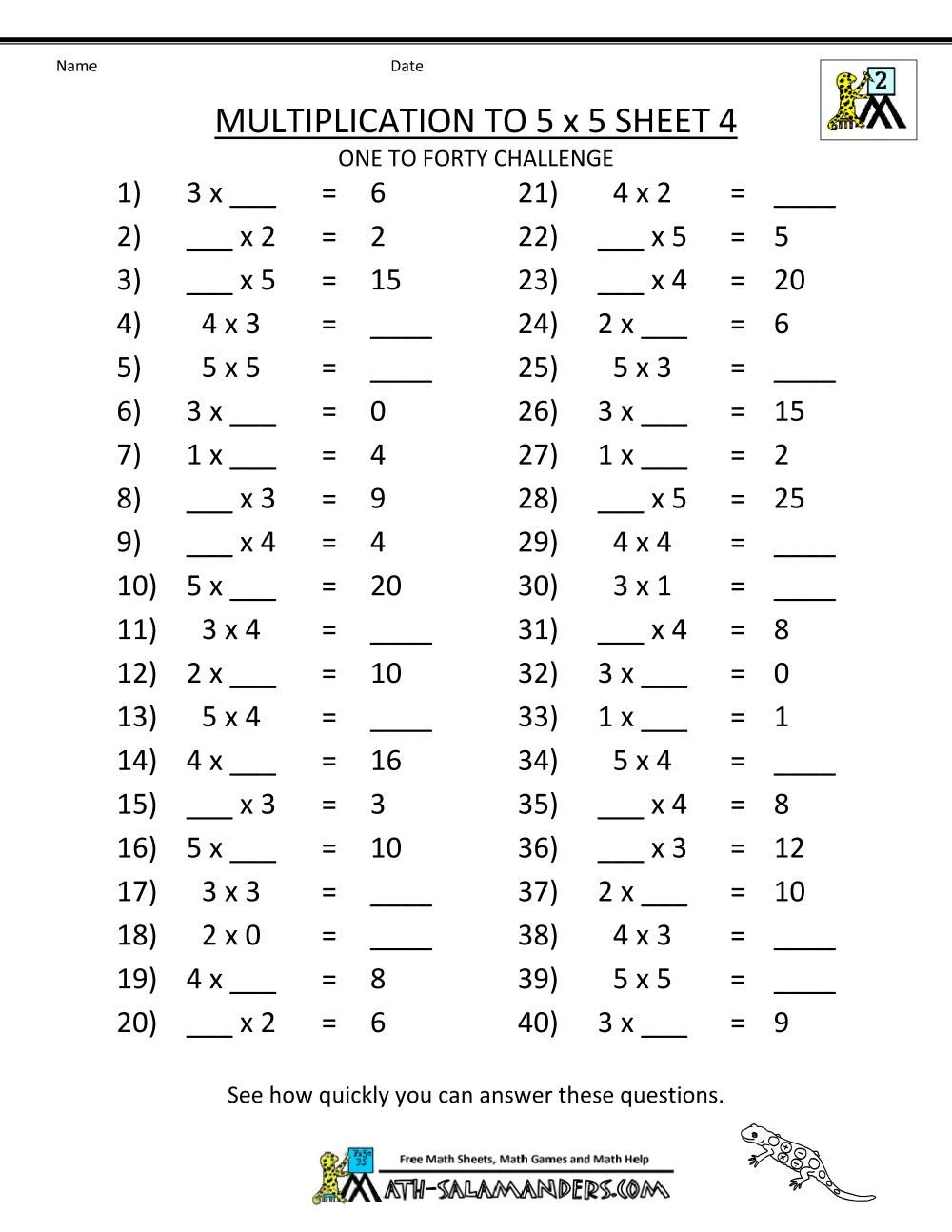
In any classroom, students will have varying levels of understanding and skill. The Worksheet For Multiplication Class 3 can be adapted to meet these diverse needs. Here are a few strategies to consider:
- Differentiated Levels: Offer different versions of the worksheet—some with simpler problems and some with more challenging tasks. This way, each student can work at their own pace.
- Collaborative Learning: Pair students together to complete the worksheet. This peer interaction can foster discussion and help students explain their thought processes to one another.
- Extension Activities: For students who master multiplication quickly, consider providing extension activities, such as creating their own word problems or exploring multiplication in real-world contexts.