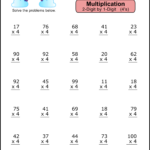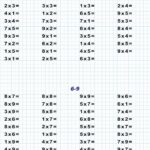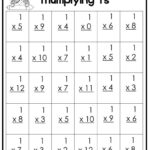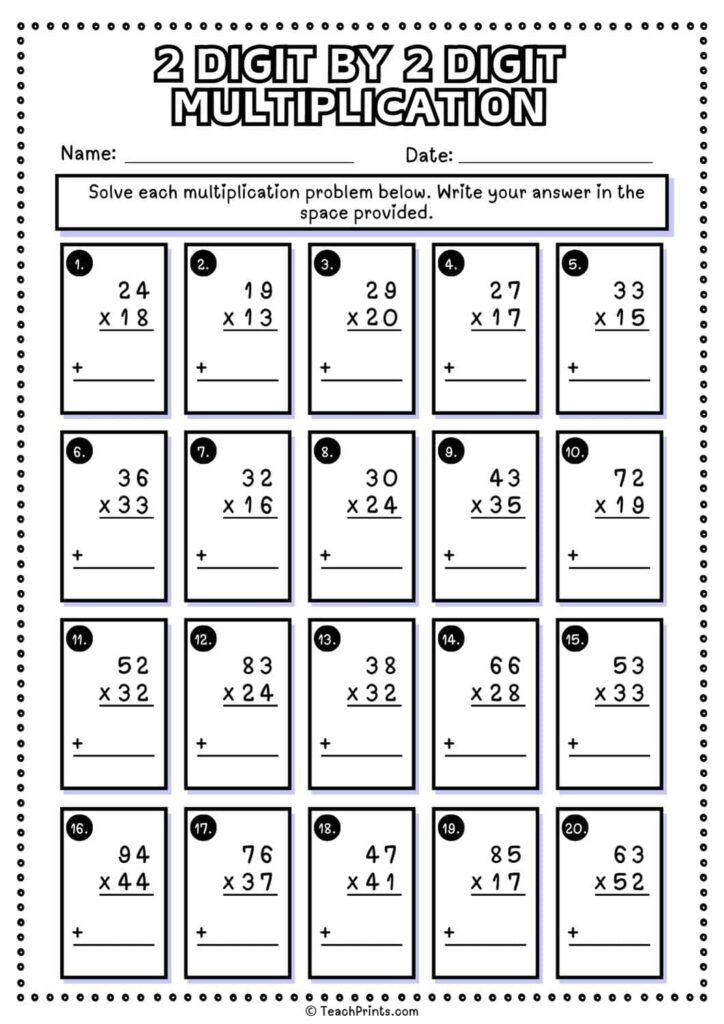
Two-digit multiplication can be a challenging concept for many students. This is where Two Digit Times Two Digit Multiplication Worksheets come in handy. These worksheets are specifically designed to simplify the learning process, providing structured practice that can help students build their confidence and proficiency in multiplication. Unlike generic worksheets, these resources focus on the unique challenges of multiplying two-digit numbers, making them an essential tool for teachers and homeschooling parents.
Understanding the Importance of Two-Digit Multiplication
Multiplying two-digit numbers is a fundamental skill that students typically encounter in the 3rd to 5th grades. Mastery of this skill not only lays the groundwork for more advanced math concepts but also enhances problem-solving abilities. The need for effective practice is crucial, as many students struggle with carrying numbers and maintaining accuracy in their calculations.
Using Two Digit Times Two Digit Multiplication Worksheets can help mitigate these frustrations. By offering a variety of problems, these worksheets provide students with the repetition they need to become comfortable with the process. They also help teachers assess student understanding and identify areas that require additional focus.
Types of Worksheets Available
When selecting Two Digit Times Two Digit Multiplication Worksheets, educators should consider the variety of formats available. Here are some common types:
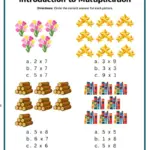
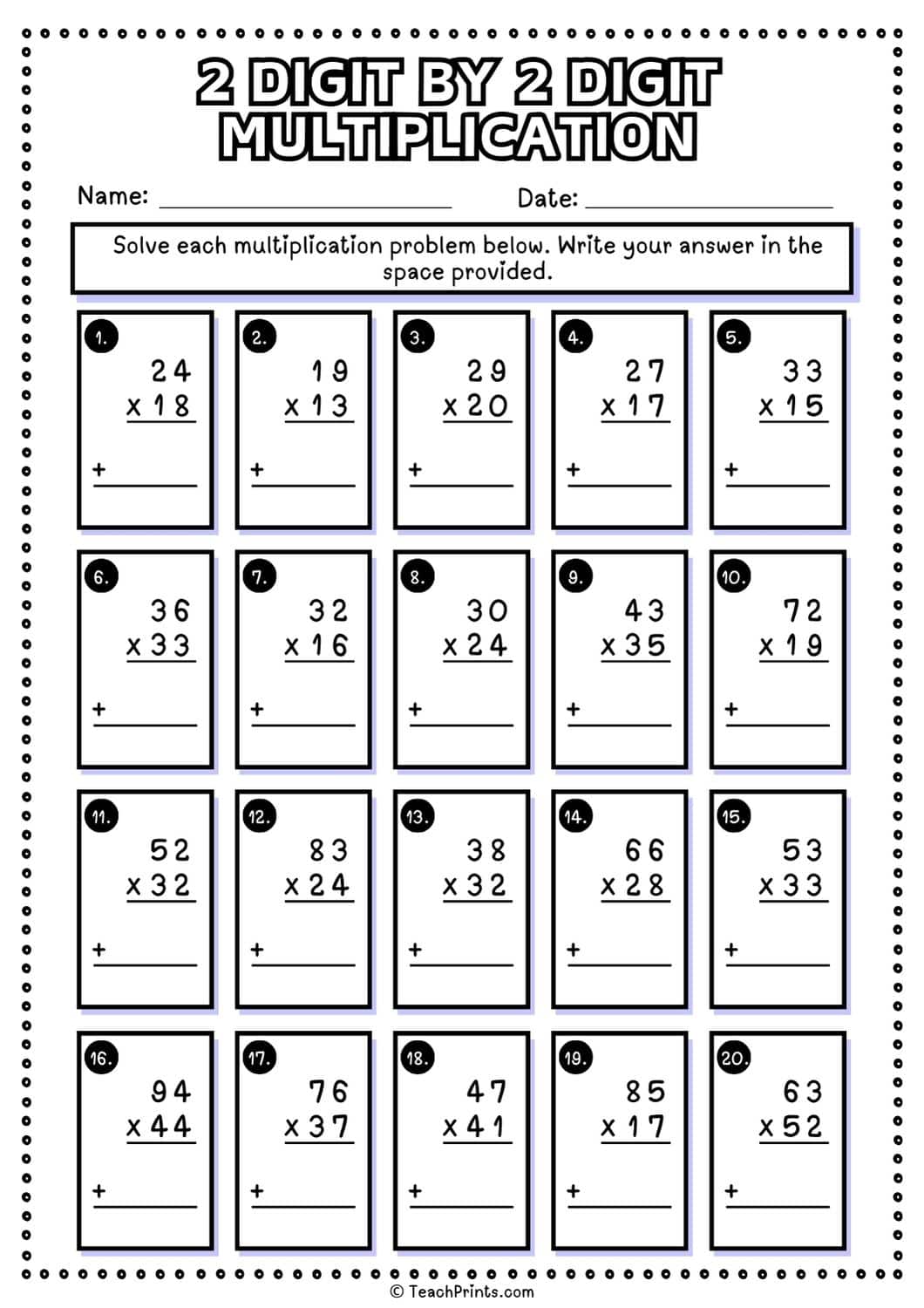
- Standard Problems: These worksheets feature straightforward multiplication problems focusing on the mechanics of multiplication.
- Word Problems: Incorporating real-world scenarios, these worksheets challenge students to apply their multiplication skills in context.
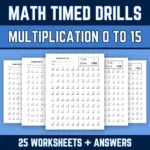
- Timed Tests: Designed to improve speed and efficiency, these worksheets encourage students to solve problems within a set time limit.
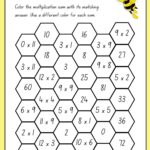
- Color-Coded Worksheets: Utilizing colors to differentiate between problem types, these worksheets can help keep students engaged and organized.
Each format serves a different purpose and can be selected based on the specific needs of students.
Printing and Preparation Tips
Before distributing worksheets to students, it is essential to prepare them for effective use. Here are some practical tips for printing and organizing your worksheets:
- Paper Size: Standard 8.5″x11″ paper is suitable for most worksheets. However, consider using larger sheets for younger students who might benefit from more space to work with.
- Portrait vs. Landscape: Portrait layout works well for most worksheets. However, for those with larger problems, landscape may be preferable to allow ample space for calculations.
- Cardstock vs. Regular Paper: If the worksheets are intended for repeated use, consider printing on cardstock. This material holds up better, especially if you plan to laminate the worksheets for durability.
- Bulk Printing: For classroom settings, print multiple copies at once. This not only saves time but also ensures that each student has access to the same resources.
Handling Answer Keys
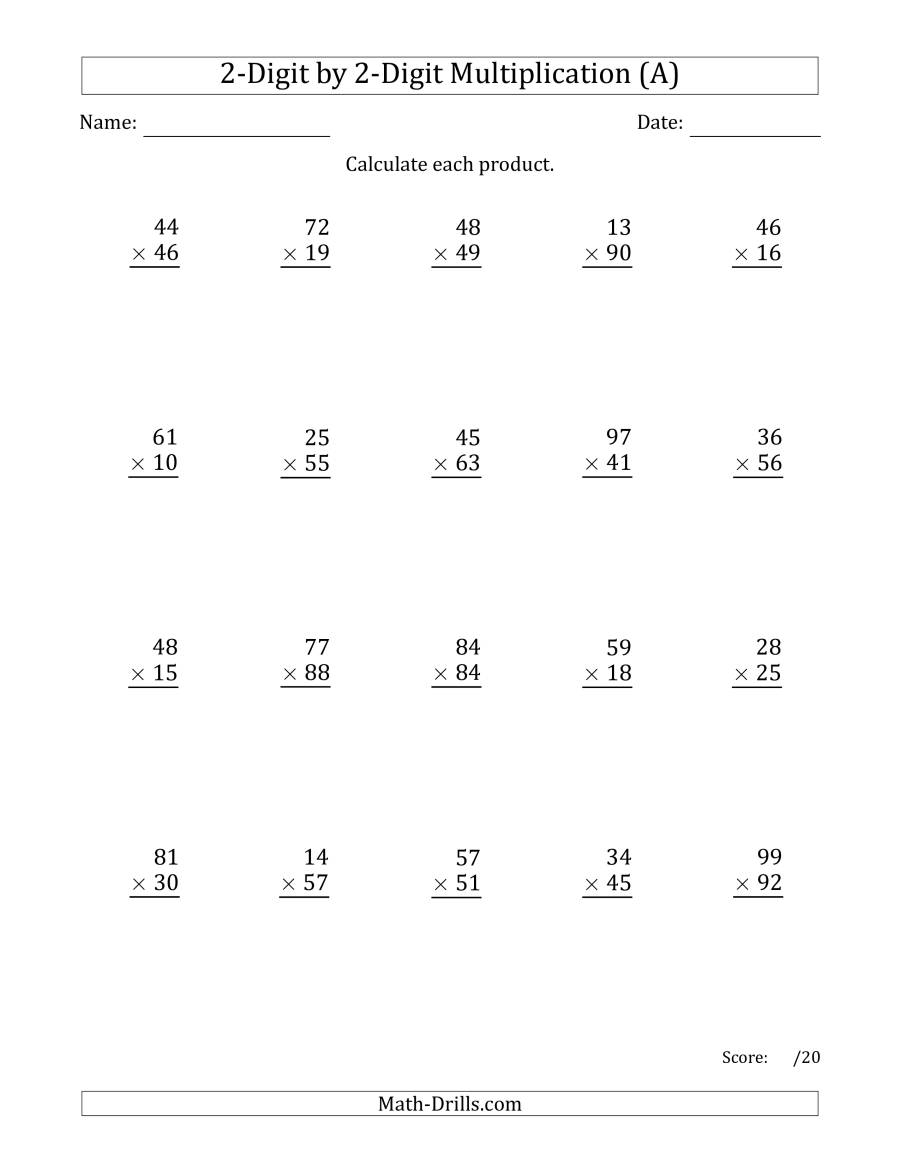
Providing an answer key can significantly enhance the learning experience. Teachers can use answer keys for quick grading or self-assessment. Here are some ways to effectively manage answer keys:
- Separate Document: Keep the answer key in a separate document to avoid confusion during student use. This allows students to attempt problems without the immediate temptation to check answers.
- Digital Access: If the worksheets are distributed digitally, consider providing the answer key in a password-protected format. This can help maintain the integrity of the worksheets while still allowing for easy access.
- Use for Review: After students have completed their worksheets, use the answer key to facilitate review sessions. This can help clarify common mistakes and reinforce correct methods.
Grading and Assessment Strategies
Assessing student performance on Two Digit Times Two Digit Multiplication Worksheets can be streamlined with a few practical strategies. Here are some suggestions for effective grading:
- Quick Checks: Implement a system for quick checks where students can mark their own work using the answer key. This encourages accountability and self-assessment.
- Focus on Progress: Rather than only grading based on correct answers, consider evaluating students on their progress over time. This can provide a more holistic view of student understanding.
- Feedback: Provide constructive feedback on common errors. Highlighting specific areas for improvement can guide students in their future practice.
Engaging Students With Interactive Elements
Making multiplication practice engaging can be a challenge, but incorporating interactive elements can help. Here are some ideas to enhance the learning experience:
- Group Work: Encourage students to work in pairs or small groups on their worksheets. This collaboration can foster discussion and help students learn from each other.
- Incorporate Technology: Use educational software or apps that align with the worksheets. This can provide students with additional practice and immediate feedback on their performance.
- Gamification: Turn worksheet completion into a game. Set up competitions or rewards for completing a certain number of problems, which can motivate students to engage more fully with the material.
Final Considerations for Using Worksheets
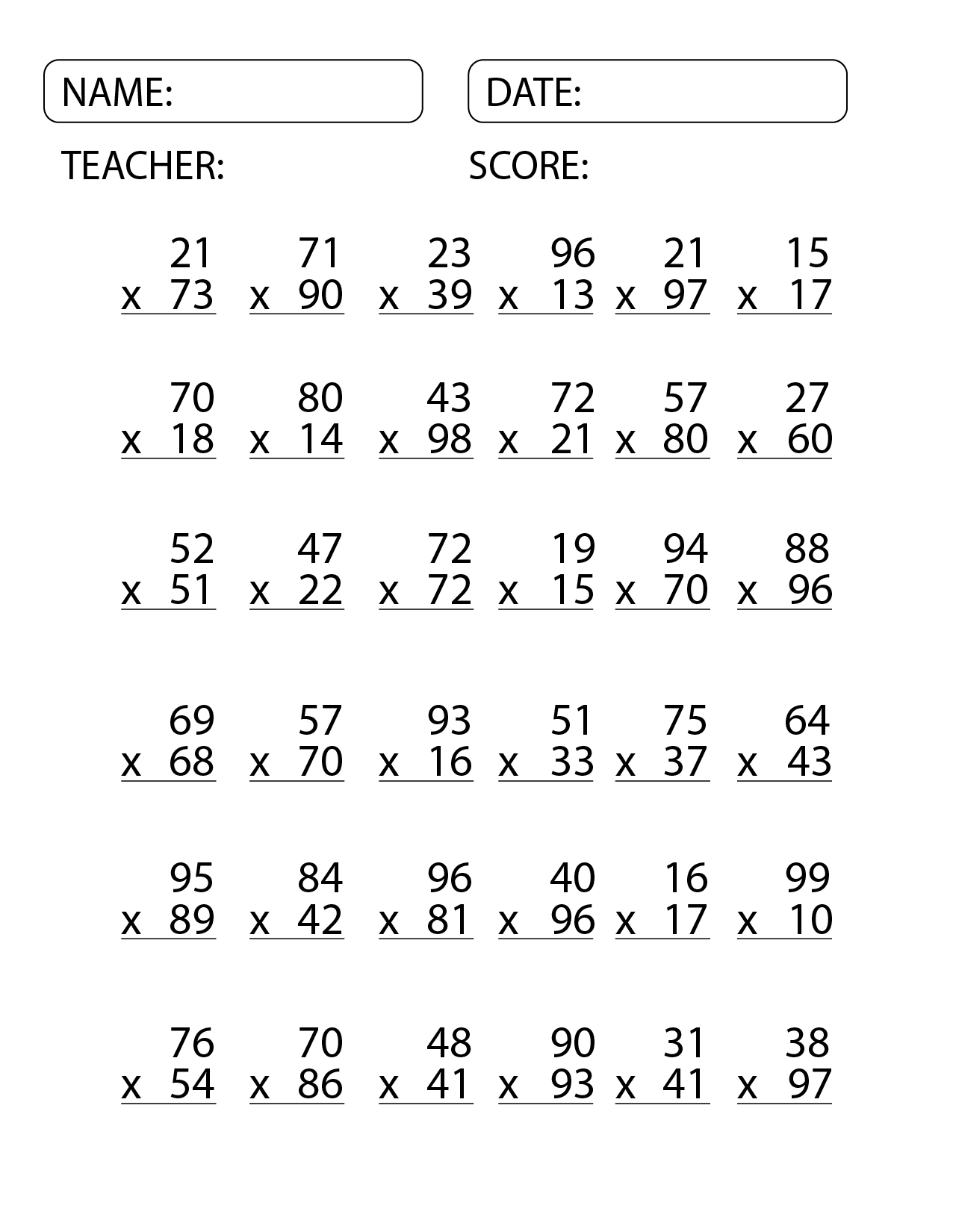
While Two Digit Times Two Digit Multiplication Worksheets are invaluable resources, there are some considerations to keep in mind. Ensure that the worksheets match the students’ skill levels to avoid frustration. Additionally, be aware of the varying learning styles within your classroom. Some students may benefit from visual aids or manipulatives alongside their worksheets.
Finally, it’s essential to periodically review and update the worksheets to keep them relevant and aligned with curriculum changes. This adaptability will ensure that the resources remain effective tools for teaching multiplication skills.
In summary, Two Digit Times Two Digit Multiplication Worksheets are an effective means of enhancing students’ multiplication skills. By selecting the right types of worksheets, preparing them thoughtfully, and utilizing effective assessment strategies, teachers can create a supportive learning environment that fosters mathematical understanding and confidence.