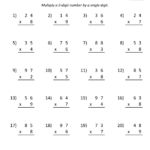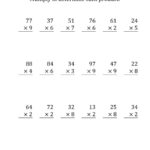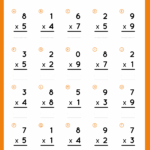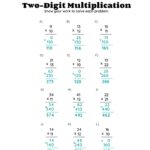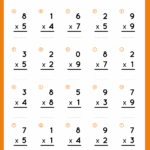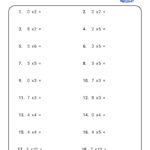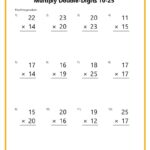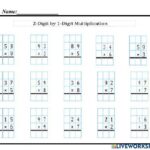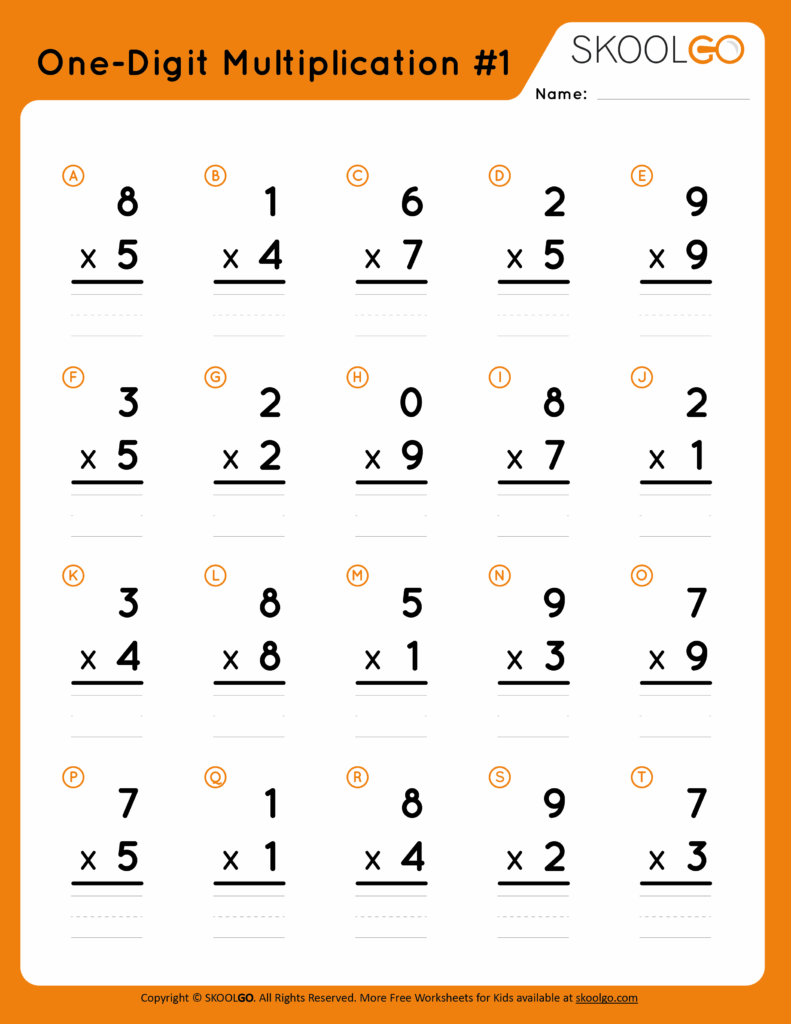
Multiplying single digit numbers is a fundamental skill in early mathematics that sets the foundation for more complex operations. These worksheets are designed to help students practice and master multiplication through engaging exercises. If you are teaching in a classroom or homeschooling, using Multiplying Single Digit Numbers Worksheets can streamline your lesson planning and provide students with valuable practice.
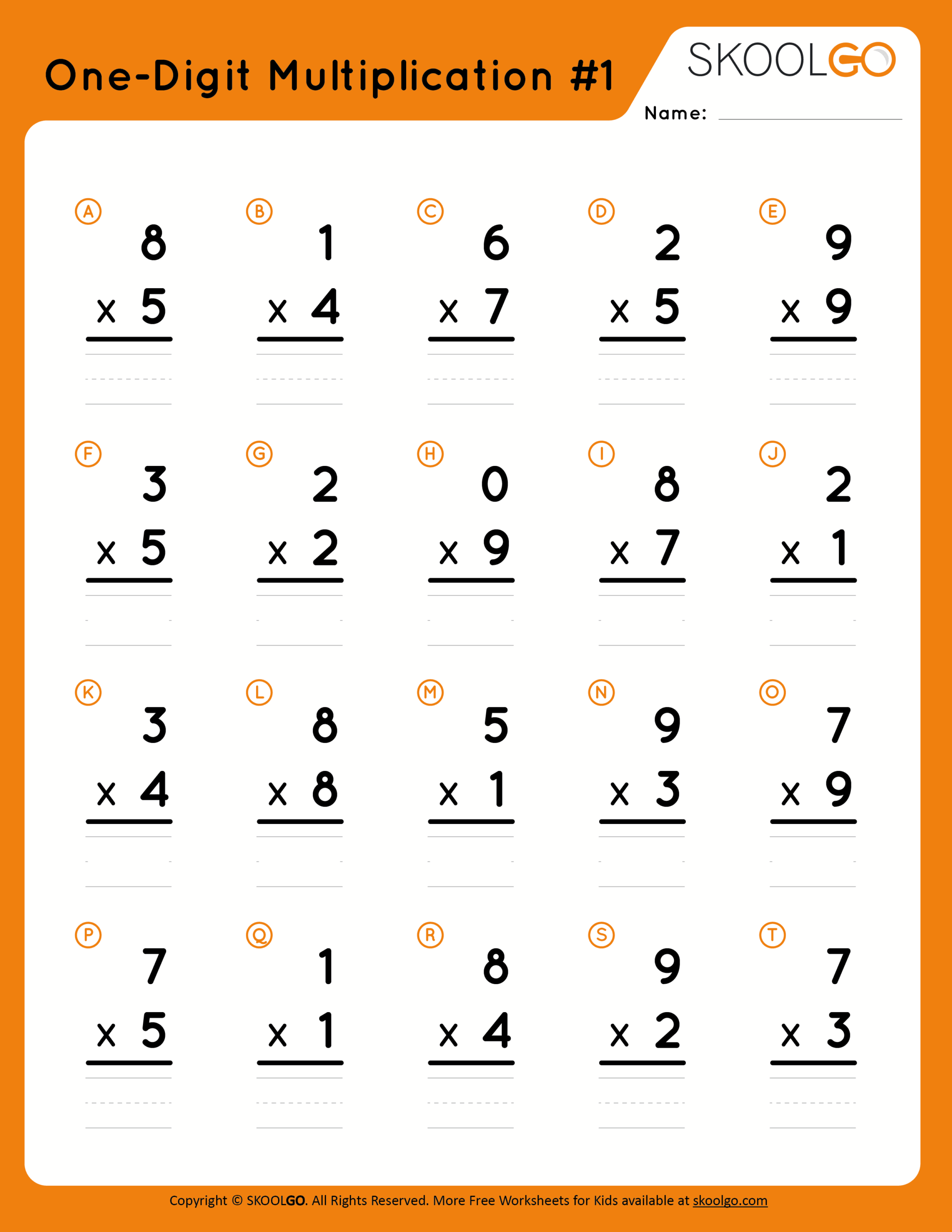
Understanding the Importance of Multiplication Worksheets
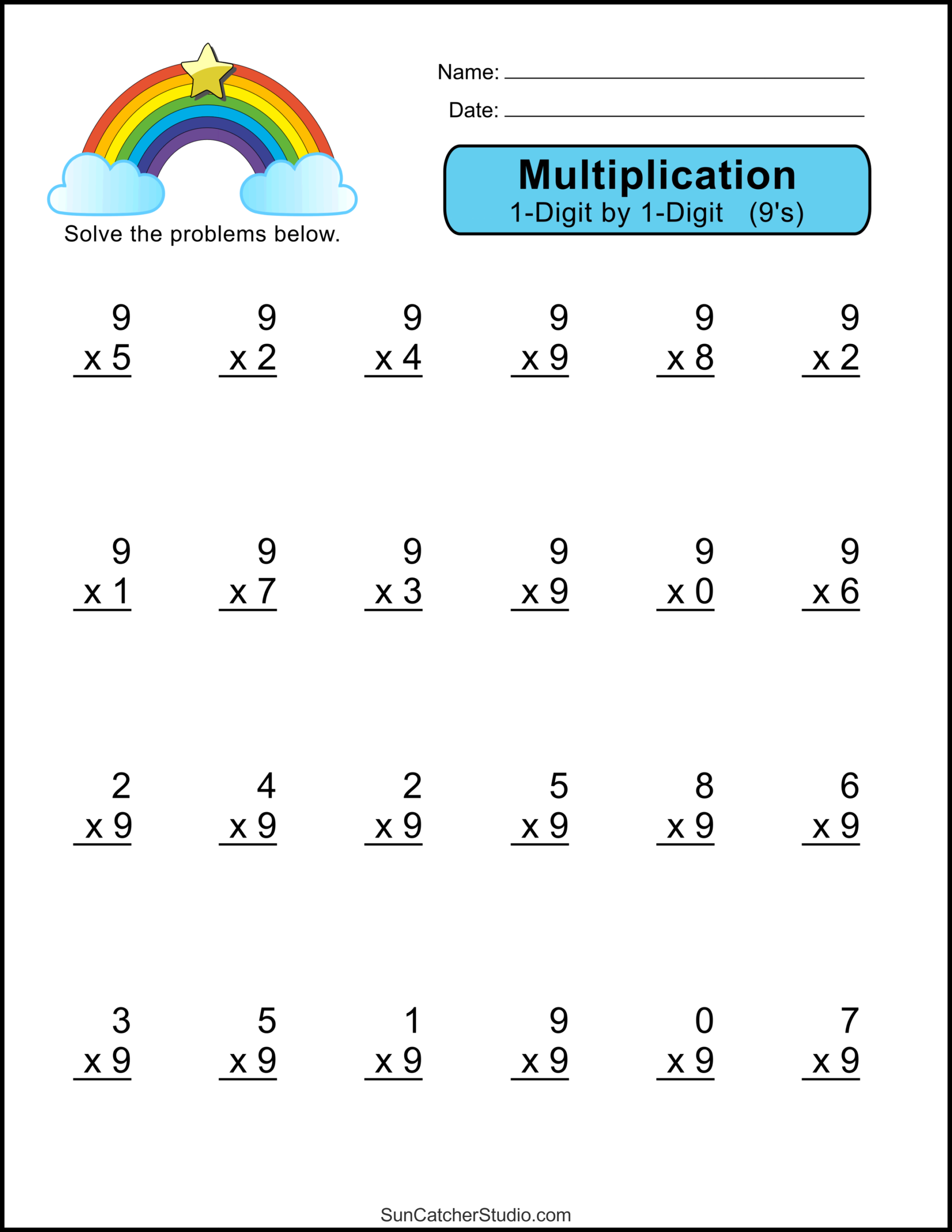
Worksheets serve as an essential tool in reinforcing the multiplication skills students learn in class. They allow students to practice at their own pace, offer immediate feedback, and help identify areas where they may need additional support. For young learners, mastering single digit multiplication is crucial, as it enhances their confidence and prepares them for more challenging math concepts, such as double-digit multiplication and division.
Incorporating these worksheets into your teaching strategy can also help create a structured learning environment. It’s important to ensure that the materials you use are engaging and appropriately challenging for your students.
Choosing the Right Multiplying Single Digit Numbers Worksheets
When selecting worksheets, consider the following factors to ensure they meet your educational needs:
- Grade Level: Worksheets designed for first and second graders typically focus on basic multiplication facts (1-10). Ensure that the difficulty level aligns with your students’ abilities.
- Format: Look for worksheets that include a variety of formats, such as fill-in-the-blank, multiple-choice, and word problems. This variety keeps students engaged and helps cater to different learning styles.
- Answer Key: Having an answer key is essential for efficient grading and review. It saves time and helps you provide constructive feedback to students.
You can often find these worksheets in PDF format, which is ideal for printing. Portrait layout is recommended for home printers, as it tends to work better for most situations.
Downloading and Printing Worksheets
Once you’ve identified the right Multiplying Single Digit Numbers Worksheets for your needs, the next step is to download and print them. Here’s a straightforward process to follow:
- Find a Resource: Look for reputable websites offering free or paid printable worksheets. Make sure to read reviews or ask for recommendations from fellow educators.
- Download the Files: Most worksheets will be available in PDF format. Click the download link and save the file to your computer.
- Open the File: Use a PDF viewer to open the downloaded file. This ensures that the formatting remains intact and is suitable for printing.
- Print Settings: Before printing, check your printer settings. Set the paper size to standard letter (8.5 x 11 inches) and choose portrait orientation. If using color, ensure your printer has enough ink for clear, legible printouts.
- Quantity: Consider how many copies you need. If you’re teaching a class, print enough for each student to have their own worksheet. Printing in bulk can save time during lesson preparation.
Setting Up for Effective Use in the Classroom
To maximize the effectiveness of the Multiplying Single Digit Numbers Worksheets, consider the following setup tips:
- Group Activities: Use the worksheets in small groups to encourage collaboration among students. This can foster peer learning and make the process more enjoyable.
- Independent Practice: Allocate time for students to complete the worksheets independently. This helps assess their understanding and allows you to identify who may need additional help.
- Homework Assignments: These worksheets can also serve as homework. Assign a few problems each night to reinforce the day’s lessons without overwhelming students.
- Interactive Reviews: After students complete their worksheets, hold a review session where you go over the answers together. This reinforces learning and helps students understand their mistakes.
Engaging Activities to Complement Worksheets
While worksheets are a great way to practice multiplication, incorporating other activities can help reinforce the concepts. Here are some ideas to complement your worksheets:
- Flashcards: Create flashcards for quick multiplication drills. This can be a fun, competitive way to help students memorize their multiplication facts.
- Games: Incorporate math games that focus on multiplication. For instance, you could play bingo with multiplication problems or have a multiplication relay race.
- Real-Life Applications: Use real-world examples to show how multiplication is used in everyday situations, such as cooking or shopping. This helps students understand the relevance of what they’re learning.
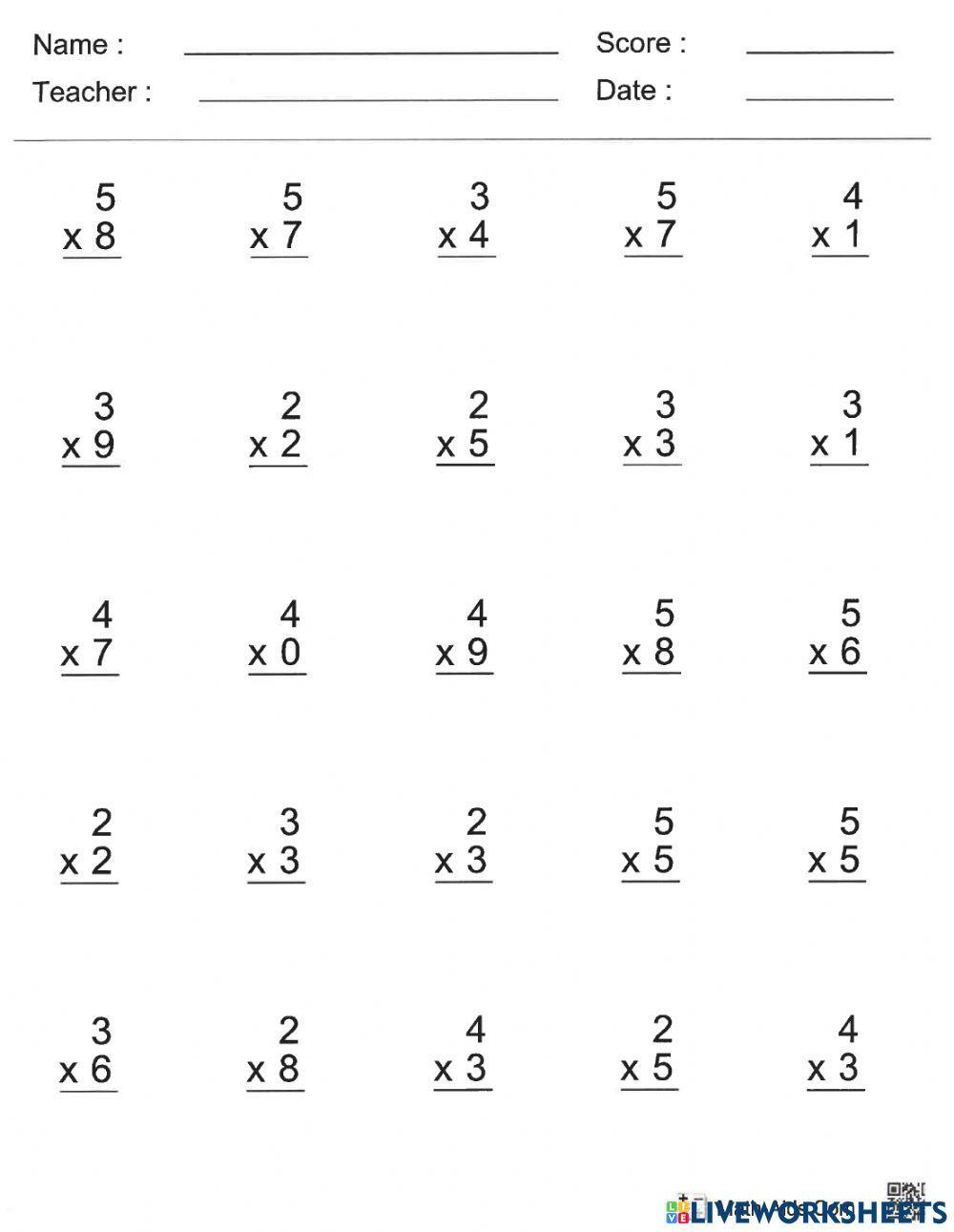
Monitoring Progress and Providing Feedback
Once your students have completed the Multiplying Single Digit Numbers Worksheets, it’s crucial to monitor their progress. Here’s how you can effectively assess their understanding:
- Review Answers Together: Go through the worksheets as a class, allowing students to discuss their thought processes. This can highlight different approaches to solving problems.
- Track Improvement: Keep records of students’ scores over time to identify trends. Are there particular numbers or concepts causing repeated errors? This data can inform your future teaching strategies.
- Provide Constructive Feedback: When reviewing worksheets, offer specific feedback rather than general comments. For example, if a student consistently struggles with 6 x 7, provide additional practice on that specific problem.
Using Multiplying Single Digit Numbers Worksheets can significantly enhance your students’ understanding of multiplication. These worksheets provide structured practice, immediate feedback, and opportunities for collaborative learning. Remember to keep the experience engaging by incorporating varied activities and regularly assessing progress. This approach not only solidifies their skills but also builds confidence in their mathematical abilities.
One useful detail to remember is that allowing students to use manipulatives, such as blocks or counters, can provide a visual representation of multiplication, enhancing their understanding of the concept.