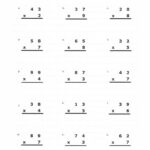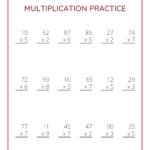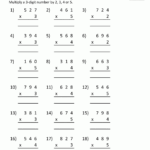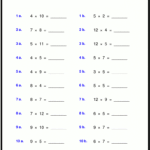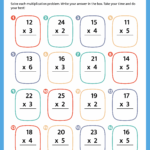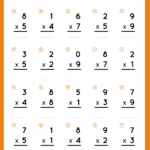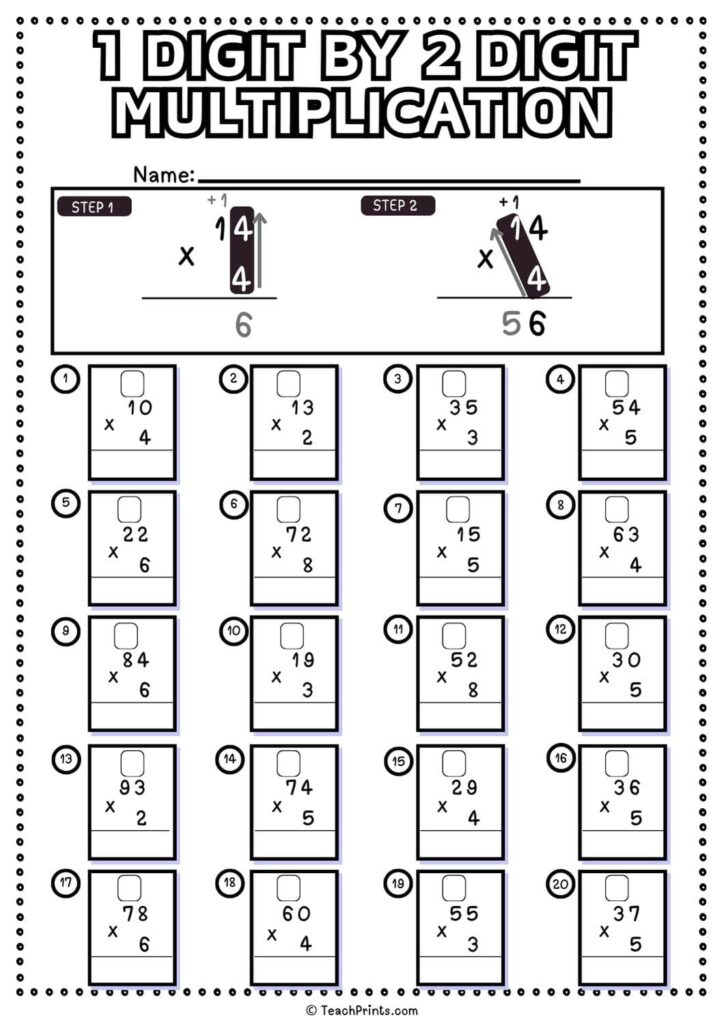
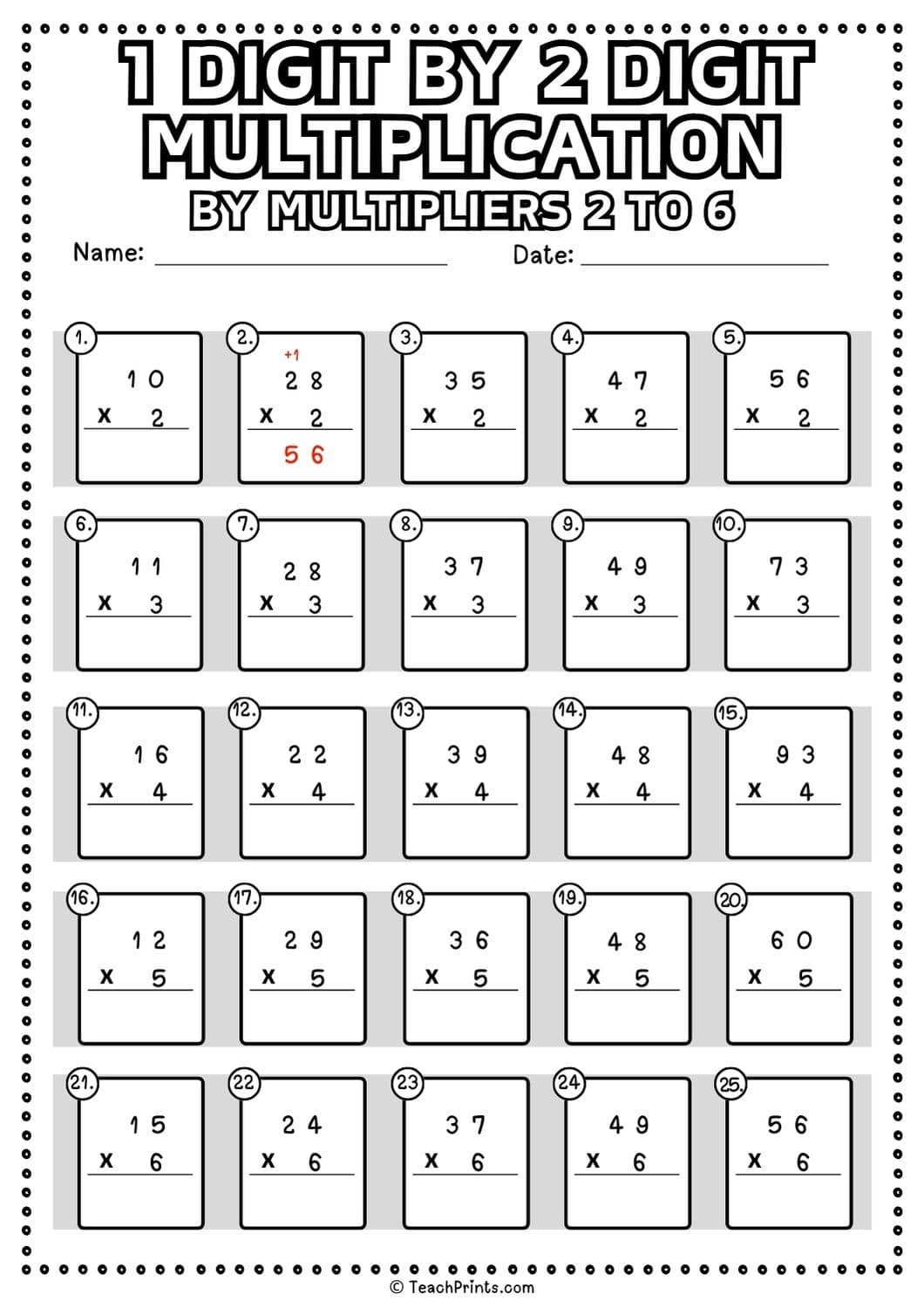
Teaching multiplication can be a challenging yet rewarding experience, especially when introducing students to more complex problems like multiplying 1 digit by 2 digit numbers. Multiplying 1 Digit By 2 Digit Worksheets are excellent resources for reinforcing these essential skills. They provide a structured way for students to practice and master multiplication, helping to build confidence in their math abilities.
Understanding Multiplication Basics
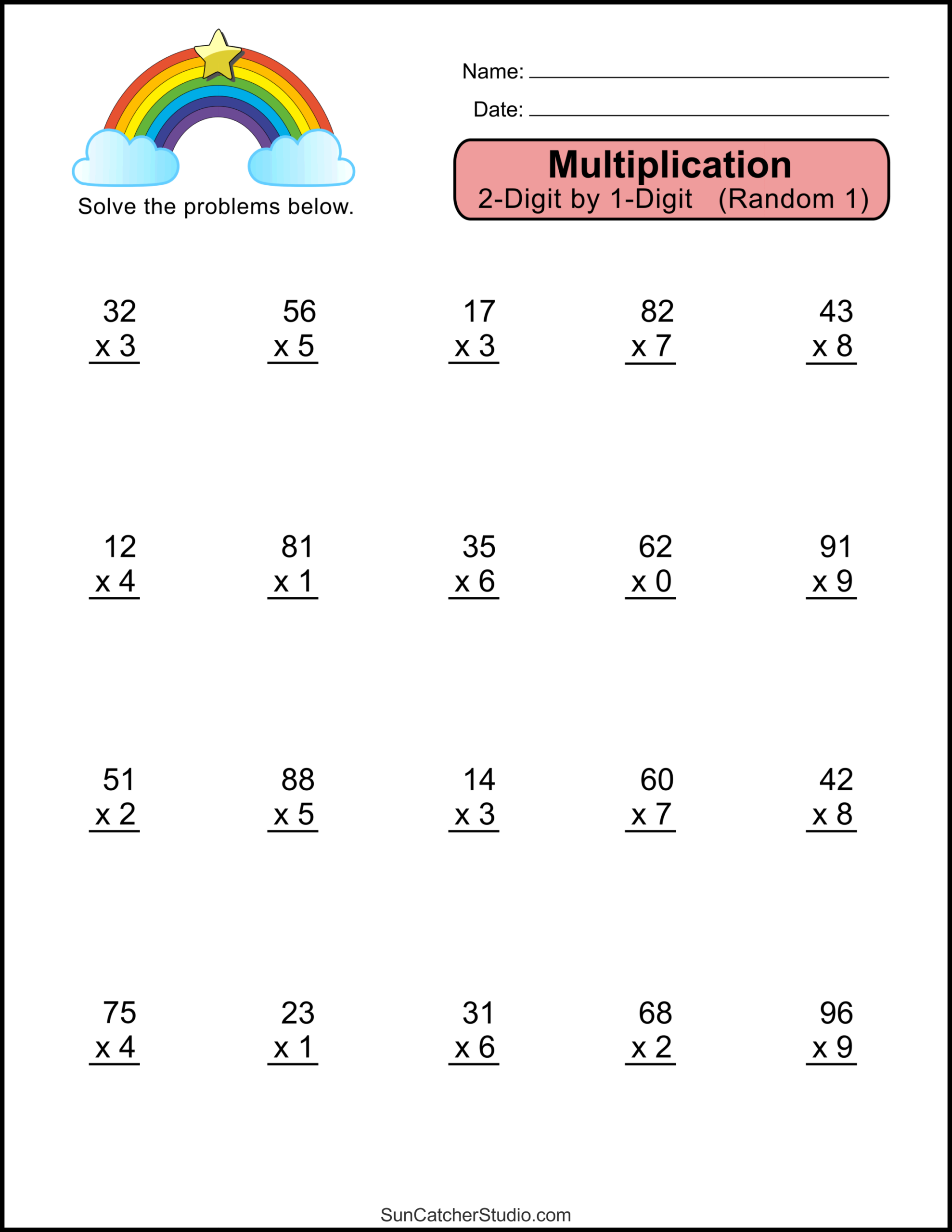
Before diving into worksheets, it’s crucial to ensure students have a solid grasp of basic multiplication facts. Typically, students in grades 2-4 will start encountering these types of problems. It’s beneficial to first review single-digit multiplication, as this serves as the foundation for understanding how to multiply larger numbers.
When using worksheets, you can introduce the concept of place value, which is vital in multiplying 1 digit by 2 digit numbers. Explain how the digits in a two-digit number represent tens and ones. For example, in the number 34, the 3 represents 30 (or three tens), and the 4 represents 4 (or four ones). This understanding will help students break down problems more easily.
Features of Effective Worksheets
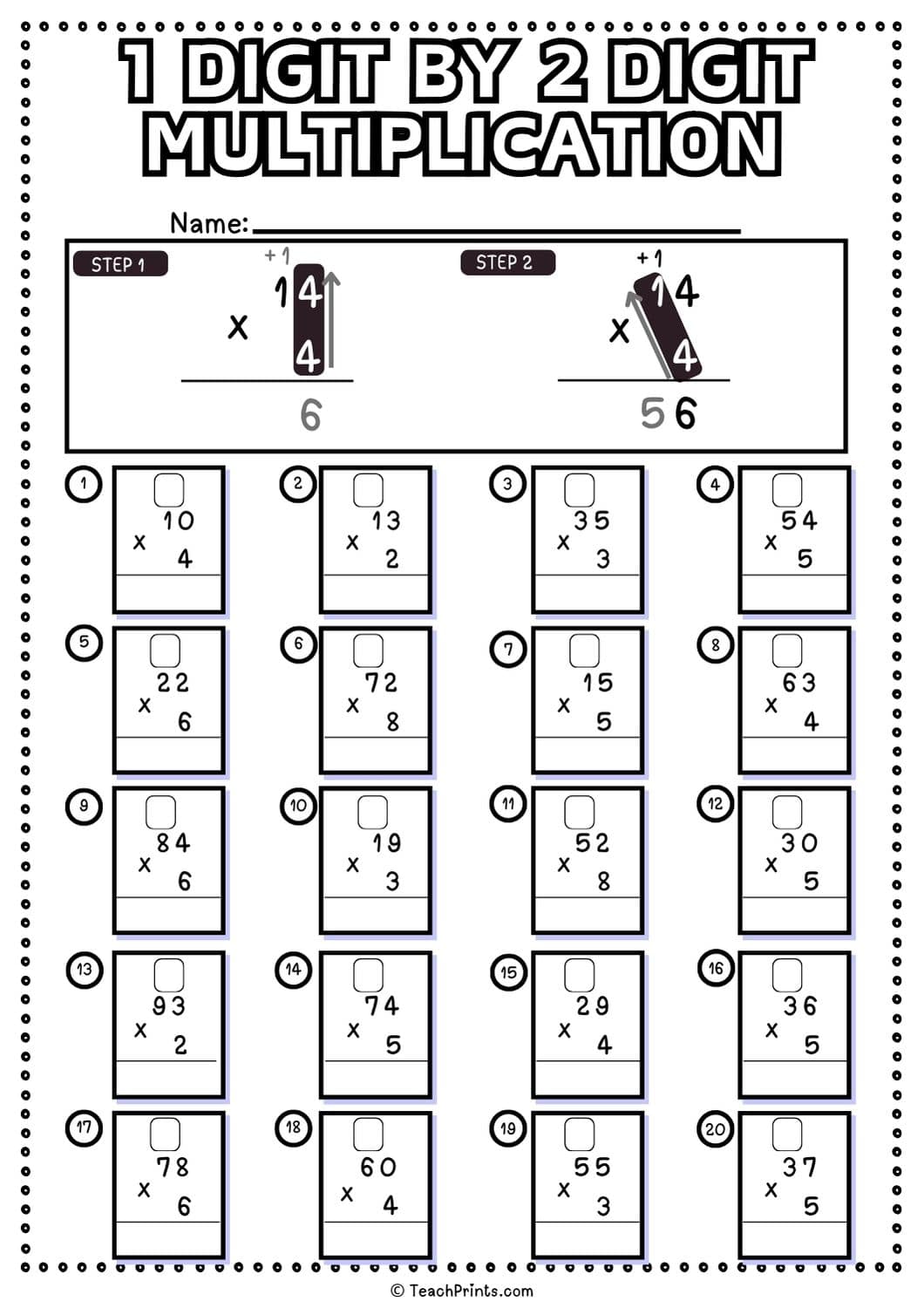
When selecting Multiplying 1 Digit By 2 Digit Worksheets, look for features that enhance learning:
- Clear Instructions: Worksheets should have straightforward directions that guide students through each step of the multiplication process.
- Variety of Problems: Including a mix of problems will keep students engaged. Worksheets can contain problems with both smaller and larger two-digit numbers.
- Visual Aids: Graphical representations, such as arrays or number lines, can help visual learners grasp multiplication concepts better.
- Answer Keys: Providing answer keys for self-checking can encourage independence and help students identify areas where they need more practice.
How to Use Worksheets Effectively
To maximize the benefits of Multiplying 1 Digit By 2 Digit Worksheets in your classroom or at home, consider the following strategies:
- Introduce Gradually: Start with simpler problems and gradually increase the difficulty as students gain confidence. This helps prevent frustration and builds a solid foundation.
- Incorporate Real-Life Examples: Relate multiplication to real-world scenarios. For instance, if a student can multiply 4 by 12, they can understand that if they have 4 packs of gum, each containing 12 pieces, they can find the total by multiplying.
- Use in Small Groups: Facilitate group work where students can collaborate on solving problems. This encourages peer learning and allows students to discuss different strategies.
- Track Progress: Monitor student performance on these worksheets to identify patterns in their understanding. Are they struggling with specific problems? Use this data to inform future lessons and target areas that need reinforcement.
Checking Mastery and Progress
To determine whether students have mastered the concepts presented in the worksheets, consider the following indicators:
- Accuracy: Check the number of correct answers. A high percentage indicates mastery, while consistent errors may signal the need for further review.
- Speed: Time students as they complete the worksheets. If they are taking too long, they may not fully grasp the multiplication process.
- Understanding Errors: Review incorrect answers with students. Discussing why an answer was wrong can provide insights into their thought processes and highlight misconceptions.
Additional Resources for Practice
While Multiplying 1 Digit By 2 Digit Worksheets are invaluable, supplementing them with other resources can enhance learning:
- Online Games: Websites and apps that focus on multiplication can provide interactive and fun ways for students to practice.
- Flashcards: Utilize flashcards for quick drills on multiplication facts. This can help reinforce their memory of basic multiplication before tackling more complex problems.
- Group Activities: Engage students in group challenges where they can compete to solve multiplication problems. This fosters a fun learning environment and encourages teamwork.
By combining worksheets with these additional resources, you create a comprehensive learning experience that addresses different learning styles and needs.