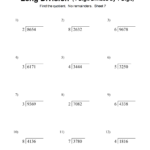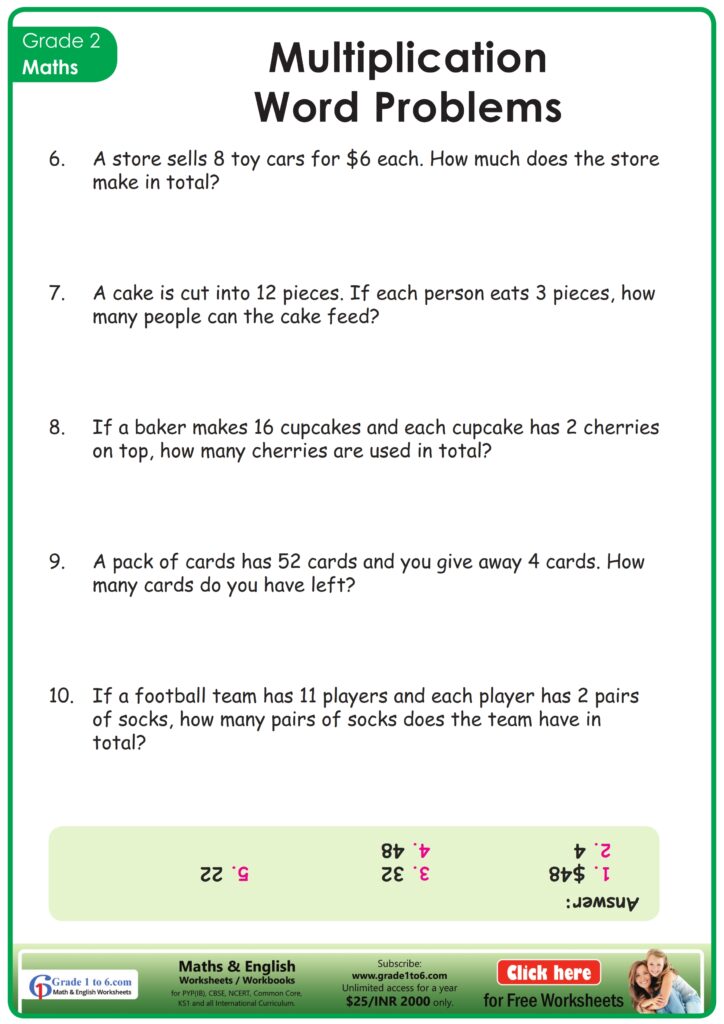
In a cozy classroom, Ms. Johnson watches her second graders as they gather around their tables, pencils in hand and excitement in their eyes. Today, they’re tackling multiplication, a foundational math skill that will serve them well for years to come. To aid in this endeavor, she pulls out a Multiplication Worksheet For Class 2nd, designed specifically to engage young learners and reinforce their understanding of multiplication concepts.
Using worksheets like these can transform a mundane math lesson into an interactive, enjoyable experience that encourages your students to practice and master multiplication. In this article, we’ll explore how to effectively incorporate multiplication worksheets into your teaching strategy, ensuring that your students not only learn but also enjoy the process.
Understanding the Importance of Multiplication in 2nd Grade
Multiplication is more than just a series of numbers; it’s a crucial building block in mathematics. By the time students reach second grade, they are ready to transition from simple addition and subtraction to understanding multiplication as repeated addition. This is essential for later math skills, such as division, fractions, and even algebra.
Second graders typically learn multiplication facts up to 10, and it’s important they grasp these concepts through engaging activities. Worksheets serve as a practical tool for this, providing a structured way for students to practice their skills while also allowing for repetition—an essential aspect of learning.
Features of an Effective Multiplication Worksheet
When selecting or creating a multiplication worksheet for your second graders, consider the following features to ensure it meets educational standards and promotes effective learning:
- Age-appropriate Design: The worksheet should be visually engaging, using colorful designs and fun illustrations to keep students interested.
- Clear Instructions: Each section should have straightforward instructions that are easy for young learners to understand.
- Varied Question Types: Include a mix of questions, such as fill-in-the-blank, multiple-choice, and word problems, to cater to different learning styles.
- Space for Work: Children often need space to work out their answers, so worksheets should include ample space for calculations.
- Answer Key: Providing an answer key can help teachers quickly assess students’ performance and offer feedback.
How to Introduce Multiplication Worksheets in Your Lesson Plans
Incorporating a multiplication worksheet into your lesson plans doesn’t have to be a daunting task. Here are some practical steps to make the process smoother:
1. Start With a Quick Review
Before diving into the worksheet, spend a few minutes reviewing the multiplication concepts. Use visual aids like counters or drawing on the board to illustrate how multiplication works as repeated addition. This brief recap will help students feel more confident when they tackle the worksheet.
2. Distribute the Worksheets
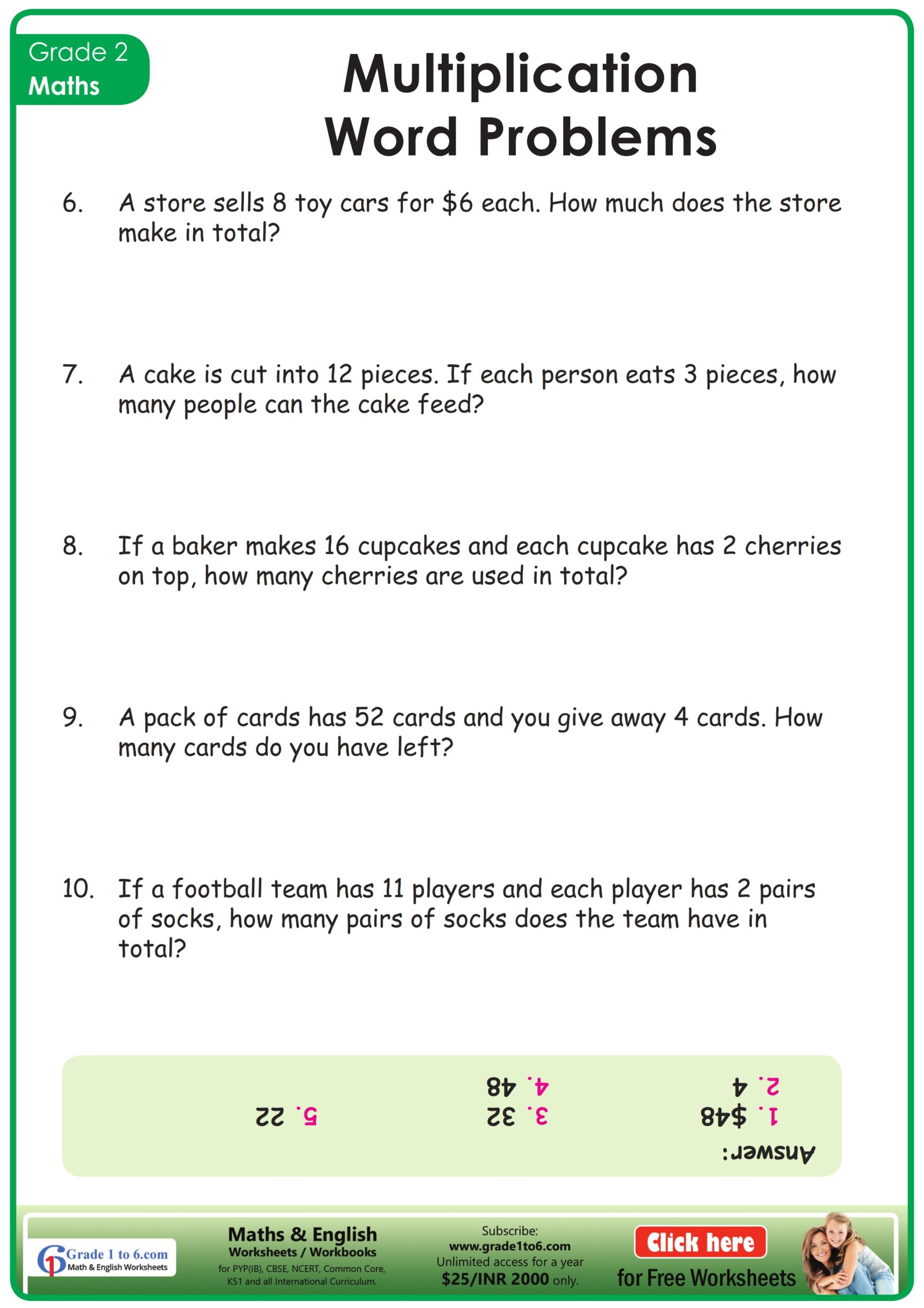
Hand out the Multiplication Worksheet For Class 2nd and explain the objectives. Encourage students to ask questions if they’re unsure about anything.
3. Set a Time Limit
To keep students focused, set a reasonable time limit for completing the worksheet. This encourages them to work efficiently while still allowing for adequate time to think through the problems.
4. Encourage Collaboration
Pair students up and allow them to work together on the worksheet. This not only promotes teamwork but also gives students the chance to discuss their thought processes, which can enhance understanding.
5. Review Answers Together
Once everyone has completed the worksheet, review the answers as a class. This will provide an opportunity for students to learn from their mistakes and for you to clarify any misconceptions.
Spacing Practice Throughout the Week
Instead of assigning the multiplication worksheet as a one-time task, consider spacing the practice throughout the week. Here’s how you can do that:
- Daily Warm-ups: Start each class with a quick multiplication problem on the board. This sets a routine and reinforces learning.
- Weekly Goals: Set goals for the number of problems they should complete by the end of the week. This gives students a clear target and keeps them motivated.
- Variety is Key: Rotate between worksheets that focus on different aspects of multiplication, such as word problems, visual models, and timed tests to keep things interesting.
This approach not only reinforces the material but also allows for mastery through repetition, which is crucial for second graders.
Utilizing Additional Resources Alongside Worksheets
To further enhance the learning experience, consider integrating other resources alongside the Multiplication Worksheet For Class 2nd. Here are some ideas:
- Games: Incorporate math games that focus on multiplication. This could be flashcards, board games, or online multiplication games that make learning fun.
- Manipulatives: Use physical objects like blocks or counters to help students visualize multiplication concepts. This hands-on approach can solidify their understanding.
- Coloring Pages: Create or find multiplication-themed coloring pages that allow students to express creativity while practicing their math skills.
Assessing Student Progress
As you incorporate multiplication worksheets throughout the school year, it’s essential to assess your students’ progress. Here are some methods to consider:
- Quizzes: Give short quizzes that focus on multiplication facts to gauge individual understanding.
- Observations: Pay attention to how students approach problems during class discussions or group work. This can provide insight into their thought processes.
- Feedback: Offer constructive feedback on their worksheets. Highlight what they did well and where they can improve.