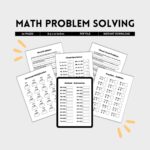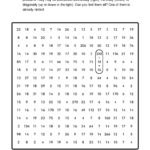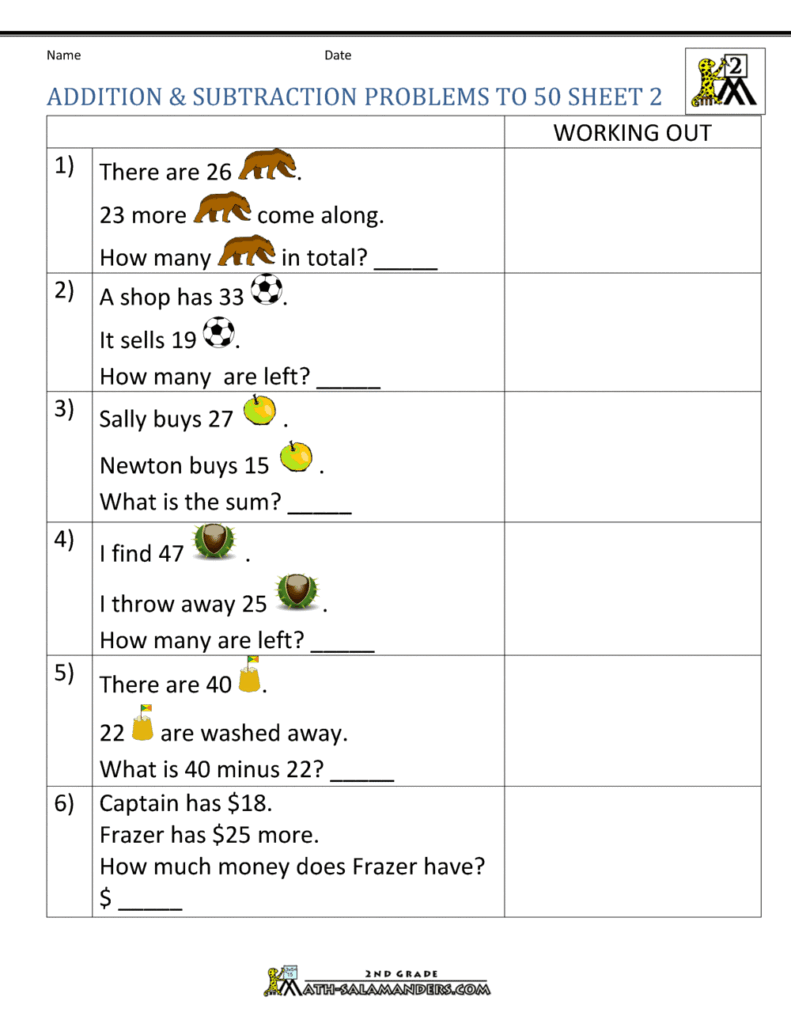
When you’re looking for effective ways to enhance your students’ math skills, using math problem sheets for grade 2 can be a game-changer. These sheets provide structured practice that can help children master essential concepts while keeping them engaged. In this guide, I’ll walk you through how to effectively utilize these resources in a classroom or homeschool setting.
Understanding the Importance of Math Problem Sheets for Grade 2
Math problem sheets for grade 2 are specifically designed to address the curriculum standards for this age group. At this stage, children typically learn addition and subtraction, the concept of place value, and begin exploring simple multiplication and division. These sheets serve multiple purposes:
- Reinforcement: They provide practice that helps solidify the concepts taught in class.
- Assessment: You can use them to gauge student understanding and identify areas needing additional focus.
- Engagement: Well-designed problem sheets can make learning math fun and interactive.
Using these sheets regularly ensures that students not only practice but also develop a positive attitude towards math.
Types of Math Problem Sheets
When selecting math problem sheets, consider the variety to meet different learning needs. Here are some common types you might encounter:
Addition and Subtraction Sheets
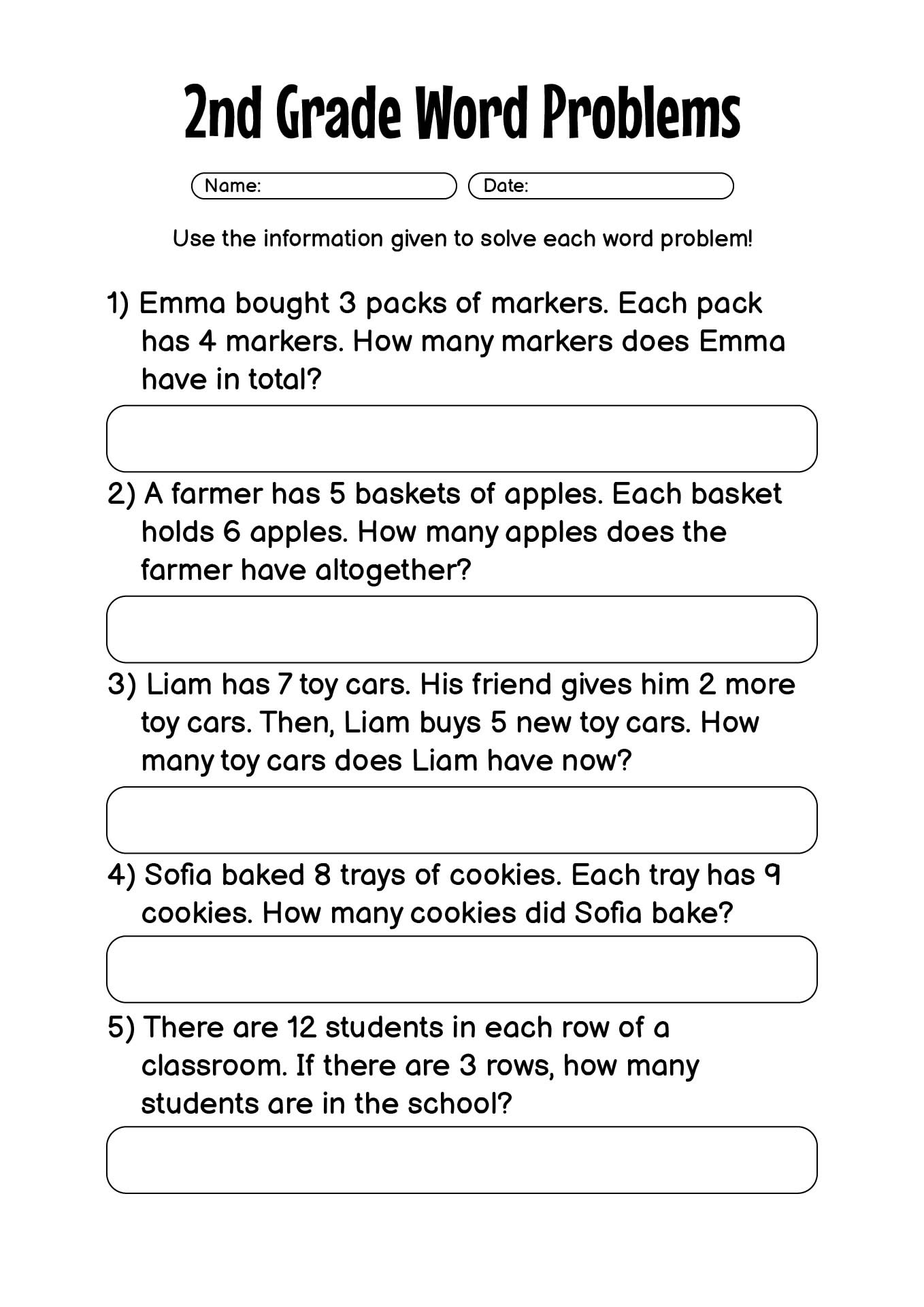
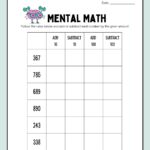
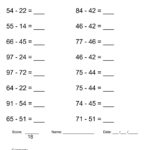
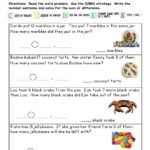
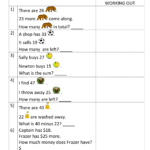
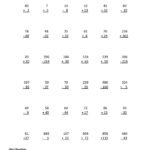
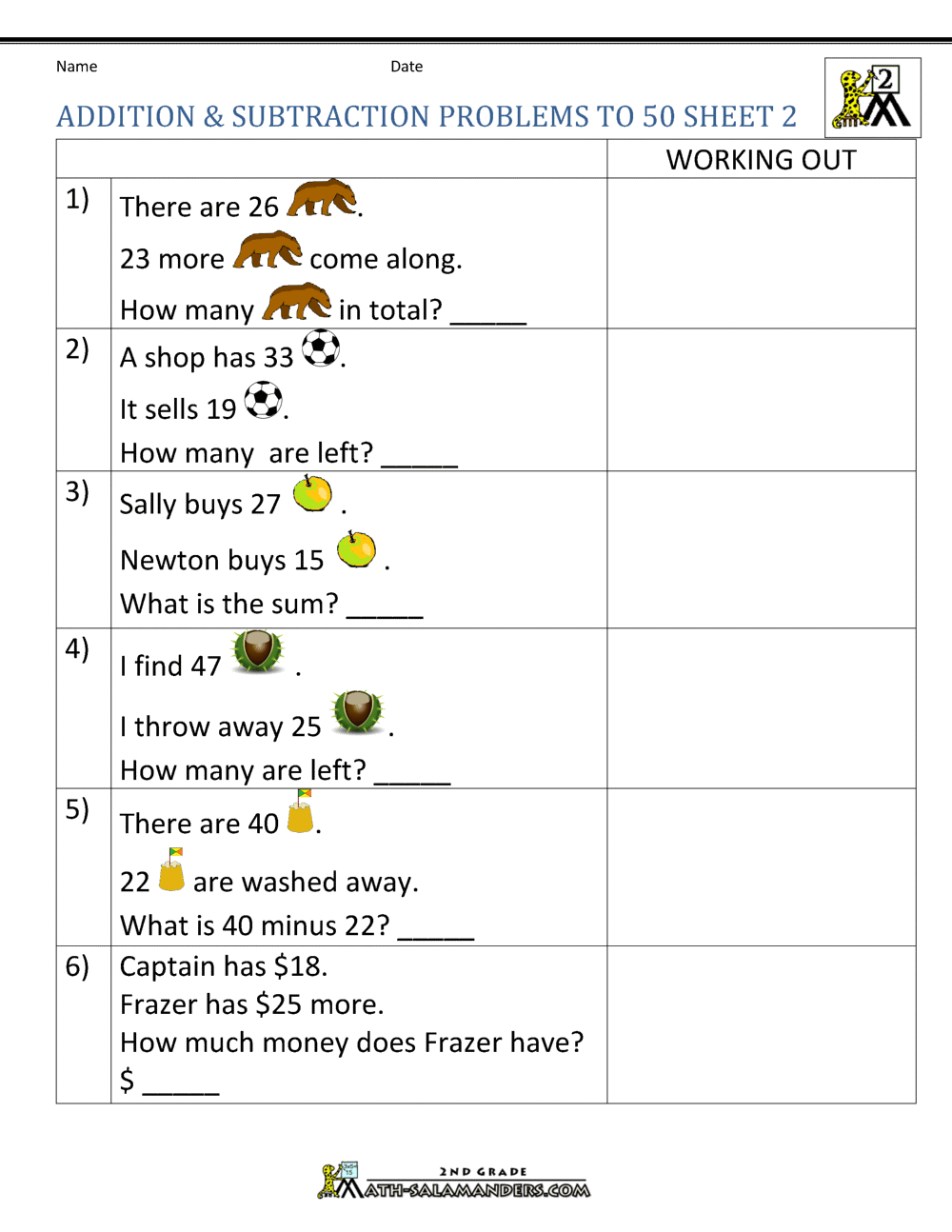
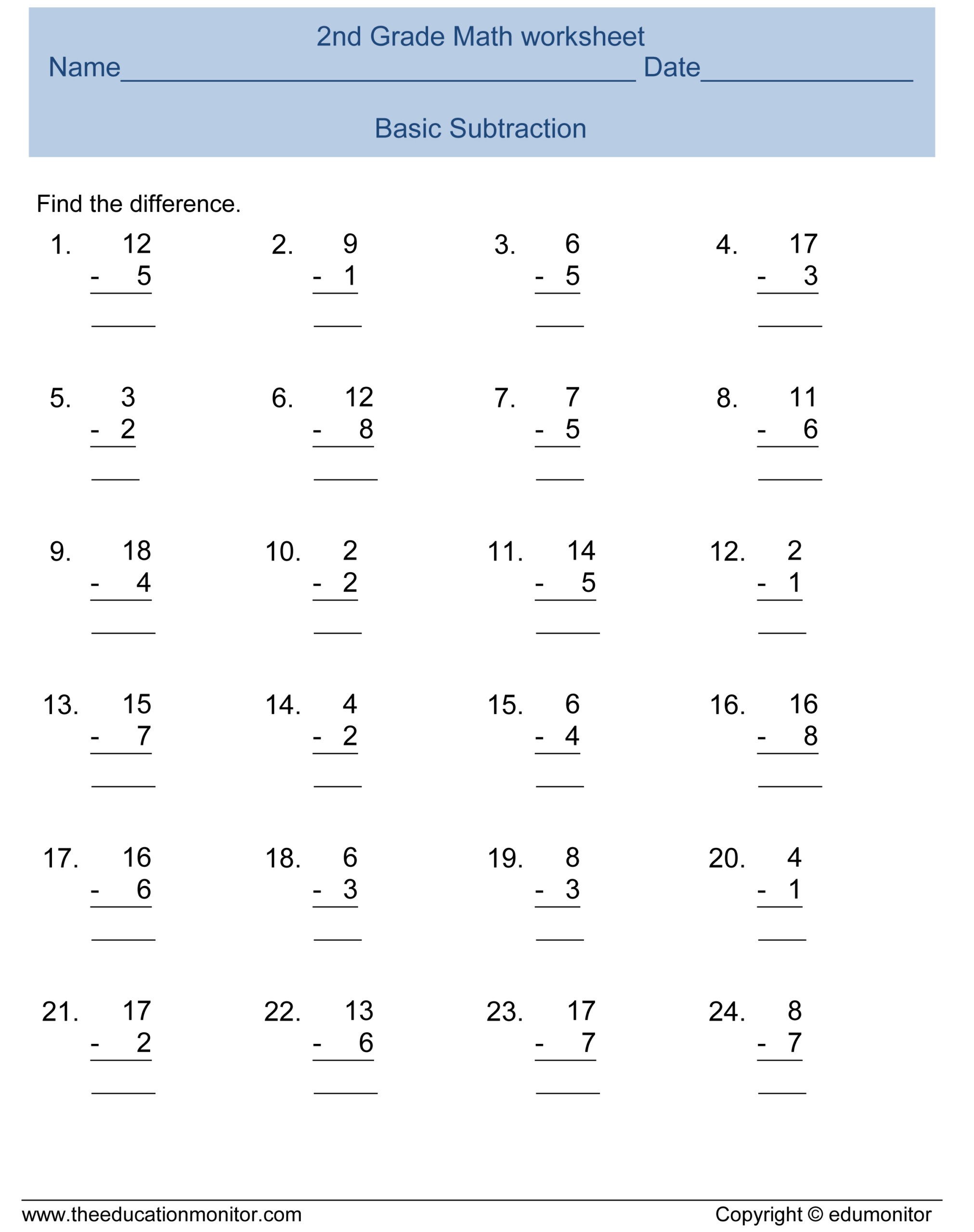
These sheets typically include problems that require students to add or subtract numbers within 100. They often incorporate visuals or word problems to enhance comprehension. For example:
- Simple equations
- Word problems that relate to real-life scenarios (like shopping or sharing)
Place Value Worksheets
Place value is a critical concept for second graders. Worksheets focusing on this topic help students understand how numbers are constructed. Activities could include:
- Identifying the value of digits in a number
- Comparing numbers based on place value
- Creating numbers using base ten blocks
Multiplication and Division Introduction
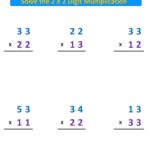
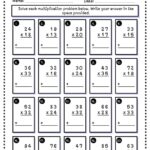
As students progress, introducing basic multiplication and division through worksheets becomes essential. These sheets may include:
- Arrays to visualize multiplication
- Simple division problems using concrete objects
Word Problems
Word problems challenge students to apply their math skills in context. They often require critical thinking and problem-solving, making them excellent for assessments. Examples include:
- “If you have 12 apples and give away 4, how many do you have left?”
- “A pack of stickers has 6 stickers. How many stickers are in 5 packs?”
How to Use Math Problem Sheets Effectively
Successfully integrating math problem sheets into your teaching requires some planning. Here’s a step-by-step guide:
1. Assess Student Needs
Before distributing sheets, take some time to assess what your students need to work on. You can do this through informal assessments, quizzes, or by reviewing previous assignments. Identifying gaps in knowledge will help you choose the most effective sheets.
2. Print and Prepare
When printing your math problem sheets, consider the following:
- Paper Quality: Using standard printer paper is usually sufficient, but if you plan to reuse sheets, consider printing on cardstock for durability.
- Layout: Portrait layout works well for most home printers. Ensure that the font is clear and large enough for young learners to read easily.
- Answer Keys: If available, print answer keys separately. This makes it easier for you to grade quickly while providing immediate feedback.
3. Introduce the Material
Spend some time going over the types of problems students will encounter on the sheets. Explaining the purpose behind the exercises and how they relate to real-life math applications can increase engagement.
4. Provide Time for Completion
Set aside dedicated time for students to work on these sheets. This could be during math centers, homework, or even as a warm-up activity at the start of class. Ensure that they have a quiet space to concentrate and think through the problems.
5. Review and Discuss
After students complete their sheets, review the answers as a class. This helps reinforce the learning and allows students to ask questions about problems they found challenging. Group discussions also encourage collaborative learning.
6. Tailor Future Practice
Based on the performance displayed on the sheets, adjust future assignments to focus on areas where students struggled. This could mean more practice on certain types of problems or introducing new concepts sequentially.
Where to Find Quality Math Problem Sheets for Grade 2
There are numerous resources online where you can find quality math problem sheets. Look for sites that offer free or affordable downloadable content. Here are some suggestions:
- Educational Websites: Websites dedicated to educational resources often have sections for printable worksheets.
- Teacher Blogs: Many teachers share their resources online, including worksheets that they’ve created or compiled.
- Curriculum Publishers: Publishers often have sample worksheets available for download that align with grade-level standards.
Tips for Making Math Practice Fun
To keep your students engaged, consider incorporating fun elements into their math practice. Here are some ideas:
- Coloring and Art: Allow students to color their worksheets or create art based on math problems. This can make the learning process more enjoyable.
- Games and Competitions: Turn problem-solving into a game by timing students or creating friendly competitions.
- Real-World Applications: Use everyday scenarios to create math problems. This makes the subject more relatable and interesting.