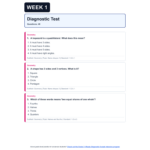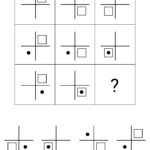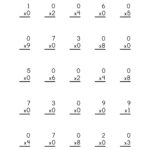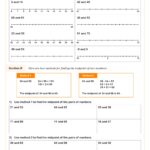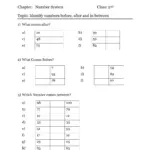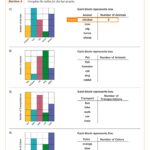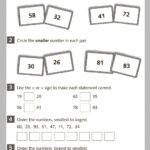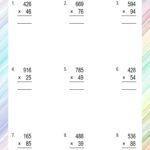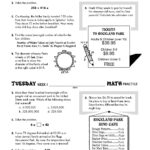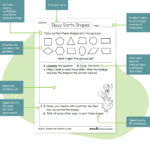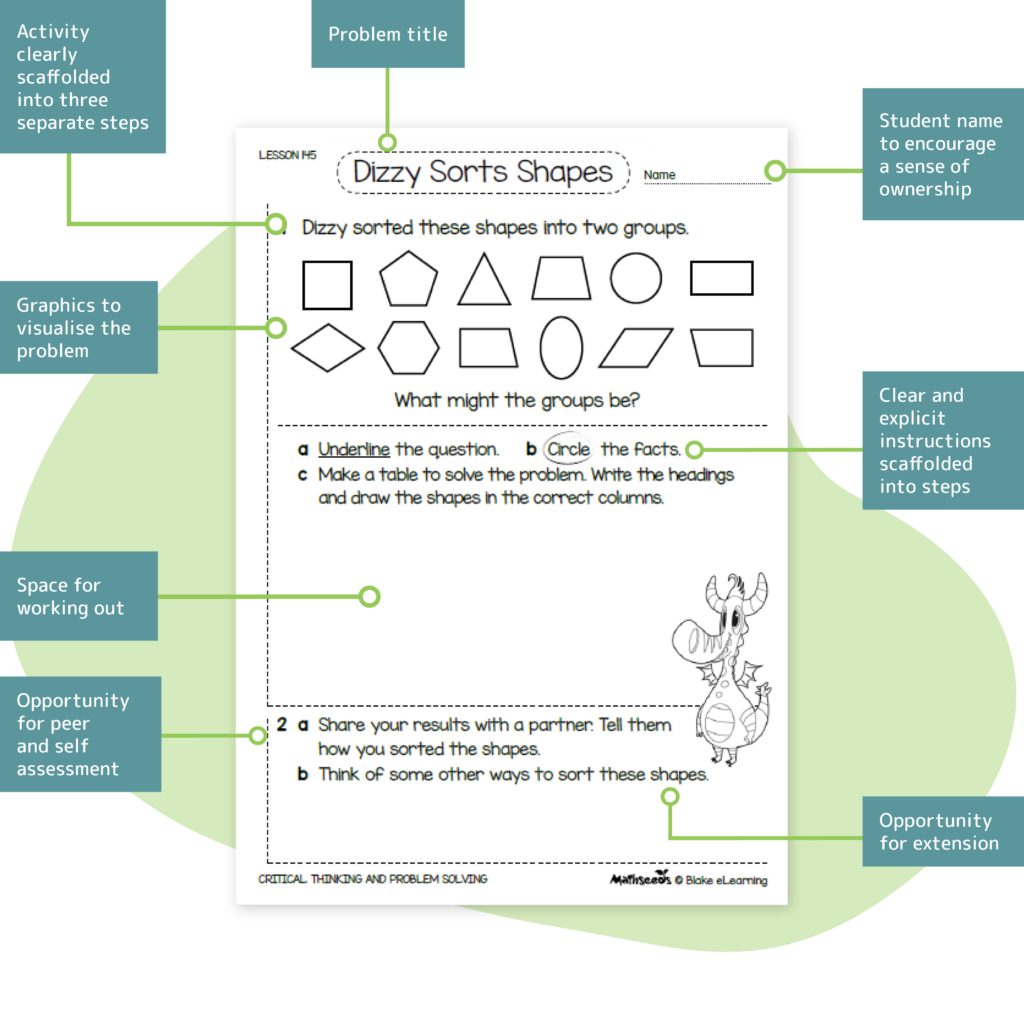
Worksheets play a crucial role in mathematics education, serving as effective tools for reinforcing concepts, practicing skills, and assessing understanding. The importance of worksheets in mathematics cannot be overstated, as they facilitate active learning, provide immediate feedback, and cater to diverse learning styles. Here’s a practical guide on how to make the most of worksheets in your math classroom.
Enhancing Conceptual Understanding
Worksheets allow students to practice mathematical concepts in a structured format. They can include a variety of problems, from basic arithmetic to complex equations, enabling students to apply what they’ve learned.
When designing or selecting worksheets, consider the following:
- Variety of Problem Types: Include multiple-choice questions, fill-in-the-blank exercises, and open-ended problems. This variety caters to different learning preferences and keeps students engaged.
- Incremental Difficulty: Start with simpler problems and gradually increase the difficulty. This helps build confidence as students progress through the material.
- Real-life Applications: Incorporate word problems that relate to real-world scenarios. This not only makes math more relevant but also enhances critical thinking skills.
Promoting Active Learning
Worksheets encourage active participation, which is essential for effective learning. Instead of passively listening to a lecture, students engage directly with the material.
To promote active learning through worksheets, consider these strategies:
- Collaborative Work: Encourage students to work in pairs or small groups to solve worksheet problems. This fosters discussion and allows them to learn from one another.
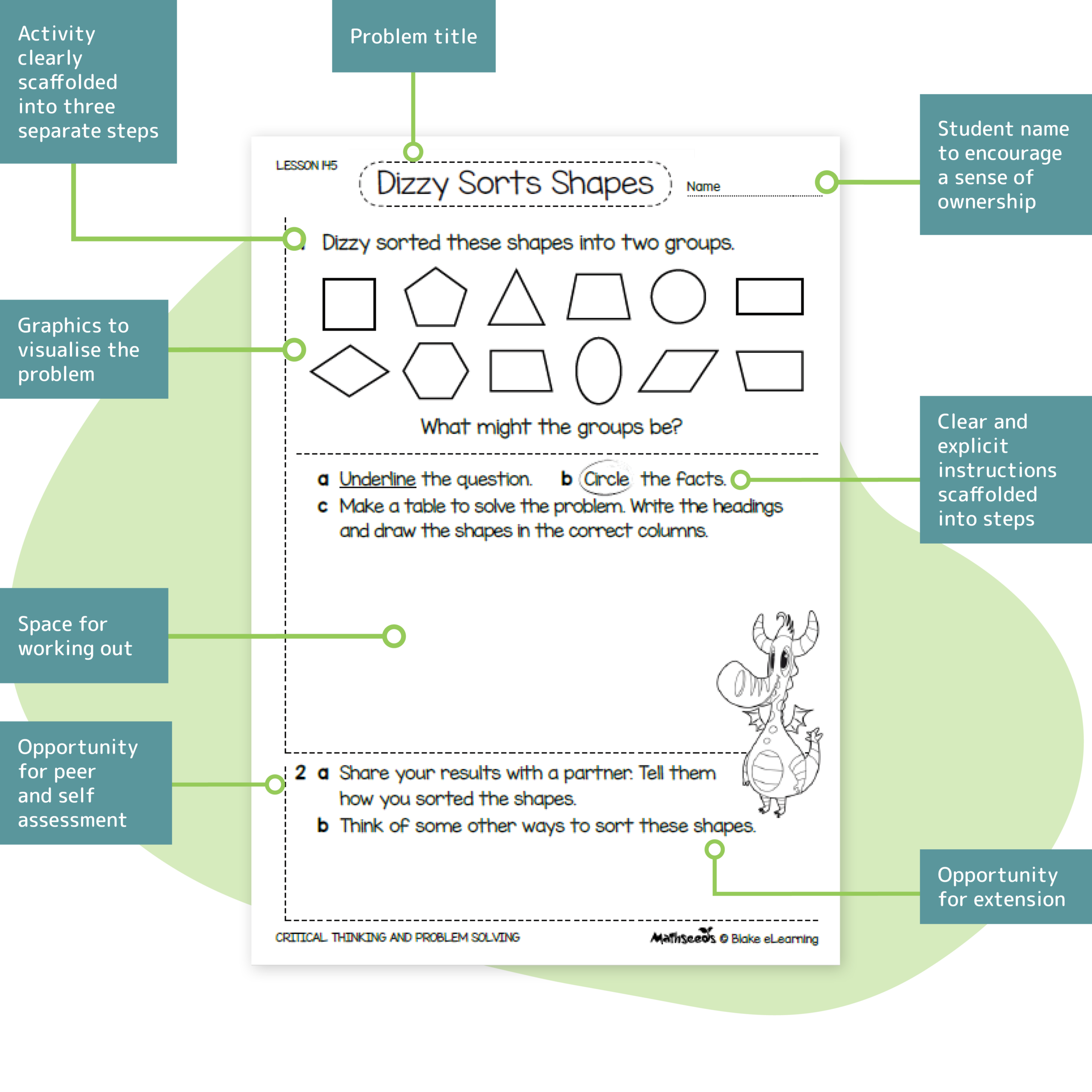
- Interactive Elements: Use worksheets that require students to draw diagrams, create graphs, or visualize problems. This can be especially beneficial for visual learners.
- Incorporate Technology: Use digital worksheets that can be filled out on tablets or computers. Many platforms also provide instant feedback, which can enhance the learning experience.
Immediate Feedback and Assessment
One of the significant advantages of using worksheets is the ability to provide immediate feedback. This helps students identify areas of strength and weakness.
Here’s how to leverage worksheets for effective assessment:
- Self-Assessment Opportunities: Include answer keys or self-check sections on the worksheets. This allows students to independently verify their work and understand their mistakes.
- Regular Quizzes: Incorporate short quizzes into your worksheet routine to assess understanding frequently. This keeps students on their toes and reinforces learning.
- Track Progress: Keep records of completed worksheets to monitor student progress over time. This data can inform future instruction and help identify students who may need additional support.
Differentiating Instruction
Every student learns at a different pace and has unique strengths and weaknesses. Worksheets can be tailored to meet diverse learning needs, making them a powerful tool for differentiation.
Consider these approaches for differentiating worksheets:
- Tiered Assignments: Create worksheets with varying levels of difficulty. This allows advanced students to tackle more challenging problems while providing support for those who need it.
- Choice Boards: Offer students a selection of worksheets to choose from based on their interests or skills. This autonomy can increase motivation and engagement.
- Targeted Skills Practice: Use diagnostic assessments to identify specific areas where students struggle. Provide targeted worksheets that focus on those skills, ensuring that all students receive the support they need.
Engaging Parents and Guardians
Worksheets can also serve as a bridge between the classroom and home, enabling parents to engage with their child’s learning.
Here’s how to involve parents:
- Homework Assignments: Send worksheets home as homework. This encourages parents to participate in their child’s education and provides an opportunity for them to reinforce concepts.
- Informational Notes: Include a brief note with worksheets explaining the objectives and how parents can support their children at home.
- Feedback Mechanism: Encourage parents to sign completed worksheets or provide comments. This fosters communication and collaboration between home and school.
Practical Tips for Using Worksheets Effectively
To maximize the benefits of worksheets in your mathematics instruction, consider implementing the following practical tips:
- Use Quality Resources: Choose worksheets that are well-designed, clear, and aligned with your curriculum. Resources that include visuals and varied problem types can enhance understanding.
- Test Before Distributing: Review worksheets for clarity and appropriateness. Ensure that the problems are solvable and that instructions are easy to understand.
- Limit Overwhelm: Avoid overwhelming students with too many problems on a single worksheet. A focused approach with fewer, well-thought-out problems can lead to deeper understanding.
- Reflect on Usage: After assigning worksheets, take time to reflect on their effectiveness. Gather feedback from students on which types of problems they found helpful or challenging.
By understanding and utilizing the importance of worksheets in mathematics, you can significantly enhance your teaching methods and support your students’ learning journeys. Implement these strategies, and watch your students thrive in their mathematical endeavors.
For immediate action, consider downloading a set of diverse math worksheets tailored for various grade levels. Ensure that these resources align with your curriculum and provide the support your students need to succeed.