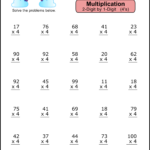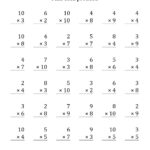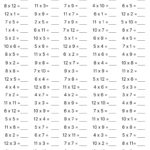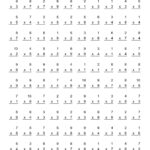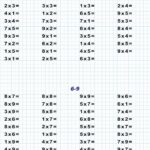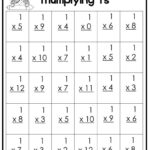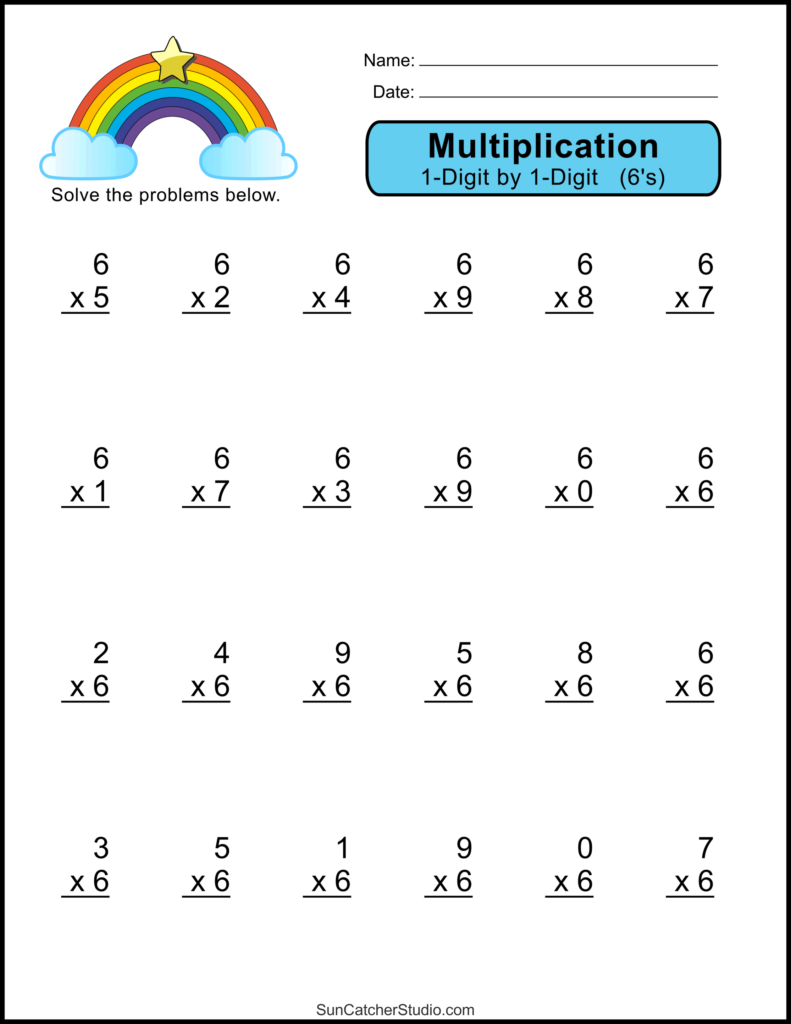
Mastering multiplication can be a challenging hurdle for many second graders. As they transition from addition to multiplication, students often need engaging resources to help them grasp these concepts. That’s where printable worksheets and resources come into play. Easy Multiplication For Grade 2 resources not only make learning fun but also provide structured ways to track student progress. Let’s explore how to effectively use these resources in your classroom or at home.
Understanding the Basics of Multiplication
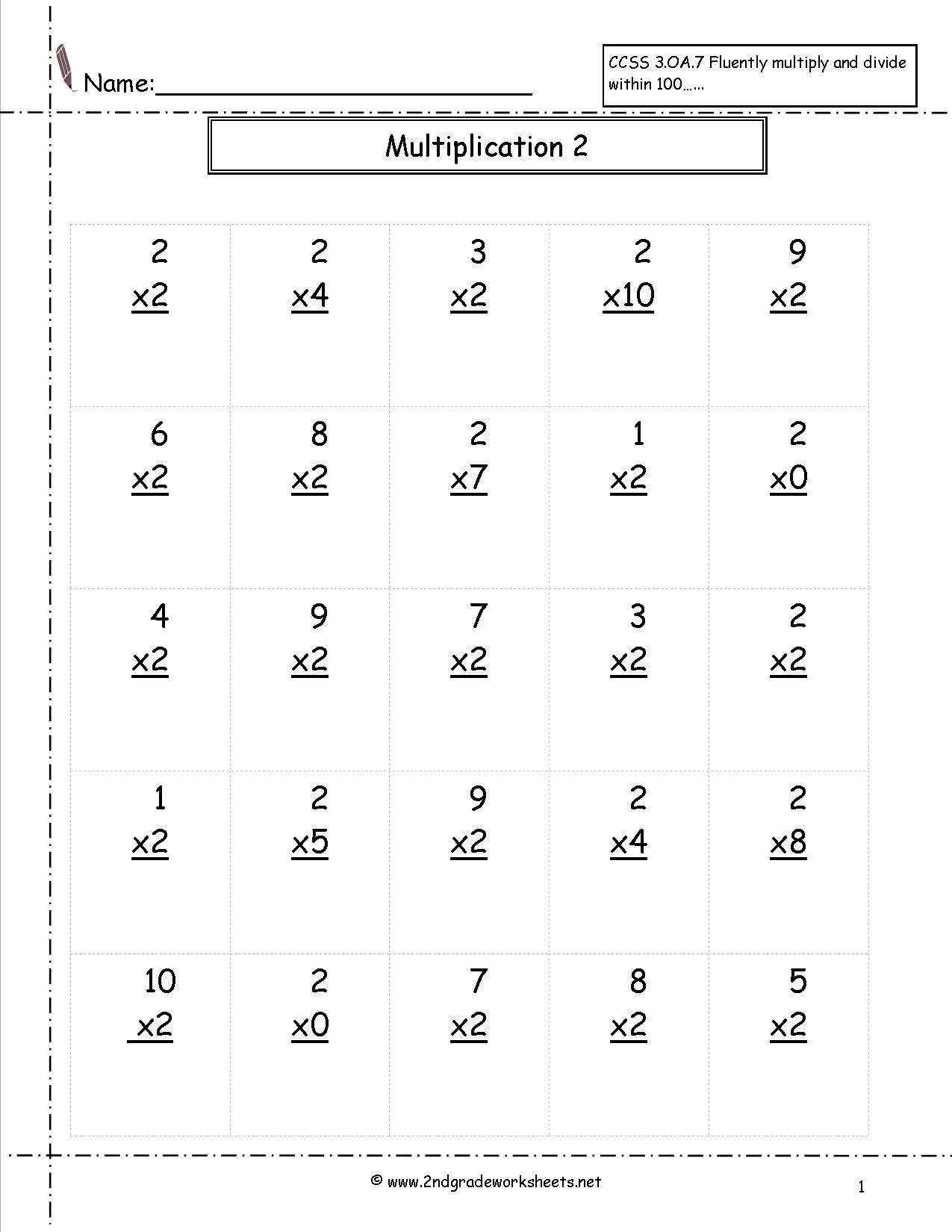
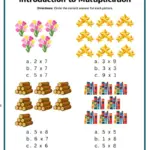
Before diving into specific resources, it’s essential to clarify what multiplication means for second graders. At this age, students should understand multiplication as repeated addition. For instance, instead of thinking of 3 x 4 as a standalone equation, they can visualize it as 4 + 4 + 4. This foundational understanding sets the stage for more complex multiplication concepts later on.
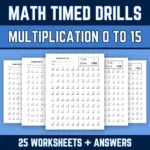
Using worksheets that reinforce this idea can be highly beneficial. Look for printable resources that include visual aids, such as groups of objects or number lines. These can help students connect the dots between addition and multiplication, making the concept more relatable.
Choosing the Right Resources
When selecting printable multiplication worksheets, consider a few key factors:
- Skill Level: Ensure that the worksheets are appropriate for Grade 2 students. They should start with simple problems, like multiplying by 1, 2, and 3, before moving on to larger numbers.
- Variety: Look for a mix of problem types. Some worksheets should focus on straightforward multiplication problems, while others could include word problems or puzzles that incorporate multiplication.
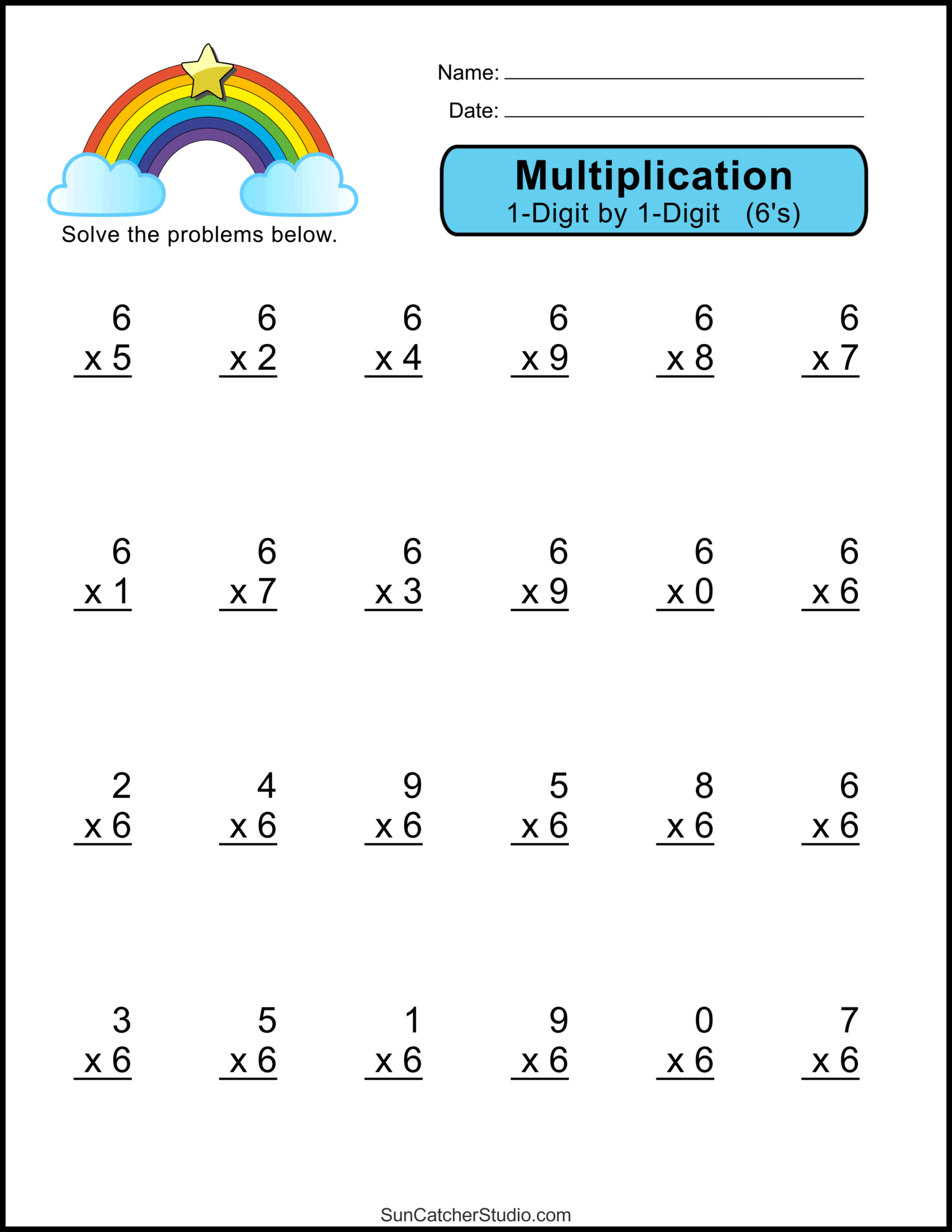
- Engagement: Choose resources that are visually appealing. Worksheets with colorful graphics or themes can make learning more enjoyable for students.
Once you’ve found suitable worksheets, download and print them. Remember, using cardstock for printing can make the worksheets more durable, especially if they will be reused or laminated for multiple uses.
Setting Up a Multiplication Practice Schedule
Repetition is key when mastering multiplication. Rather than overwhelming students with a large number of problems in one sitting, spread the practice across the week. Here’s a simple plan:
- Monday: Introduce new concepts with a worksheet that explains the basics.
- Tuesday: Use flashcards to reinforce multiplication facts learned the previous day.
- Wednesday: Apply knowledge with a worksheet that includes word problems.
- Thursday: Play a multiplication game that encourages friendly competition among peers.
- Friday: Assess progress with a quick quiz or a fun activity that reviews the week’s learning.
This approach not only helps students digest the material but also allows for tracking progress effectively. You can use a simple checklist to mark which concepts each student has mastered.
Incorporating Fun Activities
While worksheets are a vital part of learning, incorporating games and interactive activities can boost engagement. Here are some ideas:
- Multiplication Bingo: Create bingo cards with multiplication problems. Call out answers, and students mark the corresponding problem on their cards.
- Online Games: Websites like ABCya and Math Playground offer fun, interactive multiplication games that reinforce skills in a playful way.
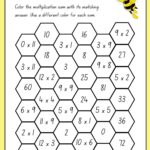
- Coloring Pages: Combine creativity with learning by using coloring pages that incorporate multiplication themes. Students can color groups of items as they solve problems.
These activities can serve as refreshing breaks from traditional worksheets while still reinforcing multiplication concepts.
Tracking Progress Effectively
To ensure students are grasping the material, regular assessment is crucial. Here are some strategies to track their progress:
- Weekly Quizzes: After a week of learning, give a short quiz covering the material. This can be a mix of multiple-choice and open-ended questions.
- Observation: Pay attention to how students engage with both worksheets and games. Are they becoming faster at solving problems? Are they more confident?
- Student Self-Assessment: Encourage students to reflect on their own progress. They can color in a chart or use stickers to represent their confidence levels with different multiplication facts.
By keeping track of these elements, you’ll have a clearer picture of each student’s understanding and areas that may need more attention.
Adapting Resources for Different Learning Styles
Every student learns differently. Some may excel with visual aids, while others benefit from auditory or kinesthetic learning. Here’s how you can adapt your resources:
- Visual Learners: Use colorful charts and diagrams that illustrate multiplication concepts.
- Auditory Learners: Incorporate songs or chants that help memorize multiplication facts.
- Kinesthetic Learners: Engage students with hands-on activities, such as using blocks to demonstrate multiplication.
By tailoring your approach to fit various learning styles, you’ll create a more inclusive learning environment that meets the needs of all your students.
Immediate Tip for Implementation
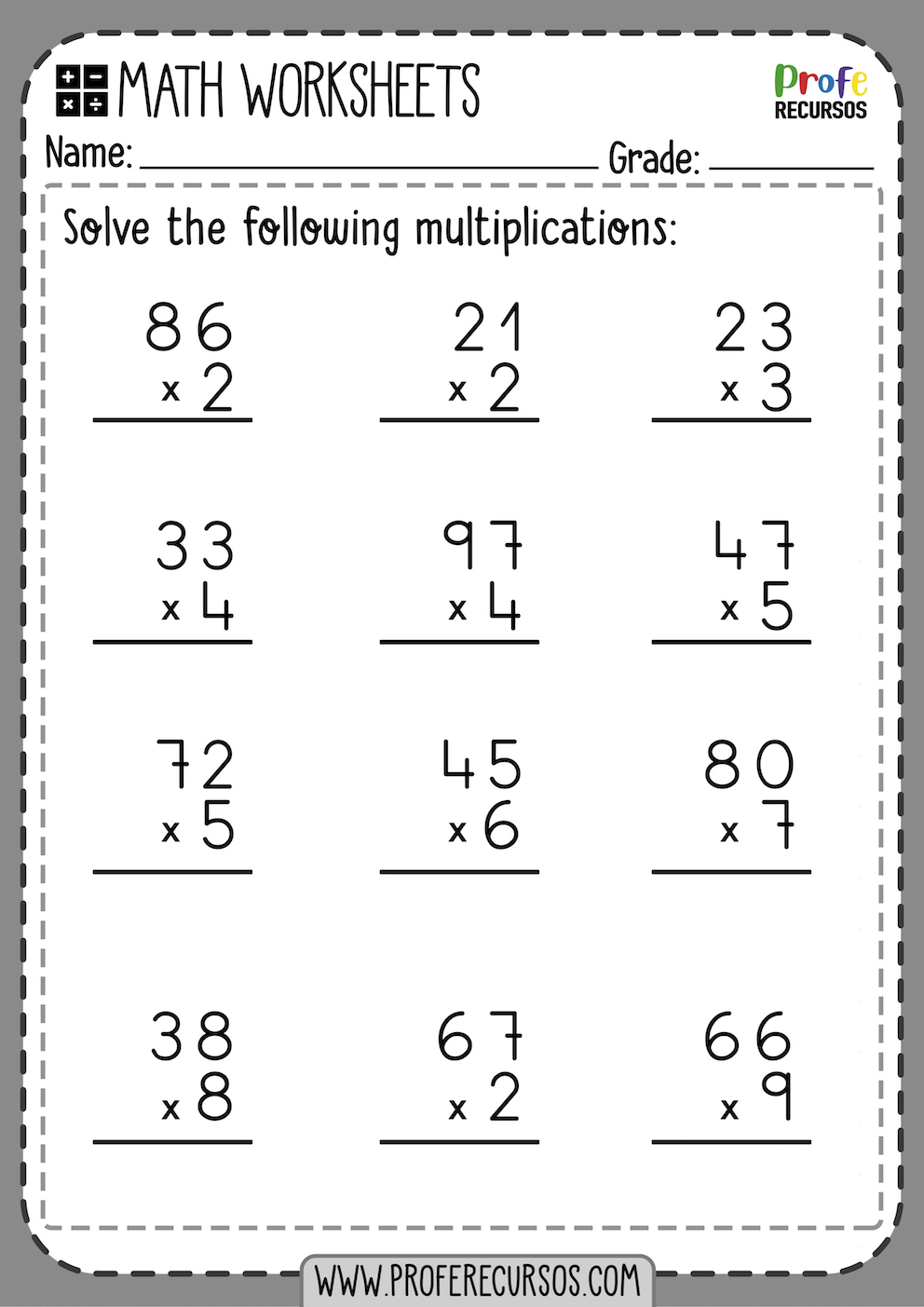
To get started right away, download a set of Easy Multiplication For Grade 2 worksheets this week. Print them out, and create a simple weekly schedule to incorporate them into your lessons. Track your students’ progress using a checklist, and adjust your teaching methods based on their needs. This structured approach will lay a solid foundation for their multiplication skills, making learning both effective and enjoyable.