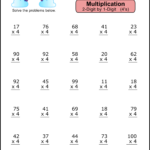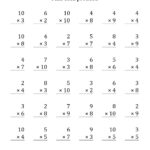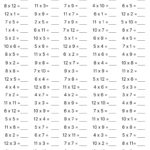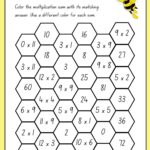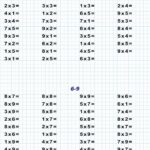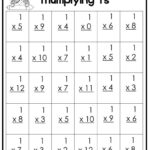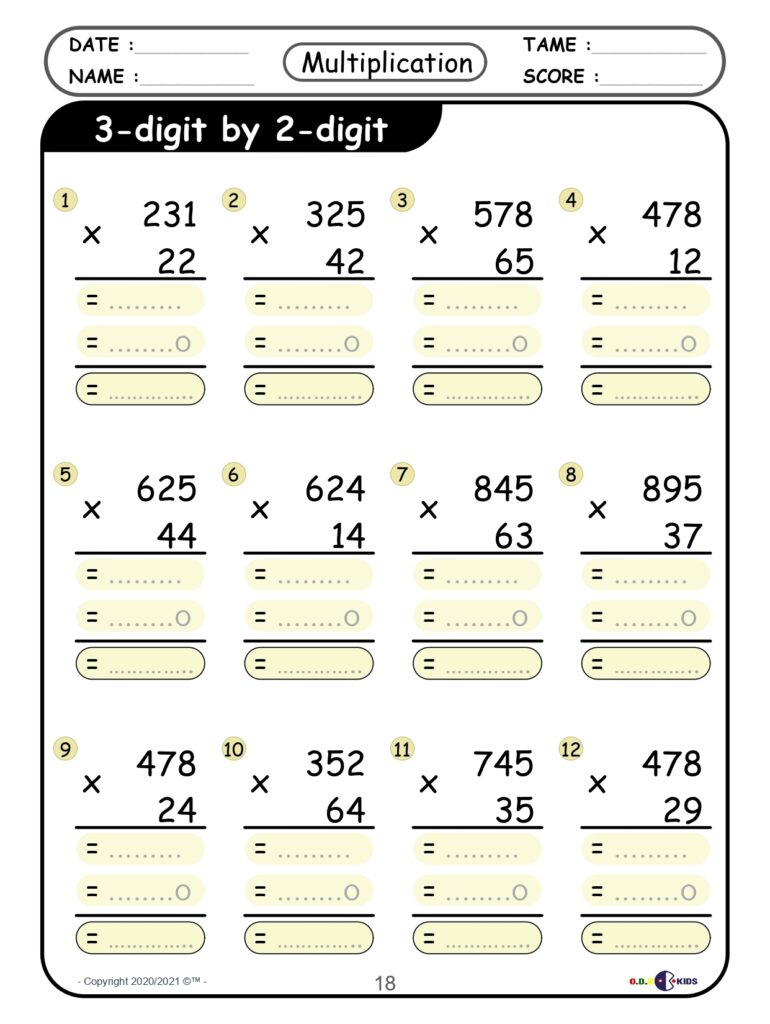
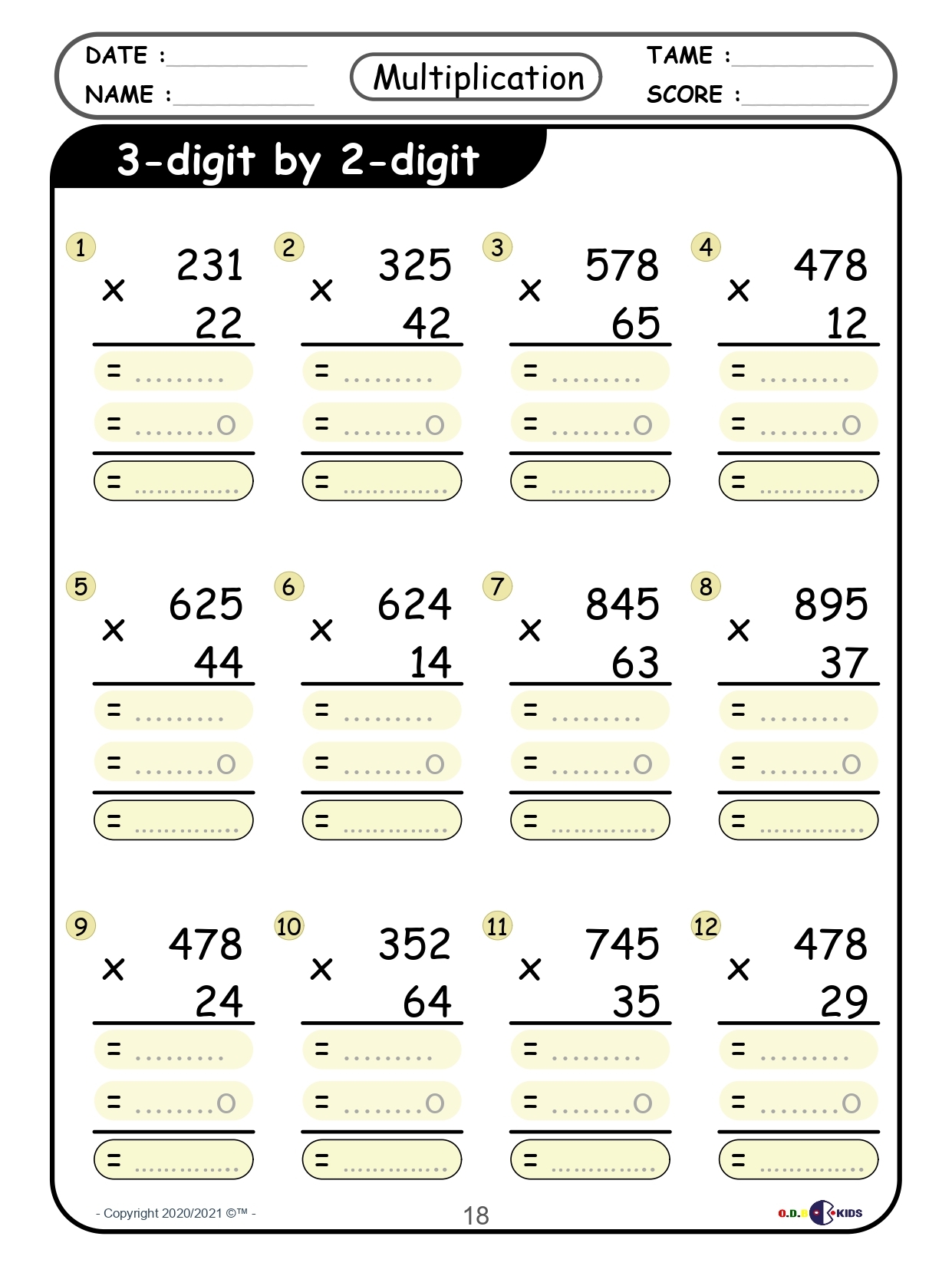
As the afternoon sun streamed into the classroom, Ms. Thompson noticed that some of her students were struggling with their math homework. Their faces were a mix of confusion and frustration as they tried to tackle multi-digit numbers. This is where the Compute With Multi Digit Numbers Worksheet comes in handy. It offers engaging practice that not only reinforces skills but also helps students gain confidence in their abilities.
Understanding Multi-Digit Computation
Multi-digit computation is an essential skill for students, typically introduced around the third grade. It lays the foundation for more complex arithmetic operations and is crucial for everyday math applications. Students learn to add, subtract, multiply, and divide larger numbers, which are skills they’ll rely on throughout their academic journey and beyond.
Using a well-structured worksheet can make this learning process smoother and more enjoyable. The Compute With Multi Digit Numbers Worksheet provides various problems formulated to challenge students while being age-appropriate. By integrating these worksheets into your teaching routine, you can help demystify these concepts and foster a positive math environment.
Features of the Worksheet
When selecting a worksheet like the Compute With Multi Digit Numbers Worksheet, look for features that enhance its effectiveness:
- Variety of Problems: A good worksheet should include a mix of addition, subtraction, multiplication, and division problems. This diversity helps students practice different skills in one session.
- Clear Instructions: Ensure the worksheet provides straightforward instructions. Clear directions reduce confusion and allow students to focus on the math rather than deciphering what to do.
- Visual Appeal: Worksheets that are visually engaging can capture students’ attention. Look for those with colorful designs or interesting layouts to keep learners motivated.
- Answer Key: An answer key is invaluable for quick assessments. It allows teachers or parents to provide immediate feedback, which is essential for learning.
Practical Use in the Classroom or Home
The Compute With Multi Digit Numbers Worksheet is versatile, making it suitable for various settings—whether in a classroom, homeschool, or during family study time. Here are some ideas on how to incorporate it effectively:
In the Classroom
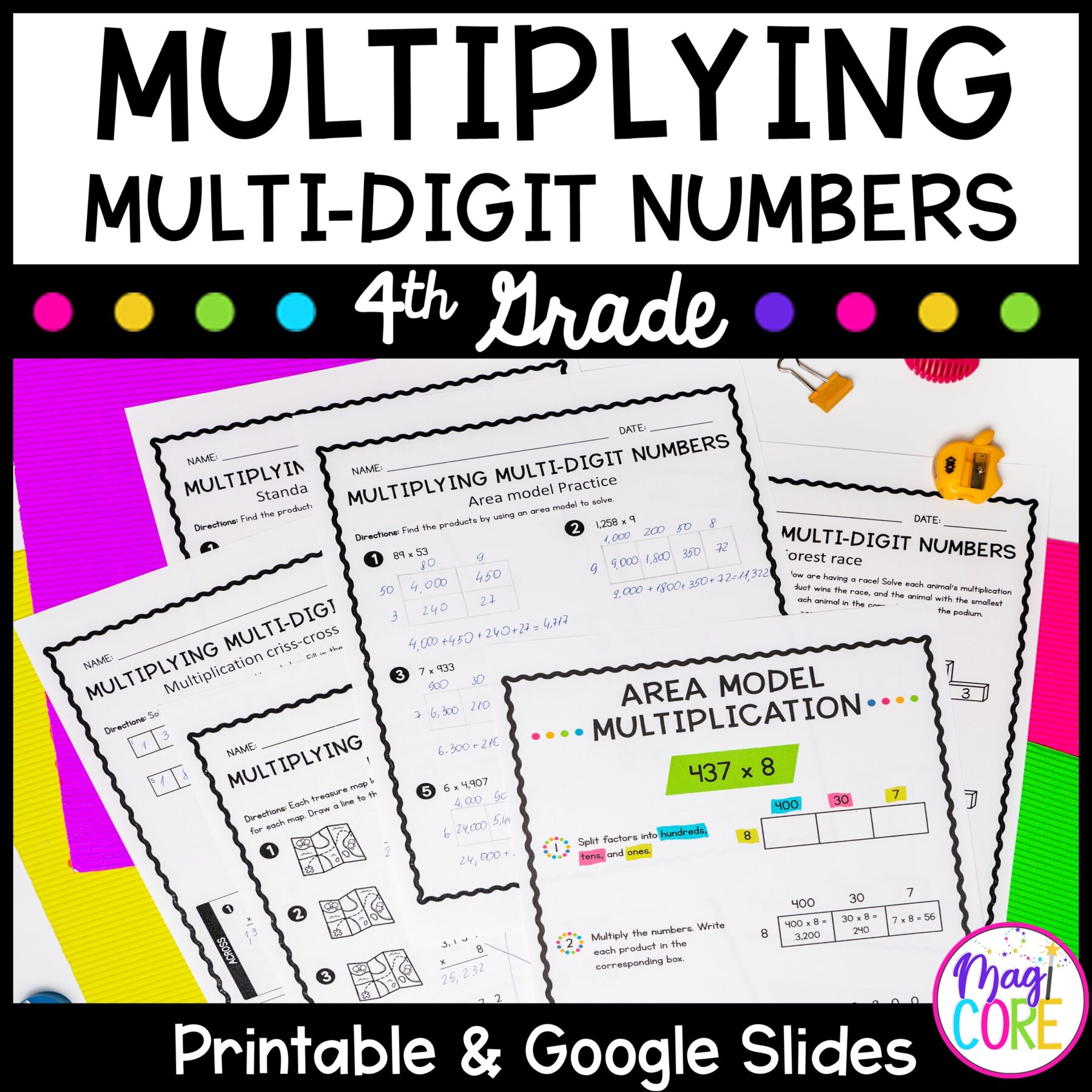
- Warm-Up Activity: Use the worksheet as a warm-up exercise at the start of math class. Distributing a few problems can help assess students’ current understanding and readiness for new material.
- Small Group Work: Group students to encourage collaboration. They can work together to solve problems, share strategies, and discuss their thought processes, reinforcing peer learning.
At Home
- Supplemental Practice: If your child struggles with math, use the worksheet for additional practice at home. Set aside a quiet time each day to focus on these exercises.
- Family Challenge: Turn it into a fun family activity. Set a timer and see who can solve the most problems correctly within a certain timeframe. This not only makes learning fun but also adds a competitive element.
Tailoring the Worksheet for Different Learning Levels
Not every student learns at the same pace, so it’s essential to tailor the Compute With Multi Digit Numbers Worksheet to meet individual needs. Here are a few practical tips:
- Scaffold Learning: For students who find multi-digit numbers challenging, start with simpler problems and gradually increase difficulty. This gradual approach helps build confidence.
- Provide Extra Support: Use manipulatives or visual aids for students who struggle with abstract concepts. For example, using base ten blocks can help them visualize the addition and subtraction of larger numbers.
- Encourage Independent Work: For more advanced learners, allow them to tackle the worksheet independently. Encourage them to explain their thought process, which reinforces their understanding and can help identify any gaps in knowledge.
Recognizing Progress and Mastery
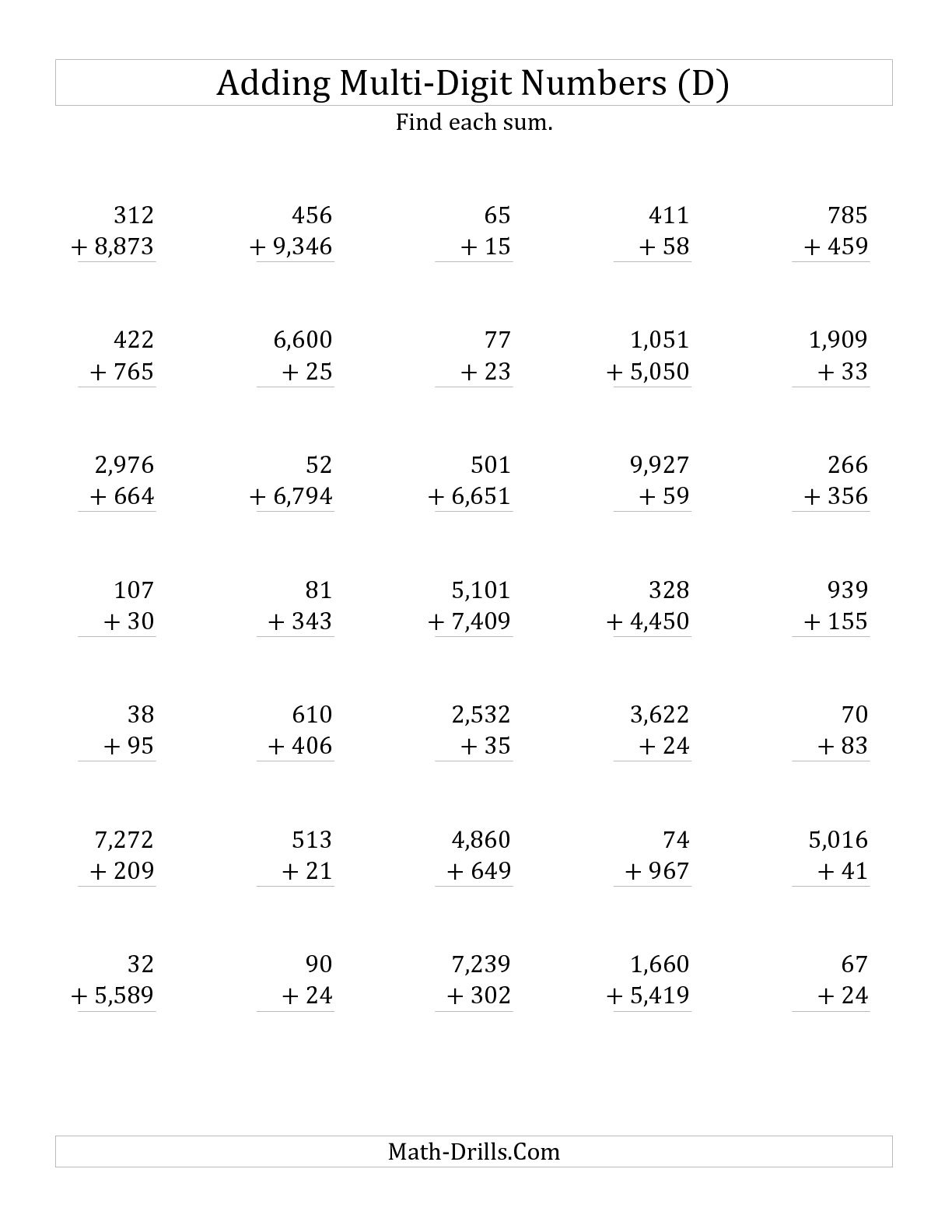
Using the Compute With Multi Digit Numbers Worksheet isn’t just about completing problems; it’s about tracking progress. Here’s how to monitor growth effectively:
- Regular Assessments: After completing a worksheet, review the results together. Discuss any mistakes and ensure that students understand the correct methods.
- Set Goals: Encourage students to set personal goals. For example, they might aim to improve their accuracy on multi-digit multiplication problems. Celebrating small victories can motivate them to continue improving.
- Feedback Loop: Provide constructive feedback regularly. Highlighting what they did well and where they can improve helps students feel supported and more invested in their learning.