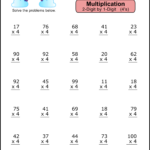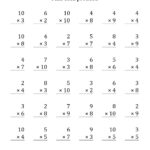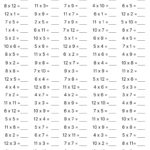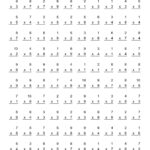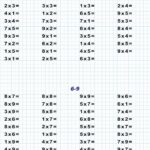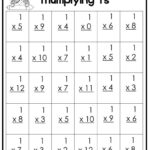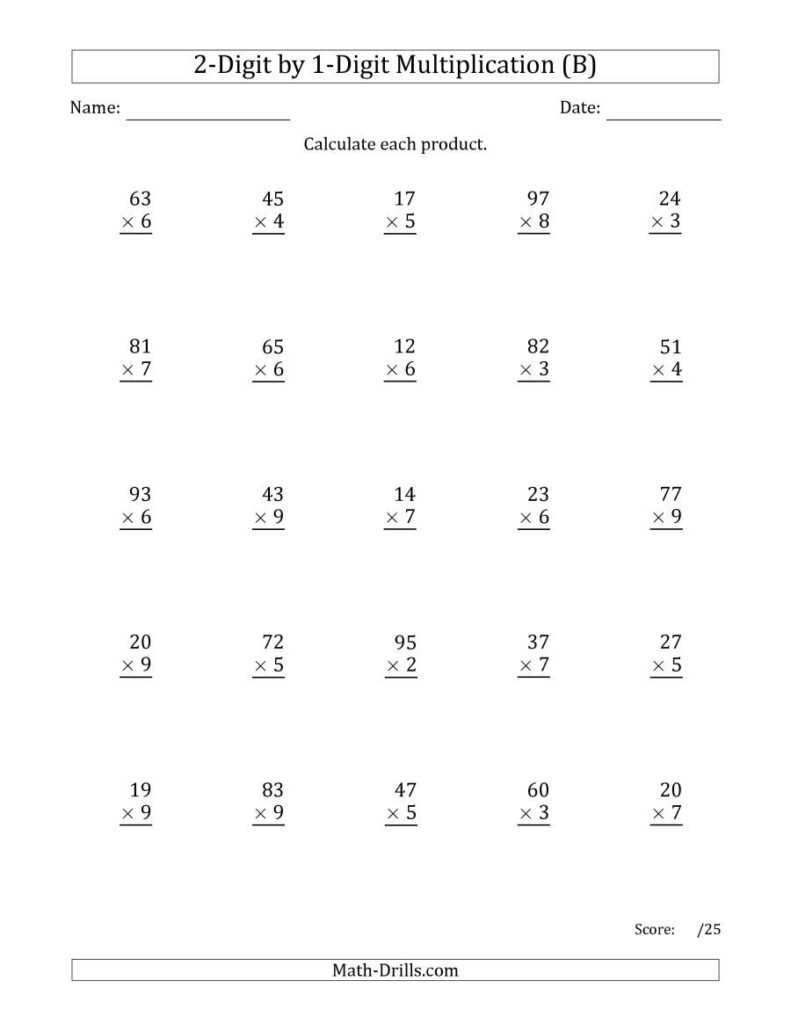
Understanding multiplication is a key milestone in a child’s mathematical journey, especially for Class 1 students. The Class 1 Maths Worksheet Multiplication is specifically designed to introduce and reinforce this crucial concept through engaging activities. Unlike typical worksheets that may overwhelm young learners with complex problems, this resource focuses on simplicity and clarity, making it accessible and enjoyable for first graders.
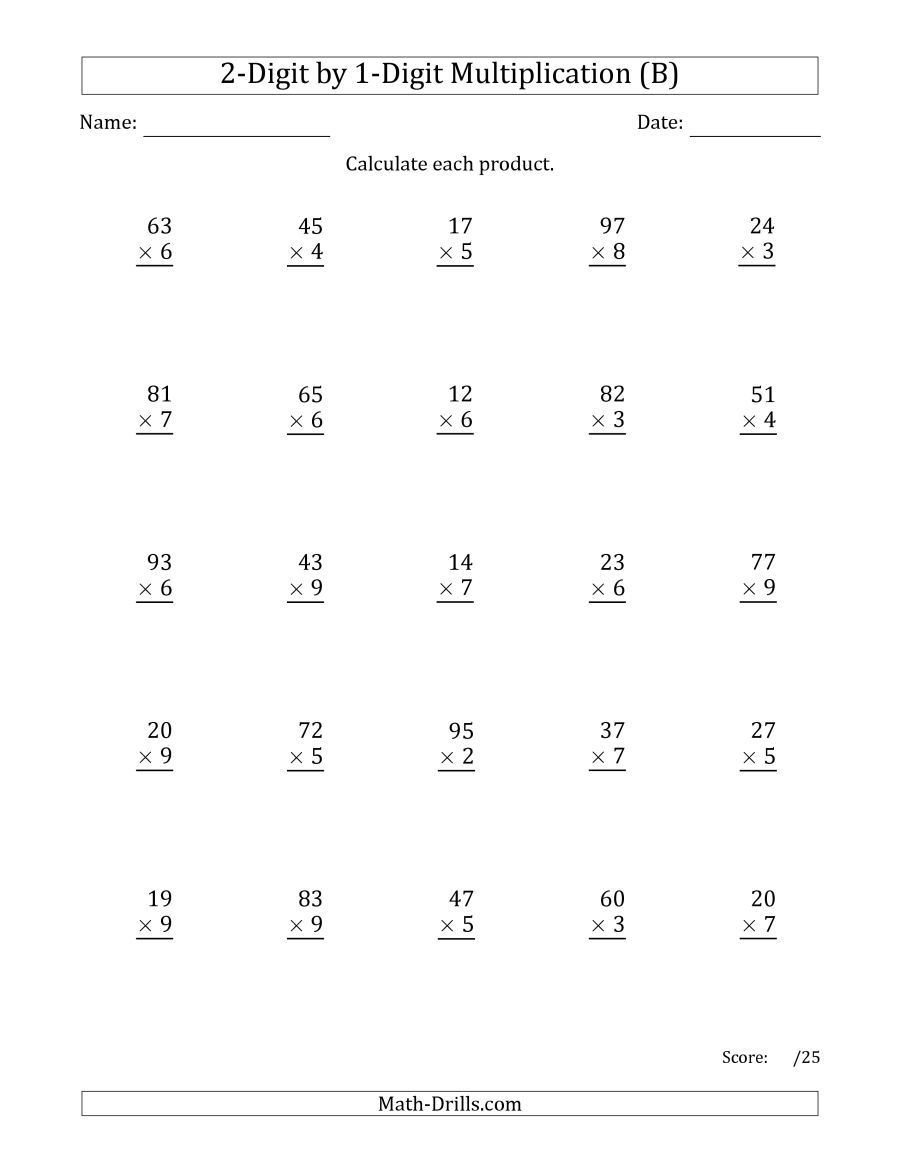
Key Features of the Class 1 Maths Worksheet Multiplication
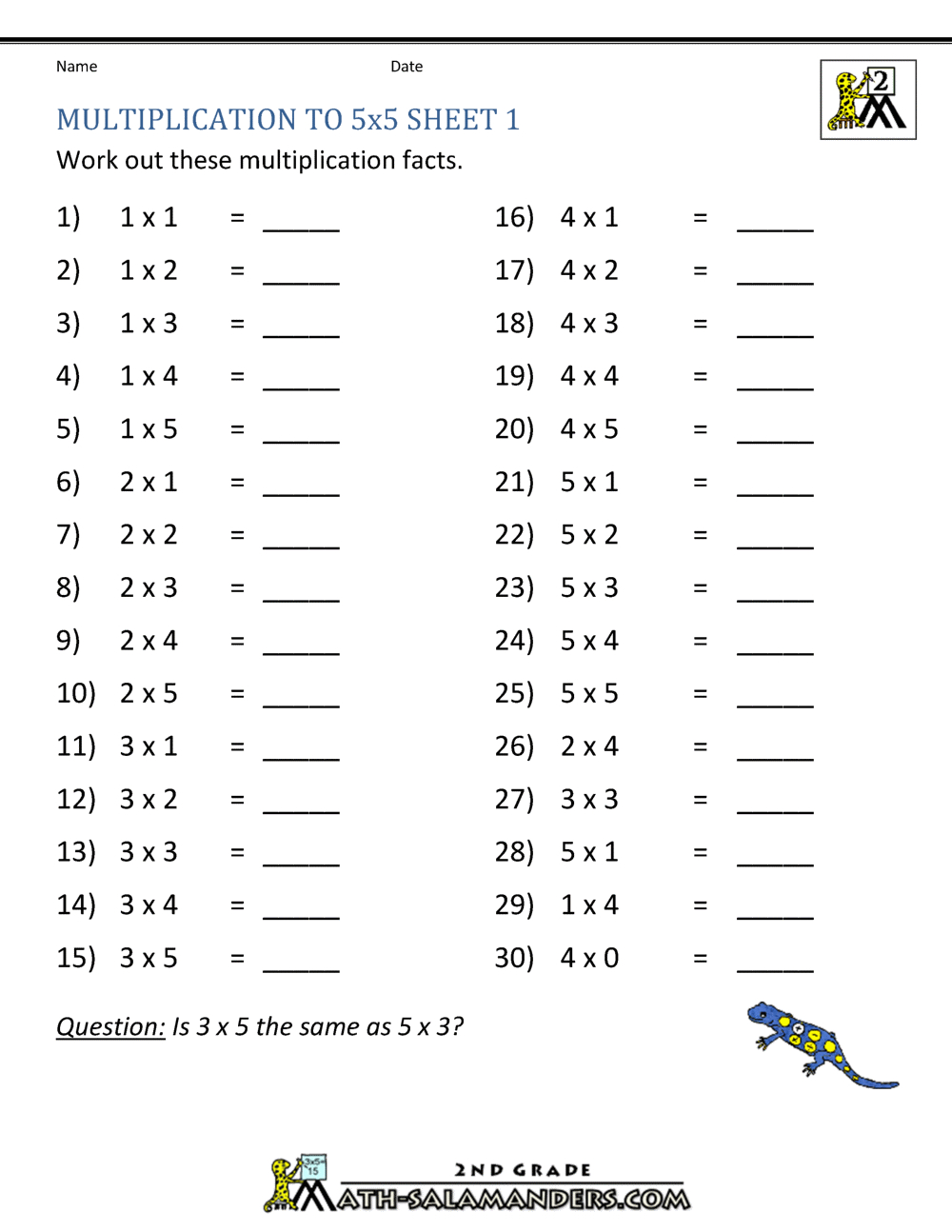
This worksheet is thoughtfully designed with several features that cater to the learning needs of Class 1 students:
- Age-Appropriate Problems: Problems are tailored for first graders, utilizing small numbers and familiar contexts, such as fruits or animals, to stimulate interest.
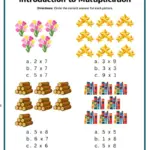
- Visual Aids: Incorporating colorful images and illustrations makes the learning process visually appealing, helping children to grasp multiplication concepts more intuitively.
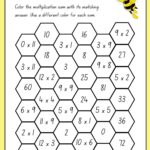
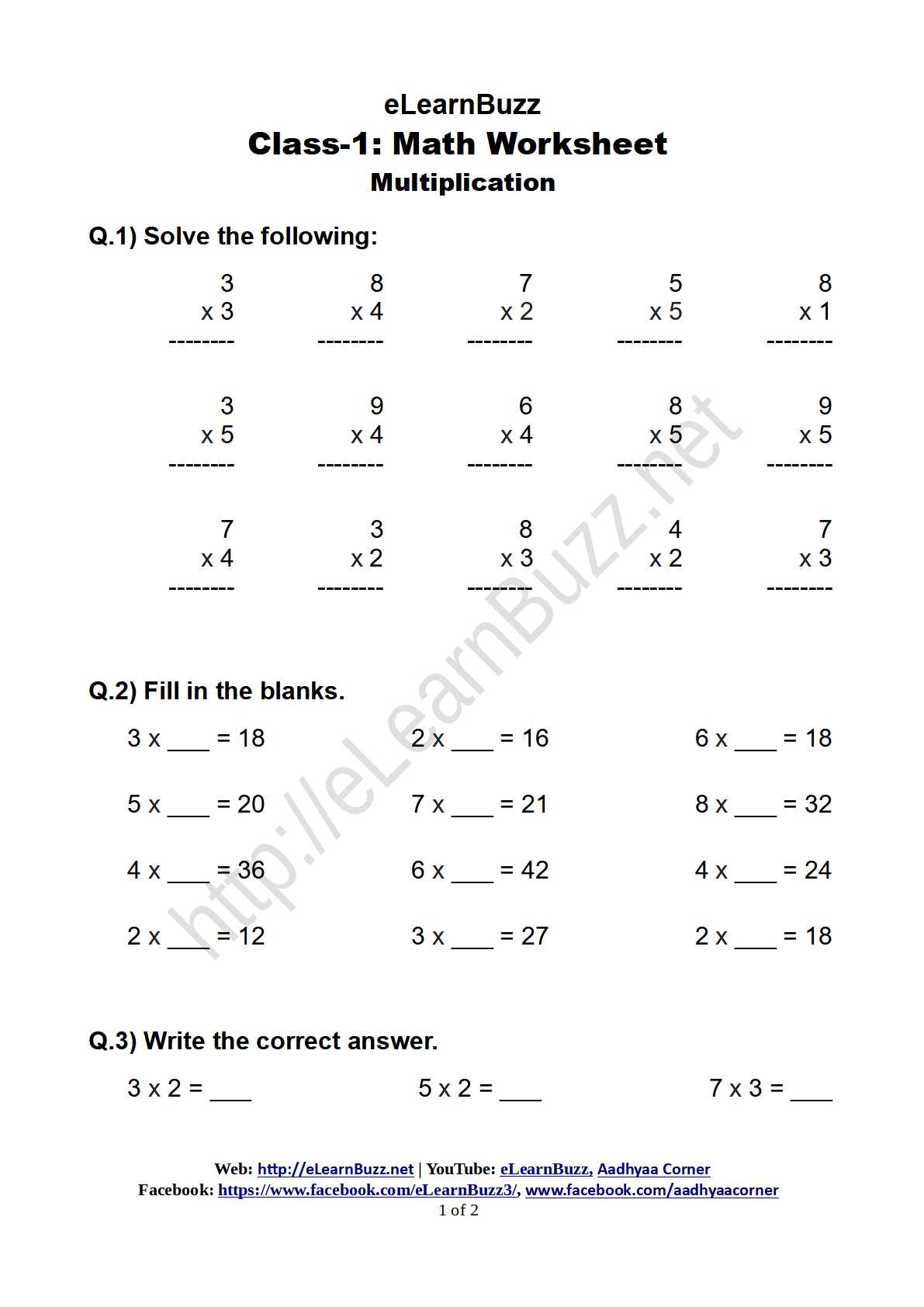
- Varied Formats: The worksheet includes different question formats, such as fill-in-the-blanks, matching, and simple multiplication tables, providing diverse methods for students to engage with the material.
- Answer Key Included: An answer key is provided, which simplifies the grading process for teachers and parents, allowing for quick feedback on student performance.
How to Use the Worksheet Effectively
Using the Class 1 Maths Worksheet Multiplication effectively can enhance the learning experience for students. Here are some practical tips:
- Print in Bulk: If you’re teaching a full class, consider printing multiple copies at once. This saves time and ensures that every student has access to the same material. Using standard A4 paper is typically best for clarity and ease of handling.
- Set a Comfortable Pace: Allow students to work through the worksheet at their own pace. Some may grasp the concepts quickly, while others might need more time. Encourage them to ask questions if they don’t understand something.
- Incorporate Group Activities: Use the worksheet as a foundation for group activities. For instance, students can pair up to solve problems together, fostering collaboration and discussion about their thought processes.
- Follow Up with Discussion: After students complete the worksheet, hold a class discussion to review answers. This reinforces learning and allows students to learn from each other’s mistakes and successes.
- Use as Homework: The worksheet can be assigned for homework to reinforce classroom learning. Just ensure that parents are aware of the concepts being taught so they can assist their children if needed.
Benefits of the Class 1 Maths Worksheet Multiplication
This resource offers numerous benefits that can significantly impact a child’s learning trajectory:
- Foundation for Future Learning: Mastering multiplication at this early stage lays a strong mathematical foundation for future concepts such as division and more complex arithmetic.
- Engagement through Fun: The fun and interactive approach keeps children engaged, making learning a positive experience rather than a chore.
- Immediate Feedback: The inclusion of an answer key allows for immediate feedback, which is crucial for young learners to recognize and correct their mistakes promptly.
Layout and Design Specifics
The layout of the Class 1 Maths Worksheet Multiplication is crucial for its effectiveness. Here are some design aspects worth noting:
- Clear Headings: Each section of the worksheet is clearly labeled, guiding students through different types of multiplication problems. This clarity helps students understand what is expected in each part.
- Ample Space for Work: There is plenty of space for students to write their answers. This is vital as it prevents overcrowding and confusion, allowing them to focus on their calculations.
- Engaging Illustrations: Illustrations are not just decorative; they serve a purpose in the learning process. They can help students visualize problems and relate them to real-world scenarios, enhancing understanding.
- Easy to Navigate: The worksheet is designed for easy navigation. Students can move from one section to another without feeling lost, which is particularly important for younger learners who may struggle with complex layouts.
Grading and Review Process
Grading the Class 1 Maths Worksheet Multiplication can be straightforward thanks to the included answer key. Here are some strategies to make the grading process efficient:
- Quick Review: Use a color-coded system to mark answers. For instance, green for correct answers, yellow for partially correct, and red for incorrect. This visual feedback can help students quickly identify areas needing improvement.
- Group Grading: If working with a large class, consider grouping worksheets for grading. This can save time and allow for quicker feedback cycles.
- Incorporate Comments: Adding brief comments on students’ worksheets can provide helpful feedback. Highlighting what they did well alongside areas for improvement encourages a growth mindset.
Adapting the Worksheet for Different Learning Styles
Every child learns differently, so it’s beneficial to adapt the Class 1 Maths Worksheet Multiplication for various learning styles:
- Visual Learners: For students who learn best through images, incorporate additional visual aids or manipulatives, such as counters or colorful blocks, to reinforce multiplication concepts.
- Kinesthetic Learners: Engage these students by turning problems into physical activities. For example, they could physically group objects to demonstrate multiplication, making the concept more tangible.
- Auditory Learners: For these students, consider discussing problems aloud or using songs and rhymes that emphasize multiplication. This can reinforce learning in a way that suits their strengths.