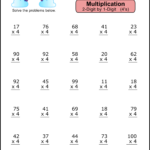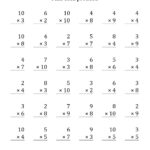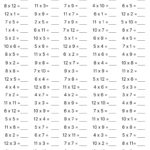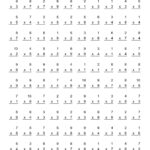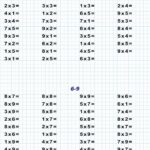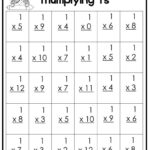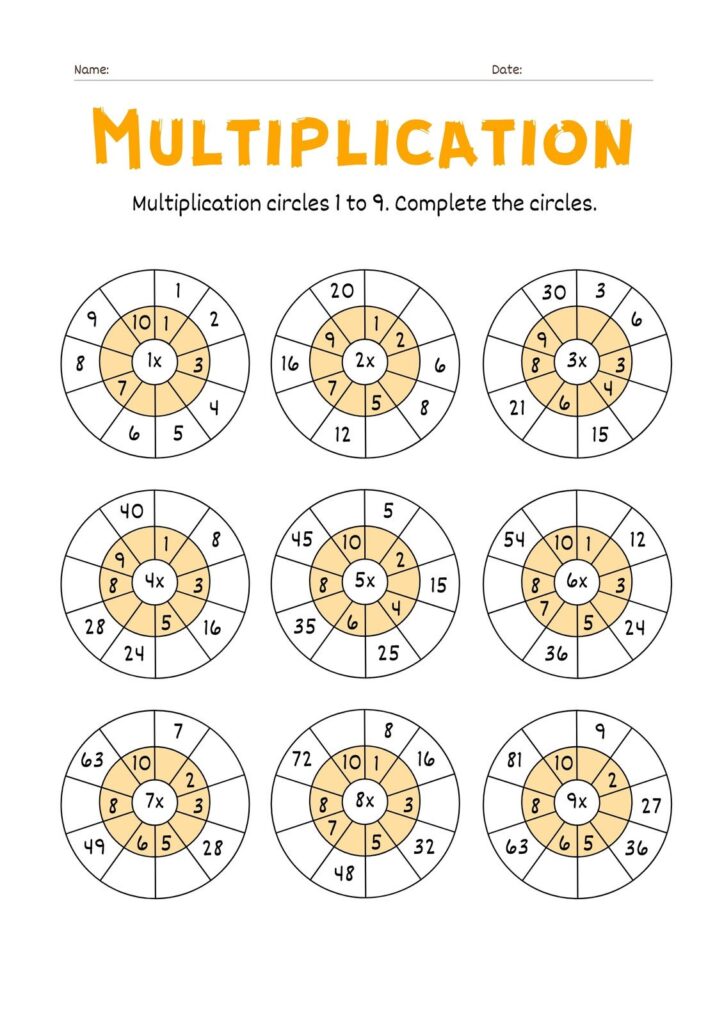
Samantha sat at her kitchen table, surrounded by colorful markers and stacks of paper. Her son, Jake, was struggling with multiplication, and she wanted to make learning fun. She decided to create a set of engaging worksheets to help him practice. That’s when she thought, “I can build my own multiplication worksheets.” This simple idea transformed their math sessions into enjoyable learning experiences. If you’re looking to create customized worksheets that cater to your student’s needs, you’re in the right place.
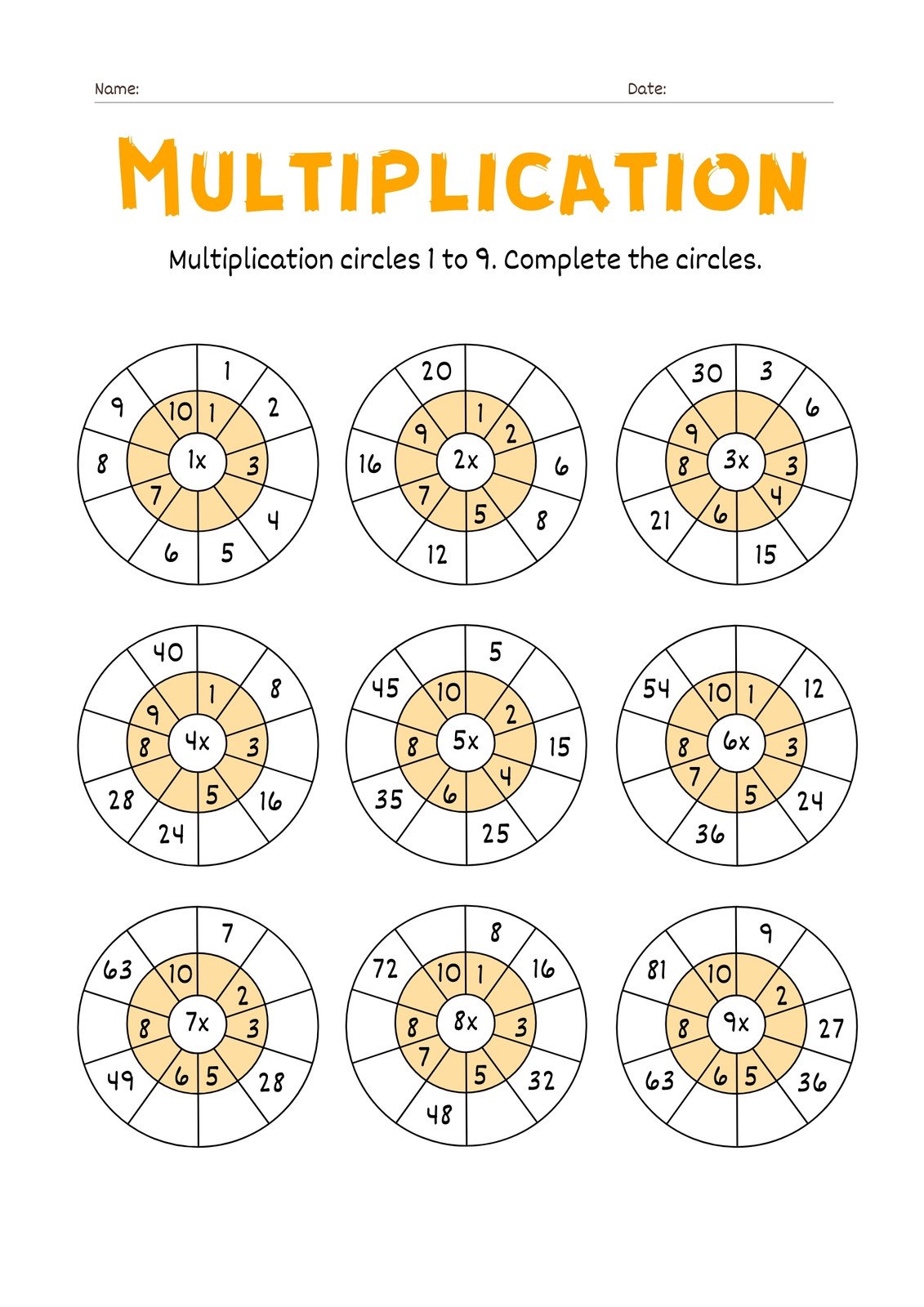
Understanding the Basics of Multiplication Worksheets
Before diving into the creation process, it’s essential to understand what makes multiplication worksheets effective. These resources should reinforce multiplication concepts, promote independent practice, and be visually engaging for children. Worksheets can be designed for various skill levels, from simple single-digit multiplication to more complex problems involving larger numbers.
When creating worksheets, consider the age and proficiency level of the learner. For example, first graders might need worksheets focused on the 1-5 multiplication tables, while fourth graders can handle 6-12. Tailoring your worksheets to the appropriate level ensures that students remain challenged yet not overwhelmed.
Steps to Build My Own Multiplication Worksheets
Creating your multiplication worksheets can be a straightforward process with a few simple steps. Here’s how you can get started:
Step 1: Determine the Focus of the Worksheet
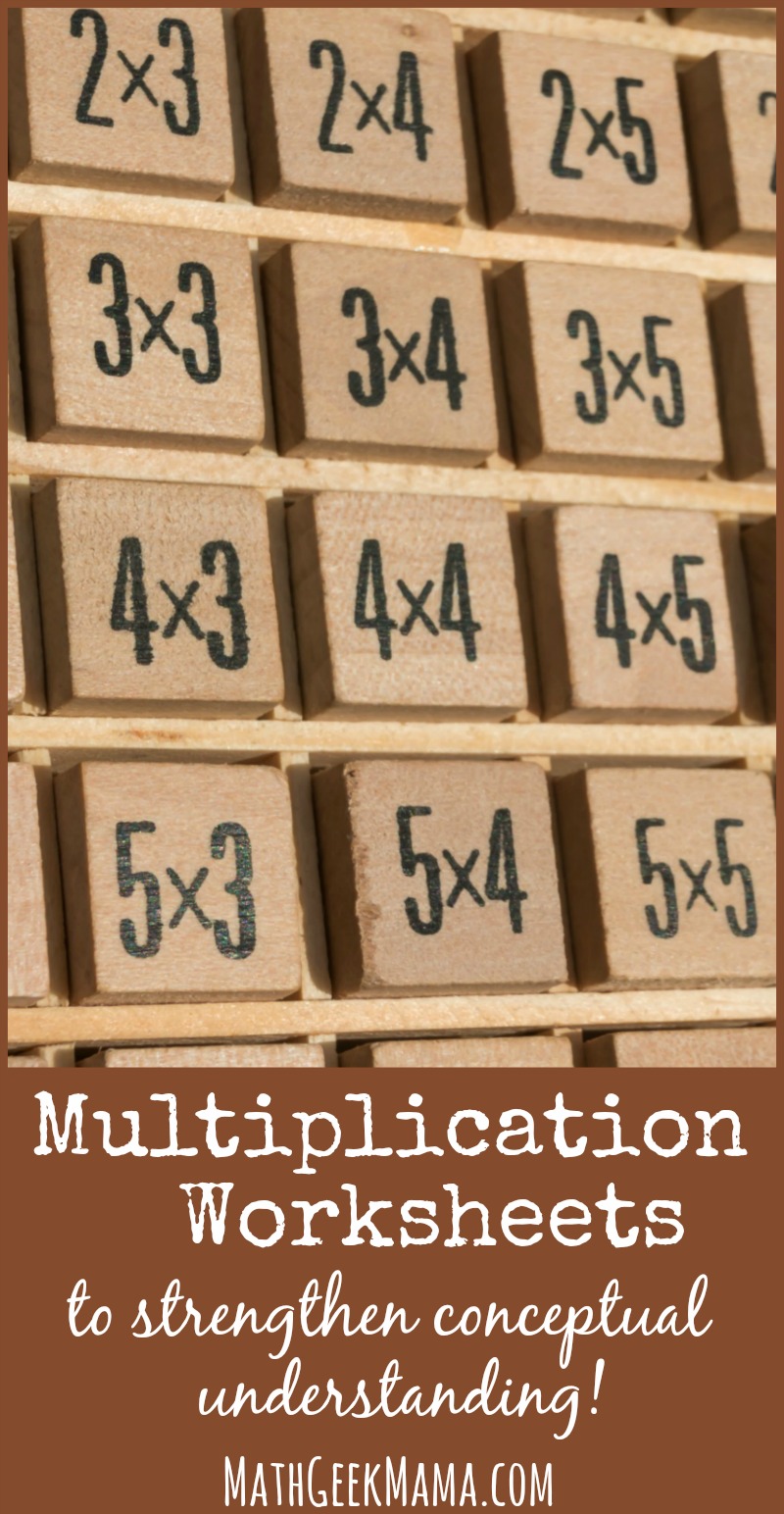
Decide what aspect of multiplication you want to cover. Do you want to create a worksheet that focuses on memorization of multiplication facts, or do you want to include word problems that apply multiplication in real-life scenarios? This decision will guide how you structure the worksheet.
Step 2: Choose a Format
The format of your worksheet can significantly impact its usability. Here are some common formats you might consider:
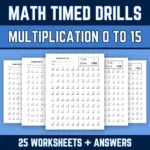
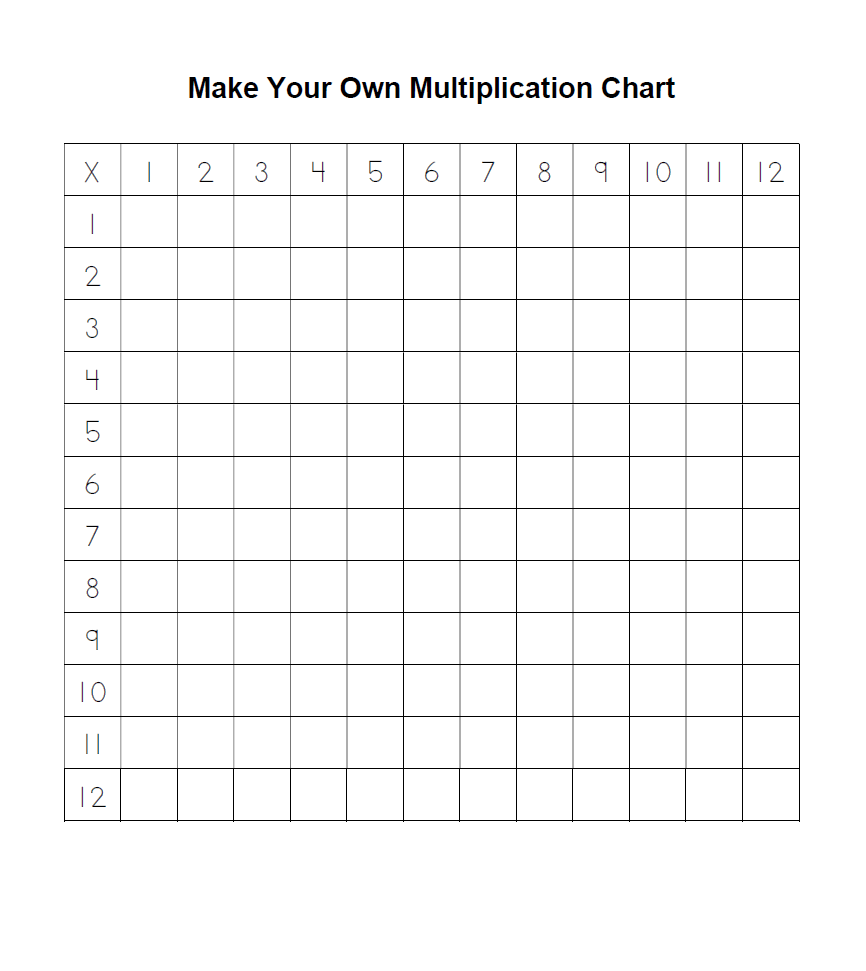
- Grids: Perfect for students to practice multiplication facts in a structured way.
- Word Problems: These can help students apply multiplication in context.
- Fill-in-the-Blank: This approach encourages students to think critically about the multiplication facts.
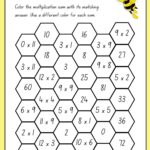
- Coloring Pages: Combine fun and learning by incorporating coloring activities into the multiplication practice.
Step 3: Design the Layout
When designing the layout, think about how many problems you want to include. A good rule of thumb is to have around 10-20 problems per worksheet. This amount is manageable for students and allows for focused practice without causing fatigue.
For younger learners, use larger fonts and plenty of space between problems. For older students, you can have a more compact design. Consider using a landscape layout for more extensive problems or word problems, as it provides additional space.
Step 4: Create Engaging Content
The content of your worksheets should be engaging and varied. Here are some ideas to keep the practice interesting:
- Mix Up the Problems: Alternate between straightforward multiplication facts and word problems to maintain student interest.
- Incorporate Themes: Use seasonal themes or popular characters to make the worksheets more appealing.
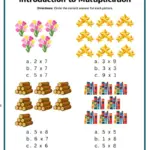
- Add Visuals: Including images or illustrations can help younger students stay engaged.
Step 5: Include Answer Keys
Providing an answer key is essential for self-correction. This feature allows students to check their work independently, promoting a sense of ownership over their learning. Make sure that the answer key is clear and easy to follow.
Tools for Building Your Worksheets
There are several tools and resources available to help you create your multiplication worksheets. Here are a few popular options:
- Word Processors: Programs like Microsoft Word or Google Docs allow for easy text editing and formatting.
- Worksheet Generators: Websites like Education.com or Teachers Pay Teachers offer customizable templates specifically designed for creating math worksheets.
- Graphic Design Software: If you’re feeling creative, software like Canva can help you design visually stunning worksheets.
Tips for Effective Worksheet Creation
- Test the Worksheets: Before handing them out, try them yourself or have a colleague review them. This testing ensures that the problems are appropriate for the intended age group and skill level.
- Gather Feedback: After students complete the worksheets, ask them what they liked and what they found challenging. This feedback can guide future worksheet creation.
- Make Them Reusable: Consider laminating worksheets or using dry-erase pockets so students can reuse them multiple times. This approach not only saves paper but also allows for continued practice.
Maximizing the Use of Your Worksheets
Once you’ve created your multiplication worksheets, think about how to integrate them into your teaching routine effectively. Here are some practical ways to utilize these resources:
- Independent Practice: Hand out the worksheets during independent work time, allowing students to practice multiplication at their own pace.
- Homework Assignments: Send the worksheets home for homework to reinforce what students have learned in class.
- Group Activities: Use the worksheets in small groups or pairs, encouraging students to work collaboratively and discuss their approaches to solving the problems.