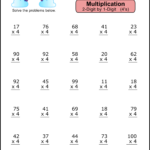
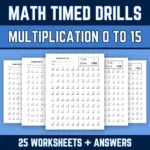
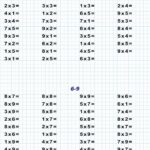
Beginning Two Digit Multipliccation With One Digit Worksheets provide essential practice for students beginning to tackle multiplication problems. These worksheets are designed specifically for young learners, typically in grades 2-4, who are transitioning from single-digit to two-digit multiplication. This resource is ideal for teachers and homeschool parents looking to reinforce multiplication concepts in a structured and engaging manner.
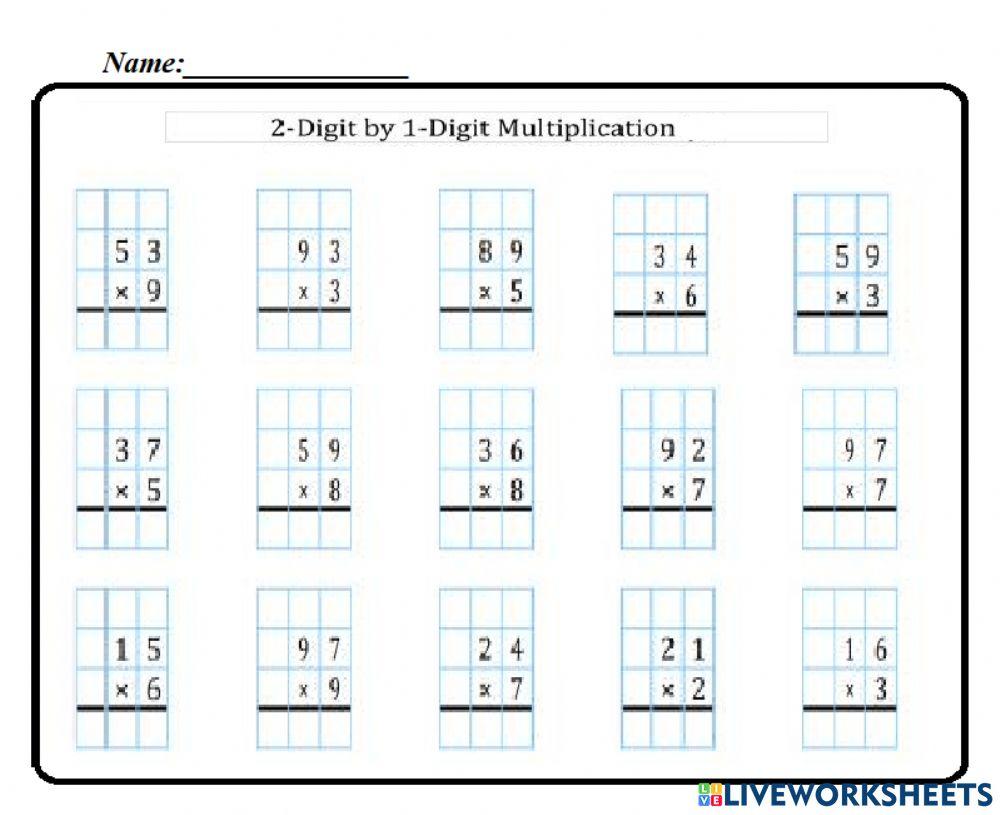
Understanding the Basics of Two-Digit Multiplication
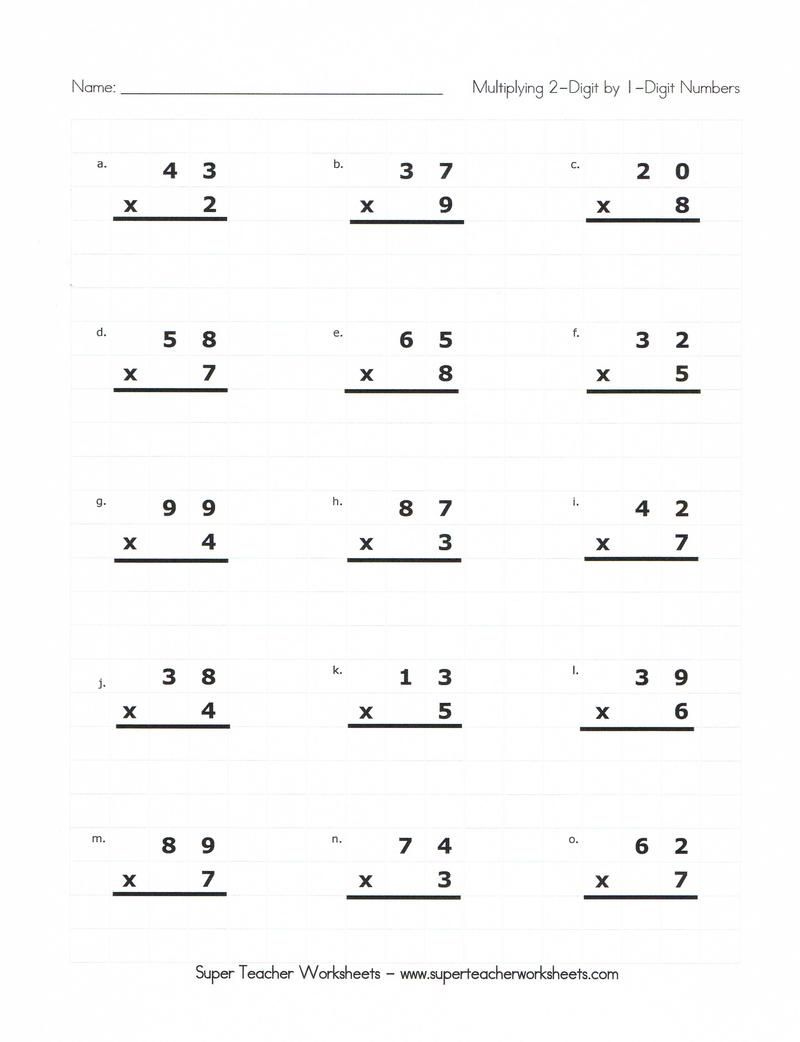
Before diving into the worksheets, it’s crucial to understand what two-digit multiplication entails. It involves multiplying a two-digit number by a one-digit number, requiring students to use their knowledge of place value and basic multiplication facts. For example, multiplying 23 by 4 means students must first multiply 4 by the 3 (units) and then 4 by the 2 (tens), adding the results together.
These worksheets typically feature a variety of problems, from straightforward calculations to those that encourage students to apply their understanding in word problems. This variety helps cater to different learning styles and paces, making it easier for students to grasp the concept.
Features of Effective Worksheets
When choosing Beginning Two Digit Multipliccation With One Digit Worksheets, look for several key features:
- Clear Instructions: Worksheets should include straightforward instructions that clearly explain how to approach the problems. This clarity helps students work independently without constant teacher oversight.
- Variety of Problems: Effective worksheets should present a mix of problem types, including straightforward multiplication, word problems, and even challenges that require students to think critically about their answers.
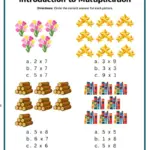
- Visual Aids: Incorporating visual elements such as grids or area models can help students better understand the multiplication process, making abstract concepts more tangible.
- Answer Keys: Having an answer key included with the worksheets allows parents and teachers to easily check students’ work. This feature can also facilitate self-assessment, encouraging students to learn from their mistakes.
Printable Formats and Customization
Most Beginning Two Digit Multipliccation With One Digit Worksheets come in PDF format, which is user-friendly for printing. PDF files help maintain the layout, ensuring that the worksheets print correctly without any formatting issues that can occur with editable document formats.
For teachers and parents who want to customize their worksheets, look for resources that offer editable templates. This flexibility allows you to adjust the difficulty level or add personalized instructions, catering to specific student needs.
When printing, consider using:
- Standard Letter Size (8.5 x 11 inches): This size is commonly used in classrooms and is easy to handle.
- Cardstock for Durability: If the worksheets will be laminated or used multiple times, printing on cardstock can enhance durability.
- Portrait Layout: Most worksheets are designed for portrait orientation, which typically works best for easy reading and writing.
Engaging Students With Different Learning Styles
Recognizing that students have diverse learning styles is essential when using Beginning Two Digit Multipliccation With One Digit Worksheets. Here are some strategies to engage different types of learners:
- Kinesthetic Learners: Incorporate physical activities, such as using manipulatives (like blocks or counters) to visualize the multiplication process. After introducing the concept with manipulatives, students can then apply their understanding to the worksheets.
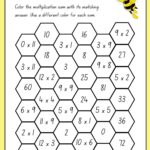
- Visual Learners: Use worksheets that include color coding or visual aids. For instance, highlight different parts of the numbers to show how multiplication is broken down into steps.
- Auditory Learners: Pair worksheets with discussion. Encourage students to verbalize their thought process while solving problems, which reinforces their understanding through auditory processing.
- Logical-Mathematical Learners: Challenge these students with more complex problems or puzzles related to multiplication that require critical thinking and problem-solving skills.
Monitoring Progress and Feedback
To effectively support students using Beginning Two Digit Multipliccation With One Digit Worksheets, it’s essential to monitor their progress. Regularly reviewing completed worksheets helps identify areas where students may struggle. Here are some ways to provide constructive feedback:
- Immediate Corrections: Go over the worksheets together after completion to discuss errors. This practice helps students understand where they went wrong and how to correct their thinking.
- Set Goals: Establish specific goals for each student based on their worksheet performance. For instance, if a student consistently struggles with particular types of problems, set a goal to improve in that area.
- Encourage Reflection: Ask students to reflect on their performance and identify strategies that worked for them. This self-assessment can foster a growth mindset.
Integrating Technology Into Learning
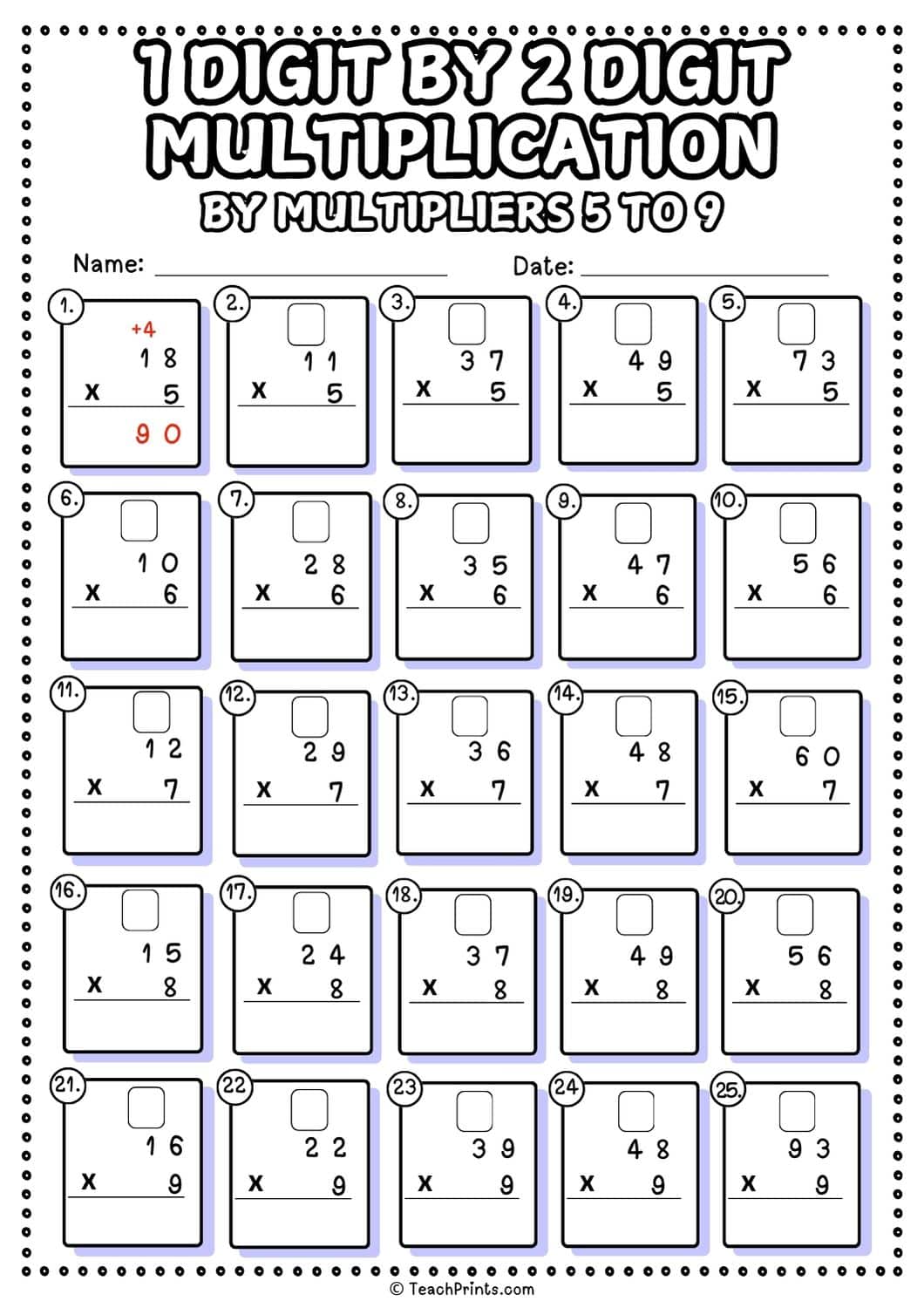
In today’s educational landscape, technology can complement traditional worksheets. Consider using online resources that offer interactive multiplication games or apps that reinforce the concepts taught in the worksheets. These tools can provide additional practice and keep students engaged.
For example, there are numerous websites and apps that offer gamified learning experiences focused on multiplication. Integrating these into your lesson plans can provide variety and keep students motivated.