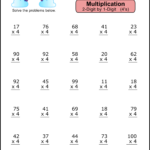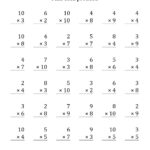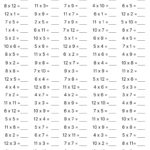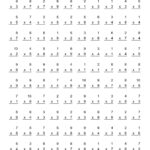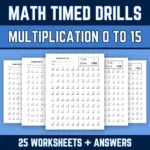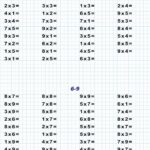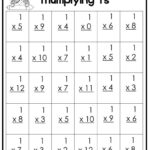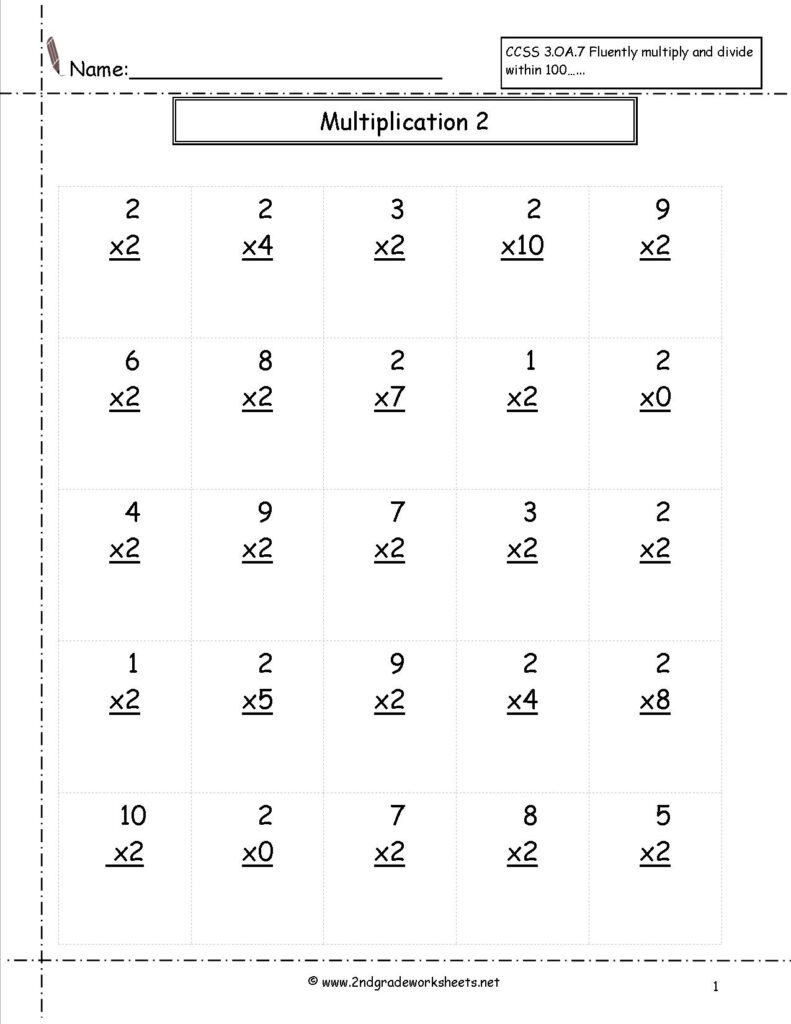
Beginning multiplication can be a fun and rewarding experience for 2nd graders. With the right resources, students can develop a solid foundation in multiplication concepts. Using Beginning Multiplication Worksheets 2nd Grade, teachers and parents can guide young learners through this essential math skill. These worksheets are designed not only to teach multiplication but also to help kids engage with numbers in a meaningful way.
What Are Beginning Multiplication Worksheets?
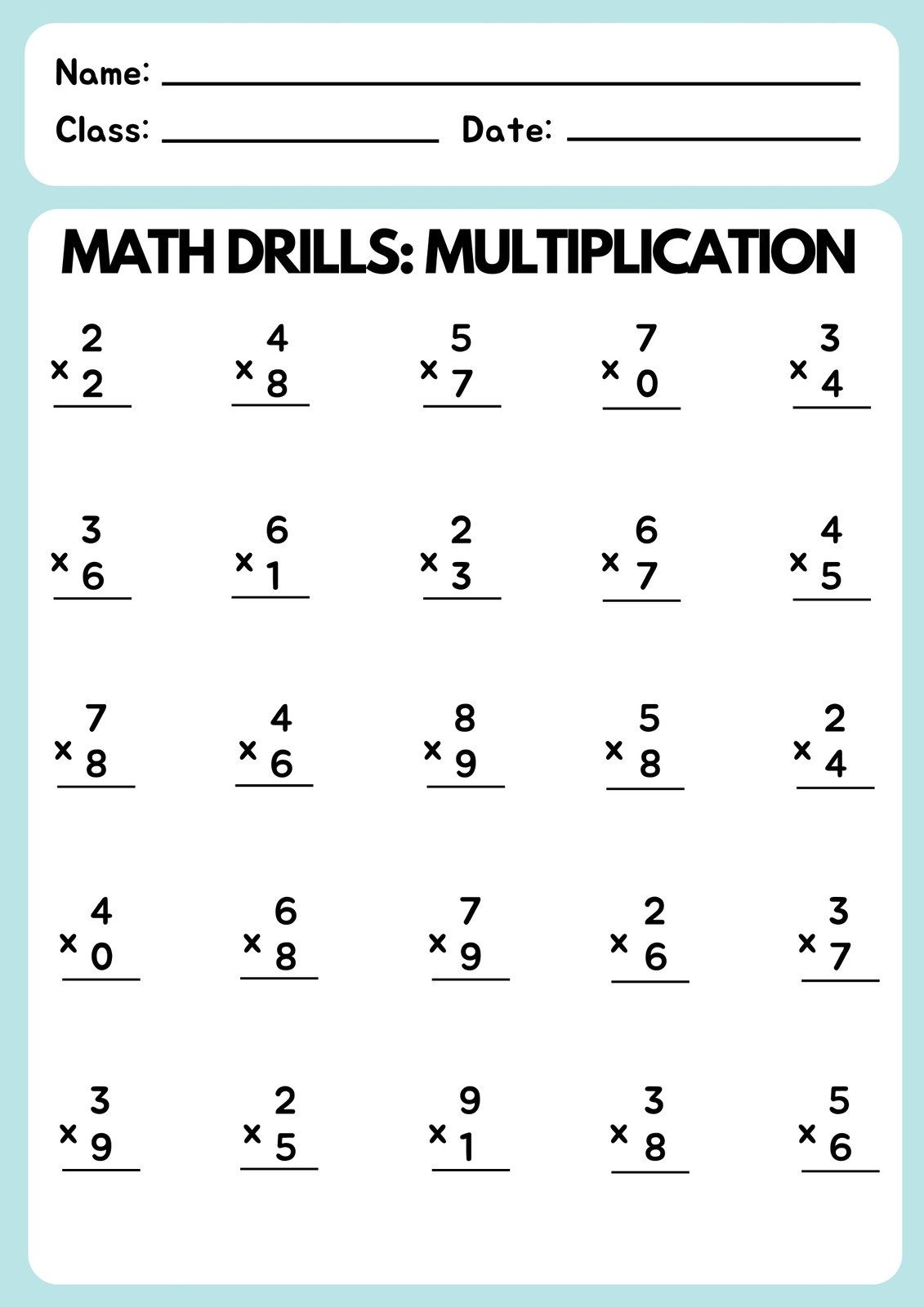
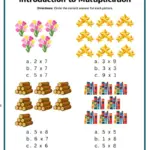
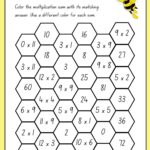
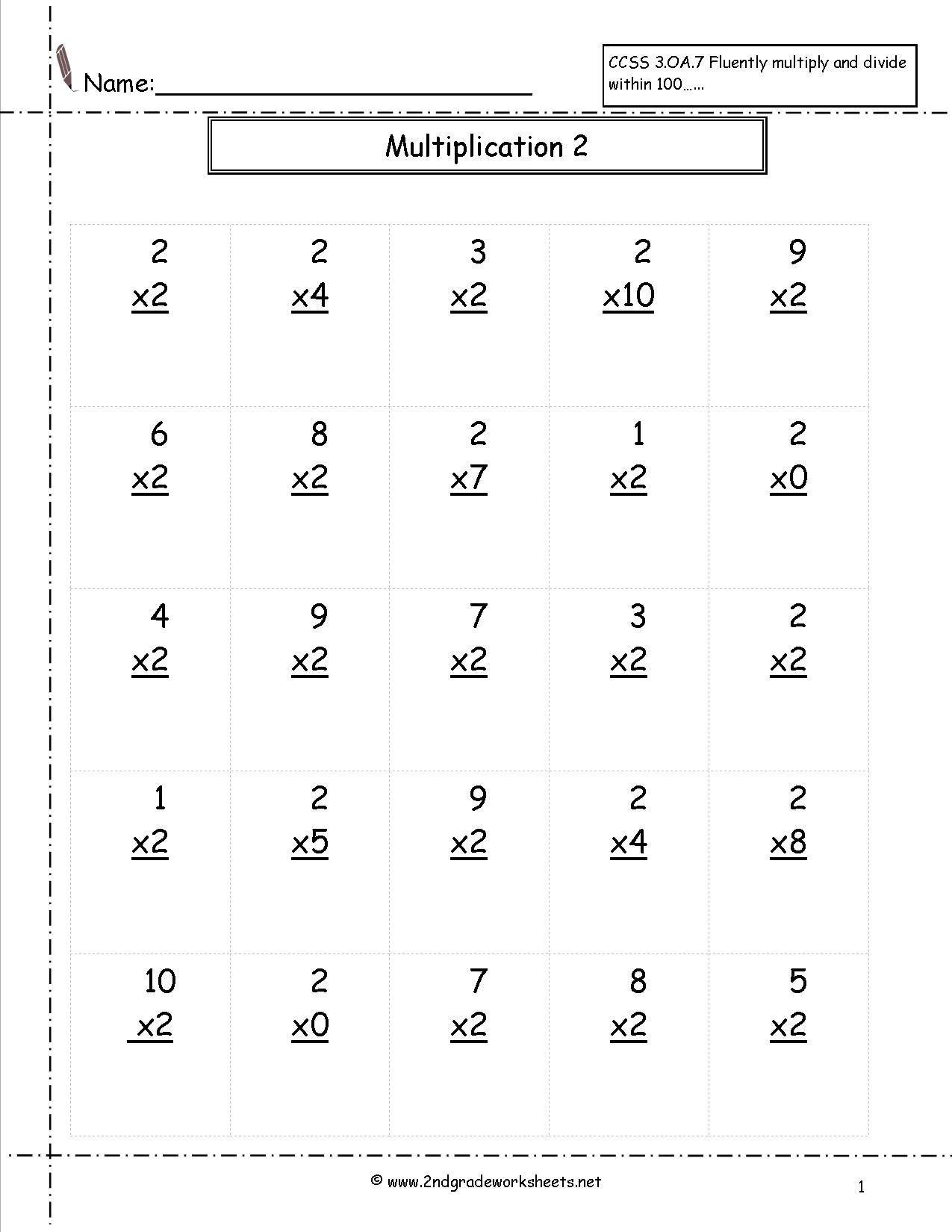
Beginning multiplication worksheets are specifically designed for young learners, typically in the 2nd grade, who are just starting their journey into multiplication. These worksheets usually feature simple problems that introduce students to the concept of multiplication as repeated addition. They may include various exercises like fill-in-the-blank problems, picture representations, and basic multiplication tables.
These worksheets serve multiple purposes: they help reinforce classroom learning, provide practice for homework, and can also be used for homeschooling. Importantly, they can accommodate different learning styles, from visual learners who benefit from colorful graphics to auditory learners who can benefit from group discussions around the problems.
Features of Effective Worksheets
When selecting or creating Beginning Multiplication Worksheets, consider these essential features:
- Clear Instructions: Each worksheet should include straightforward instructions that guide the student on how to complete the problems.
- Variety of Problems: A mix of formats—such as word problems, visual aids, and traditional multiplication equations—keeps students engaged and caters to different learning styles.
- Progressive Difficulty: Start with simple problems and gradually increase the complexity. This helps build confidence and mastery in students.
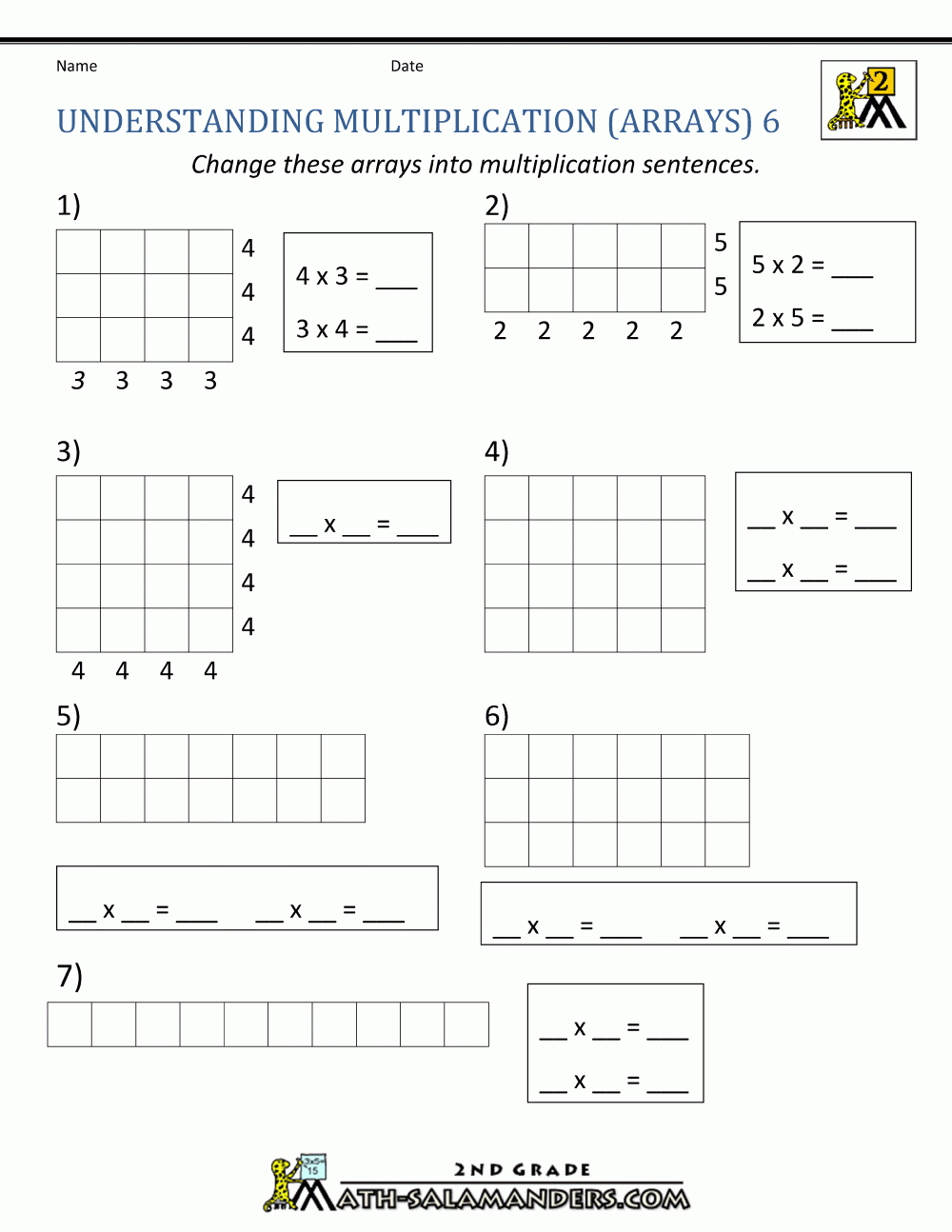
- Visual Aids: Incorporating images or diagrams can help students understand the concept of multiplication as groups of items.
- Answer Keys: Providing an answer key for teachers or parents is beneficial for quick assessment and feedback.
How to Use Beginning Multiplication Worksheets
Here are practical tips for using these worksheets effectively in the classroom or at home:
- Introduce the Concept: Begin with a brief explanation of multiplication. Use real-life examples, like counting groups of objects (e.g., apples in bags), to illustrate how multiplication works.
- Start with Simple Worksheets: Begin with worksheets that introduce the basics of multiplication, like problems involving the numbers 1 through 5. As students gain confidence, you can introduce more challenging numbers.
- Engage in Group Activities: Use the worksheets as part of a group activity. Students can work together to solve problems, fostering a collaborative learning environment.
- Monitor Progress: After students complete the worksheets, review their answers together. This is a good opportunity to discuss any mistakes and clarify misunderstandings.
- Incorporate Games: Turn some of the worksheet problems into games. For example, students can race to solve a problem or use flashcards based on the worksheets.
- Provide Feedback: Offer constructive feedback on their performance. Celebrate their successes to encourage continued effort and engagement.
Assessing Mastery of Multiplication
Understanding when students have mastered beginning multiplication is crucial. Here are some signs to look for:
- Accuracy in Solving Problems: Are students consistently getting the correct answers on worksheets? An accuracy rate of 80% or higher is a good indicator of mastery.
- Speed of Completion: As students become more comfortable with multiplication, they should be able to solve problems more quickly.
- Ability to Explain Concepts: If students can explain how they arrived at their answers or demonstrate multiplication using objects, it shows a deeper understanding.
- Performance in Varied Contexts: Watch how students perform in different settings—worksheets, group activities, and even informal assessments. Mastery means they can apply the concept in multiple scenarios.
Where to Find Quality Worksheets
You can find a variety of beginning multiplication worksheets online, often available for free or as paid resources. Here are some trusted sources:
- Educational Websites: Websites like Education.com and Teachers Pay Teachers offer a range of worksheets tailored for various grade levels and topics.
- Printable Resource Sites: Specific sites focus on printable resources for teachers and parents. Look for those that provide downloadable PDF formats for easy printing.
- Homeschooling Resources: Many homeschooling websites offer free worksheets designed for different subjects, including math.
When selecting worksheets, always check for quality and alignment with educational standards. Ensure they are age-appropriate and cater to the needs of your specific learners.
Adapting Worksheets for Different Learners
Not every student learns the same way, so adapting worksheets can be beneficial. Here are some strategies:
- Use Visual Supports: For students who struggle with abstract concepts, provide visual aids alongside the worksheets, such as counters or drawing materials.
- Modify Difficulty: Adjust the complexity of the problems based on individual student needs. For some, you might focus on simpler facts or fewer problems per worksheet.
- Incorporate Technology: There are many digital platforms where students can engage with multiplication through interactive games and quizzes that supplement worksheet learning.
- Group Dynamics: Pair students with differing skill levels so they can learn from each other. A stronger student can explain concepts to a peer who may be struggling, reinforcing their own understanding.
By tailoring the approach to each student’s learning style, you can create a more inclusive environment that fosters mastery of multiplication.
Next Steps After Completion
Once students have worked through the Beginning Multiplication Worksheets 2nd Grade, consider the following next steps:
- Review and Reinforce: Go over any areas where students struggled, providing additional worksheets or practice problems focused on those concepts.
- Introduce Advanced Concepts: Once mastery is achieved, consider introducing more advanced multiplication concepts, such as multiplying by 10s or 100s.
- Celebrate Progress: Recognize the efforts and achievements of your students. This can be through certificates, stickers, or a simple acknowledgment in class.
- Encourage Independent Practice: Provide students with access to additional resources they can use at home. This encourages continuous learning and reinforces classroom instruction.
Using Beginning Multiplication Worksheets 2nd Grade effectively allows for a structured approach to teaching an essential math skill. With the right strategies in place, students can develop a strong understanding of multiplication, paving the way for future success in mathematics.