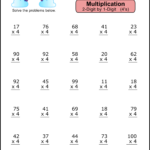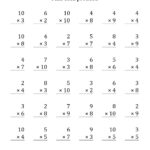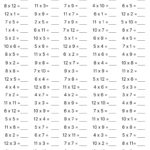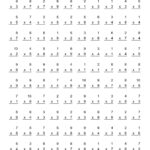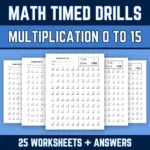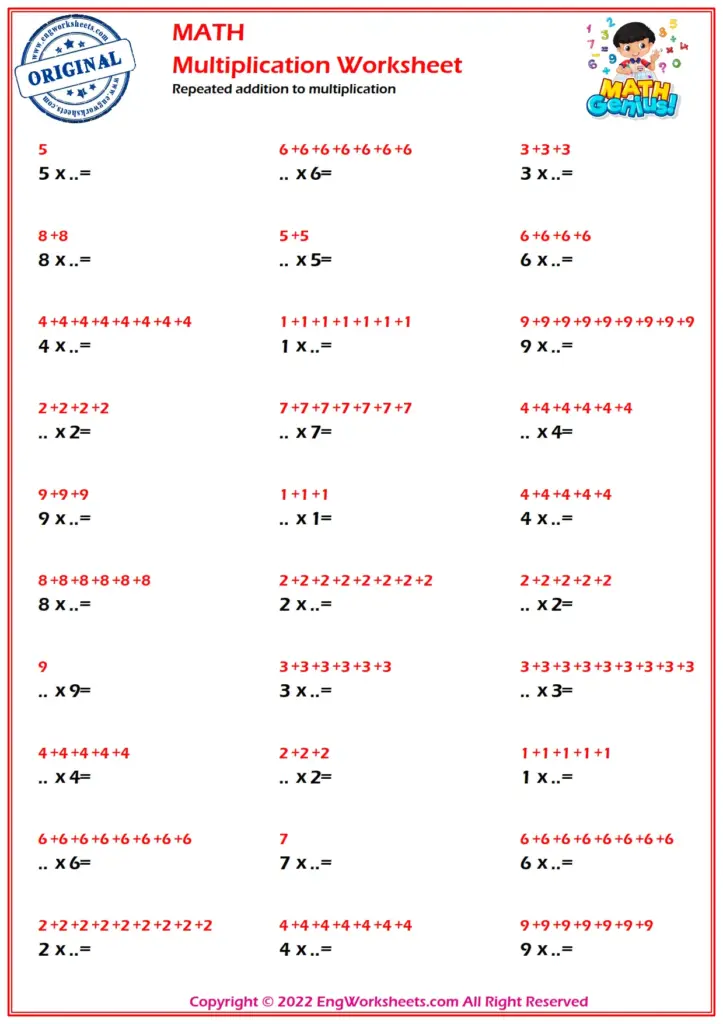
To effectively teach multiplication to young learners, incorporating resources like Beginner Multiplication Worksheets With Adding can be incredibly beneficial. These worksheets not only assist children in grasping multiplication concepts but also provide a fun way to reinforce their addition skills. Many of these worksheets are designed for easy printing, making them accessible for classroom or home use.
Understanding the Basics of Multiplication and Addition
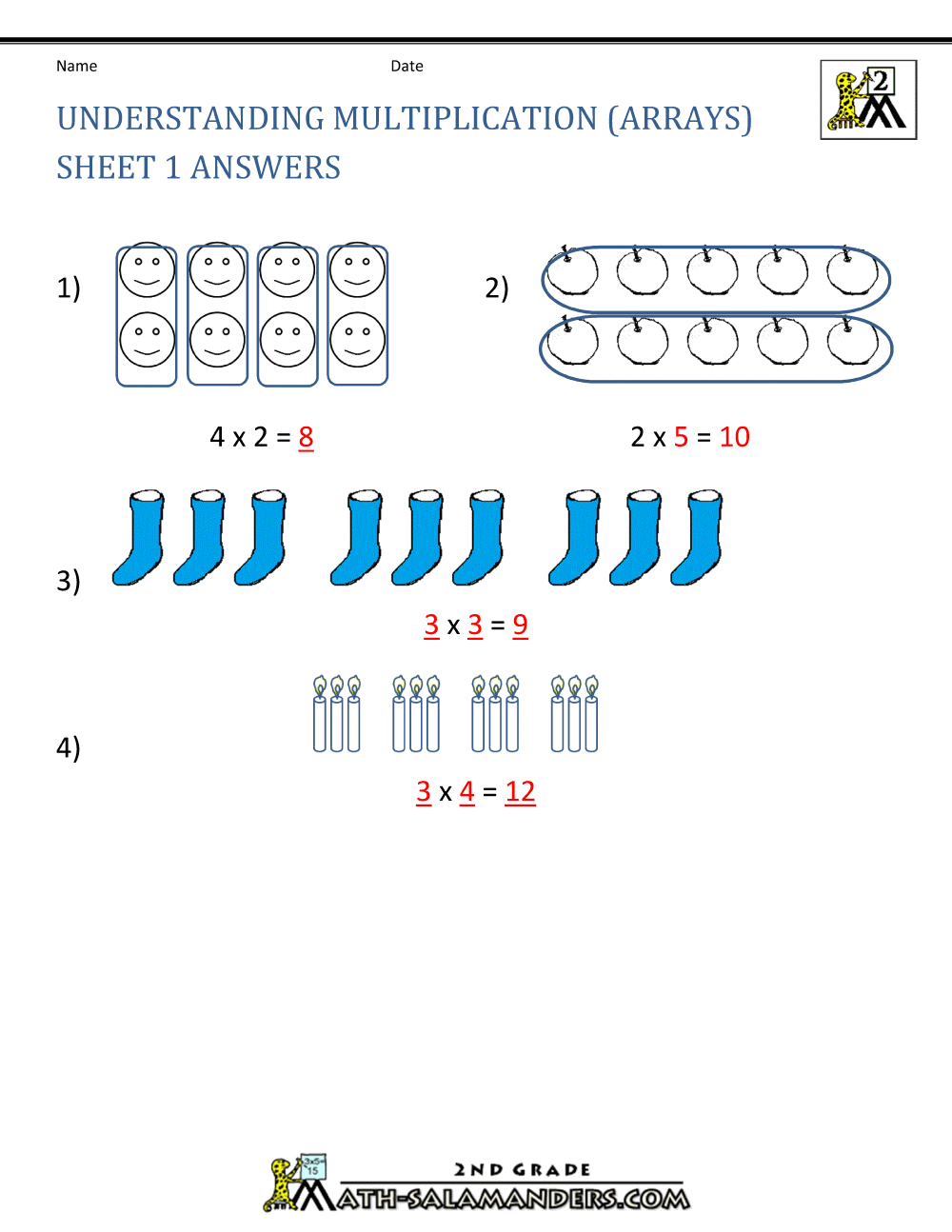
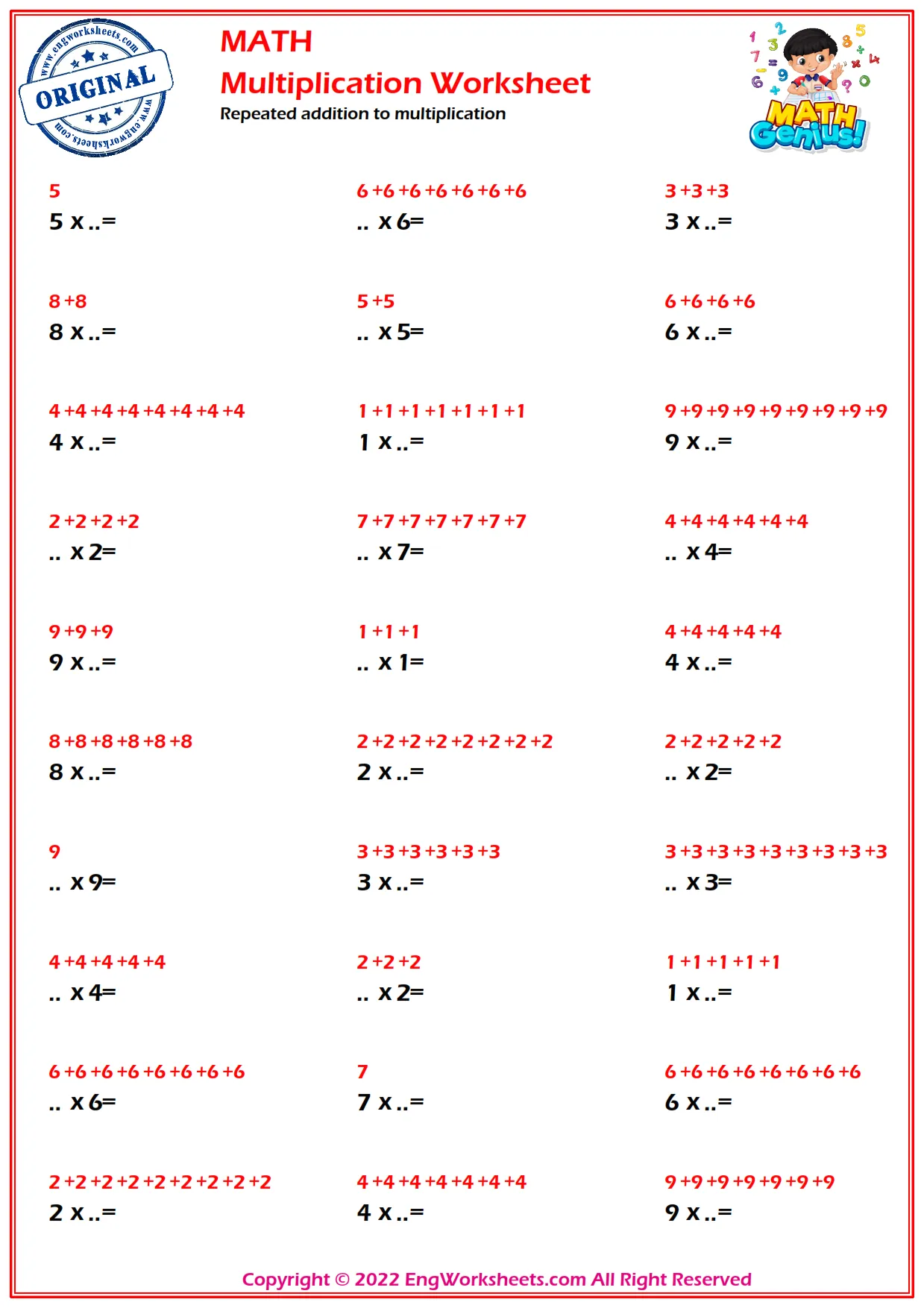
Before diving into the worksheets, it’s essential to understand how multiplication and addition are interconnected. Multiplication can be viewed as repeated addition. For instance, if you have 3 groups of 4 apples, instead of adding 4 + 4 + 4, you can multiply 3 by 4 to get 12. This foundational concept is crucial for children, especially in early grades (typically grades 1-3).
By using worksheets that combine these two skills, you provide students with an opportunity to solidify their understanding of both addition and multiplication simultaneously. This dual approach helps ensure that they are not only memorizing facts but truly comprehending the underlying concepts.
Types of Beginner Multiplication Worksheets With Adding
When selecting worksheets, look for a variety that caters to different learning styles and preferences. Here are some types you might consider:
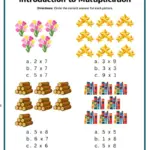
- Visual Worksheets: These often include images or diagrams to help children visualize multiplication as repeated addition. For example, a worksheet might show groups of objects, prompting students to count and multiply.
- Fill-in-the-Blank Worksheets: These worksheets can provide a series of equations where students fill in the missing numbers. For example, “3 + 3 + 3 = ___” can be transformed into a multiplication equation, reinforcing the connection between the two operations.
- Word Problems: Incorporating word problems into your worksheets encourages critical thinking. For example, “If there are 4 baskets with 5 apples each, how many apples are there in total?” This encourages kids to visualize multiplication as a way to solve real-world problems.
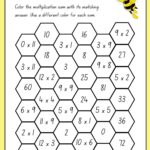
- Coloring Worksheets: These can make learning more engaging. Students solve multiplication problems to reveal a picture, combining creativity with education.
Downloading and Printing the Worksheets
The great thing about these worksheets is their accessibility. Many are available in PDF format, which is perfect for printing. Here are some practical tips for downloading and printing:
- File Format: PDFs are the best choice for printing as they maintain formatting across different devices. Always look for resources in this format to avoid any reformatting issues.
- Printer Settings: For optimal results, set your printer to “Portrait” layout for most worksheets. This is typically the default setting and works well for standard letter-sized paper (8.5 x 11 inches).
- Paper Choice: Regular printer paper works fine, but if you plan to reuse the worksheets, consider using cardstock. It’s sturdier and holds up better, especially if you laminate them for multiple uses.
- Color vs. Black and White: If your worksheets include vibrant graphics, printing in color will enhance the visual appeal. However, for simple text-based worksheets, black and white is often sufficient and more cost-effective.
Assessing Student Mastery With Worksheets
Once your students start working with Beginner Multiplication Worksheets With Adding, monitoring their progress is vital. Here are some practical strategies to assess their mastery:
- Check for Accuracy: After completing the worksheets, review the answers with your students. Highlight any common mistakes, as these can indicate areas where they may need further practice.
- Observe Problem-Solving Strategies: Pay attention to how students approach the problems. Are they using addition strategies, or do they seem to grasp multiplication concepts? This observation can guide future instruction.
- Incorporate Group Work: Sometimes, students may struggle individually but excel when working in pairs or small groups. Consider allowing them to discuss their thought processes aloud, which can deepen their understanding.
- Use Progress Tracking Sheets: Create a simple chart to track which concepts have been mastered and which still need work. This can be a powerful visual tool for both teachers and students.
Adapting Worksheets for Diverse Learning Needs
Every classroom is filled with diverse learners, so it’s important to adapt your worksheets to meet varying needs:
- Different Difficulty Levels: Offer a range of worksheets from easy to challenging. For instance, some students may only need to practice single-digit multiplication, while others may be ready for double-digit problems.
- Allow for Extra Time: Some students may require more time to complete the worksheets. Be flexible with deadlines, ensuring all students can demonstrate their understanding without pressure.
- Incorporate Technology: If possible, consider using digital versions of the worksheets that allow for interactive learning. This can be particularly engaging for tech-savvy students.
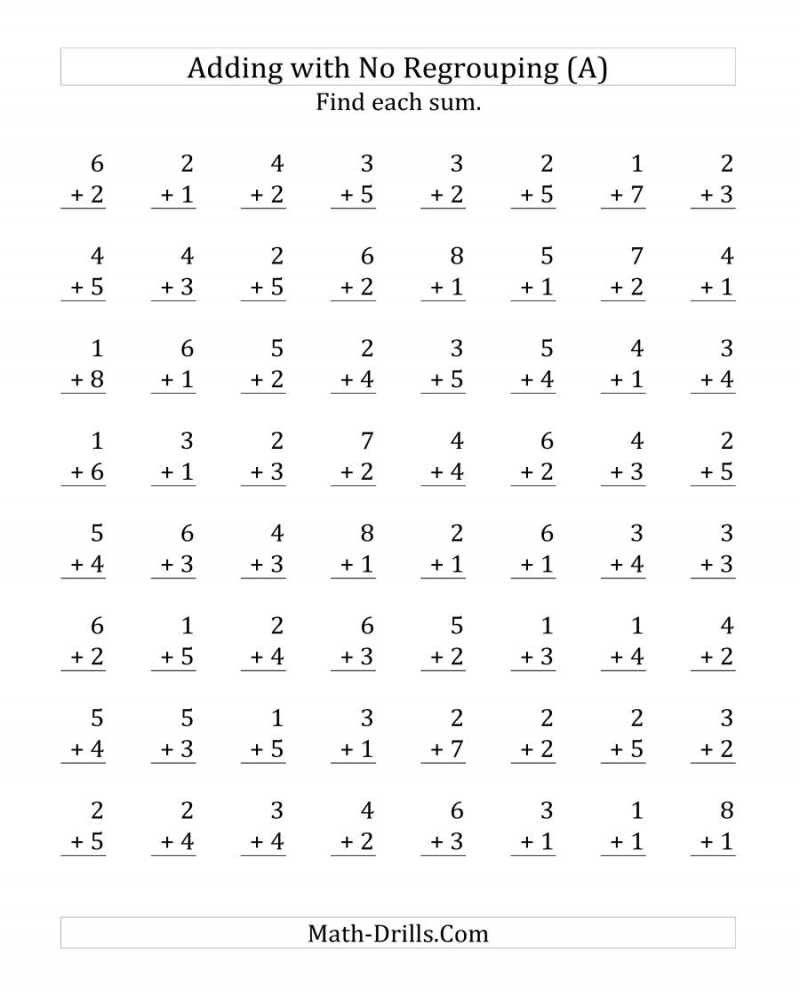
Next Steps: Utilizing and Adapting Worksheets
Now that you have a variety of Beginner Multiplication Worksheets With Adding at your disposal, it’s time to start using and adapting them to fit your teaching style and your students’ needs.
You might want to print a few different types for your students and observe which formats they respond to best. Don’t hesitate to combine elements from various worksheets to create customized ones that cater to specific learning objectives.
Additionally, consider incorporating these worksheets into larger lesson plans, integrating them with games or group activities that reinforce multiplication and addition skills. This multi-faceted approach will not only make learning more enjoyable but also more effective for your students.