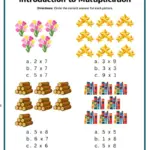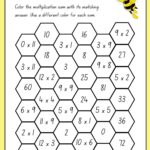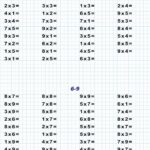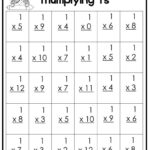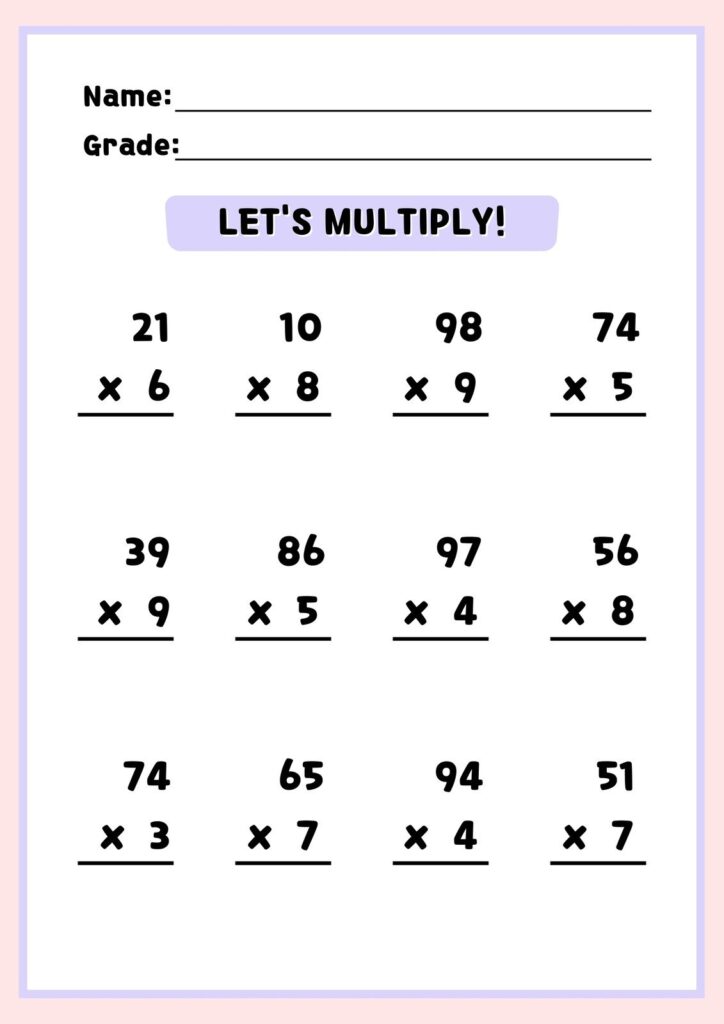
Basic Multiplication Worksheets With Answers provide a straightforward way for teachers to reinforce fundamental math skills in their classrooms. These worksheets are specifically designed for students in grades 2 to 4, where multiplication concepts are introduced and solidified. By using these resources, educators can track progress effectively while ensuring that students build a strong mathematical foundation.
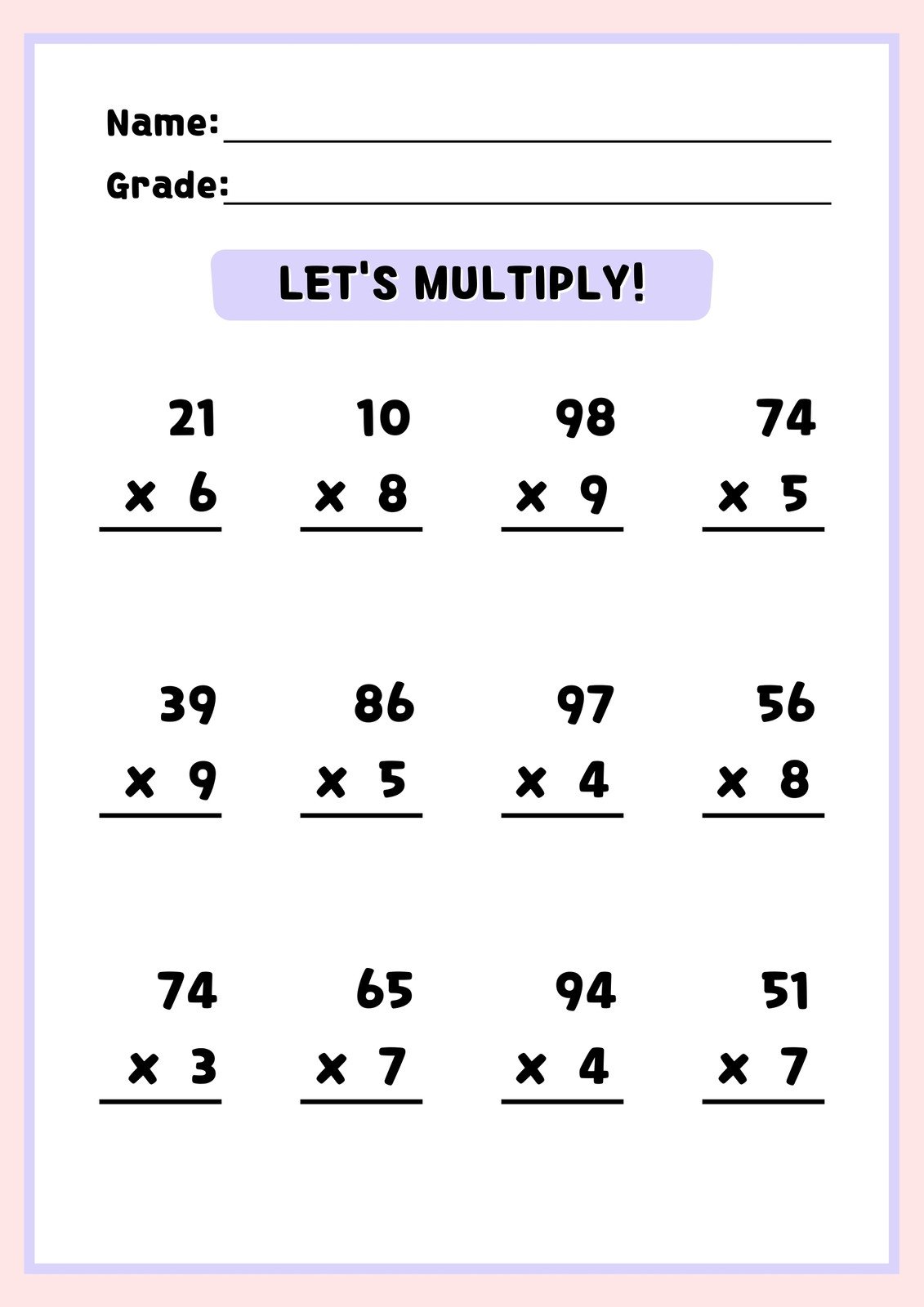
Understanding the Layout of the Worksheets
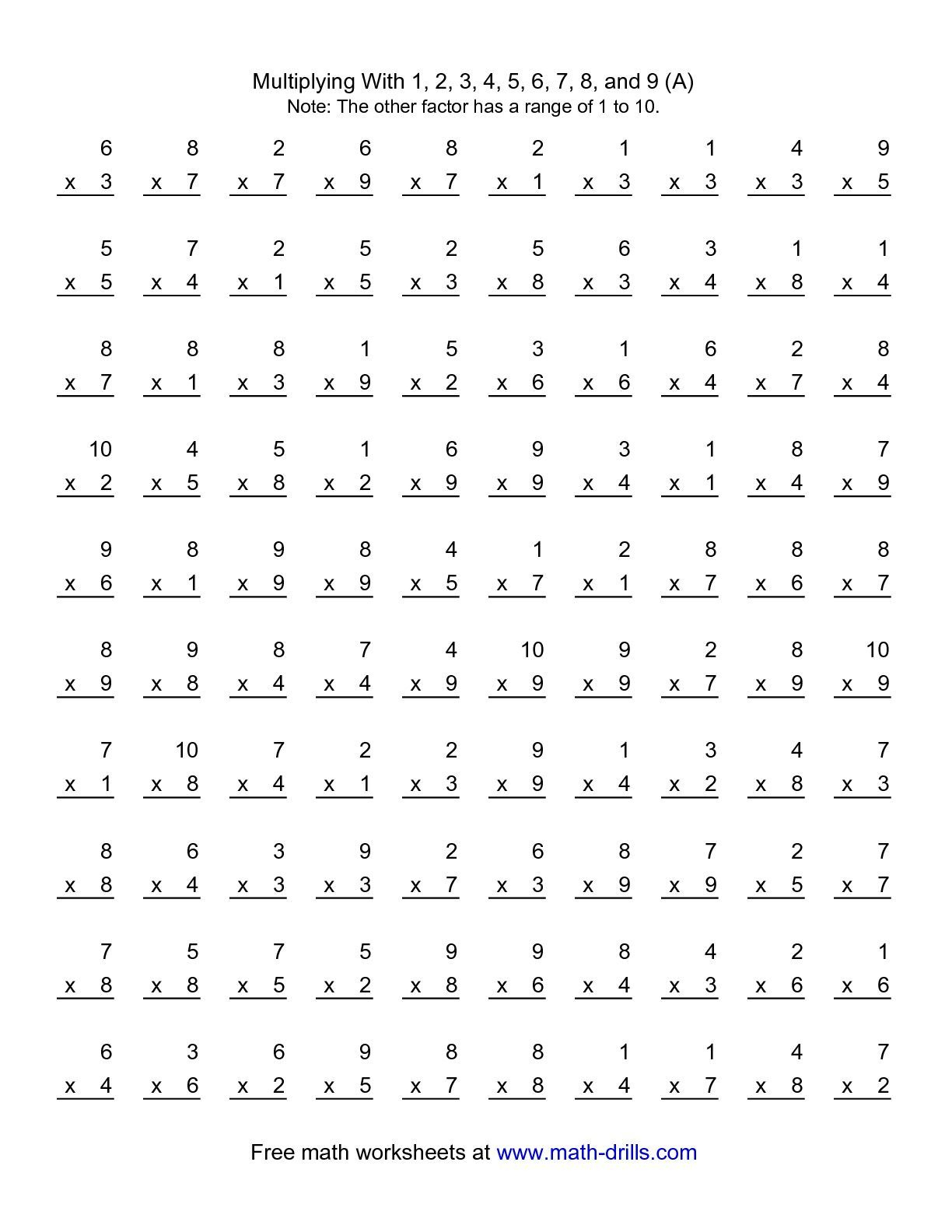
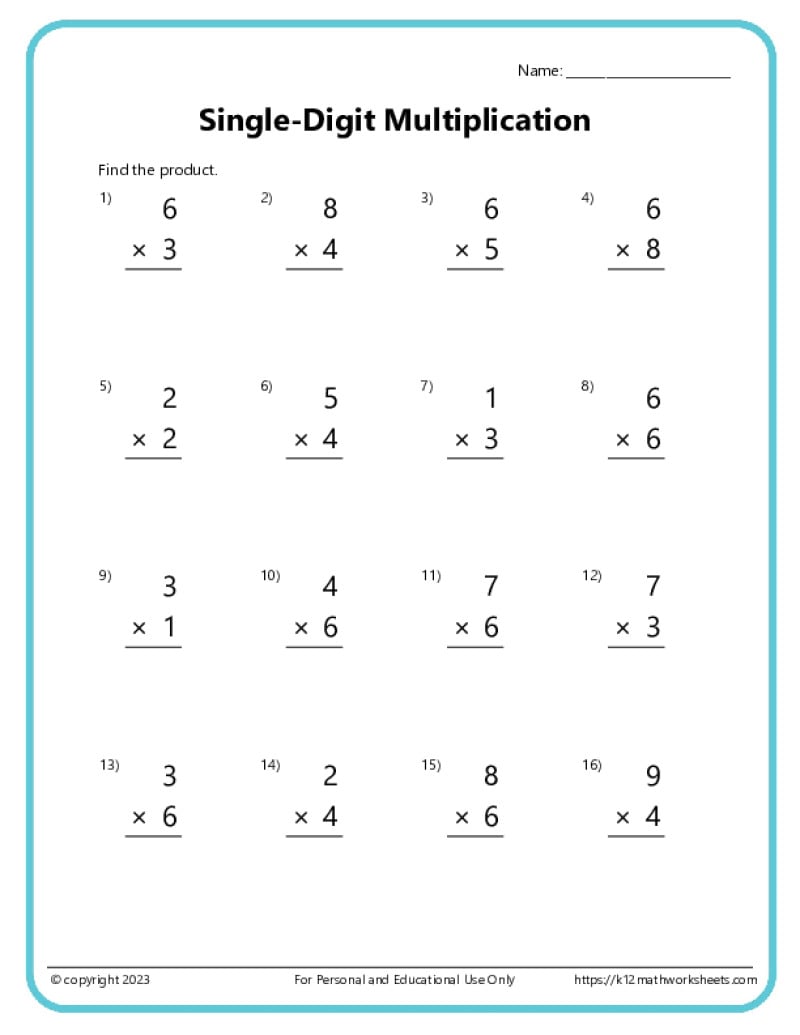
The Basic Multiplication Worksheets typically feature a clean and easy-to-read layout. Each worksheet is usually formatted to fit standard letter-size paper (8.5″ x 11″), making it compatible with most printers. The layout includes:
- Title and Instructions: Each worksheet starts with a clear title indicating the focus of the practice, such as “Basic Multiplication Facts.” This is often followed by simple instructions that guide students on how to complete the exercises.
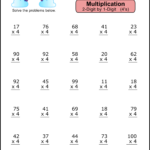
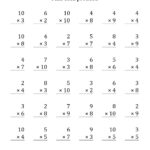
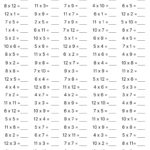
- Problem Sets: Worksheets generally contain a series of multiplication problems, often organized in a grid format. This setup allows students to focus on one problem at a time, reducing distractions and promoting concentration.
- Answer Key: At the end of each worksheet, you’ll find a section with answers. This feature is crucial for self-checking, allowing students to verify their work independently and learn from any mistakes they may have made.
- Space for Work: Many worksheets include designated areas for students to show their work. This is important as it encourages them to think through the process rather than just writing down answers.
Types of Multiplication Problems Included
Basic Multiplication Worksheets often contain a variety of problem types that cater to different learning levels. Here are a few examples of what you might find:
- Single-Digit Multiplication: Problems like 3 x 4 or 7 x 8 help students practice their multiplication facts. These are essential for building speed and accuracy.
- Multiplication with Zero: Worksheets also include problems that feature zero, such as 5 x 0. This helps students understand the concept of multiplication and the identity property of zero.
- Word Problems: Some worksheets incorporate word problems that require students to apply multiplication in real-world contexts, enhancing their critical thinking skills.
- Mixed Review: To track progress effectively, worksheets might combine various problem types, allowing teachers to assess areas where students excel or need further practice.
The Importance of Repetition in Learning Multiplication
Repetition is key to mastering multiplication, and Basic Multiplication Worksheets With Answers are designed to facilitate consistent practice. Spacing out the use of these worksheets over several days or weeks can significantly enhance retention. Here’s how you can implement this effectively:
- Weekly Practice Schedule: Consider assigning one worksheet a day, focusing on different types of multiplication problems each day. This helps keep the material fresh and prevents students from feeling overwhelmed.
- Integrating Review: Set aside time each week for reviewing previously covered worksheets. This could involve discussing the answers as a class or allowing students to correct their own work with guidance.
- Tracking Progress: Use the answer keys to assess how well students are grasping the material. You can note common mistakes or areas where students are excelling, allowing for targeted instruction.
How to Use the Worksheets Effectively in the Classroom
To maximize the benefits of Basic Multiplication Worksheets, consider these practical tips for implementation:
- Group Work: Pair students and have them work through the worksheets together. This encourages collaboration and allows them to learn from one another.
- Timed Tests: Occasionally, use the worksheets as timed tests to help students improve their speed and accuracy. This can be a fun way to create a sense of urgency and excitement around math.
- Incorporate Technology: If available, use interactive whiteboards to display the problems and have students solve them as a class. This can make the practice more engaging.
- Celebrate Progress: Acknowledge students’ improvements, whether through verbal praise or a reward system. This positive reinforcement can motivate them to continue practicing.
Printable Formats and Accessibility
The Basic Multiplication Worksheets are typically available in PDF format, which is ideal for printing. Here are some practical considerations regarding the format:
- Printer Settings: When printing, ensure that your printer settings are adjusted to “fit to page” to avoid cutting off any part of the worksheet. This is particularly important for the answer key.
- Paper Quality: For frequent use, consider printing on cardstock. This material is more durable and can withstand repeated handling, especially in a busy classroom environment.
- Laminating Options: If you’re planning to reuse the worksheets, laminating them can protect them from wear and tear. Students can use dry-erase markers to solve problems, making them easy to wipe clean after each use.