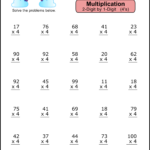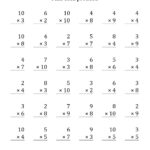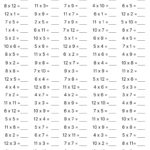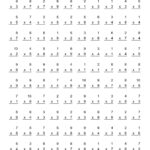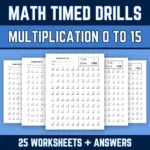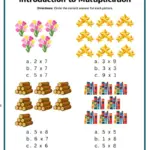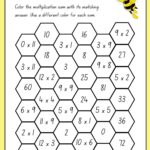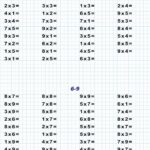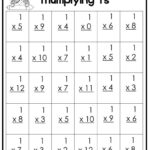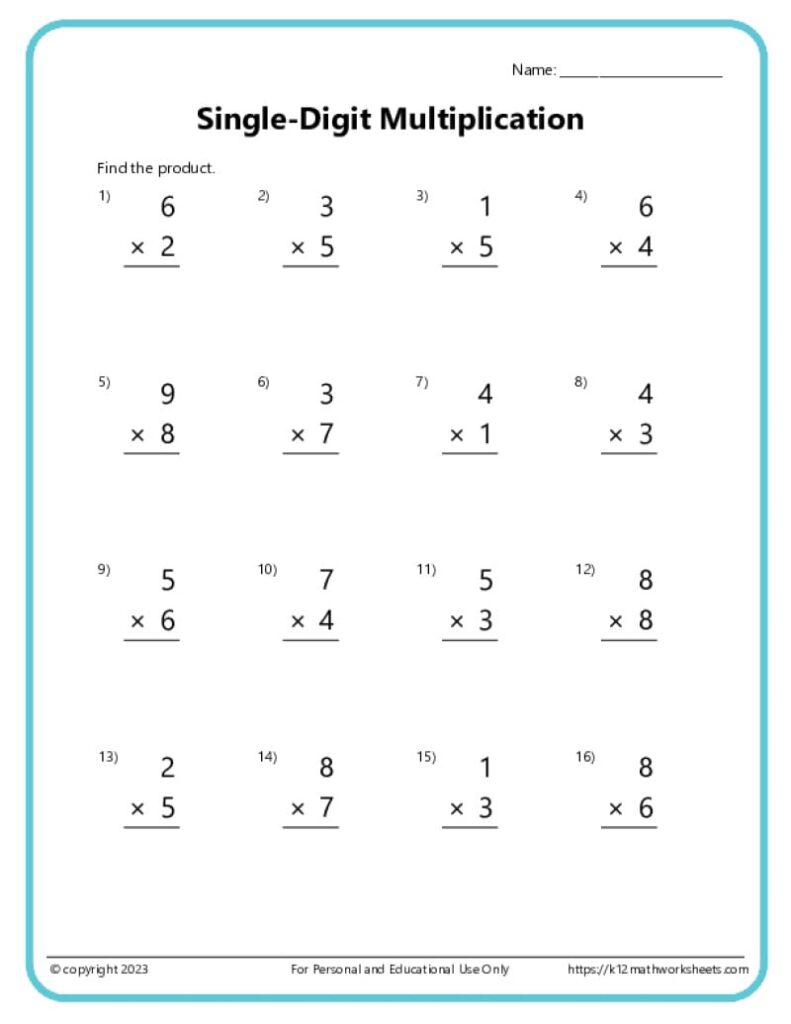
To support young learners in mastering multiplication, printable resources like Basic Multiplication Worksheets For Grade 2 are invaluable. These worksheets are designed specifically for second graders, helping them grasp the foundational concepts of multiplication in a fun and engaging way. In this guide, you’ll learn how to effectively use these worksheets in your classroom or home setting.
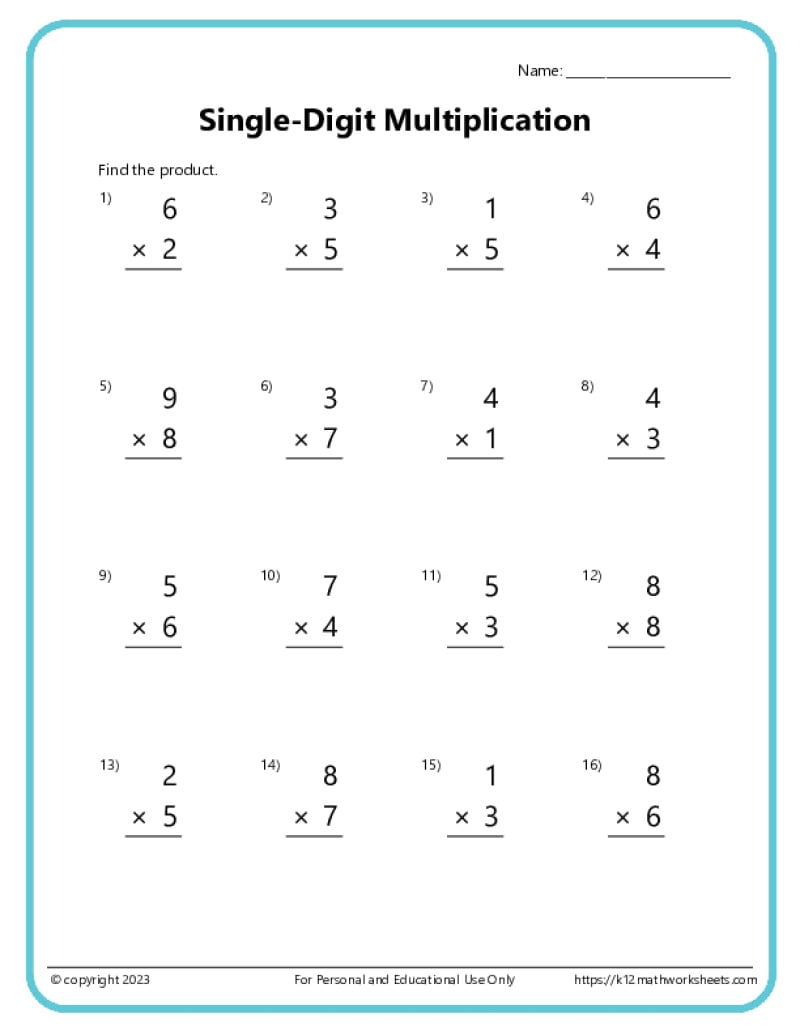
Understanding the Importance of Multiplication for Grade 2
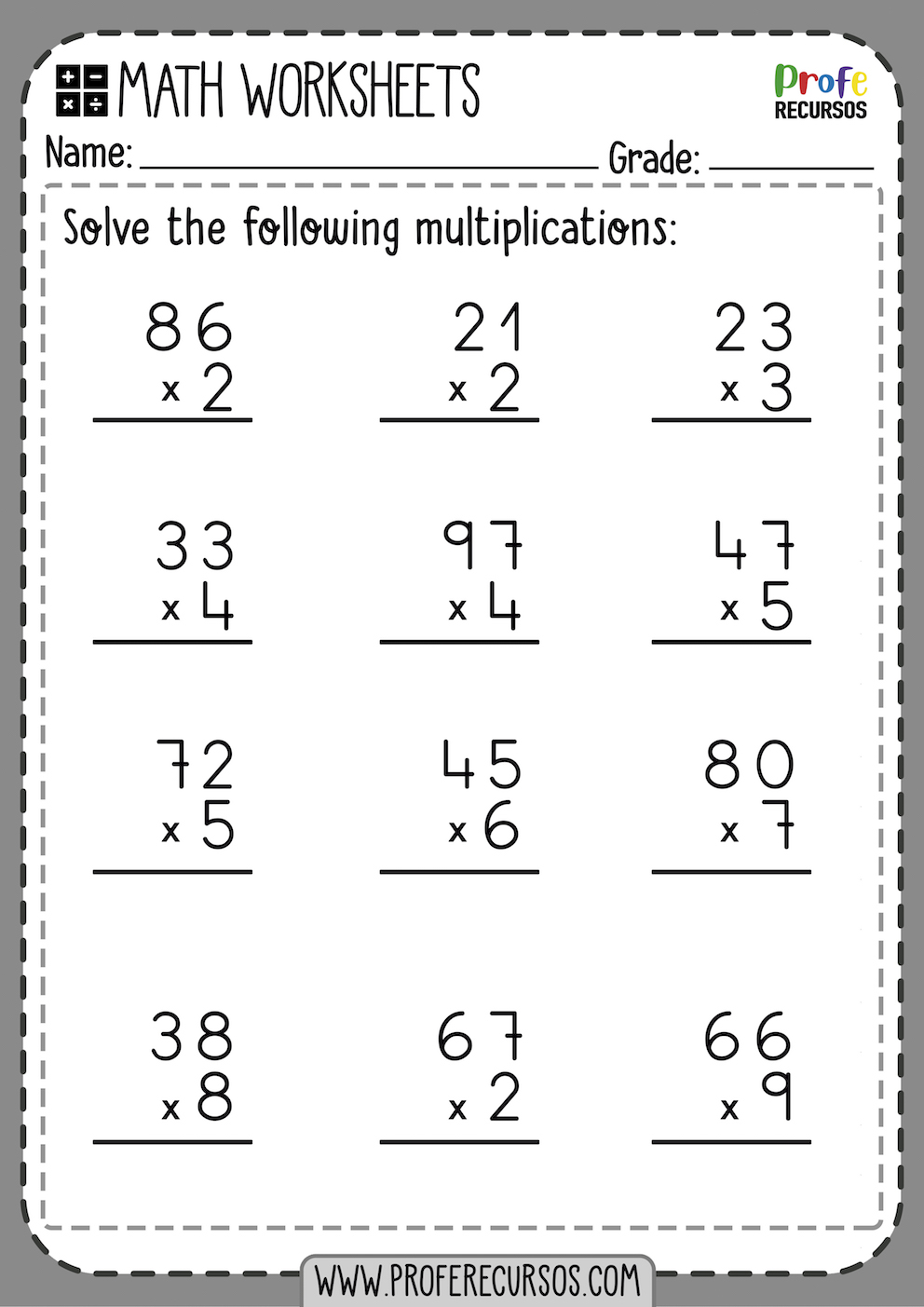
At the second-grade level, students transition from addition and subtraction to more complex operations like multiplication. This is crucial as multiplication is a building block for future math concepts. By introducing basic multiplication early, you help students develop number sense and problem-solving skills that will be essential throughout their education. These worksheets act as practice tools to reinforce what they learn in class.
Selecting the Right Worksheets
When choosing Basic Multiplication Worksheets For Grade 2, consider the following:
- Content Variety: Look for worksheets that offer a mix of problems, such as single-digit multipliers, word problems, and visual aids. This variety helps cater to different learning styles.
- Clear Instructions: Ensure that the worksheets provide clear directions. Children should understand what is expected of them without confusion.
- Progressive Difficulty: Choose resources that start with easier problems and gradually increase in difficulty. This approach helps build confidence.
Once you’ve identified suitable worksheets, you can easily download them from various educational websites. They typically come in PDF format, ensuring they maintain their layout and functionality when printed.
Preparing to Use the Worksheets
Before introducing the worksheets to your students, take some time to prepare:
- Print the Worksheets: Use a standard printer, ideally set to portrait layout, as this format usually fits well on standard letter-sized paper (8.5″ x 11″).
- Gather Supplies: Have pencils, erasers, and perhaps colored pencils or crayons on hand for any creative elements included in the worksheets.
- Create a Comfortable Workspace: Ensure that students have a quiet and well-lit area to work, minimizing distractions.
Integrating Worksheets Into Lessons
To maximize the effectiveness of Basic Multiplication Worksheets For Grade 2, consider integrating them into your lesson plans. Here’s how to do it:
- Warm-Up Activity: Start the class with a brief review of multiplication concepts. Use visuals or manipulatives to reinforce understanding before diving into the worksheets.
- Guided Practice: Work through a few problems together as a class. This encourages participation and allows you to address any questions before students work independently.
- Independent Work: Assign the worksheets for individual practice. This is where students can apply what they’ve learned and solidify their understanding.
- Group Discussion: After completion, hold a class discussion to go over the answers. This encourages collaboration and allows students to learn from each other.
Assessing Student Progress
After students complete the Basic Multiplication Worksheets For Grade 2, it’s essential to assess their understanding:
- Check for Accuracy: Review the completed worksheets to identify common mistakes or misconceptions.
- Provide Feedback: Offer constructive feedback, focusing on areas where students excelled and where they may need additional support.
- Adapt Future Lessons: Use the information gathered from the worksheets to inform your future lesson plans. If many students struggled with specific problems, consider revisiting those concepts in class.
Fun Activities to Supplement Worksheets
To keep the learning process engaging, consider incorporating fun activities alongside the Basic Multiplication Worksheets For Grade 2:
- Multiplication Games: Utilize games like multiplication bingo or flashcards for a more interactive approach.
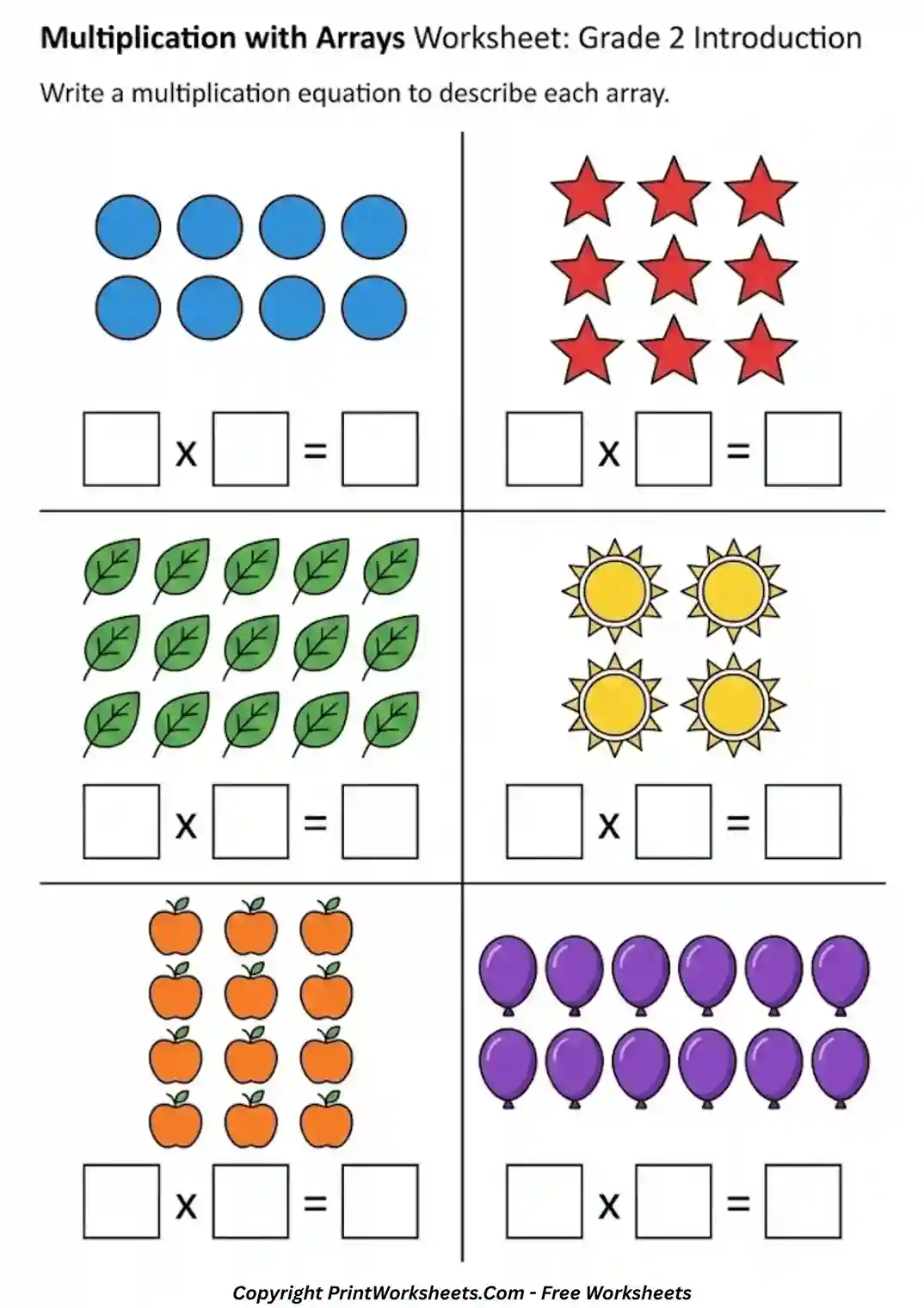
- Hands-On Learning: Use everyday objects, such as blocks or counters, to visually demonstrate multiplication concepts.
- Creative Projects: Encourage students to create their own multiplication problems or stories that incorporate multiplication, allowing them to express their understanding creatively.