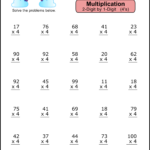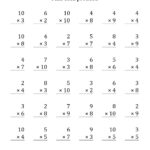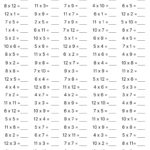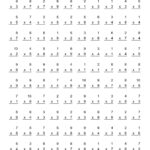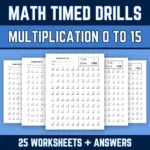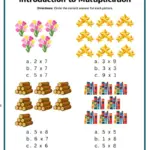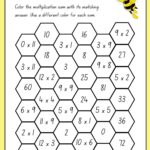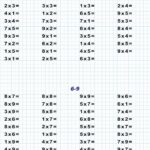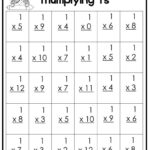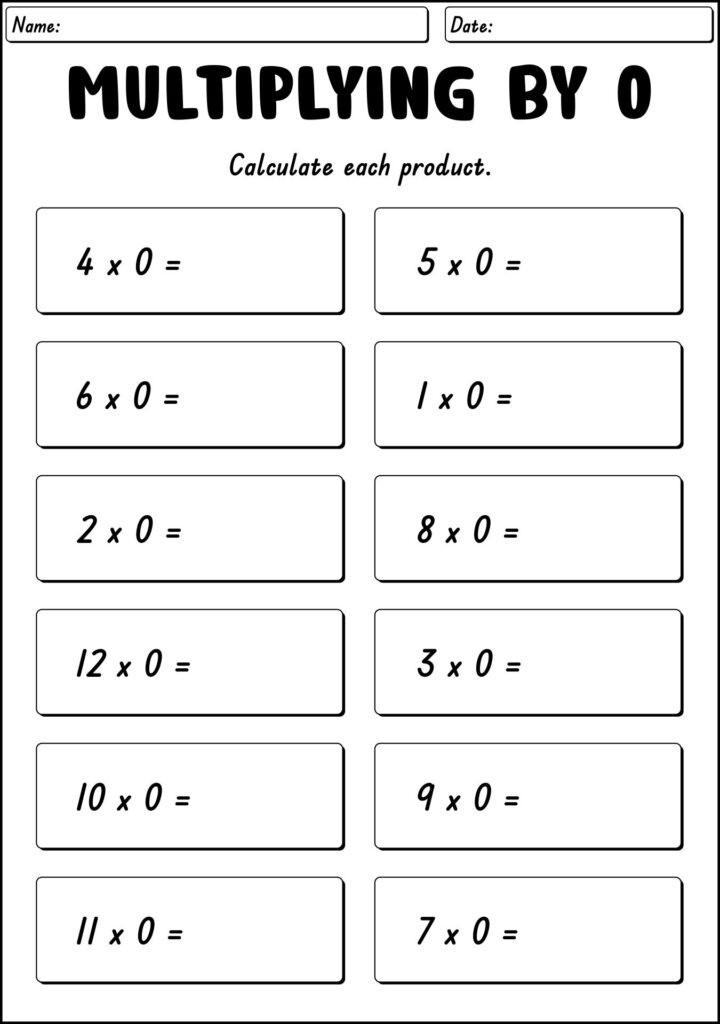
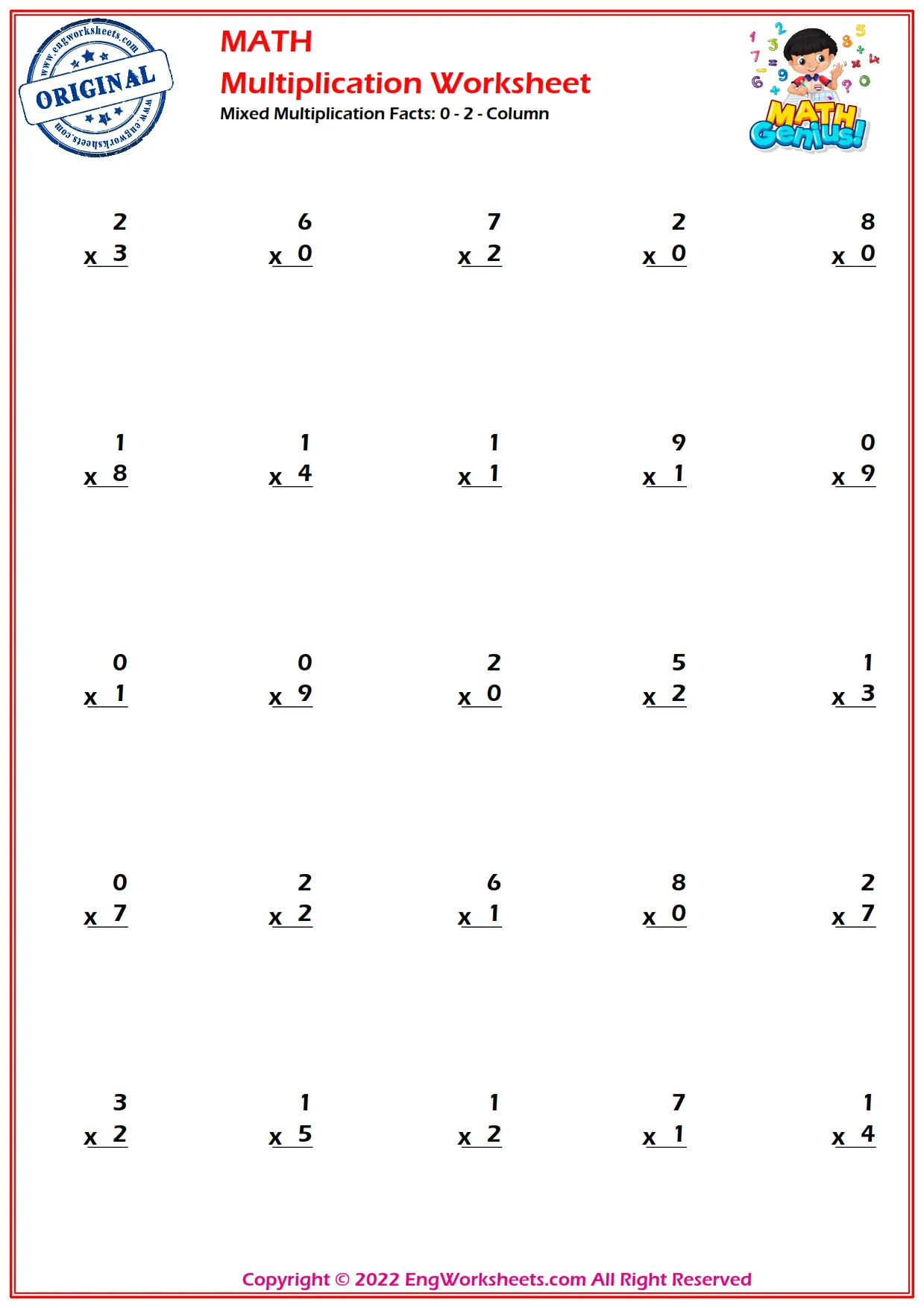
Learning basic multiplication can be a challenge for young students, especially when they’re just starting to grasp the concept. Basic Multiplication Worksheets 0-2 are designed specifically to help alleviate that frustration. These worksheets provide a structured way for students to practice multiplication facts in a clear and engaging manner, fostering confidence as they learn.
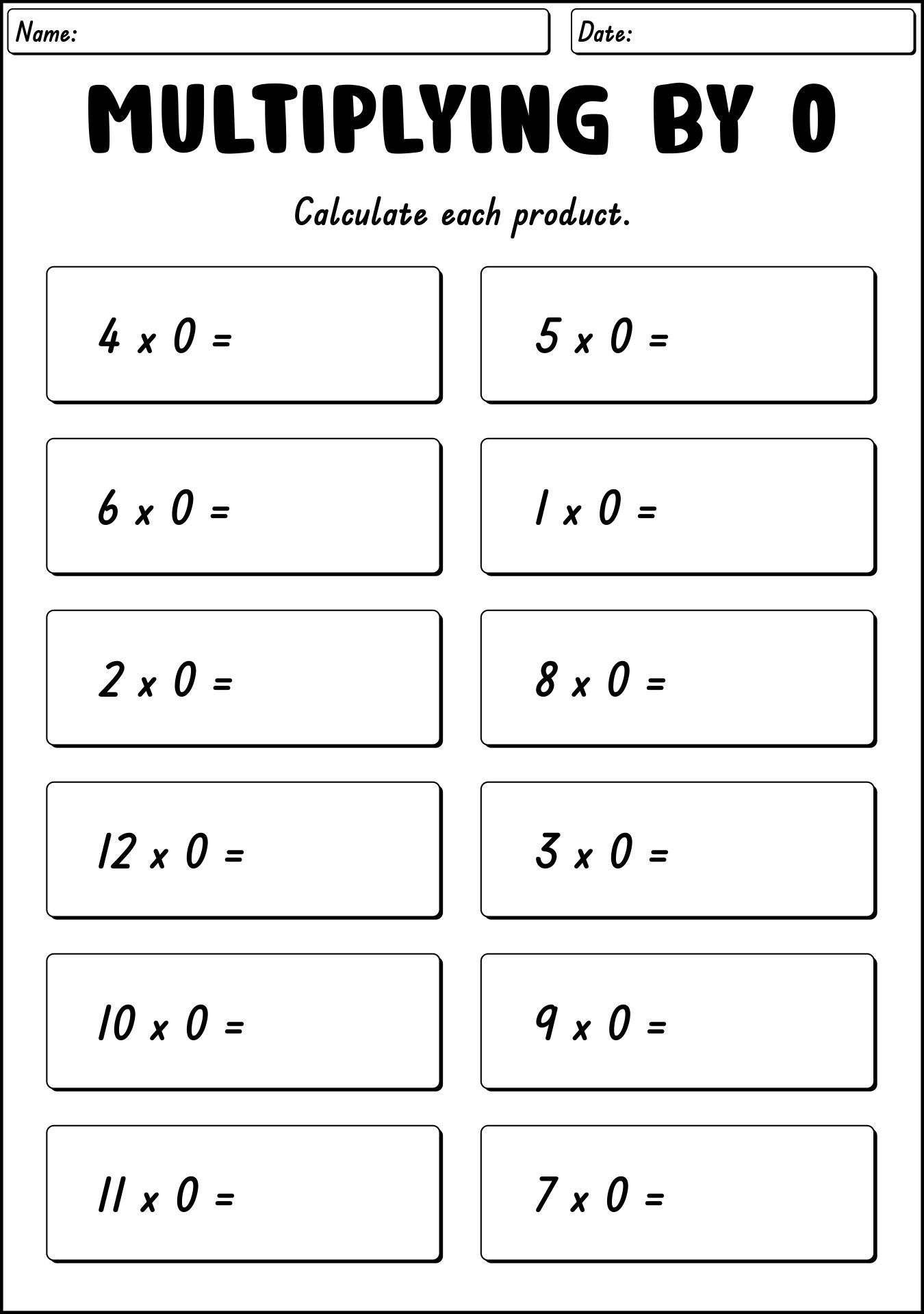
Understanding Basic Multiplication for Early Learners
Before diving into the specifics of the worksheets, it’s essential to understand what basic multiplication entails for students in the early grades. Typically, children begin learning multiplication in the first or second grade. At this stage, they are often introduced to multiplication as repeated addition. For example, understanding that 3 x 2 is the same as adding 3 two times (3 + 3).
The purpose of basic multiplication worksheets is to reinforce these concepts through practice. These worksheets can help students transition from simple addition to the more abstract idea of multiplication, making it easier for them to understand how numbers relate to one another.
Key Features of Basic Multiplication Worksheets 0-2
When selecting multiplication worksheets, there are a few key features to look for that enhance the learning experience:
- Clear Instructions: Each worksheet should provide clear, concise instructions that are easy for young learners to follow independently. This allows students to work through their problems without constant supervision, fostering independence.
- Engaging Visuals: Incorporating colorful images or fun themes can make worksheets more engaging. This helps capture students’ interest and keeps them motivated to complete their work.
- Varied Problem Types: Worksheets should include a mix of problem formats, such as fill-in-the-blank, multiple choice, and word problems. This variety helps cater to different learning styles and keeps the practice fresh.
- Answer Key: An accompanying answer key is essential for parents and teachers. It allows for quick grading and helps identify areas where students may need additional support.
How to Use Basic Multiplication Worksheets Effectively
To maximize the effectiveness of these worksheets, consider the following strategies:
Incorporate Into Daily Routine
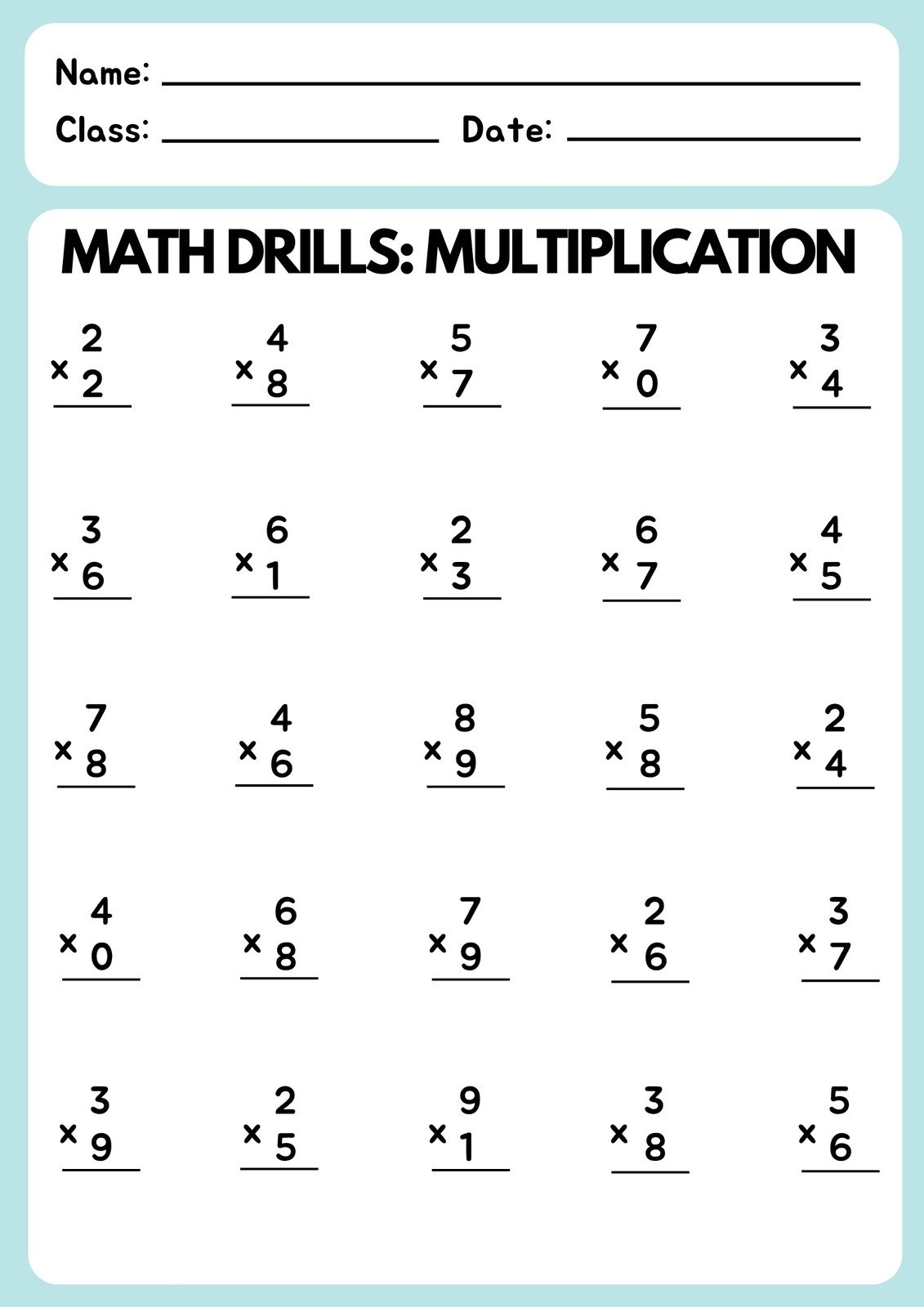
Try to incorporate basic multiplication worksheets into your daily routine. Whether it’s a morning warm-up or an afternoon review session, consistent practice helps reinforce skills over time. Even just 10-15 minutes of focused practice can lead to significant improvements.
Pair With Hands-On Activities
While worksheets are a great way to practice, pairing them with hands-on activities can make learning more dynamic. For example, use objects such as blocks or counters to represent multiplication problems visually. This can help solidify the concepts in a concrete way.
Encourage Peer Learning
If you’re in a classroom setting, encourage students to work in pairs or small groups. Discussing problems with peers can enhance understanding and provide different perspectives on how to tackle multiplication challenges.
Monitor Progress and Adjust
Keep an eye on how students perform on these worksheets. If you notice that certain multiplication facts are consistently challenging, consider focusing on those areas in subsequent lessons. Adjusting your approach based on student performance is key to effective teaching.
Printable Resources for Multiplication Practice
For anyone looking to add Basic Multiplication Worksheets 0-2 to their teaching resources, there are numerous options available. Many websites offer free downloadable worksheets that can be printed at home or in the classroom. Here are a few features to look for when selecting printable resources:
- PDF Format: Ensure that the worksheets are available in PDF format to avoid any formatting issues when printing. PDF files maintain their layout across different devices and are easy to print.
- Customization Options: Some resources allow for customization, letting you adjust the difficulty level or focus on specific multiplication facts.
- Accessibility: Choose worksheets that are easy to access and download. Websites that require complicated sign-ups or subscriptions can be a barrier for busy teachers and parents.
Tips for Creating Your Own Worksheets
If you’re feeling creative, consider making your own multiplication worksheets tailored to your students’ needs. Here are some tips to get started:
- Use Familiar Contexts: Create problems that relate to your students’ interests. For instance, if they enjoy animals, frame multiplication problems around counting animals in a zoo.
- Incorporate Fun Themes: Add themes like space, underwater adventures, or sports to make the worksheets more engaging.
- Mix Up the Formats: Include a variety of formats—some traditional problems, some with pictures, and others as word problems—to keep students engaged and challenged.
- Test and Iterate: After using your worksheets, gather feedback from your students. What did they find easy or difficult? Use this feedback to refine your future worksheets.
By using these strategies and resources, you can help make learning basic multiplication a more enjoyable experience for your students. The right worksheets can provide the structure and practice they need to build a solid foundation in math. As a concrete tip, try using a color-coding system where students can highlight their answers to visually track their progress. This small change can make a big difference in their learning journey.