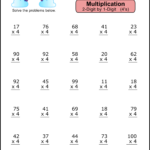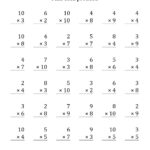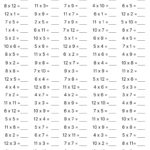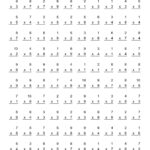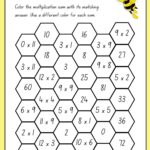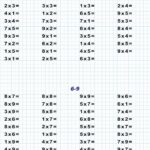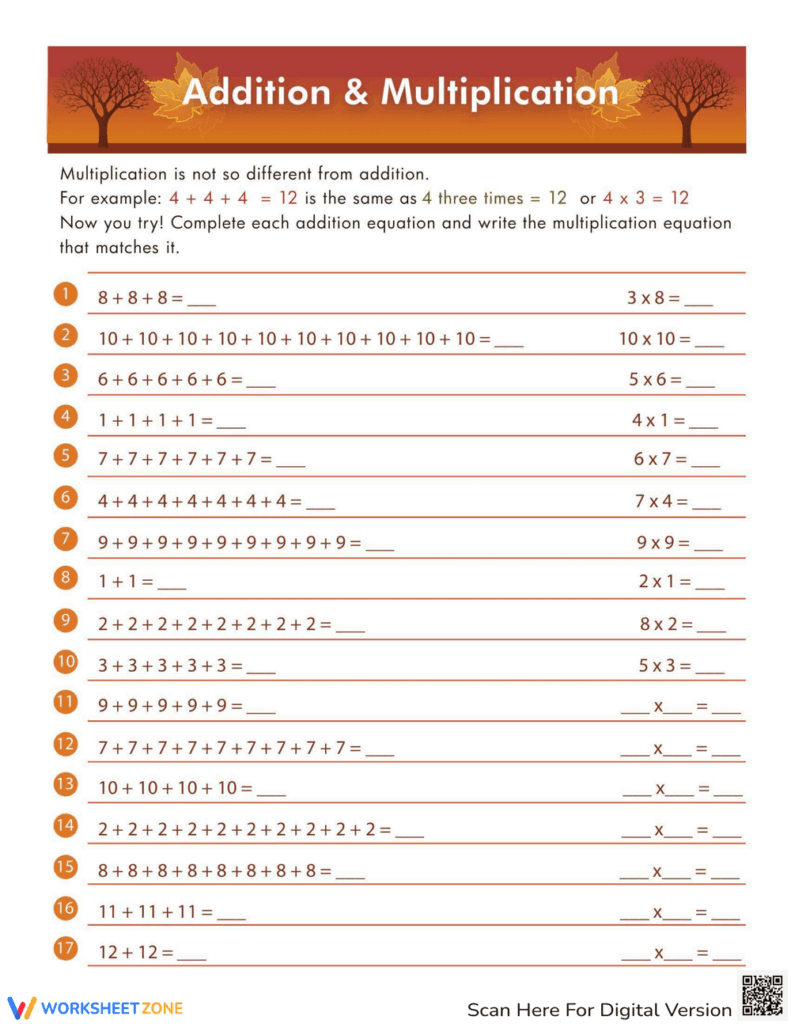
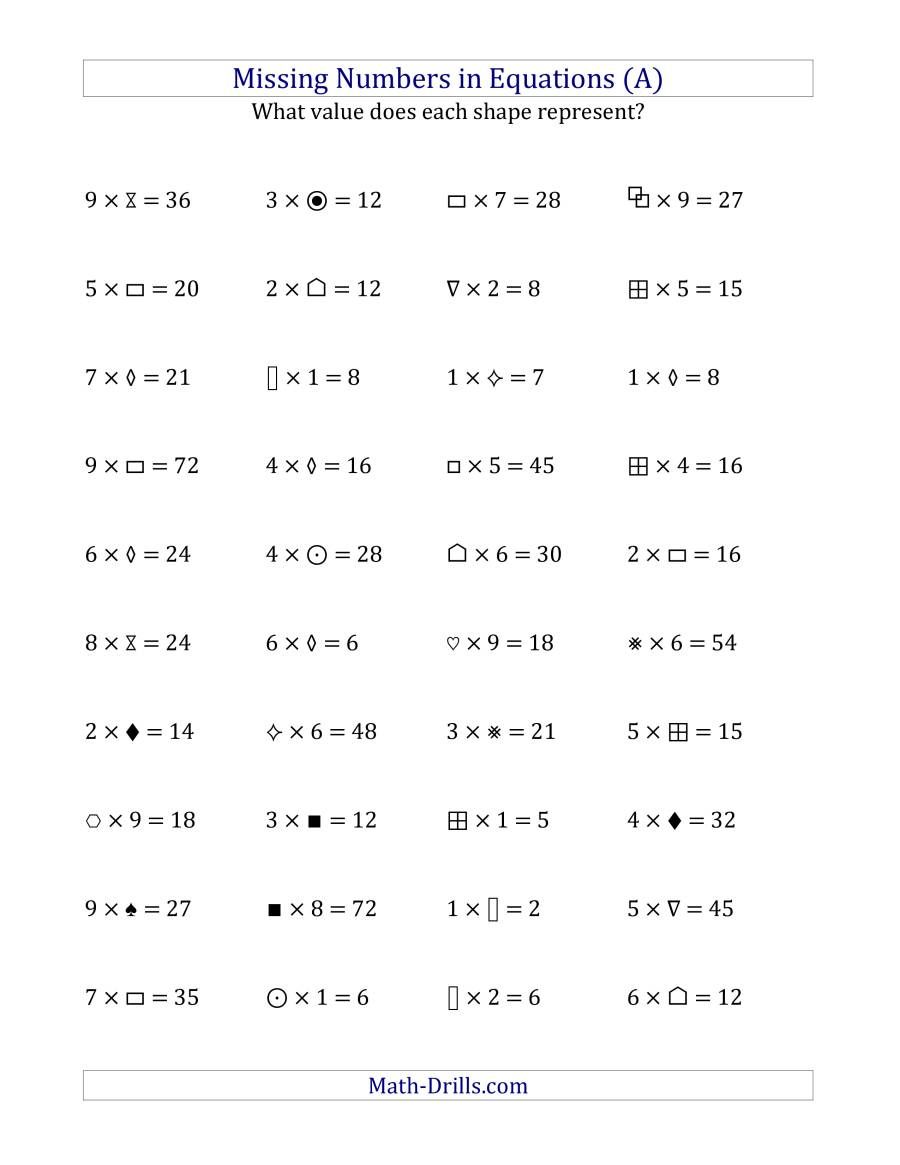
Teaching students how to effectively solve addition and multiplication equations can be a rewarding experience. Addition and multiplication equations worksheets are essential tools that help reinforce these fundamental math skills. These worksheets provide structured practice, allowing students to build their confidence and proficiency in solving equations.
Benefits of Using Worksheets in Mathematics
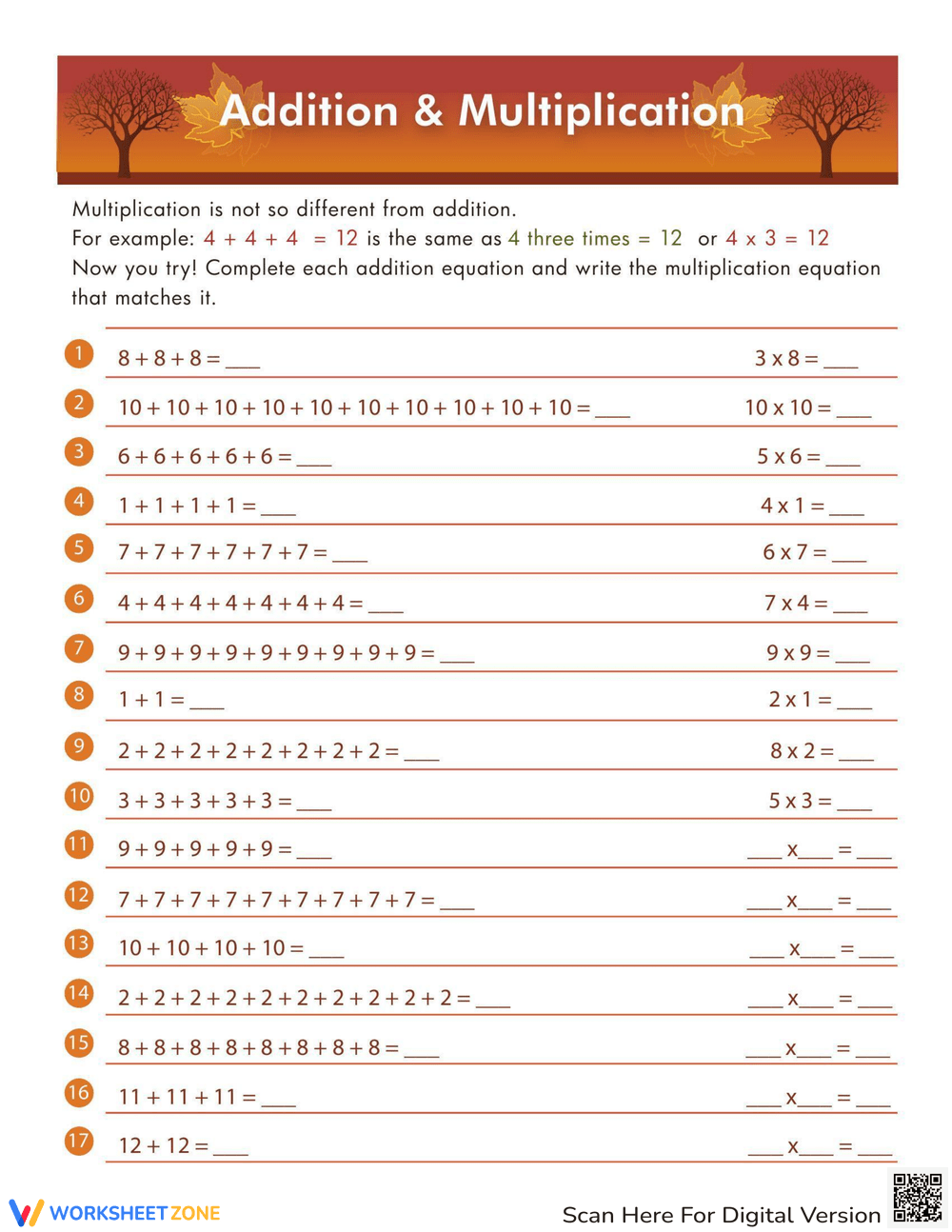
Worksheets serve as a crucial resource in the learning process. They provide students with opportunities to practice what they have learned in class. Here’s why using addition and multiplication equations worksheets is beneficial:
- Reinforcement of Concepts: Repeated practice helps solidify understanding. By working through various problems, students learn to apply their knowledge in different contexts.
- Immediate Feedback: Worksheets allow for quick assessment. Teachers can easily spot areas where students struggle and adjust their teaching accordingly.
- Variety of Problems: Different worksheets can feature a range of problems, from simple equations to more complex word problems that require critical thinking.
- Independent Learning: Worksheets encourage students to work independently, developing their problem-solving skills and confidence.
Choosing the Right Worksheets
When selecting addition and multiplication equations worksheets, consider the following factors to ensure they meet your teaching goals:
- Grade Level: Ensure the worksheets are appropriate for your students’ grade level. For younger students, focus on basic equations, while older students can handle more complex problems.
- Format: Look for worksheets in PDF format for easy downloading and printing. PDFs maintain formatting across different devices, ensuring that all elements appear correctly.
- Clarity and Design: Choose worksheets that are visually appealing and easy to read. A clear layout will help students focus on solving the equations rather than getting distracted by cluttered designs.
Preparing Worksheets for Classroom Use
Once you’ve chosen the right addition and multiplication equations worksheets, it’s time to prepare them for your classroom or home learning environment. Here are some practical tips:
- Paper Choice: Standard printer paper works fine for most worksheets. However, if you want them to last longer, consider using cardstock. This thicker paper can withstand repeated handling and is ideal if you plan to laminate the worksheets for durability.
- Printer Settings: Use a high-quality setting on your printer to ensure that all text is clear and legible. A portrait layout is typically best for worksheets, as it aligns with how most students are accustomed to reading.
- Distribution: For classroom settings, consider distributing worksheets as part of a learning center or as homework. In a homeschool setting, you might provide a few worksheets each week to reinforce daily lessons.
Structuring Practice Sessions
To maximize the effectiveness of addition and multiplication equations worksheets, structure practice sessions thoughtfully. Instead of overwhelming students with a large number of problems at once, space out the practice over a week. Here’s a simple plan:
- Daily Practice: Introduce a couple of worksheets each day. Start with simpler problems and gradually increase the difficulty throughout the week.
- Review Sessions: Use Fridays for review. Go over the worksheets as a class, discussing common errors and strategies for solving the equations.
- Incorporate Games: To make learning more engaging, consider turning some of the worksheet problems into a game. For example, have students compete in pairs to solve equations and earn points.
Engaging With Word Problems
Incorporating word problems into your worksheets can enhance students’ understanding of addition and multiplication equations. Word problems require students to read carefully and think critically about how to apply their math skills. Here are some ideas for integrating word problems:
- Real-World Scenarios: Create problems based on real-life situations. For instance, “If you have 5 apples and buy 3 more, how many apples do you have in total?” This helps students see the relevance of math in everyday life.
- Group Work: Encourage students to work in pairs or small groups to solve word problems. This allows them to discuss their thought processes and learn from each other.
Monitoring Progress and Adjusting Instruction
As students complete their addition and multiplication equations worksheets, it’s crucial to monitor their progress. Here are some methods to effectively track their understanding:
- Collect and Review: Regularly collect worksheets to review students’ answers. Look for patterns in mistakes, which will help identify areas where additional instruction may be needed.
- Provide Feedback: Offer constructive feedback on their work. Highlight areas where they excelled and suggest strategies for improvement in problematic areas.
- Adjust Teaching Strategies: If you notice that many students struggle with a particular concept, consider revisiting that topic with additional resources or different teaching methods.
By thoughtfully integrating addition and multiplication equations worksheets into your teaching, you can create an engaging and effective learning environment. Remember to adapt your approach based on your students’ needs, and watch their mathematical skills grow over time.
One thing to keep in mind is that while worksheets are a valuable resource, they should complement, not replace, hands-on activities and discussions in the classroom. Balancing traditional methods with innovative teaching strategies will help foster a deeper understanding of mathematics among your students.