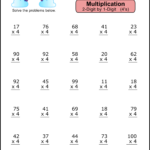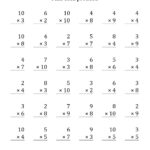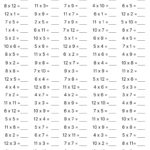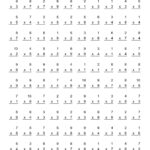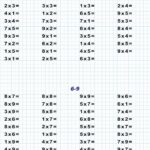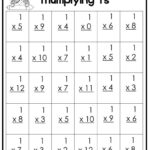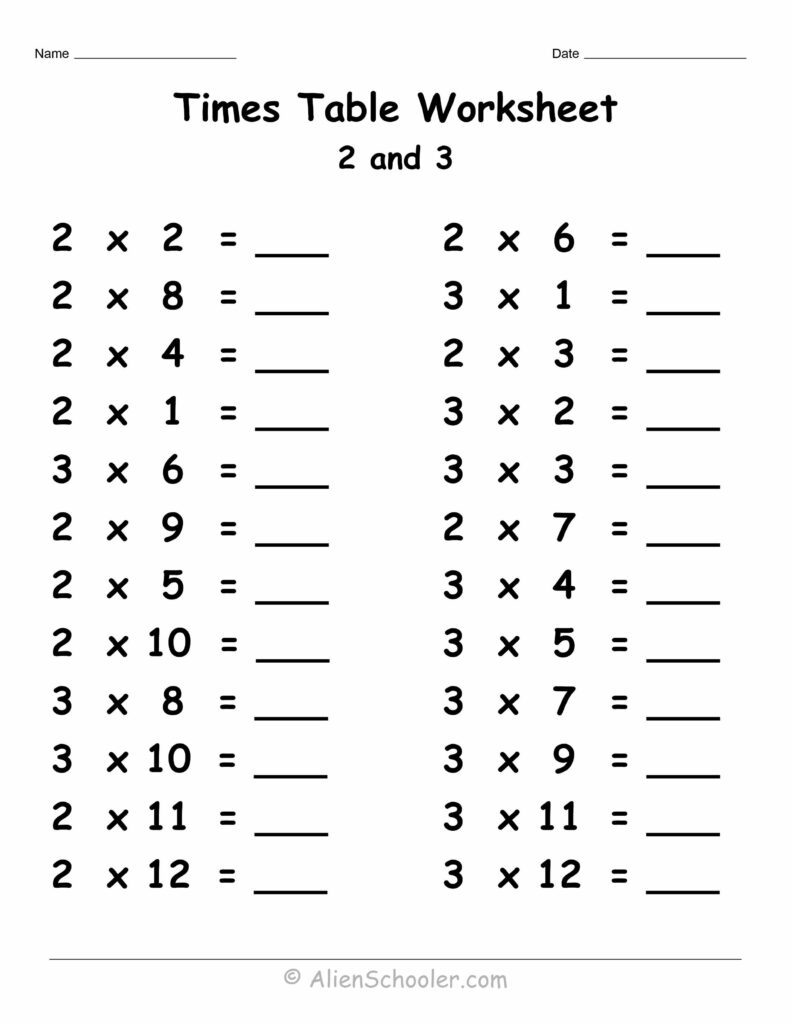
Multiplication is a foundational math skill that students begin mastering in early elementary grades. When it comes to teaching multiplication facts for 2 and 3, having the right resources can make all the difference. Printable worksheets, activities, and games tailored for multiplication can help students grasp these concepts while also allowing teachers and parents to track their progress. The Activities Multiplication 2 And 3 Print resources are designed to engage students and provide a variety of ways to practice and reinforce their multiplication skills.
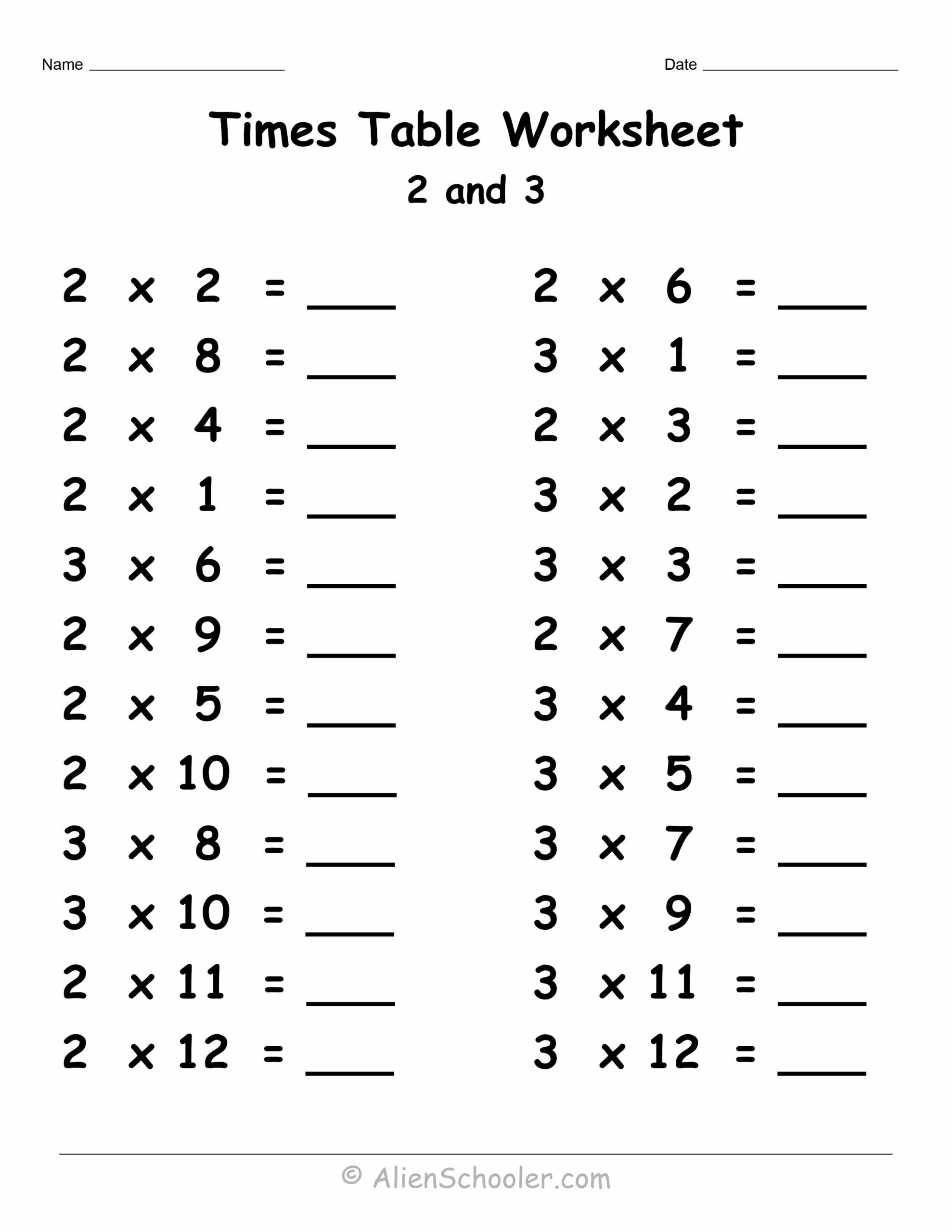
Understanding the Importance of Multiplication Practice
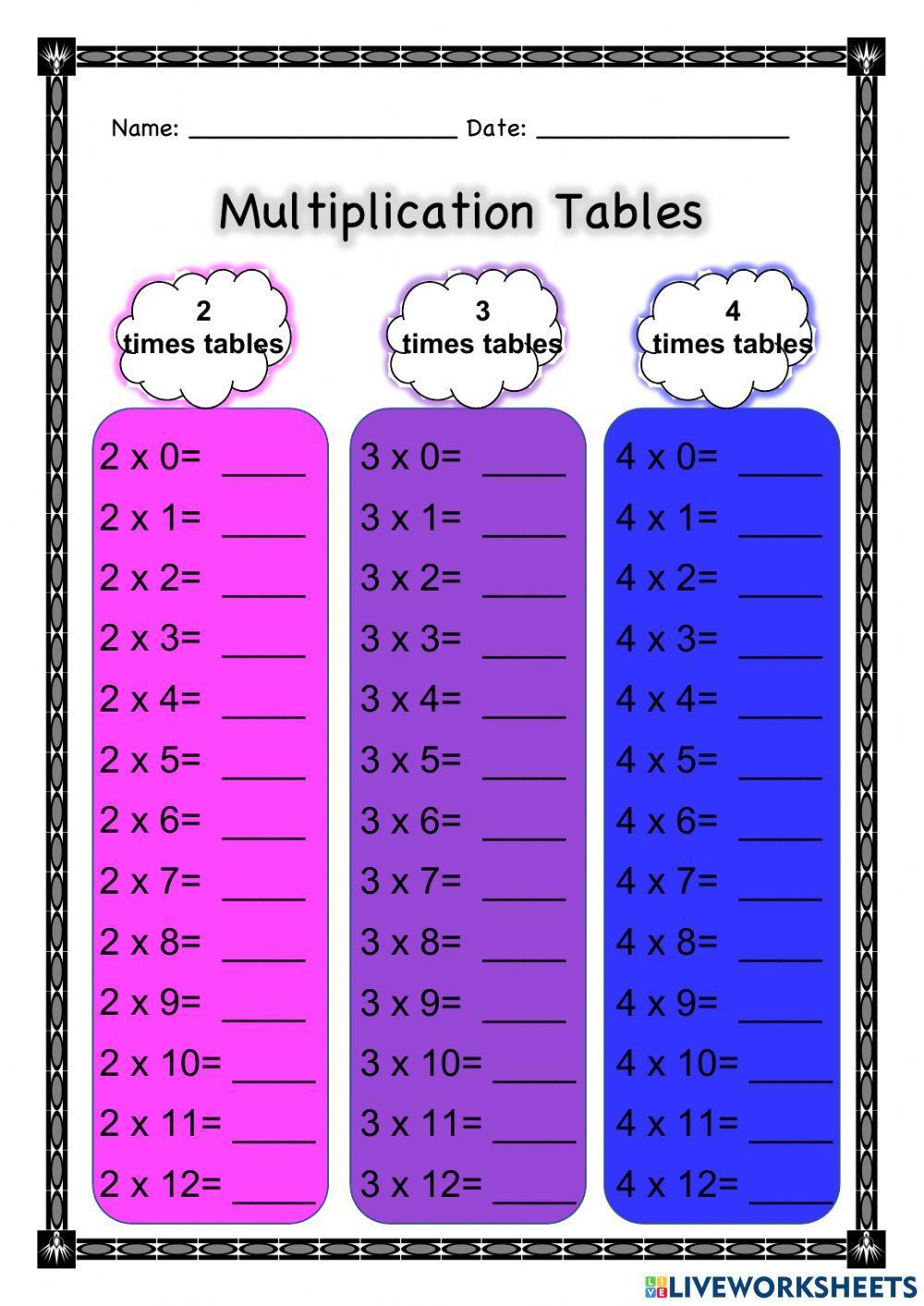
Multiplication is not just about memorizing facts; it’s about understanding the relationship between numbers. When students learn their 2s and 3s, they’re building a foundation for more complex math concepts. These early multiplication skills are crucial for future success in math, as they lead into division, fractions, and problem-solving.
It’s essential to provide students with multiple opportunities to practice these skills. The Activities Multiplication 2 And 3 Print resources are designed to be versatile—perfect for classroom settings, homeschooling, or even at-home practice. By utilizing a variety of formats—worksheets, games, and interactive activities—students can engage with multiplication in a way that suits their learning style.
Types of Printable Resources Available
The Activities Multiplication 2 And 3 Print resources come in several formats. Here’s a brief overview of what you can expect:
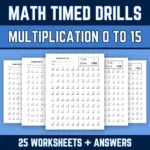
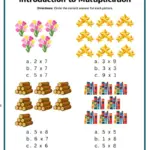
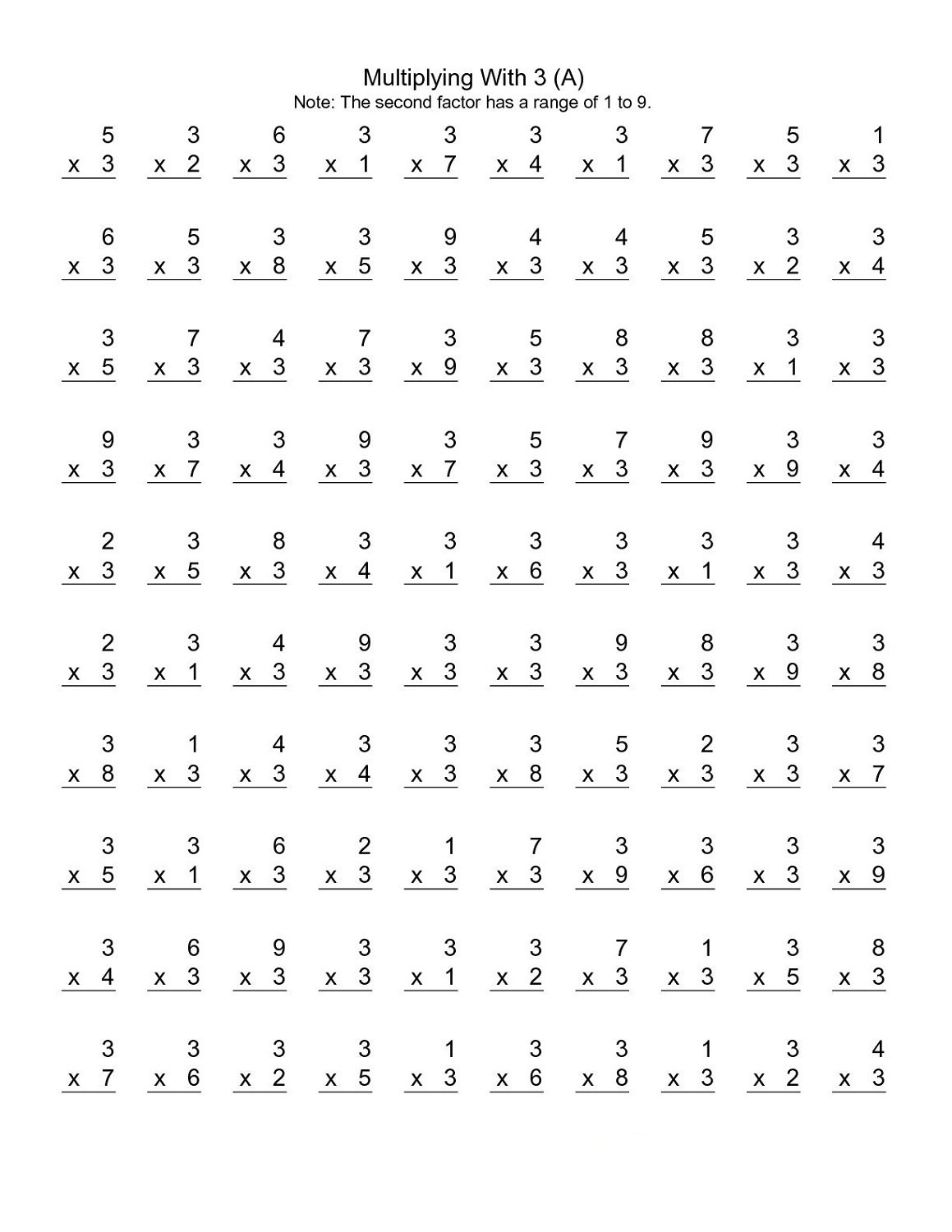
- Worksheets: These typically include a range of problems, from simple multiplication facts to word problems that require students to apply their knowledge in context. Worksheets can be used for individual practice or as part of a group activity.
- Games: Printable games like Bingo or matching cards can make learning multiplication fun. These activities encourage collaboration and can be easily adapted for different group sizes.
- Flashcards: These are great for quick review sessions. Flashcards can be used for self-testing or in pairs to quiz each other.
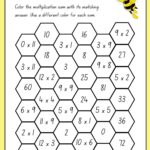
- Coloring Pages: Combining art and math, these pages allow students to practice multiplication while engaging their creativity.
- Interactive Activities: Some resources may include hands-on activities that can be printed out and used in class—like board games where students solve multiplication problems to advance.
How to Prepare and Use the Resources
Preparation is key to making the most of your printable resources. Here are some practical tips:
- Choosing the Right Paper: For worksheets, standard printer paper (8.5″ x 11″) is typically sufficient. However, if you plan to laminate any resources for durability, consider using cardstock. This heavier paper holds up better over time, especially for games and flashcards.
- Print Settings: Most resources will print well in portrait orientation, but check the specific resource for any recommendations. Also, ensure your printer is set to print in high quality for clear text and images.
- Organizing the Materials: Once printed, organize the resources in a binder or folder. This makes it easy to access them during lessons and keeps everything neat and tidy.
- Tracking Progress: As students complete worksheets or activities, make notes on their progress. Look for patterns in mistakes to identify areas that may need more practice. This can be as simple as marking correct answers or using a separate tracking sheet to record scores and improvement over time.
Engaging Students With Multiplication Activities
Engaging students is crucial for effective learning. Below are some strategies to keep students motivated while using the Activities Multiplication 2 And 3 Print resources:
- Incorporate Technology: If possible, combine print resources with digital tools. Many educational apps and websites offer multiplication games that can complement your printed activities.
- Group Work: Encourage collaboration by having students work in pairs or small groups. This not only helps them learn from each other but also makes the learning process more social and enjoyable.
- Incentives: Consider implementing a reward system. For example, students could earn stickers or points for completing certain worksheets or mastering specific multiplication facts.
- Real-World Connections: Help students understand the relevance of multiplication by incorporating real-world examples. Discuss how multiplication is used in cooking, shopping, or building.
Adapting Resources for Diverse Learning Needs
Every student learns differently, and some may require additional support. Here are some ways to adapt the Activities Multiplication 2 And 3 Print resources for diverse learners:
- Modify Worksheets: For students who may struggle, consider simplifying the worksheets. You can reduce the number of problems or provide visual aids to help them understand the concepts better.
- Use Manipulatives: Pair printable resources with physical manipulatives, such as counters or blocks. This tactile approach can help students visualize multiplication as repeated addition.
- Provide Extra Time: Some students may need more time to complete activities. Ensure that you offer flexibility in deadlines, allowing students to work at their own pace.
- Offer One-on-One Support: If possible, spend time with students who may need additional help. Personalized attention can significantly improve their understanding and confidence.
Next Steps: Maximizing the Use of Multiplication Resources
Once you’ve printed and organized your Activities Multiplication 2 And 3 Print resources, the next step is implementing them in your teaching strategy. Make a plan for how often you’ll use these materials, whether during math centers, homework assignments, or extra practice sessions.
Encourage students to take ownership of their learning. Allow them to choose which activities they enjoy most or feel they need more practice on. This can lead to greater engagement and a sense of responsibility for their own learning journey.
By incorporating a variety of activities and tracking progress effectively, you can create a dynamic learning environment where students feel supported and motivated to master their multiplication skills. Start printing those resources, and watch your students thrive in their understanding of multiplication!