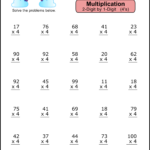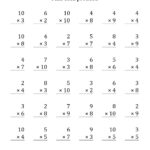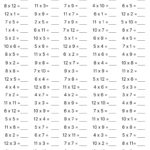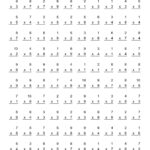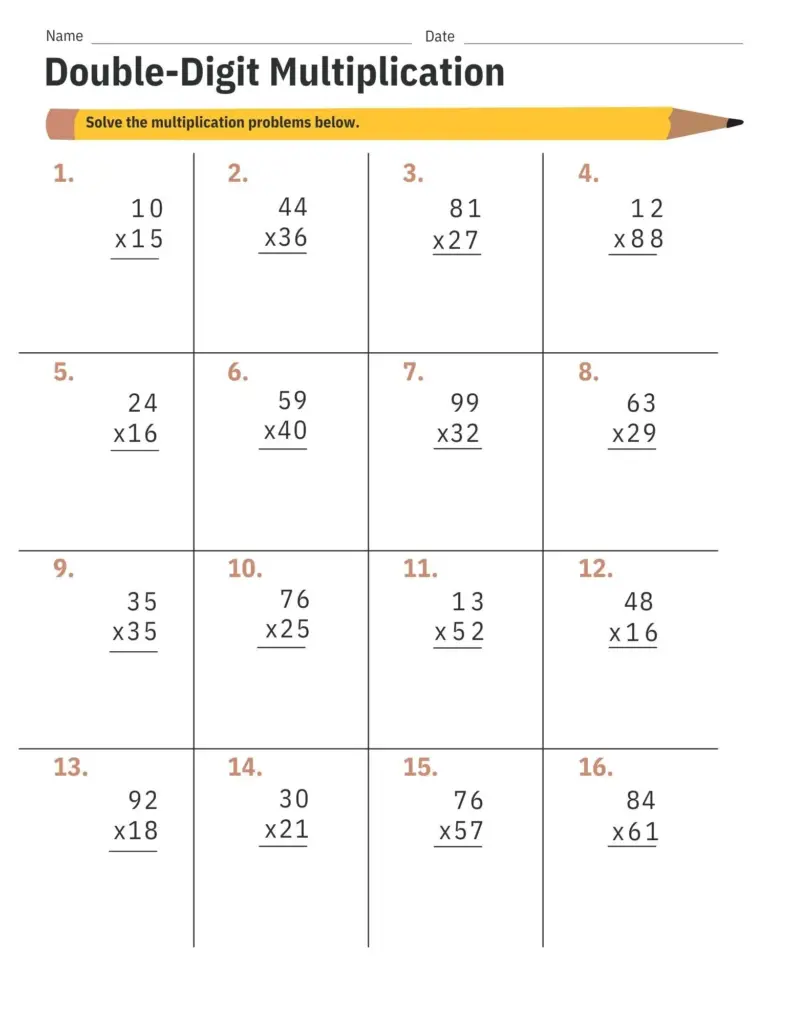
As Emily sat at the kitchen table, her son Jake struggled with his math homework. The topic of the day was double-digit multiplication, a skill he needed to master for his upcoming test. To help him, Emily turned to some 6th Grade Multiplication Worksheets Double Digits she had printed out from a reliable resource website. These worksheets provided the perfect balance of challenge and fun, helping Jake engage with the material while honing his skills.
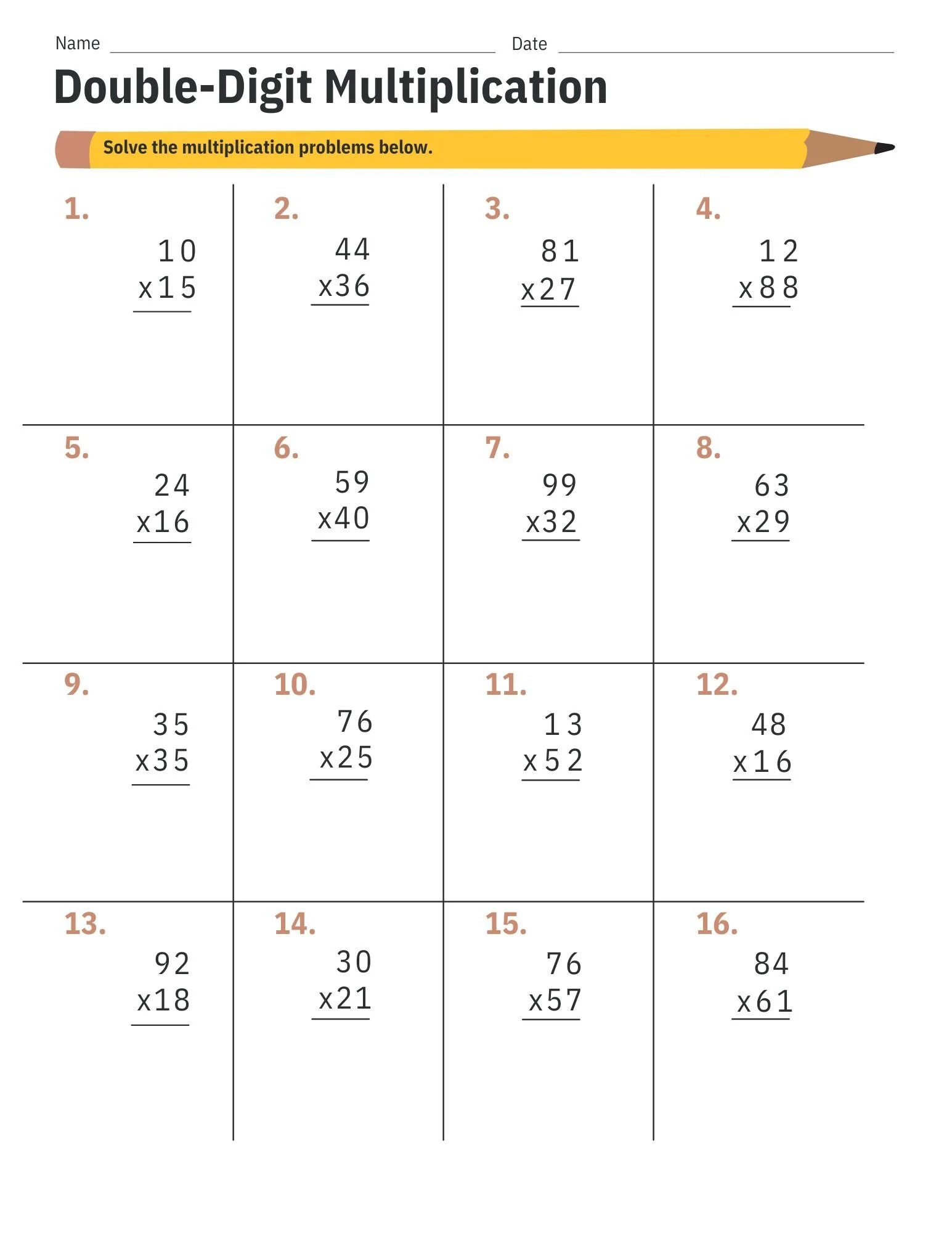
Understanding Double-Digit Multiplication
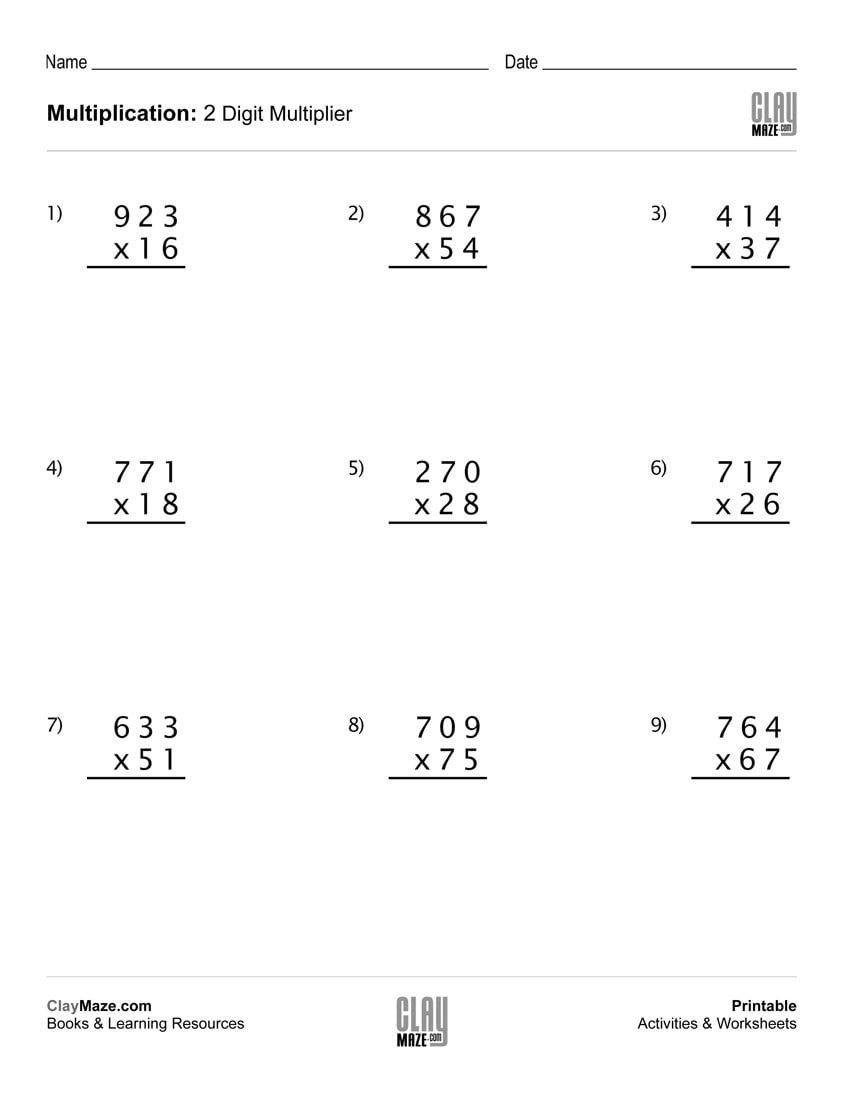
Double-digit multiplication can be a hurdle for many 6th graders, but with the right approach, it can become a manageable and even enjoyable task. The key to success lies in breaking down the multiplication process into smaller steps. This method not only makes it easier for students to understand but also boosts their confidence as they see their progress.
Worksheets designed specifically for double-digit multiplication often include a variety of problems, ranging from straightforward calculations to word problems that require critical thinking. This variety ensures that students can practice different aspects of multiplication, reinforcing their learning.
Benefits of Using Multiplication Worksheets
Multiplication worksheets serve multiple purposes beyond just practice. Here are some benefits of incorporating 6th grade multiplication worksheets into your teaching or homeschooling routine:
- Skill Reinforcement: Regular practice helps solidify multiplication concepts, making them second nature.
- Immediate Feedback: Worksheets allow students to work at their own pace and check their answers, which can help identify areas that need more focus.
- Variety of Formats: Different types of problems keep students engaged. Worksheets can include fill-in-the-blank, multiple-choice, and word problems.
- Flexible Use: They can be used in a classroom setting, during homeschooling sessions, or as extra practice at home.
When choosing worksheets, look for those that gradually increase in difficulty. This can help students build confidence as they master simpler concepts before tackling more complex problems.
How to Incorporate Worksheets Into Daily Learning
Integrating multiplication worksheets into your daily routine doesn’t have to be time-consuming. Here are some practical tips for incorporating these worksheets into your teaching methods:
- Set a Regular Time: Dedicate a specific time each day for math practice. Consistency helps create a habit, making it easier for students to engage with the material.
- Mix It Up: Don’t just stick with one style of worksheet. Alternate between different formats to keep the practice fresh and engaging. Use some for individual practice and others for group activities.
- Use Real-World Examples: Connect multiplication problems to real-life scenarios. For example, if a worksheet features a word problem about buying multiple packs of pencils, it can help students see the relevance of math in everyday life.
- Incorporate Games: Turn worksheet practice into a game. For instance, set a timer and see how many problems students can solve correctly within a time limit. This adds an element of competition and excitement.
Types of Worksheets Available
When searching for 6th Grade Multiplication Worksheets Double Digits, you’ll find various types. Here are some common formats:
- Standard Worksheets: These typically include a series of multiplication problems for students to solve, often organized by difficulty.
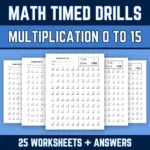
- Timed Tests: These are designed to help students improve their speed and accuracy, simulating a test environment.
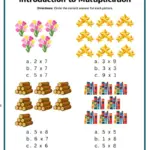
- Word Problems: These worksheets present multiplication problems in real-world contexts, encouraging critical thinking.
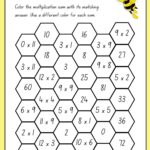
- Coloring Worksheets: These combine art with math, allowing students to color in sections based on their answers, making learning more interactive.
Each type of worksheet can be beneficial, so consider your students’ needs and preferences when selecting resources.
Tips for Printing and Using Worksheets
The practical aspects of using worksheets should not be overlooked. Here are some tips to ensure the best experience when printing and utilizing these resources:
- Paper Choice: Use standard 8.5 x 11-inch paper for easy printing. If you plan to reuse worksheets, consider using cardstock for durability, as it holds up better during multiple uses.
- Portrait Layout: Most worksheets are designed for portrait layout, which tends to work better for home printers. Always check your printer settings to avoid any formatting issues.
- PDF Format: If available, download worksheets in PDF format. PDFs generally retain their formatting better than image files, preventing any unexpected changes when printed.
- Laminating for Reuse: If you want to use worksheets multiple times, consider laminating them. This allows students to use dry-erase markers, making it easy to wipe clean after each use.
By following these practical tips, you can create a more effective and enjoyable learning environment.
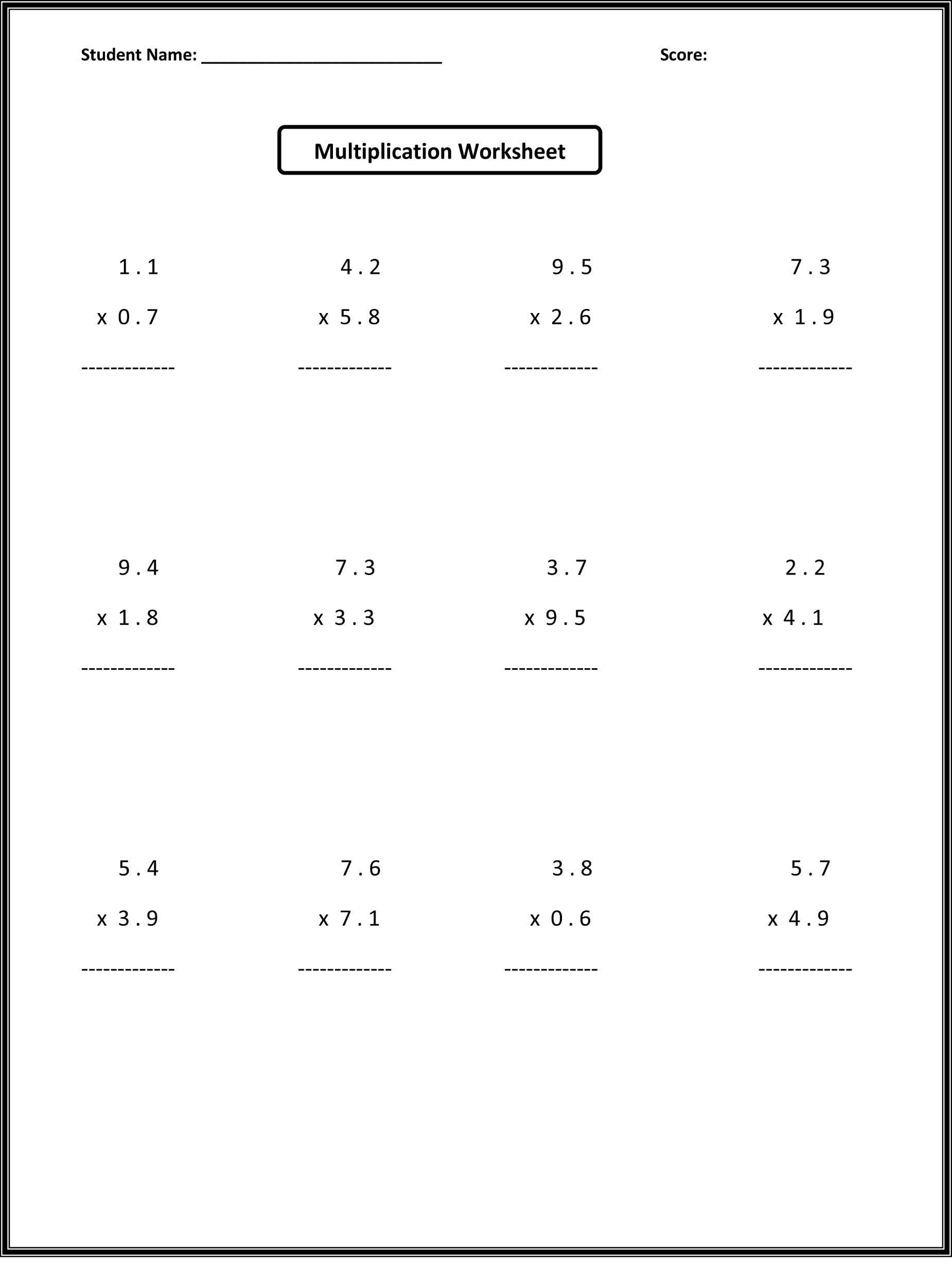
Encouraging Student Engagement
Engagement is key to helping students thrive in their math skills. Here are ways to encourage your 6th graders to take an active interest in multiplication:
- Celebrate Progress: Acknowledge milestones, whether it’s mastering a new concept or completing a challenging worksheet. Recognizing achievements can boost confidence and motivation.
- Group Activities: Encourage collaboration by having students work together on certain worksheets. This can foster a supportive learning environment where they can help each other.
- Incorporate Technology: Pair traditional worksheets with online resources or apps that offer interactive multiplication games. This blend of methods can cater to different learning styles.
Using these strategies will not only make multiplication practice more effective but also enjoyable for your students.
Incorporating 6th Grade Multiplication Worksheets Double Digits into your teaching toolkit can greatly benefit your students. By providing them with diverse resources, practical usage tips, and engaging activities, you’ll help them develop a strong foundation in multiplication that they can carry with them throughout their education. Whether you’re a teacher in a classroom or a parent at home, these worksheets can be a valuable asset in fostering math skills.