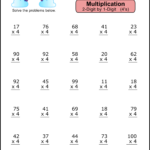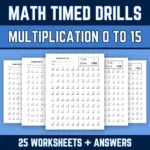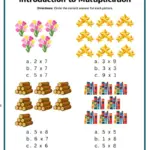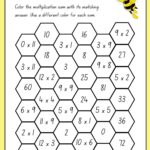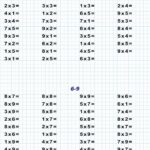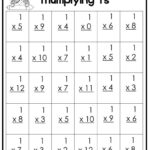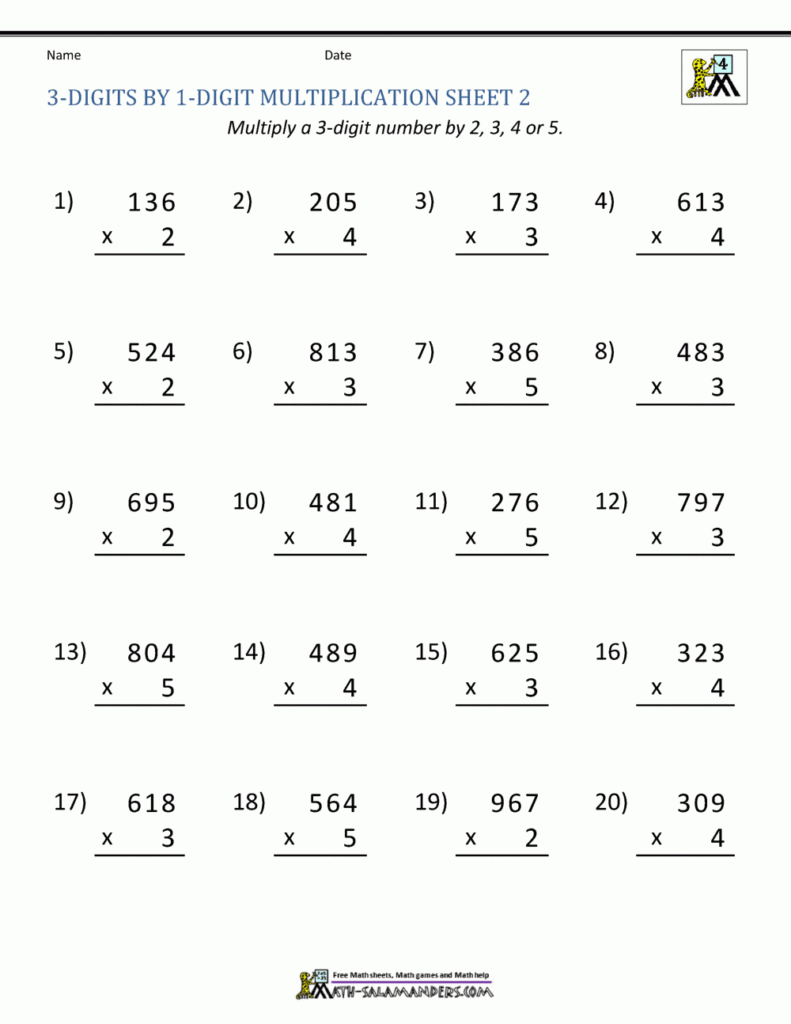
Multiplication is a fundamental math skill students must master, especially in 4th grade, where they encounter more complex problems. The 4th Grade 2 And 3 Didget Multiplication Worksheets are excellent resources for reinforcing multiplication skills, allowing students to practice both two-digit and three-digit multiplication in a structured manner. These worksheets are designed to be engaging and effective, catering to the needs of teachers, parents, and homeschoolers alike.
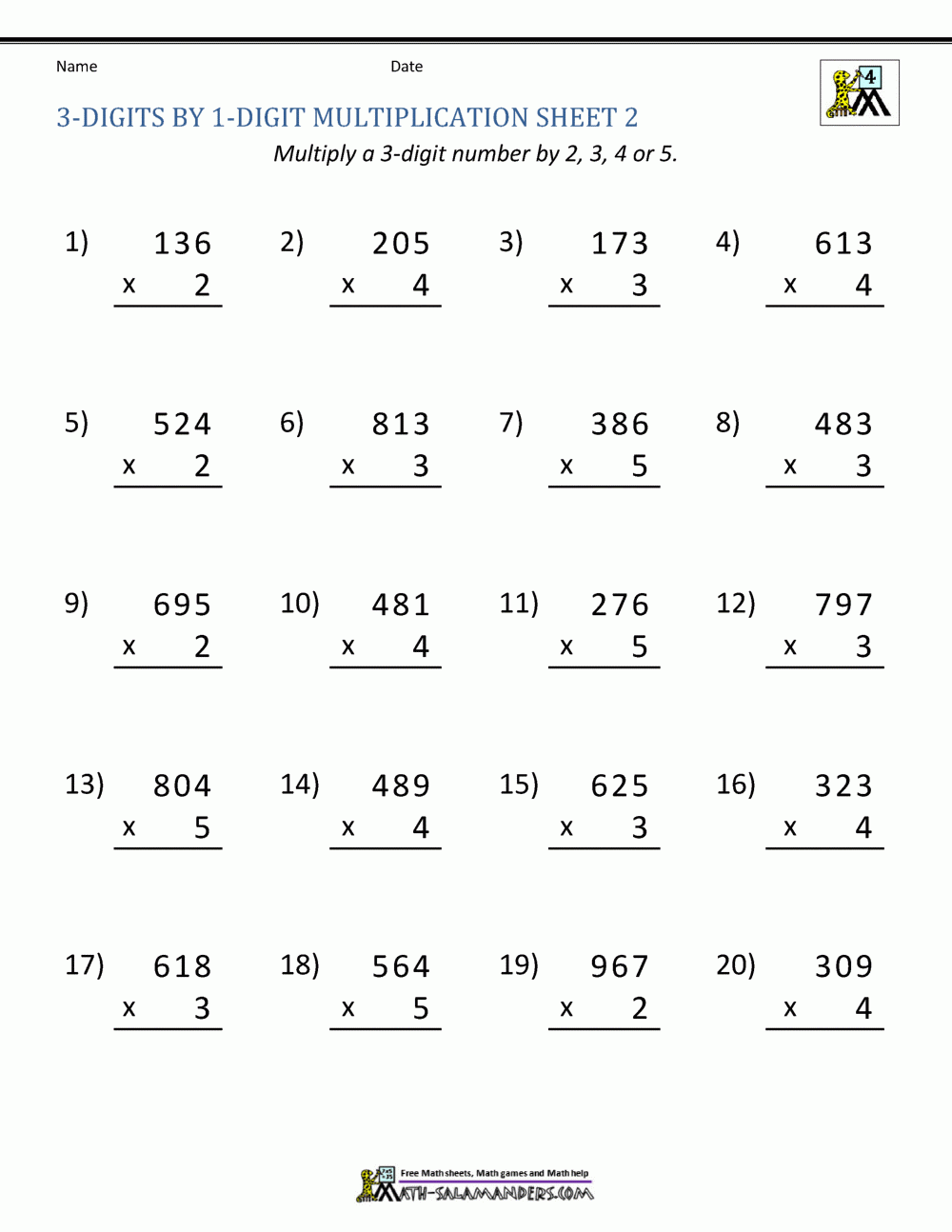
Understanding the Importance of Multiplication Practice
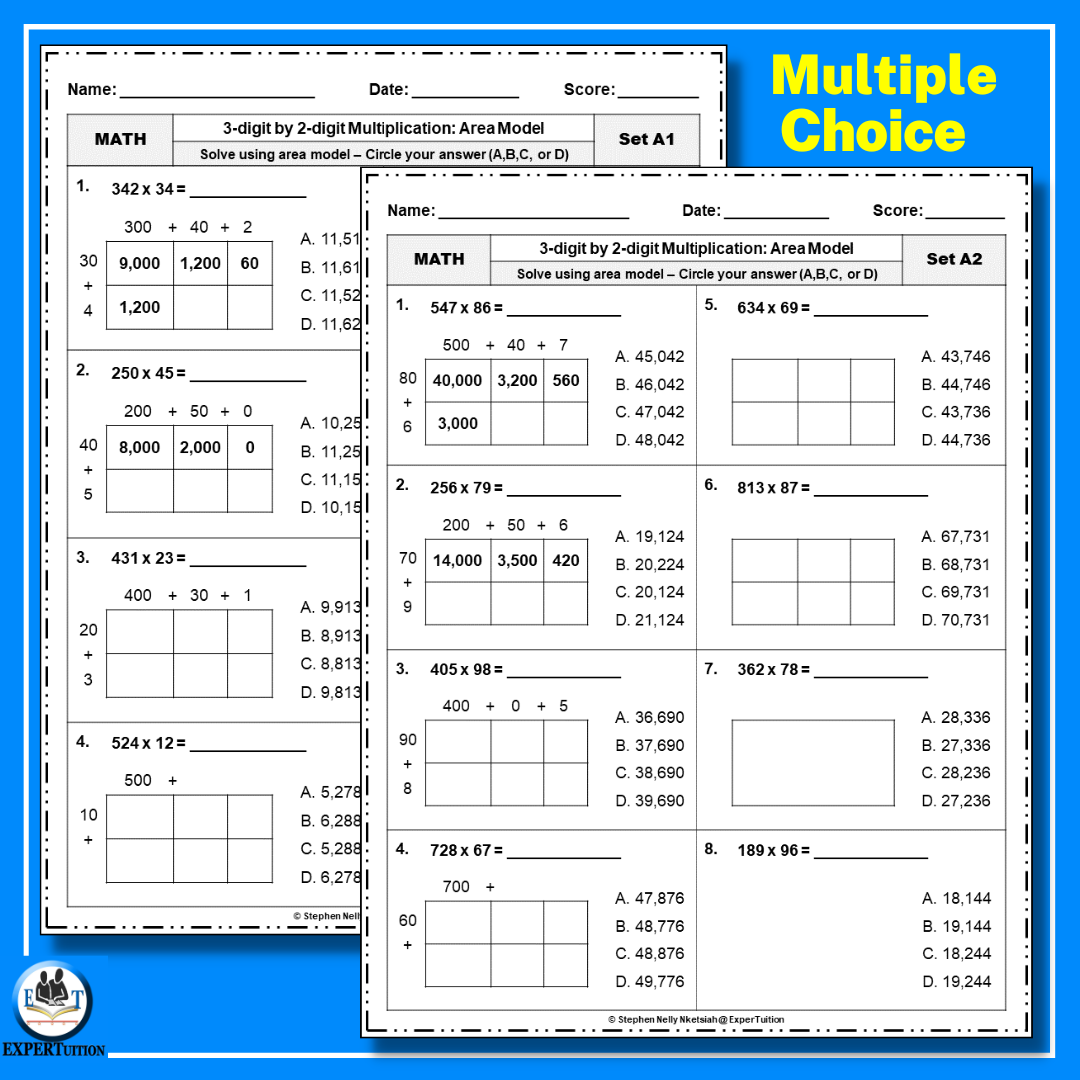
At the 4th-grade level, students are expected to multiply larger numbers, typically two-digit and three-digit figures, which sets the foundation for more advanced math concepts. Regular practice with 4th Grade 2 And 3 Didget Multiplication Worksheets can help solidify these skills, making students more confident in their abilities.
Frequent practice leads to better retention of concepts. Students who work on multiplication worksheets consistently can develop a deeper understanding of multiplication as they engage with various problem types. This skill is vital not only for future math courses but also for real-world applications where multiplication is necessary.
How to Use 4th Grade 2 And 3 Didget Multiplication Worksheets
Effectively incorporating these worksheets into your lesson plans can maximize their benefits. Here are some practical strategies for using these resources:
- Daily Practice: Introduce a few problems from the worksheets each day as a warm-up activity. This can help students build confidence and reinforce their skills gradually.
- Weekly Review: Dedicate one day each week to review what students have learned. Use the worksheets to assess their understanding and identify areas needing improvement.
- Group Activities: Encourage collaboration by having students work in pairs or small groups. They can solve problems together, discuss different methods, and help each other understand challenging concepts.
- Homework Assignments: Assign specific worksheets for homework. This allows students to practice independently and gives parents insight into what their children are learning.
- Incorporate Games: Use the worksheets as a basis for fun games. For example, turn solving problems into a timed challenge or a competition to see who can complete the most problems correctly.
Types of Problems Included in the Worksheets
The 4th Grade 2 And 3 Didget Multiplication Worksheets typically include a variety of problems designed to cater to different learning styles. Here are some common types of problems you might find:
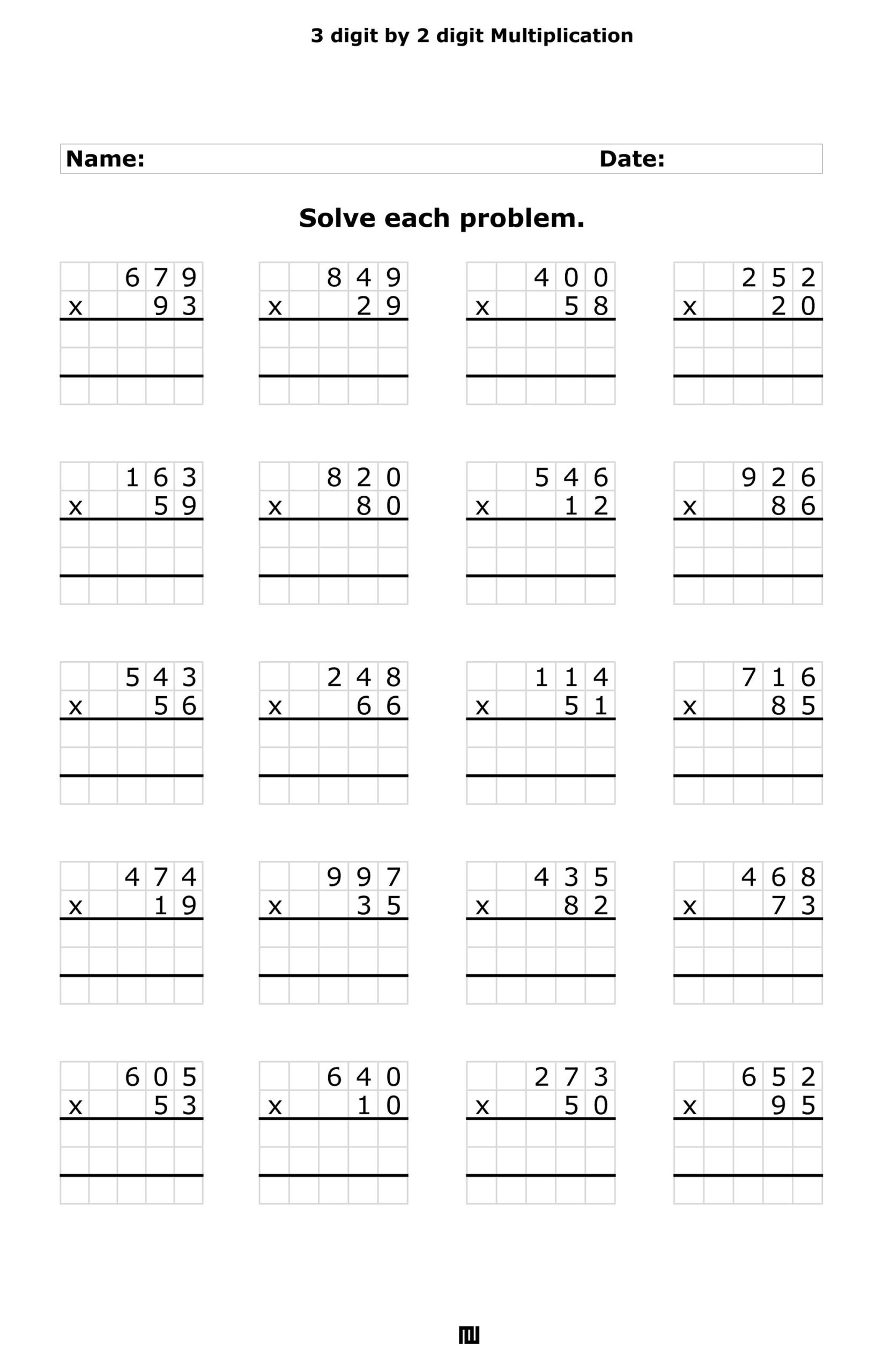
- Standard Multiplication Problems: Basic multiplication equations, such as 23 x 15 or 456 x 23, that require students to apply standard multiplication techniques.
- Word Problems: Real-life scenarios where students must apply multiplication to solve problems, helping them understand the practical applications of what they are learning.
- Multi-step Problems: Challenges that require more than one operation to solve, encouraging critical thinking and problem-solving skills.
- Grid or Array Problems: Visual representations of multiplication that can help students grasp the concept of arrays and partial products.
Tips for Printing and Organizing Worksheets
When using printable resources like the 4th Grade 2 And 3 Didget Multiplication Worksheets, consider the following tips to enhance usability:
- Paper Size: Standard letter size (8.5 x 11 inches) is usually ideal for printing. Make sure your printer settings are adjusted accordingly to avoid cutting off any part of the worksheet.
- Quality of Paper: Using cardstock can provide durability, especially if the worksheets will be used multiple times or laminated for reuse.
- Color vs. Black and White: While color prints can be more engaging, black and white can save on ink costs. Consider your classroom or home budget when deciding.
- Organizing Worksheets: Keep printed worksheets in a binder or folder, categorized by skill level or topic. This makes it easy to find the right worksheet for each lesson.
Tracking Progress and Assessing Understanding
Monitoring students’ progress is critical to ensuring they are mastering multiplication skills. Here are some ways to track their development:
- Regular Quizzes: Use worksheets as quizzes to assess understanding. This can help you pinpoint areas where students may struggle.
- Check for Accuracy: Provide answer keys for self-checking. This encourages students to review their work and learn from mistakes.
- Feedback Sessions: Schedule brief feedback sessions where you can discuss common errors and clarify misunderstandings with the class.
- Progress Charts: Create visual progress charts to motivate students. Tracking improvement over time can be encouraging and foster a growth mindset.
Making Multiplication Fun and Engaging
To keep students engaged while learning multiplication, consider integrating additional fun activities alongside the worksheets:
- Interactive Games: Websites and apps that focus on multiplication can be great supplements, offering students a fun way to practice.
- Hands-On Activities: Use physical objects like blocks or counters to demonstrate multiplication concepts, making the learning experience more tactile and visual.
- Art Projects: Incorporate multiplication into art projects by having students create visuals representing multiplication problems or concepts, such as arrays.
By utilizing the 4th Grade 2 And 3 Didget Multiplication Worksheets effectively and incorporating various teaching strategies, you can help students develop a strong foundation in multiplication. This practice will not only enhance their math skills but also prepare them for future academic challenges. Remember, consistent practice and a variety of engaging activities are key to fostering a love for math.