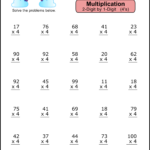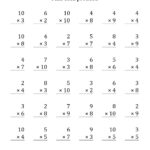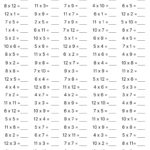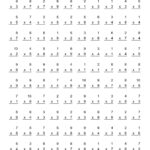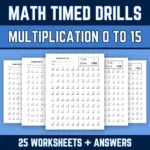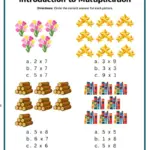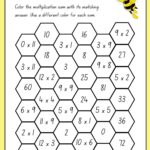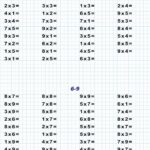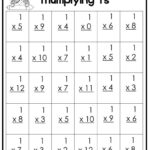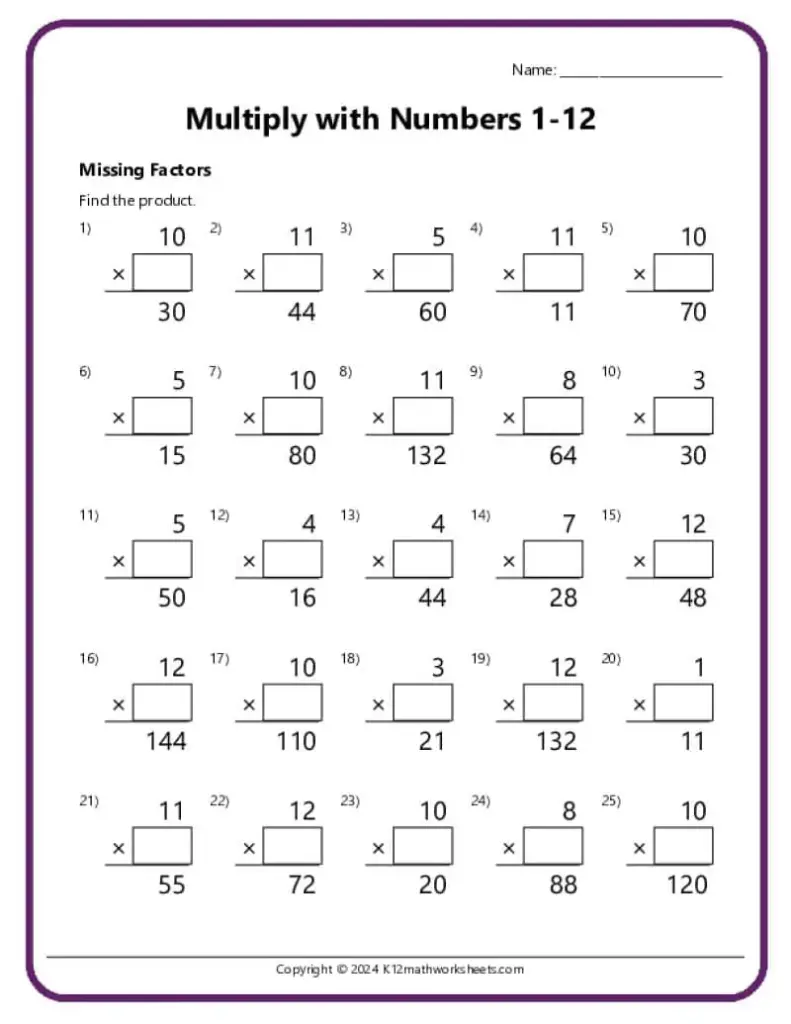
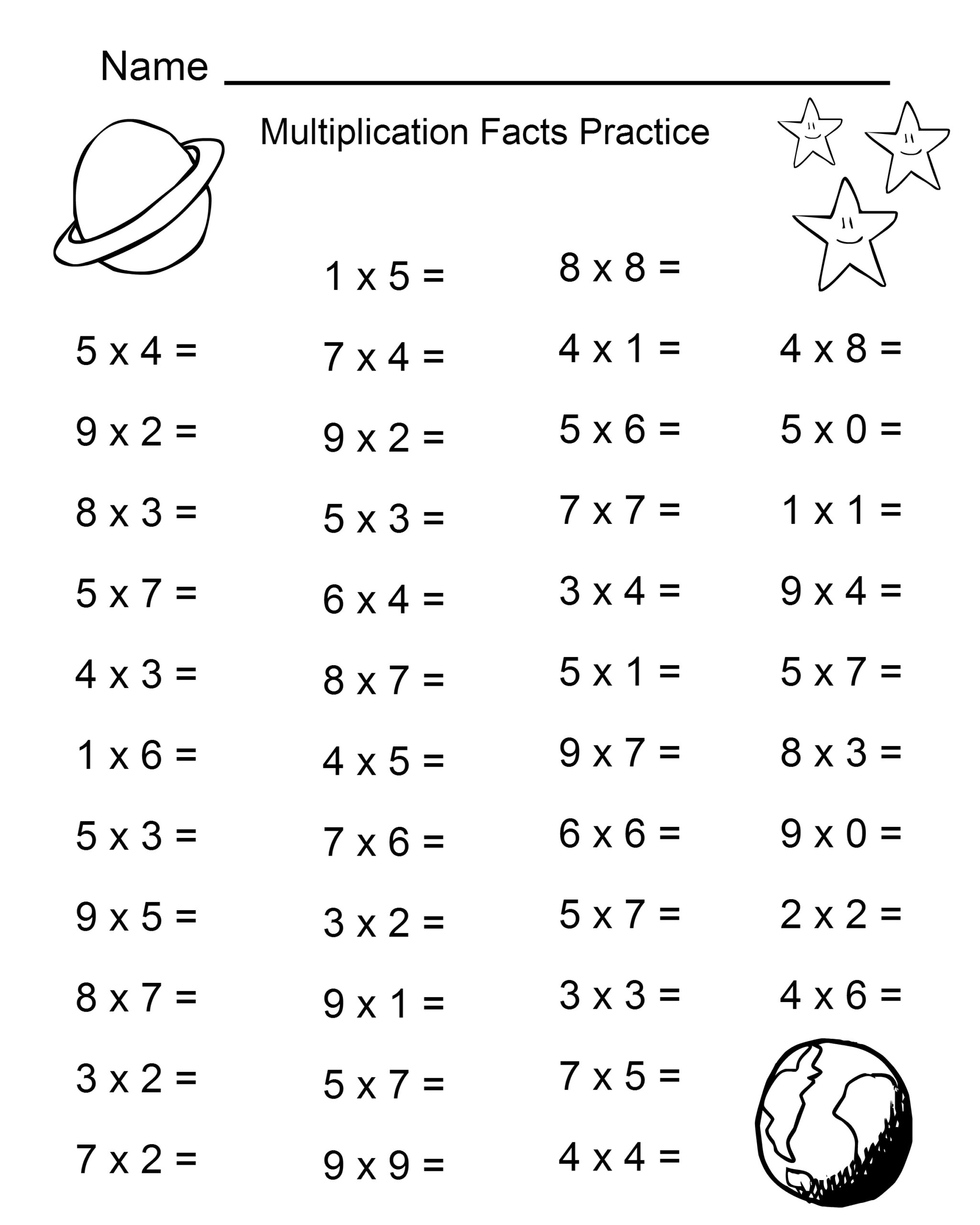
Introducing a 3rd Grade Multiplication Factors Worksheet can be a useful option in your classroom. Designed specifically for third graders, this worksheet focuses on helping students understand the concept of multiplication factors, which is essential for mastering multiplication tables and building a solid foundation in math. The worksheet typically comes in a standard 8.5 x 11-inch format, making it easy to print on any home or classroom printer.
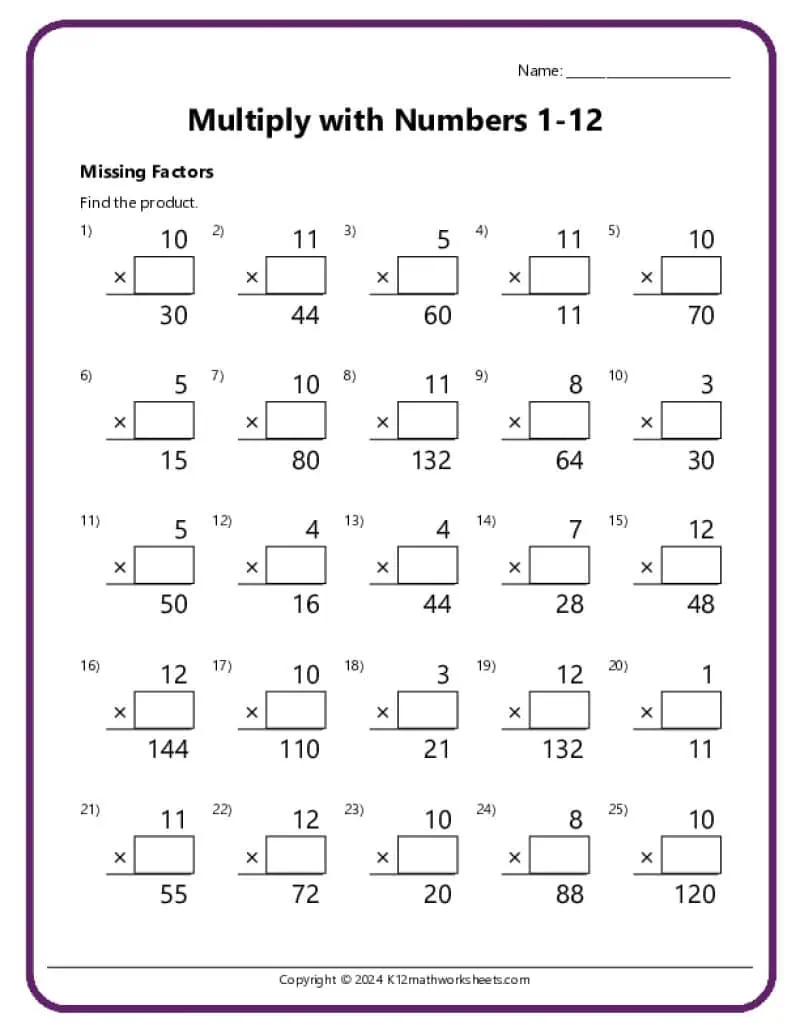
Understanding Multiplication Factors
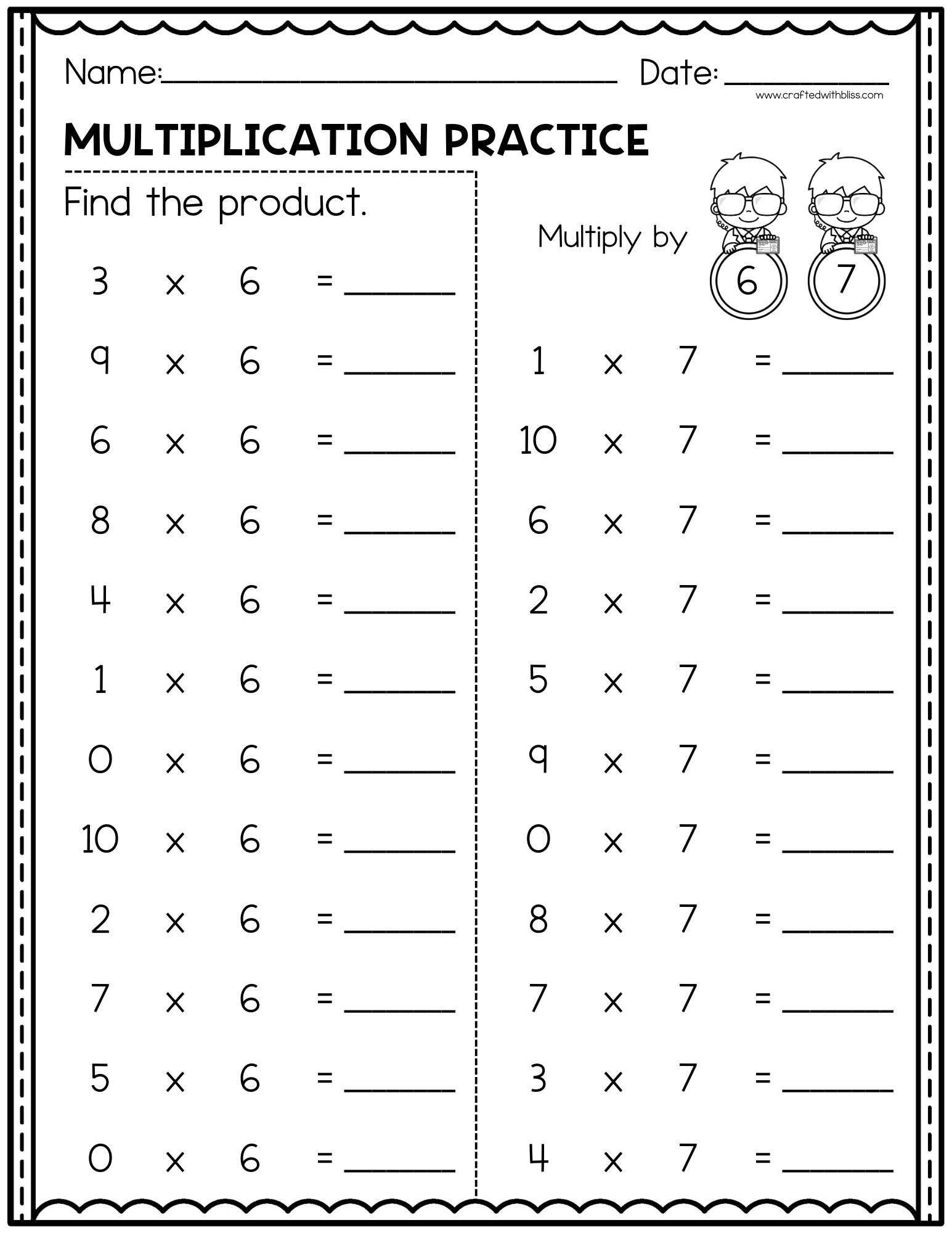
Before diving into the specifics of the worksheet, it’s important to clarify what multiplication factors are. A factor is a number that can be multiplied by another number to produce a product. For example, in the multiplication sentence 4 x 5 = 20, both 4 and 5 are factors of 20. Understanding this concept is crucial for students as they learn to navigate multiplication problems.
Why Use a 3rd Grade Multiplication Factors Worksheet?
Using a worksheet dedicated to multiplication factors serves several purposes. Firstly, it provides structured practice that reinforces classroom learning. Worksheets can be used for individual practice, group work, or even homework assignments. They allow students to work at their own pace and revisit areas where they may need extra help.
Moreover, worksheets often include a variety of exercises that engage different learning styles. For example, some students may benefit from visual representations of factors, while others may prefer straightforward numerical problems. This variety can make learning more enjoyable and effective.
Choosing the Right Resource
When selecting a 3rd Grade Multiplication Factors Worksheet, consider the following aspects:
- Content Variety: Look for worksheets that include multiple types of questions, such as fill-in-the-blank, matching, and word problems. This variety helps to keep students engaged.
- Difficulty Level: Ensure the worksheet is appropriate for third graders. It should challenge them but not overwhelm them.
- Answer Key: A resource that includes an answer key is invaluable. It allows for quick grading and helps you provide immediate feedback to students.
How to Download and Print Your Worksheet
Once you’ve identified the right worksheet for your class, the next step is to download and print it. Here’s how to do it efficiently:
- Download the Worksheet: Click the download link, usually provided in PDF format. PDFs are excellent because they preserve the formatting and are compatible with most printers.
- Open the File: After downloading, open the PDF file to ensure it displays correctly. Check that the layout is portrait, as this is ideal for worksheets.
- Print Settings: When printing, use standard settings for best results. Select the option to print on letter-sized paper (8.5 x 11 inches) and ensure you’re using a good quality printer to prevent smudges or blurriness.
- Print in Bulk: If you’re teaching a full class, consider printing multiple copies at once. This saves time and ensures all students have the same material.
Setting Up the Worksheet for Use
Once printed, it’s time to set the worksheet up for classroom use. Here are a few suggestions:
- Organize the Classroom: Distribute the worksheets on students’ desks before class begins. This can help reduce disruptions during the lesson.
- Review Instructions: Before students start, take a moment to explain the worksheet’s purpose and any specific instructions. Clarifying expectations can lead to better engagement.
- Encourage Collaboration: Consider pairing students so they can work together on the problems. This not only helps them learn from each other but also fosters a collaborative learning environment.
Grading and Feedback
After students have completed their worksheets, grading them can be straightforward with an answer key. Here are a few effective grading tips:
- Quick Check: Scan through the worksheets to quickly identify common mistakes. This can help you understand which concepts may need further review in class.
- Provide Feedback: Write encouraging notes or suggestions on the worksheets. This feedback can motivate students and guide them on how to improve.
- Discuss Results: Consider discussing the results as a class. This can help students learn from each other’s mistakes and successes, reinforcing their understanding of multiplication factors.
Additional Activities to Reinforce Learning
To further solidify the concepts of multiplication factors, consider incorporating additional activities:
- Games: Use multiplication games that reinforce the same concepts. For example, factor bingo or matching games can make learning more fun.
- Visual Aids: Create charts or diagrams showing multiplication factors. Visual learners often benefit from seeing relationships in a different format.
- Real-World Applications: Discuss real-world instances of multiplication, such as calculating prices or measuring ingredients in cooking. This contextualizes their learning and shows the relevance of multiplication in everyday life.
Incorporating a 3rd Grade Multiplication Factors Worksheet into your teaching strategy can be a simple yet effective way to enhance your students’ understanding of multiplication. By providing structured practice, ensuring proper setup, and offering constructive feedback, you can help your students build confidence in their math skills. Remember, the key to success in teaching multiplication factors is patience and creativity, so don’t hesitate to adjust your approach based on what works best for your students.
One useful detail to remember is that using colored paper for the worksheets can help differentiate between various math topics, making it visually easier for students to stay organized.