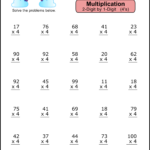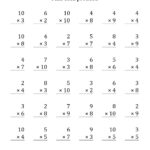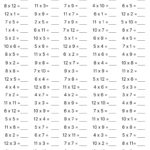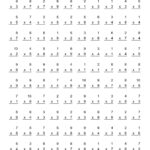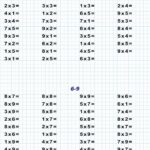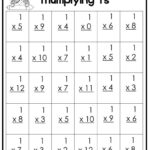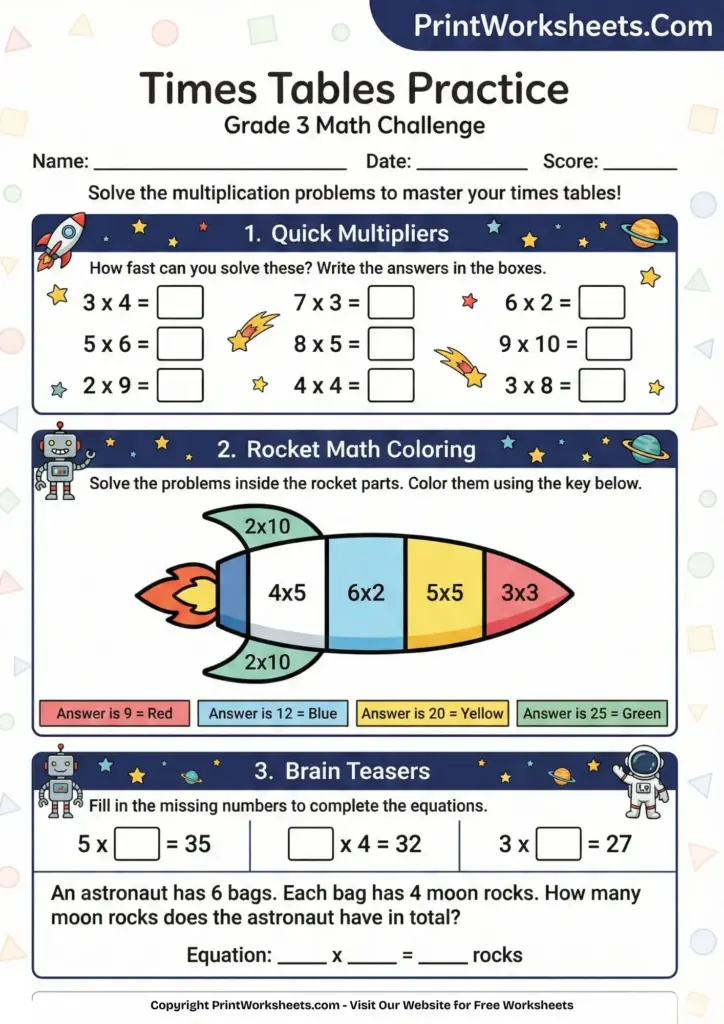
When teaching multiplication to third graders, having the right resources is essential for effective learning. These 3rd Grade Math Worksheets Multiplication 13 By 20 are designed specifically to help students practice their multiplication skills in a structured and engaging way. Each worksheet provides a variety of exercises that reinforce the concept of multiplication while keeping students motivated.
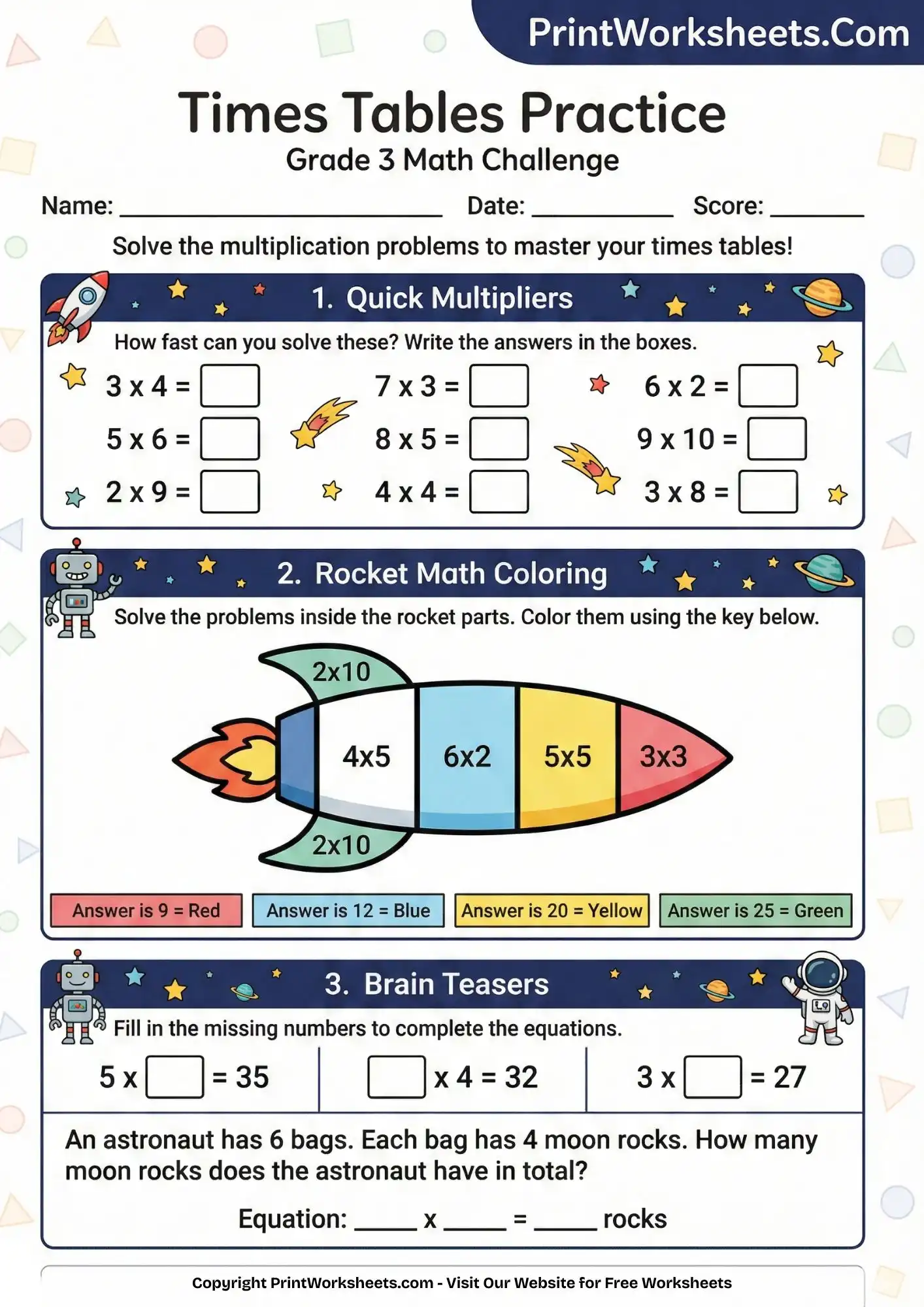
Understanding Multiplication for 3rd Graders
At the third-grade level, students are expected to develop a solid understanding of multiplication. They should be able to multiply single-digit numbers and start working with larger numbers, making worksheets focused on these skills invaluable. The worksheets featuring multiplication problems up to 13 by 20 help students build fluency and confidence as they master the multiplication tables.
It’s important to explain multiplication not just as a memorization task but as a way of solving real-world problems. For instance, you can relate multiplication to repeated addition. If a student has three bags with five apples each, you can frame the problem as 5 + 5 + 5 or 3 times 5. This conceptual understanding makes the worksheets more meaningful.
Selecting the Right Worksheets
When you choose 3rd Grade Math Worksheets Multiplication 13 By 20, look for resources that are visually appealing and varied in format. Worksheets should include:
- Basic multiplication facts: Focus on the core multiplication tables, like 1 through 12, with some extending to 13 by 20 for advanced practice.
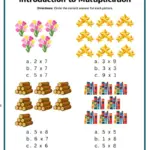
- Word problems: Integrate multiplication into real-life scenarios to help students apply their knowledge.
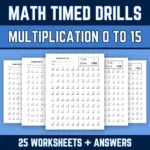
- Timed tests: These can help gauge fluency and speed, allowing students to track their progress over time.
Make sure the worksheets are well-organized and not overcrowded. A clean layout will help students focus on solving problems without feeling overwhelmed.
Downloading and Printing the Worksheets
Once you’ve selected the worksheets that best fit your lesson plan, the next step is to download and print them. Most educational websites provide these resources in PDF format, which is ideal for maintaining the layout during printing.
Printing Tips
- Use letter-sized paper (8.5 x 11 inches) for standard worksheets.
- Print in portrait orientation for a traditional layout, which is often easier for students to manage.
- Consider using cardstock for durability, especially if you plan to reuse the worksheets or if they will be used in a classroom setting where multiple students will handle them.
Setting Up for Classroom Use
Once printed, organize the worksheets by topic or skill level. This will make it easier to assign them based on your students’ needs. For example, you might have a stack of basic multiplication facts for students who need more practice and another stack of word problems for those who are ready for a challenge.
Incorporating Worksheets Into Lesson Plans
To effectively use these multiplication worksheets in your teaching, consider the following strategies:
- Warm-Up Activities: Start the class with a quick review of multiplication facts using the worksheets. This can be a great way to get students engaged and ready to learn.
- Group Work: Divide students into small groups and assign each group different sets of worksheets. This encourages collaboration and helps students learn from each other.
- Homework Assignments: Send worksheets home for extra practice. This can help reinforce what students learn in class and allow parents to be involved in their child’s education.
- Assessment Tools: Use timed tests from the worksheets to assess students’ understanding and speed. This can help identify who may need additional support or enrichment.
Engaging Students With Multiplication
To keep your students interested in multiplication, try to incorporate fun and interactive elements into your lessons. Here are a few ideas:
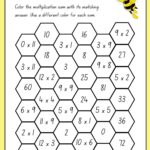
- Games: Use multiplication bingo or flashcards to make learning enjoyable. These activities can be done in groups or as a class competition.
- Technology: Incorporate educational apps that focus on multiplication. Many students respond well to interactive learning through technology.
- Real-Life Connections: Encourage students to find real-life examples of multiplication around them, such as calculating total costs while shopping or figuring out how many items fit into certain containers.