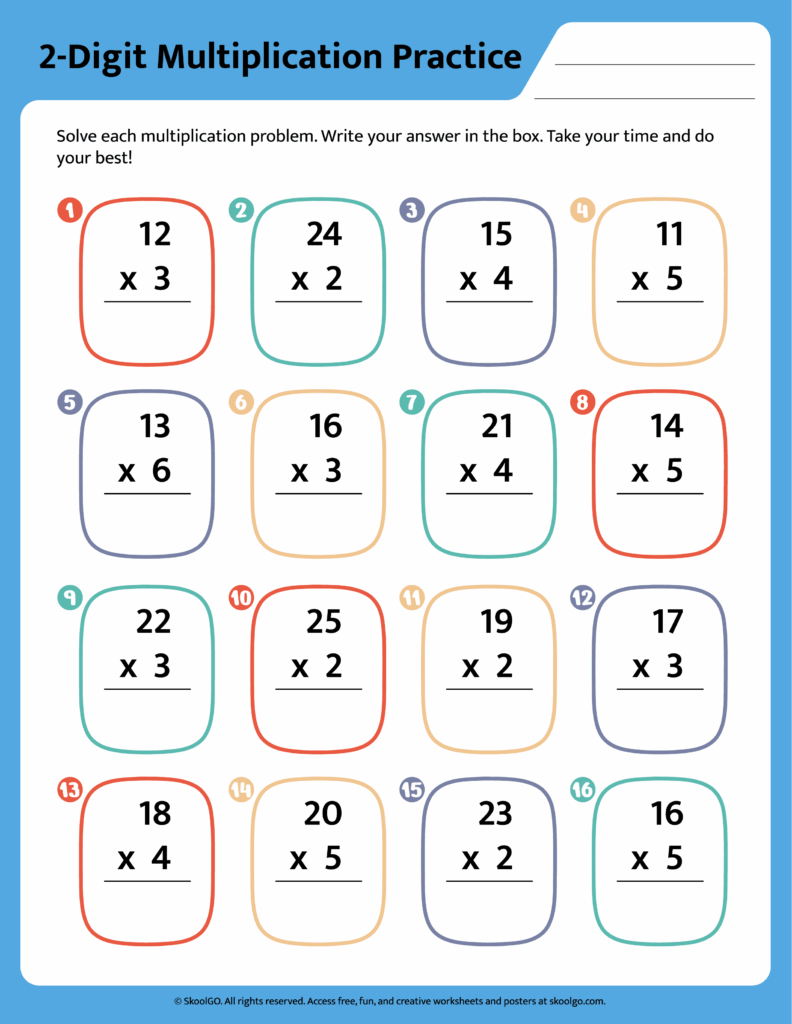
Mastering 3rd Grade 2 Digit Multiplication is an essential skill for young learners. It lays the foundation for more advanced math concepts and problem-solving abilities. As teachers, we want our students to feel confident and competent when tackling multiplication, and using the right resources can make all the difference. In this article, I’ll guide you through effective teaching strategies, the importance of practice, and how to utilize printable resources to make learning both engaging and effective.
Understanding 2 Digit Multiplication
Before diving into teaching methods, it’s important to understand what 2 digit multiplication entails. For 3rd graders, this means multiplying numbers that are both two digits long, such as 23 x 45. This process can be daunting for students, but breaking it down into manageable steps helps alleviate anxiety.
Encourage students to start by mastering single-digit multiplication before moving on to two-digit numbers. Familiarity with multiplication tables will provide a solid background for tackling more complex problems.
Printable Resources for 3rd Grade 2 Digit Multiplication
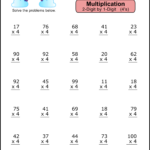
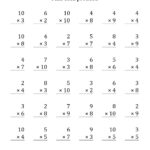
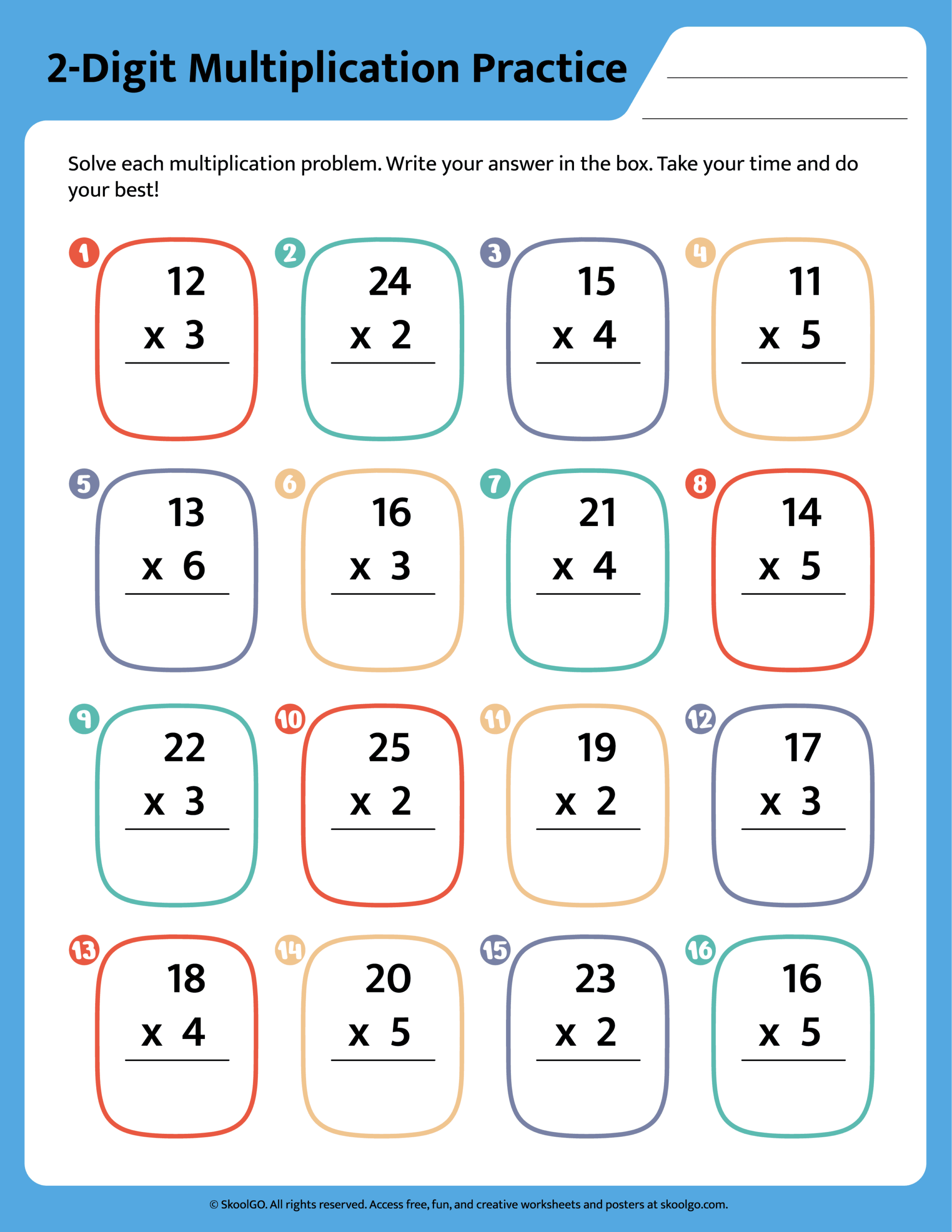
Printable worksheets are an invaluable tool in the classroom. They allow students to practice at their own pace, and you can easily customize them to fit your teaching style and your students’ needs. Here are some types of resources you might consider:
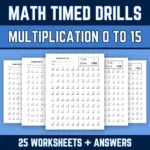
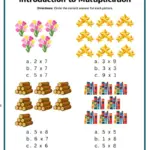
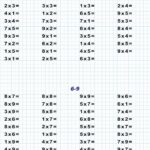
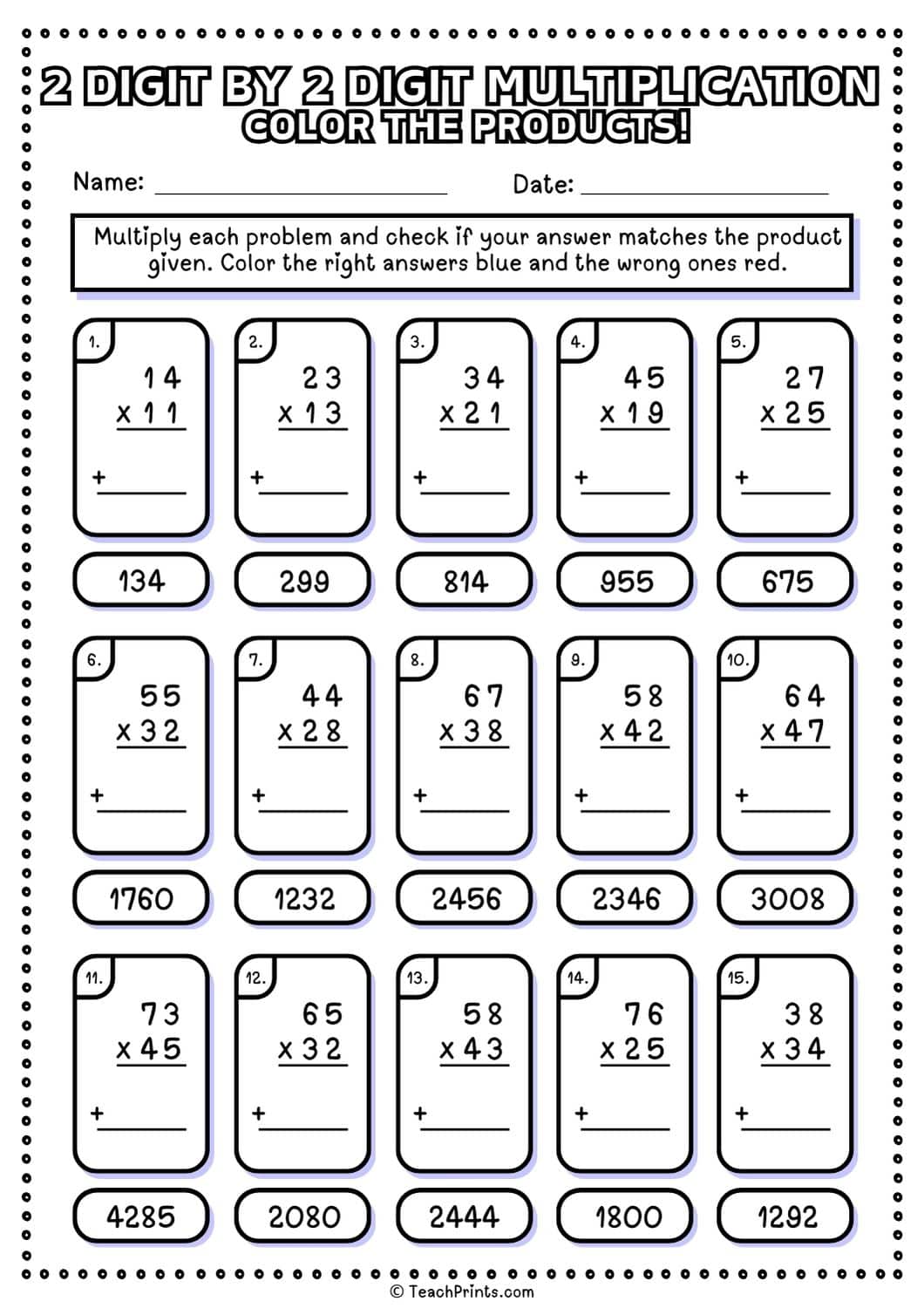
- Worksheets: Create or download worksheets that focus on 2 digit multiplication problems. Look for resources that include a variety of question types, such as word problems and traditional multiplication exercises.
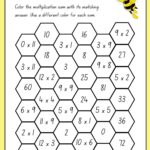
- Coloring Pages: Incorporate coloring pages that feature multiplication problems. This can make the learning process more enjoyable and help reinforce their skills in an engaging way.
- Flashcards: Use flashcards for quick practice sessions. They can be an effective way to reinforce multiplication facts and help students with recall under pressure.
Make sure to choose printable resources that are formatted as PDFs. This format ensures that the layout remains consistent across different devices and printers.
Preparing Your Printable Resources
Getting your printable resources ready for classroom use involves a few important steps:
- Download and Print: Once you’ve selected the resources you want to use, download the PDF files. When printing, ensure your printer settings are adjusted for the best quality—using a standard letter size (8.5 x 11 inches) typically works well.
- Paper Choice: For worksheets, standard printer paper is sufficient. However, if you plan to laminate them for repeated use, opt for cardstock, which is more durable.
- Layout Matters: Portrait layout is generally best for worksheets, while landscape might work better for flashcards or larger templates. Adjust your print settings accordingly.
- Organize for Use: After printing, organize the worksheets by topic or difficulty. This makes it easier for you to select the right resource for each lesson or practice session.
Spacing Practice Over Time
Repetition is key in mastering 3rd Grade 2 Digit Multiplication. Instead of cramming, consider spacing practice over a week. This method not only helps reinforce concepts but also allows students to absorb the material better.
Here’s how you can structure the practice:
- Day 1: Introduce the concept with simple problems and examples. Use visual aids if possible.
- Day 2: Distribute worksheets with basic problems and encourage students to work through them in pairs.
- Day 3: Introduce word problems that require 2 digit multiplication. This helps students apply their skills in real-world contexts.
- Day 4: Conduct a fun quiz or game involving multiplication flashcards. This keeps the energy high and reinforces learning.
- Day 5: Review everything learned through a cumulative worksheet that combines various problem types.
Encouraging students to practice a little every day will build their confidence and fluency in multiplication.
Engaging Students With Real-World Applications
Connecting 3rd Grade 2 Digit Multiplication to real-world scenarios can make the lessons more relatable. For instance, you can create projects that involve budgeting or shopping scenarios, which require multiplication to solve.
You might also consider involving parents in this process. Sending home worksheets or practice sheets can encourage family engagement. Parents can help reinforce these skills during homework time, turning learning into a collaborative effort.
Tracking Progress and Adjusting Instruction
Regular assessment of your students’ understanding is crucial. Keep track of their performance on worksheets and quizzes. If you notice specific areas where students struggle, adjust your instruction accordingly. This could mean revisiting certain multiplication strategies or providing additional resources for practice.
Utilizing printable resources allows for easy tracking of progress. You can create a system for marking completed worksheets, and even have students self-assess their understanding by reflecting on their mistakes.