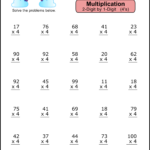
Creating effective 3digit By 2digit Multiplication Worksheets With Grids can significantly enhance your students’ understanding of multiplication. These worksheets not only provide practice but also help students visualize the multiplication process through grids. Teaching multiplication in this structured format is particularly beneficial for students who thrive on organization and clarity. Here’s how you can utilize these worksheets effectively in your classroom or home setting.
Understanding the Structure of the Worksheets
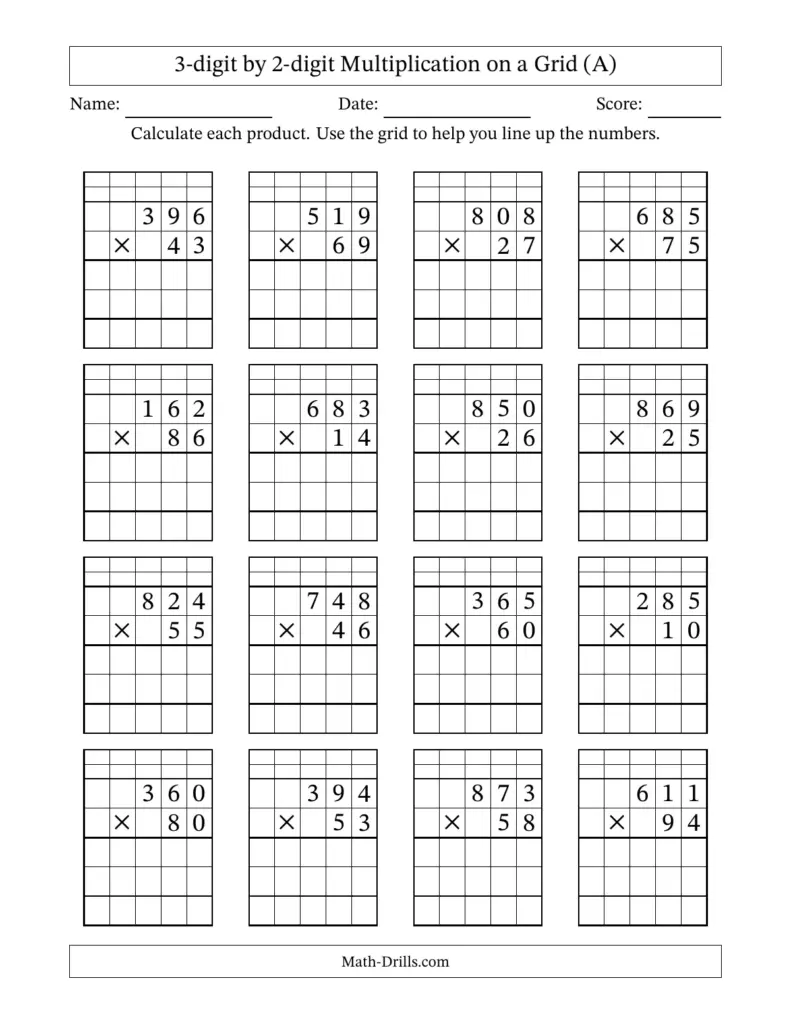
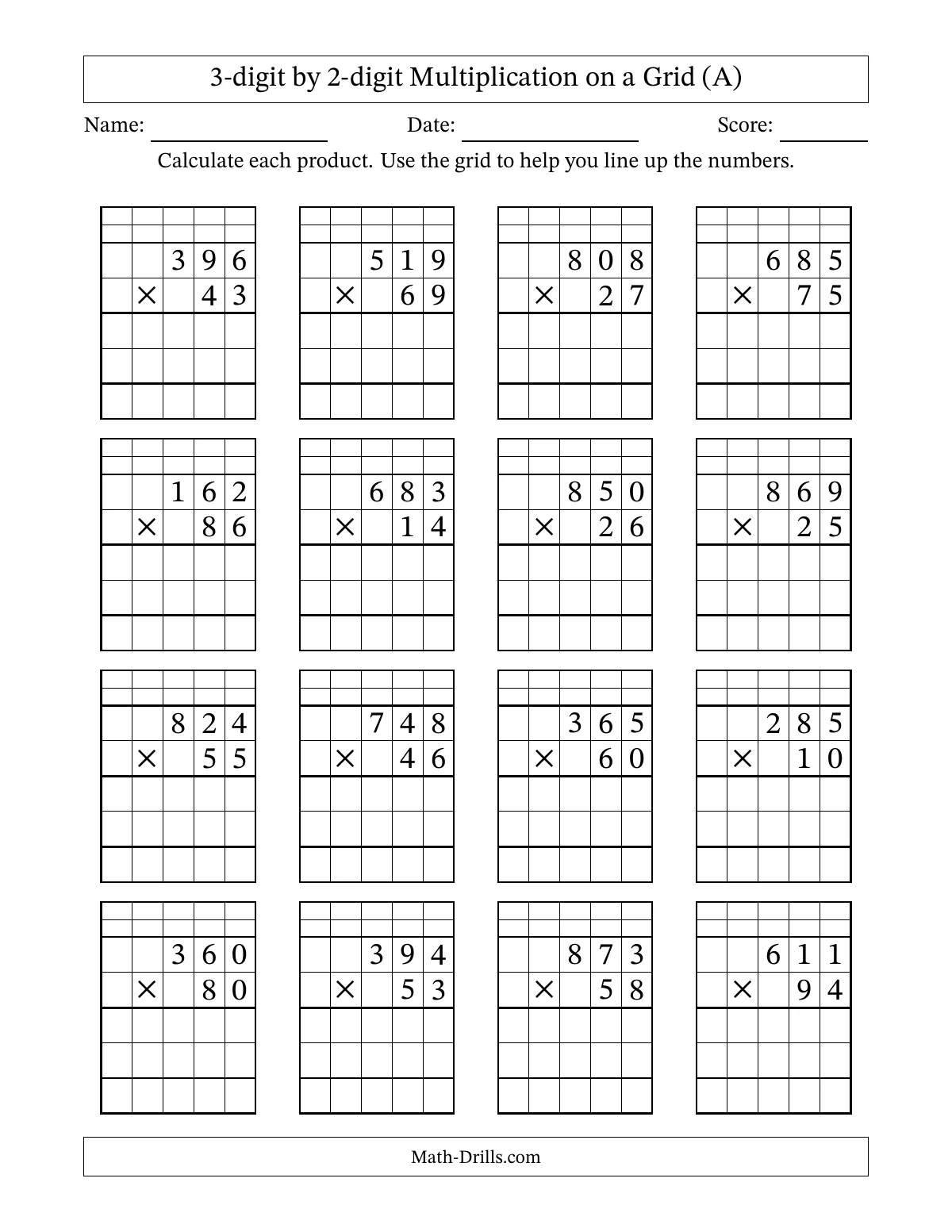
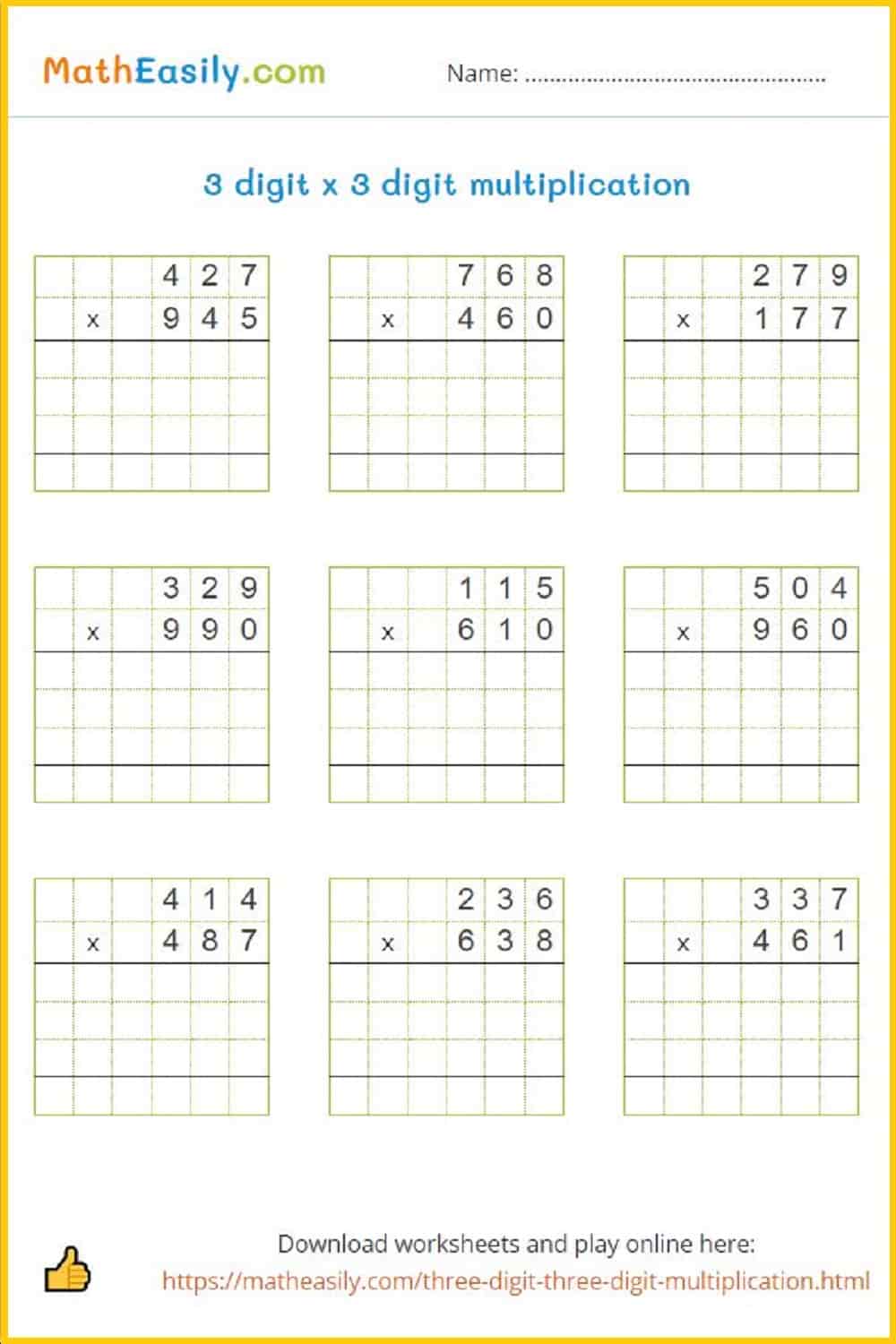
At first glance, 3digit By 2digit Multiplication Worksheets With Grids may seem straightforward, but their layout is intentionally designed to facilitate learning. Each worksheet typically features a grid where students can write their work, helping them keep track of their calculations. It’s essential to explain to students the importance of using the grid to align their numbers correctly, which can prevent common mistakes.
Key Features of the Worksheets
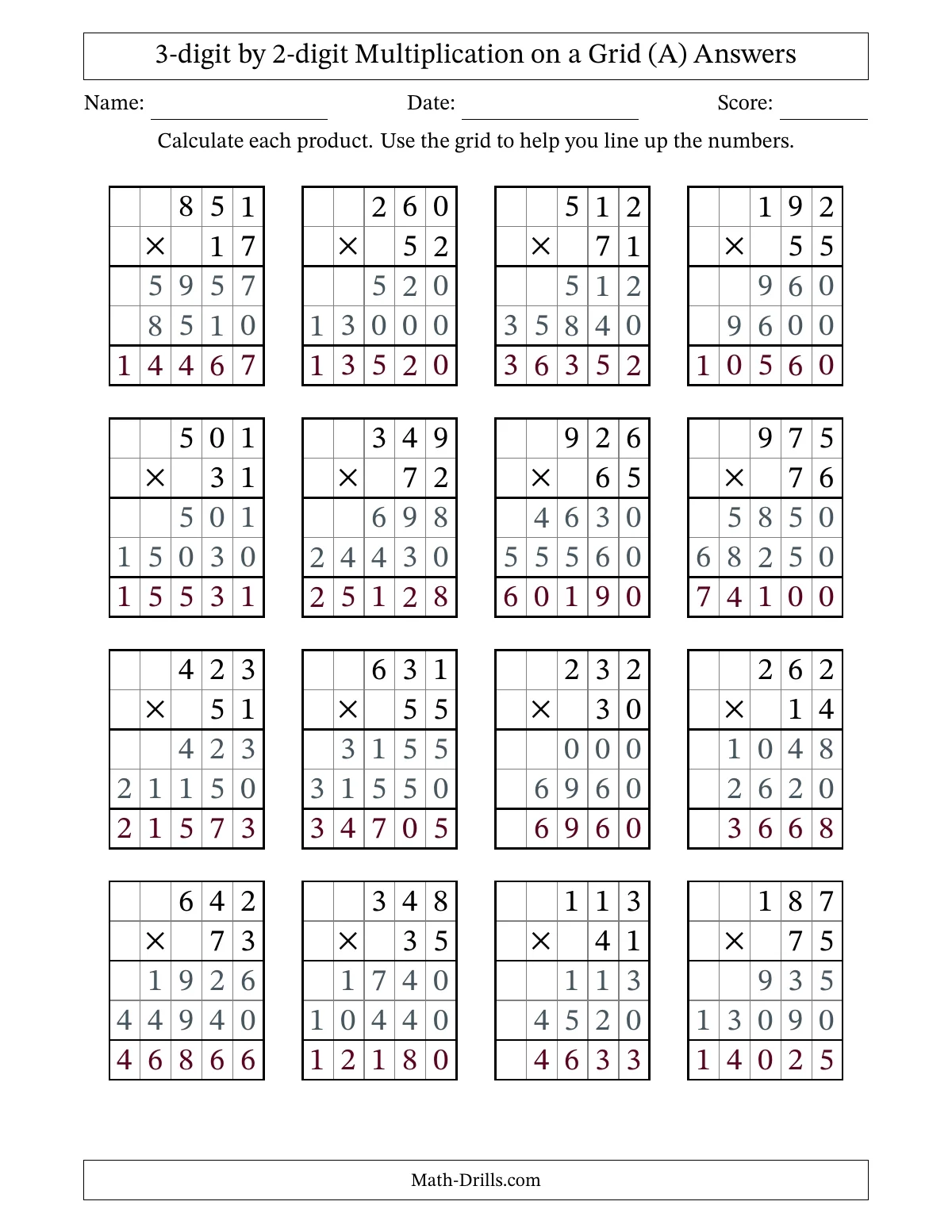
- Gridded Layout: The grids allow students to position each digit in the correct column. This is particularly crucial in multiplication, where place value is significant.
- Clear Instructions: Each worksheet generally includes brief instructions, which guide the students on how to approach the problems.
- Variety of Problems: Worksheets often contain a mix of problems to keep students engaged and challenge their skills progressively.
Preparing Your Printable Resources
To make the most of your 3digit By 2digit Multiplication Worksheets With Grids, proper preparation is key. Here’s how you can set up your resources for maximum effectiveness.
Downloading the Worksheets
First, find a reliable source that offers these worksheets in a downloadable format. Look for PDFs, as they maintain the formatting and are easy to print. Ensure the website you choose has a variety of worksheets to cater to different skill levels.
Printer Settings
When printing, consider the following settings to ensure clarity:
- Paper Size: Most worksheets are designed for standard letter size (8.5 x 11 inches).
- Orientation: Use portrait orientation for best results, as this fits most worksheets better.
- Quality: Set your printer to high-quality print for clear text and grids.
Paper Choice
For durability, especially if you plan to use the worksheets multiple times, consider using thicker paper or cardstock. This will prevent tearing and make it easier for students to write on. If you plan to laminate them, make sure the paper is compatible with your laminator.
Implementing the Worksheets in the Classroom
Using the worksheets effectively involves more than just handing them out. Here are some strategies to integrate them into your teaching.
Guided Practice
Start with a guided session where you solve a few problems together. Use a projector if available, so students can see how to fill in the grids correctly. Emphasize the alignment of numbers and how to break down the multiplication process step-by-step.
Independent Practice
Once students are comfortable, provide them with their own worksheets. Encourage them to use the grids to work through the problems independently. This fosters a sense of ownership over their learning. As they work, circulate the room to provide support and answer questions.
Assessing Student Understanding
After students complete the worksheets, it’s crucial to assess their understanding. Here’s how you can do that effectively.
Review Sessions
Hold a review session where students can share their answers and methods. This not only reinforces the correct techniques but also allows students to learn from each other. Highlight any common errors and discuss how to avoid them in the future.
Follow-Up Worksheets
Consider providing follow-up worksheets that gradually increase in difficulty. This ensures that students are continually challenged and helps reinforce their skills. You might also include a mix of grid and non-grid formats to assess their adaptability.
Adapting the Worksheets for Different Learning Styles
Not all students learn the same way. While some may thrive with the gridded format, others may need additional support. Here are some adaptations you can consider.
Visual Aids
For visual learners, incorporate color-coded examples on the board or use manipulatives to demonstrate multiplication before diving into the worksheets. This can provide a solid foundation for understanding the concepts.
Group Work
Encourage group work for students who may struggle with independent practice. Pairing them with a peer can foster collaboration and provide additional support. They can discuss their calculations and reasoning, reinforcing their learning through dialogue.