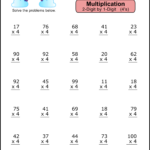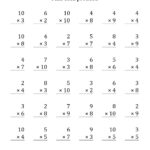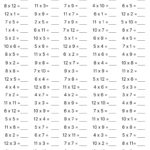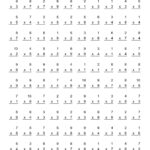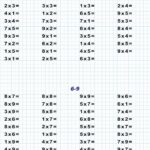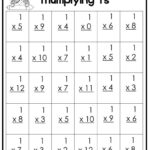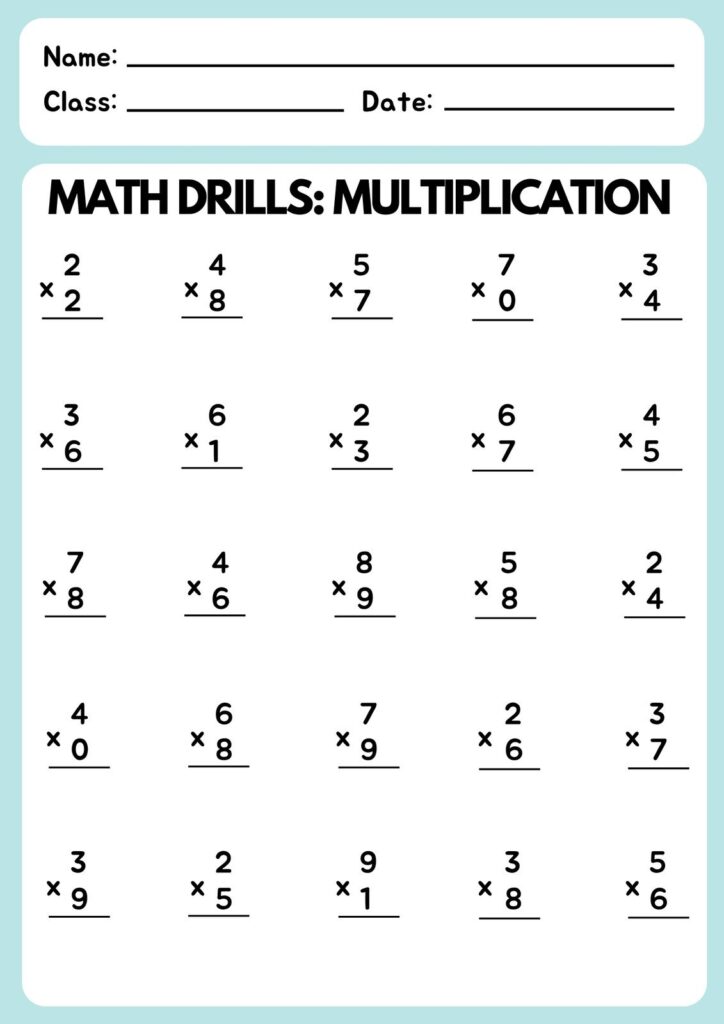
When it comes to teaching multiplication, having the right resources is essential. The 2nd Grade Multiplication Worksheets For Kids are specifically designed to help young learners grasp this foundational math skill through engaging and interactive exercises. These worksheets not only make learning fun but also provide a structured approach to mastering multiplication facts, which is crucial at this educational level.
Understanding the Importance of Multiplication Worksheets
Multiplication is a critical math skill that builds the foundation for more advanced math concepts. For 2nd graders, mastering multiplication tables up to 10 is typically the goal. Worksheets provide a focused way for students to practice these essential skills, allowing them to work at their own pace.
Using worksheets can help teachers and parents assess where a child stands in their understanding of multiplication. You can identify areas where they excel and where they may need additional practice. This targeted approach ensures that no child is left behind.
Features of Effective 2nd Grade Multiplication Worksheets
When selecting or creating multiplication worksheets, consider these key features to enhance their effectiveness:
- Variety of Formats: Look for worksheets that include different types of exercises, such as fill-in-the-blank, multiple choice, and word problems. This variety keeps students engaged and caters to different learning styles.
- Clear Instructions: Each worksheet should include clear instructions to help students understand what is expected of them. This is especially important for young learners who may be working independently for the first time.
- Interactive Elements: Incorporating activities like coloring or matching games can make multiplication practice more enjoyable. These elements help reinforce learning in a fun way.
- Progress Tracking: Worksheets should allow for easy tracking of progress, whether through checkboxes or spaces for teachers to note scores or completed sections.
Types of Multiplication Worksheets for 2nd Graders
There are several types of multiplication worksheets that cater to different learning needs and styles. Here are some popular options:
Basic Multiplication Facts
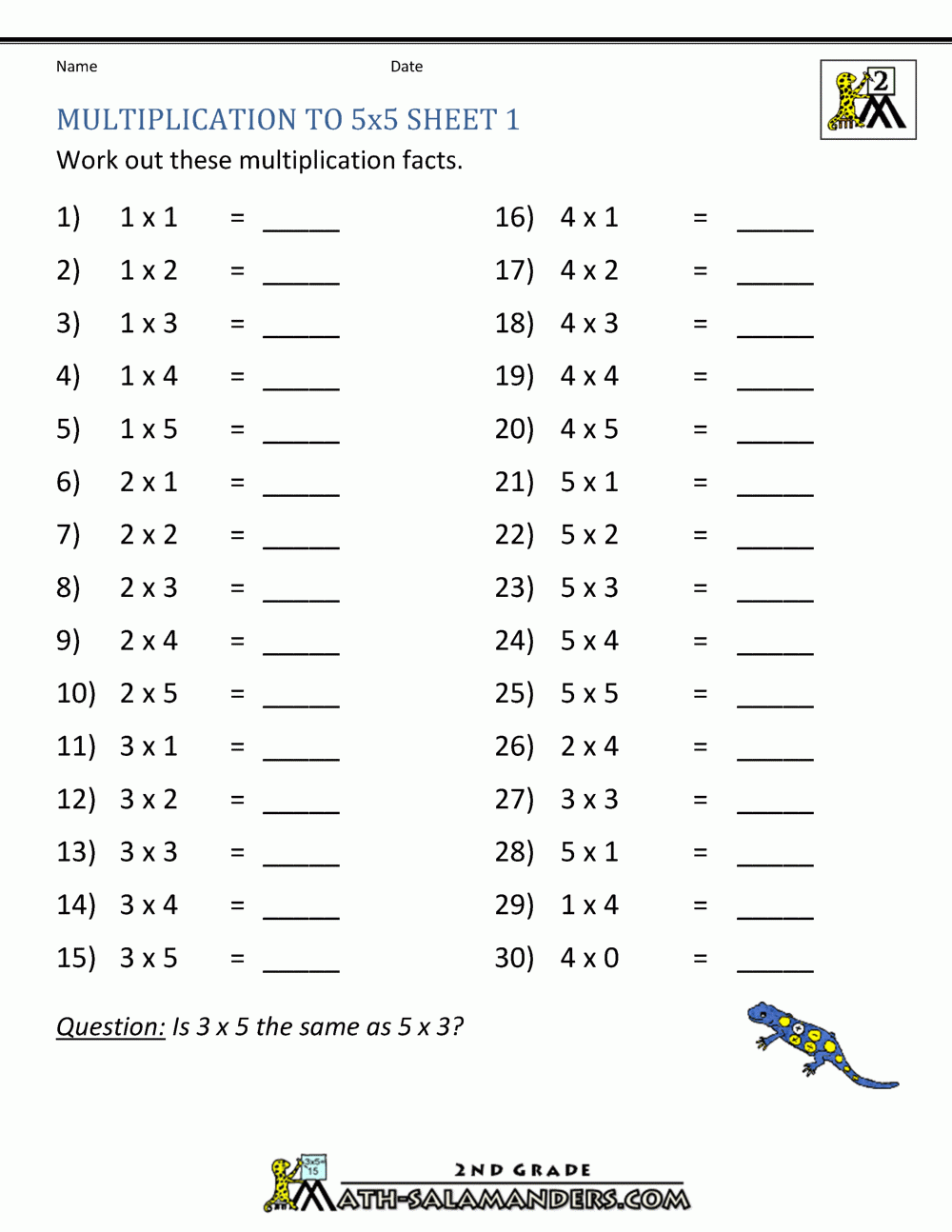
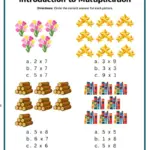
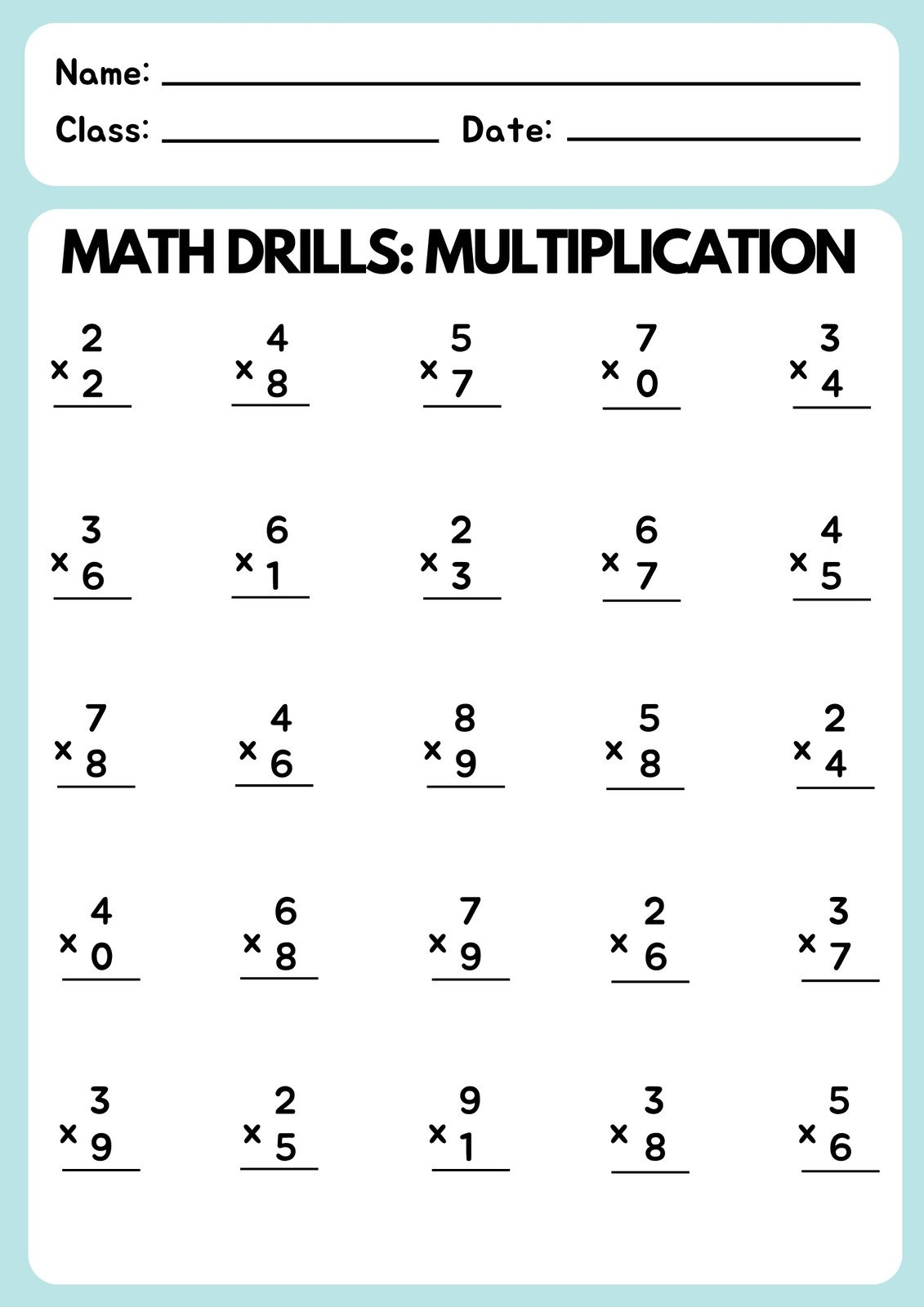
These worksheets focus on the fundamental multiplication facts, typically from 1 to 10. They often include problems like 2 x 3 or 5 x 4. This type of worksheet is essential for building confidence and fluency in basic multiplication.
Word Problems
Word problems apply multiplication to real-world scenarios. They challenge students to think critically and apply their math skills in practical situations. For instance, a problem might state: “If each pack of stickers contains 4 stickers and you buy 3 packs, how many stickers do you have in total?”
Timed Tests
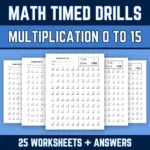
Timed multiplication tests are excellent for helping students improve their speed and accuracy. These worksheets typically involve a series of multiplication problems that students must solve within a set time limit, fostering quick recall of multiplication facts.
Color by Number
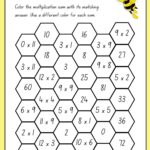
These worksheets combine art and math. Students solve multiplication problems, and the answers correspond to specific colors. This approach not only reinforces multiplication skills but also allows for creative expression.
Preparing to Use Multiplication Worksheets
Before diving into the multiplication worksheets, there are some practical preparations you can undertake to ensure a smooth experience:
- Choose the Right Paper: Standard letter-sized paper (8.5 x 11 inches) is typically ideal for printing worksheets. If your students are using colored pencils or markers, consider printing on heavier paper or cardstock for better durability.
- Printer Settings: Set your printer to a high-quality print setting to ensure that the text is clear and easy to read. If you have a color printer, use color ink for worksheets that include color-coding elements.
- Lamination: If you want to reuse certain worksheets, consider laminating them. This allows students to use dry-erase markers, making it easy to wipe and reuse the same sheet multiple times.
Assessing Mastery With Multiplication Worksheets
As students work through the 2nd Grade Multiplication Worksheets For Kids, it’s important to assess their understanding and mastery of the concepts. Here are some tips to gauge progress:
- Observe Completion: Monitor how quickly and accurately students complete their worksheets. If they consistently finish the problems with ease, they may be ready for more challenging material.
- Review Mistakes: Take the time to go over any incorrect answers with students. Understanding where they went wrong can provide valuable insights into their thought processes and help clarify misconceptions.
- Encourage Self-Assessment: Teach students to check their own work. This encourages them to take ownership of their learning and develop critical thinking skills.
Adapting Worksheets for Different Learning Needs
Every child learns differently, and it’s essential to adapt the worksheets to meet varying needs. Here are some strategies:
- Differentiate Difficulty: Provide worksheets with varying levels of difficulty. For students who struggle, offer simpler problems or additional visual aids. For advanced learners, introduce more complex problems or multi-digit multiplication.
- Incorporate Technology: Consider using digital worksheets or apps that allow for interactive practice. Many educational platforms offer customizable multiplication games and quizzes.
- Collaborative Learning: Encourage students to work in pairs or small groups on certain worksheets. This promotes discussion and allows them to learn from each other.
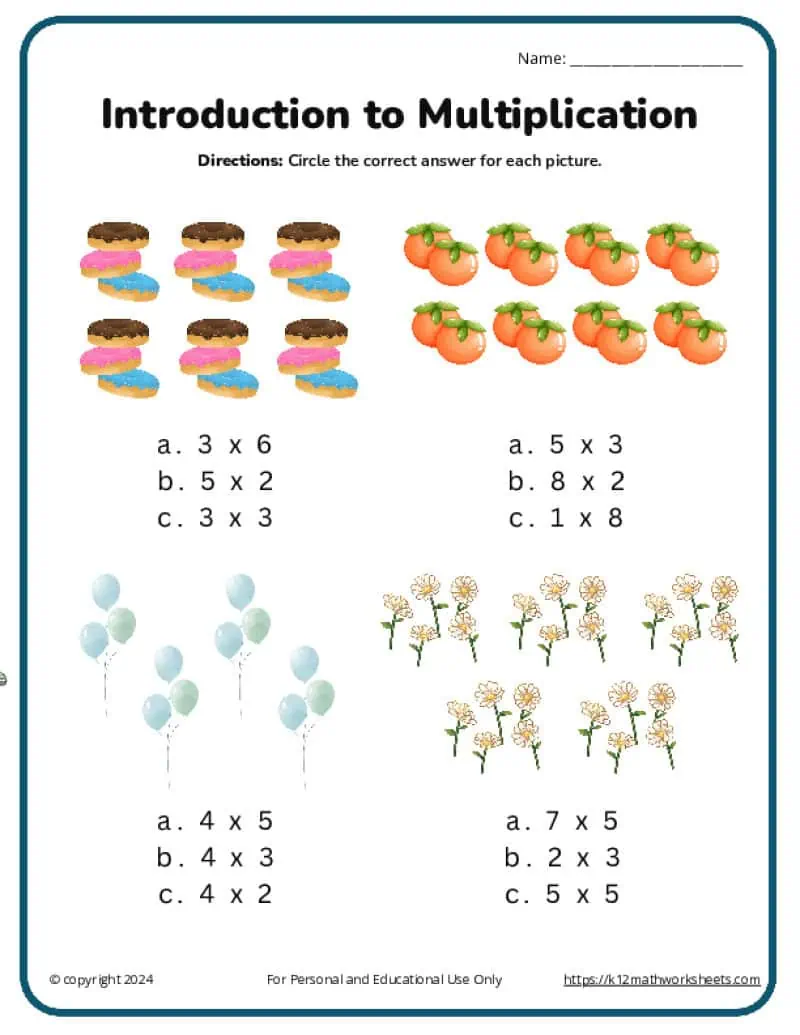
Next Steps: Putting Worksheets to Use
Now that you have a better understanding of how to effectively use 2nd Grade Multiplication Worksheets For Kids, it’s time to implement them in your classroom or home. Download the worksheets that best fit your teaching style and your students’ needs. As you print them, remember to consider the paper type and settings to ensure the best quality.
Once your students have completed the worksheets, take the time to review their work and provide constructive feedback. This ongoing assessment will help you adapt future lessons and ensure that each child progresses in their understanding of multiplication. With the right resources and strategies, you can foster a positive learning environment that encourages confidence and mastery in math.