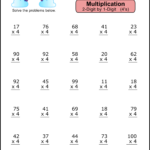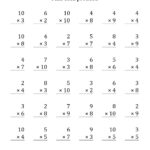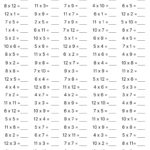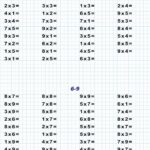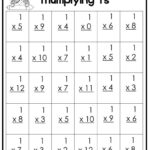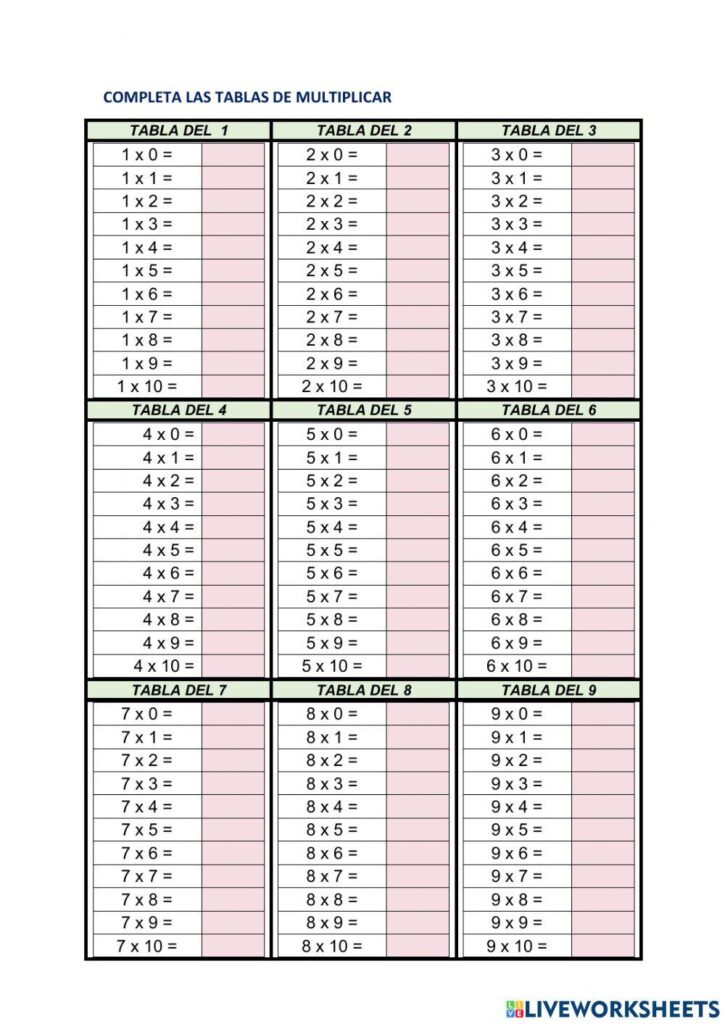
When teaching 2nd graders, finding effective resources can make a significant difference in their learning experience. 2nd Grade Math Worksheets Multiplication Esay are designed specifically for young learners, helping them grasp the foundational concepts of multiplication in a fun and engaging way. These worksheets are perfect for classroom use, homeschooling, or even as extra practice at home. Here’s how you can utilize these resources effectively.
Understanding the Basics of Multiplication
Before diving into worksheets, it’s essential to ensure that students understand what multiplication means. At this grade level, multiplication is often introduced as repeated addition. For example, you can explain that 3 x 4 is the same as adding 3 four times (3 + 3 + 3 + 3). This foundational understanding is crucial for students as they progress in math.
Types of 2nd Grade Math Worksheets Multiplication Esay
When you’re searching for multiplication worksheets, you’ll find a variety of formats and activities. Each type serves a different purpose in reinforcing learning:
Simple Multiplication Facts
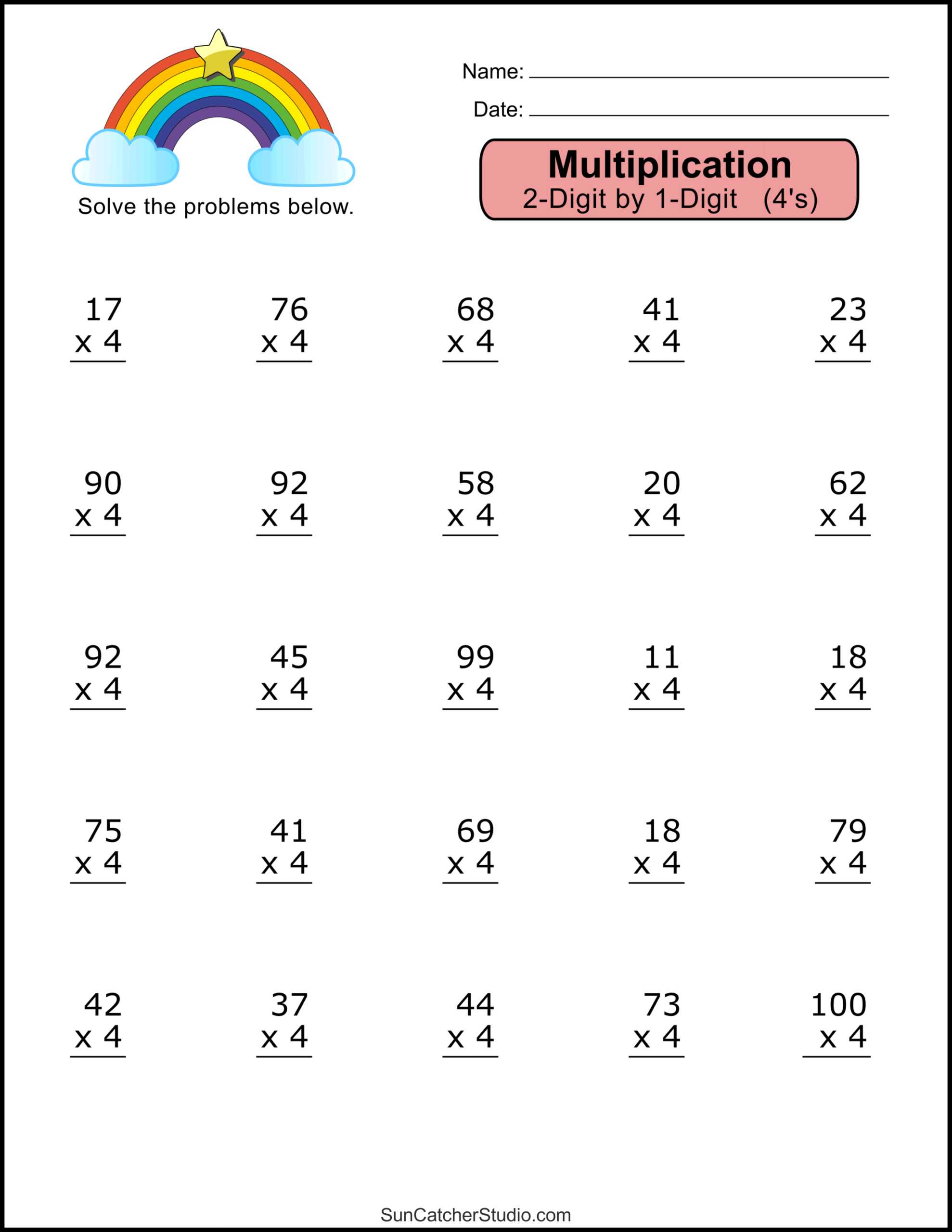
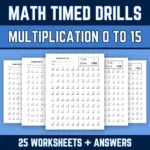
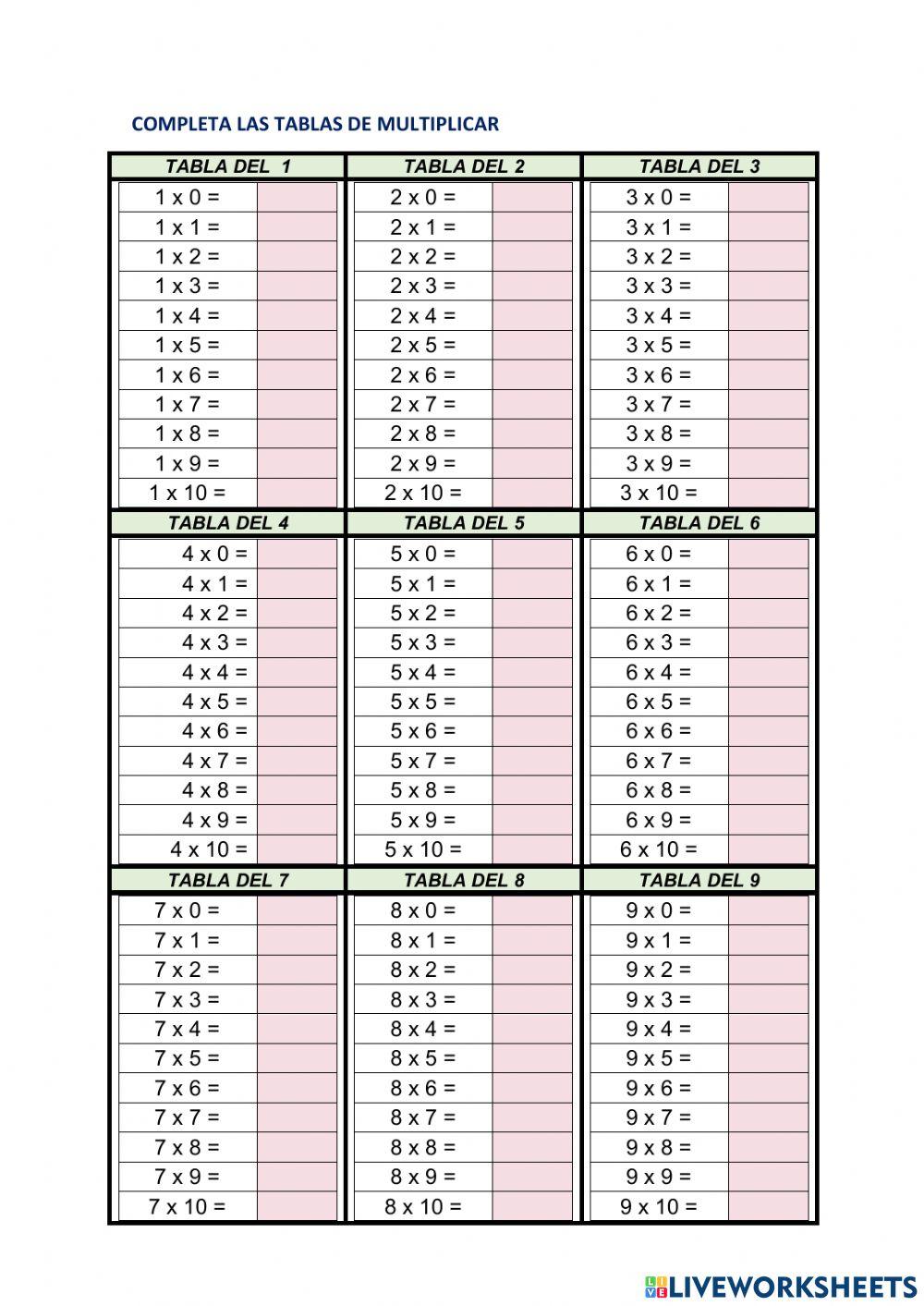
These worksheets focus on basic multiplication facts, typically from 1 to 10. They often include:
- Fill-in-the-blank problems
- Multiple-choice questions
- Simple word problems
These are great for building confidence as students learn to recall multiplication facts quickly.
Visual Aids
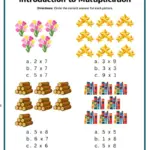
Worksheets that incorporate visual aids can be particularly helpful for young learners. They might include:
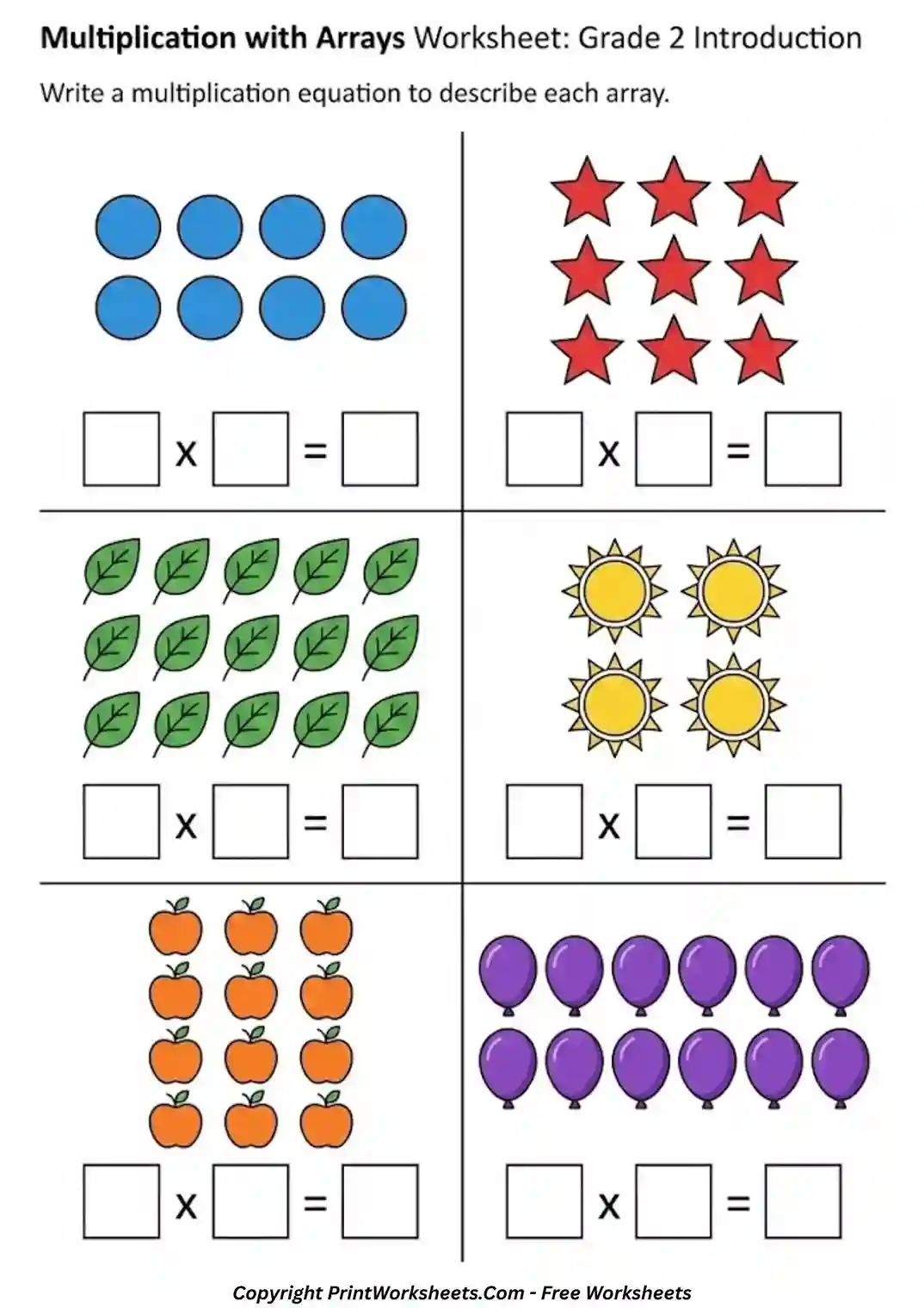
- Arrays (using dots or pictures to represent multiplication)
- Groupings (showing physical groupings of items)
Visual aids help students conceptualize multiplication, making the abstract idea more tangible.
Mixed Review Worksheets
These worksheets combine multiplication with other math skills, such as addition and subtraction. This approach helps students see how multiplication relates to other operations, enhancing their overall math fluency.
Printing and Preparing Your Worksheets
Once you’ve selected the worksheets you want to use, consider how you’ll prepare them for your classroom or home use. Here are some practical tips:
- Print in Bulk: If you’re teaching a full class, print several copies at once. Consider using a printer that can handle cardstock if you want the worksheets to be more durable.
- Layout Options: Portrait layout generally works well for most home printers. Ensure that the margins are set correctly to avoid cutting off any text.
- Answer Keys: Many resources come with an answer key. This can save you time during grading and allows you to provide immediate feedback to your students.
Incorporating Worksheets Into Your Lesson Plans
To maximize the effectiveness of the 2nd Grade Math Worksheets Multiplication Esay, think about how to integrate them into your lesson plans. Here are some ideas:
Warm-Up Activities
Start your math lesson with a quick review of multiplication facts using the worksheets. This can be a fun way to kick off the class and get students engaged.
Small Group Work
Divide the class into small groups and assign different worksheets to each group. This allows for differentiated instruction, catering to students’ varying skill levels. You can rotate groups so that all students have the opportunity to work on different types of problems.
Homework Assignments
Send home worksheets as homework. This offers students additional practice in a familiar environment. Consider sending a note to parents explaining the purpose of the worksheets and how they can support their child’s learning.
Reviewing and Grading Worksheets
Once students have completed their worksheets, review the answers together as a class. This not only reinforces the correct answers but also provides an opportunity for students to ask questions about problems they found challenging.
Efficient Grading Tips
- Use Check Marks: Instead of writing comments on every paper, use check marks to indicate correct answers and brief notes for incorrect ones.
- Group Grading: If you have multiple classes or groups, consider grading them in batches. This can save time and help maintain consistency in your grading approach.
Adapting for Different Learning Styles
Every student learns differently, and some may need more support than others. Here are a few ideas for adapting worksheets:
- Use Manipulatives: For students who struggle with abstract concepts, using physical objects (like counters or blocks) alongside the worksheets can help them visualize multiplication.
- Interactive Games: Consider turning some of the worksheet problems into a game format. For instance, you could create a multiplication bingo game using problems from the worksheets.
- Peer Tutoring: Encourage students who grasp the concepts quickly to help their classmates. This reinforces their own understanding while providing additional support to those who need it.