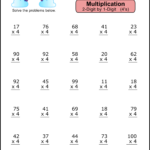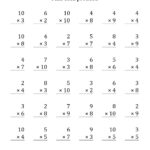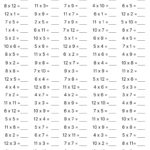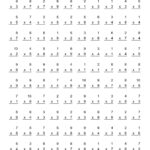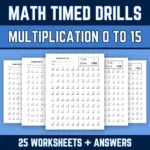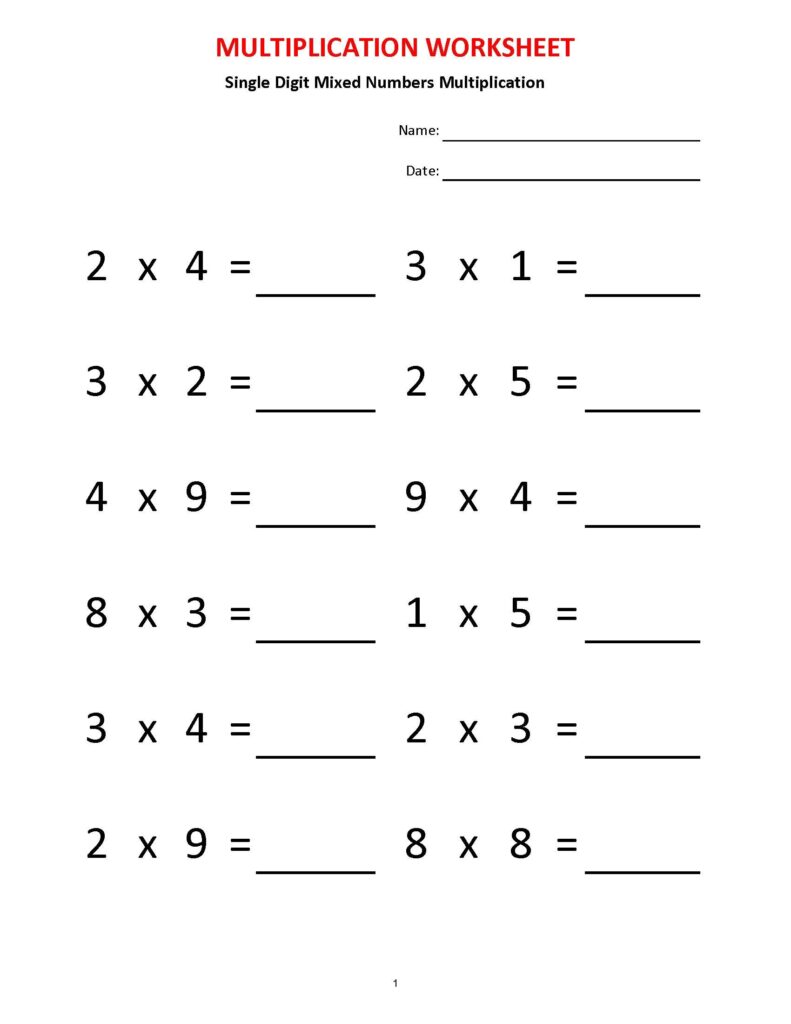
When Sarah sat down at the kitchen table with her 7-year-old son, she could see the confusion on his face as he stared at a simple multiplication problem. “Why do I need to learn this?” he asked, tracing his finger over the numbers. She realized that helping him understand the foundations of multiplication was key to his confidence and success in math. That’s where 2nd Grade Beginning Multiplication Worksheets come into play, offering a fun and interactive way to introduce this essential skill.
Understanding Multiplication for 2nd Graders
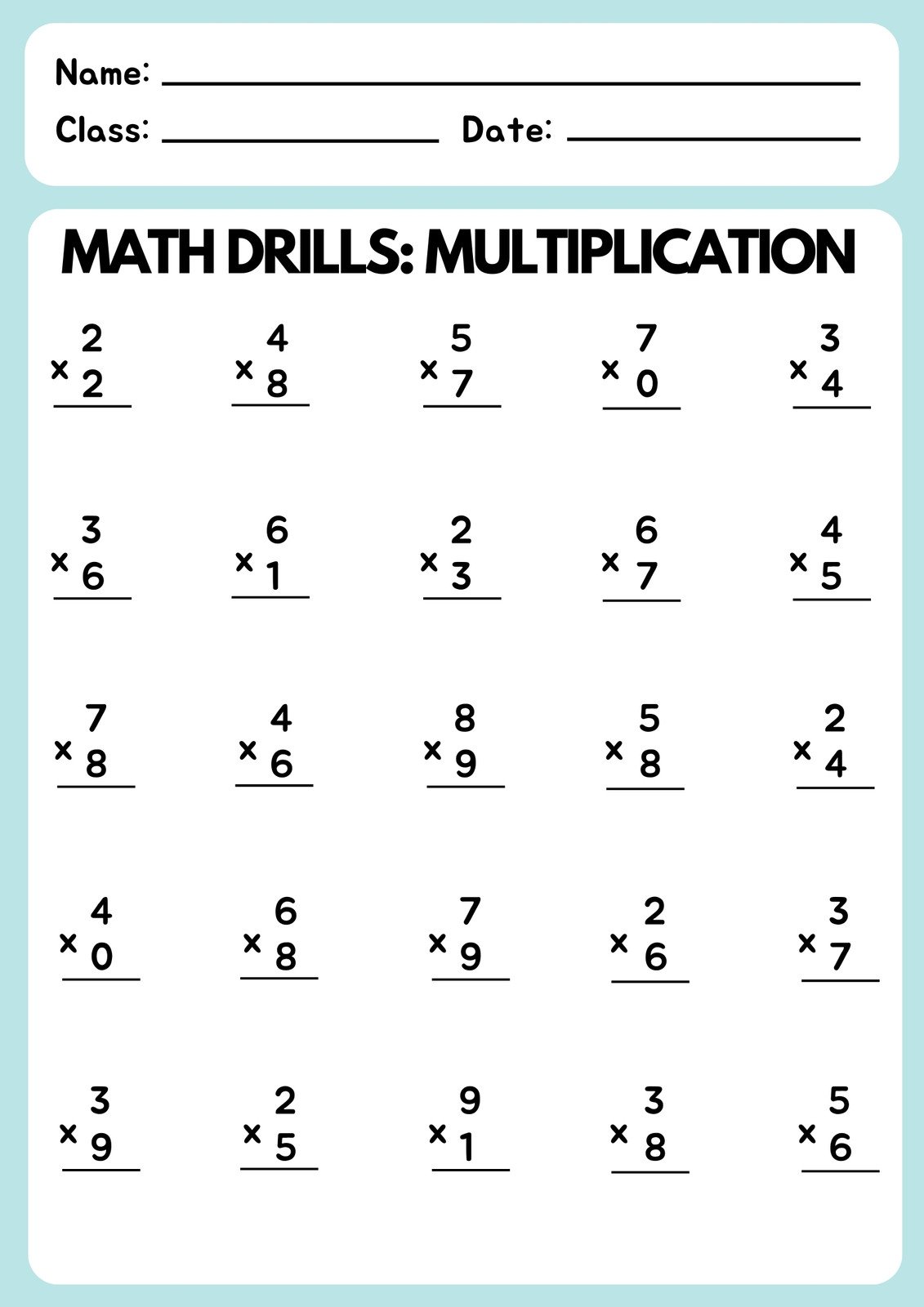
At this age, children are transitioning from basic addition and subtraction to understanding multiplication as a concept of repeated addition. This is where worksheets designed specifically for beginning multiplication can be incredibly beneficial. These resources provide structured practice that helps kids visualize multiplication problems in a straightforward and engaging manner.
Worksheets typically include various problem types, such as:
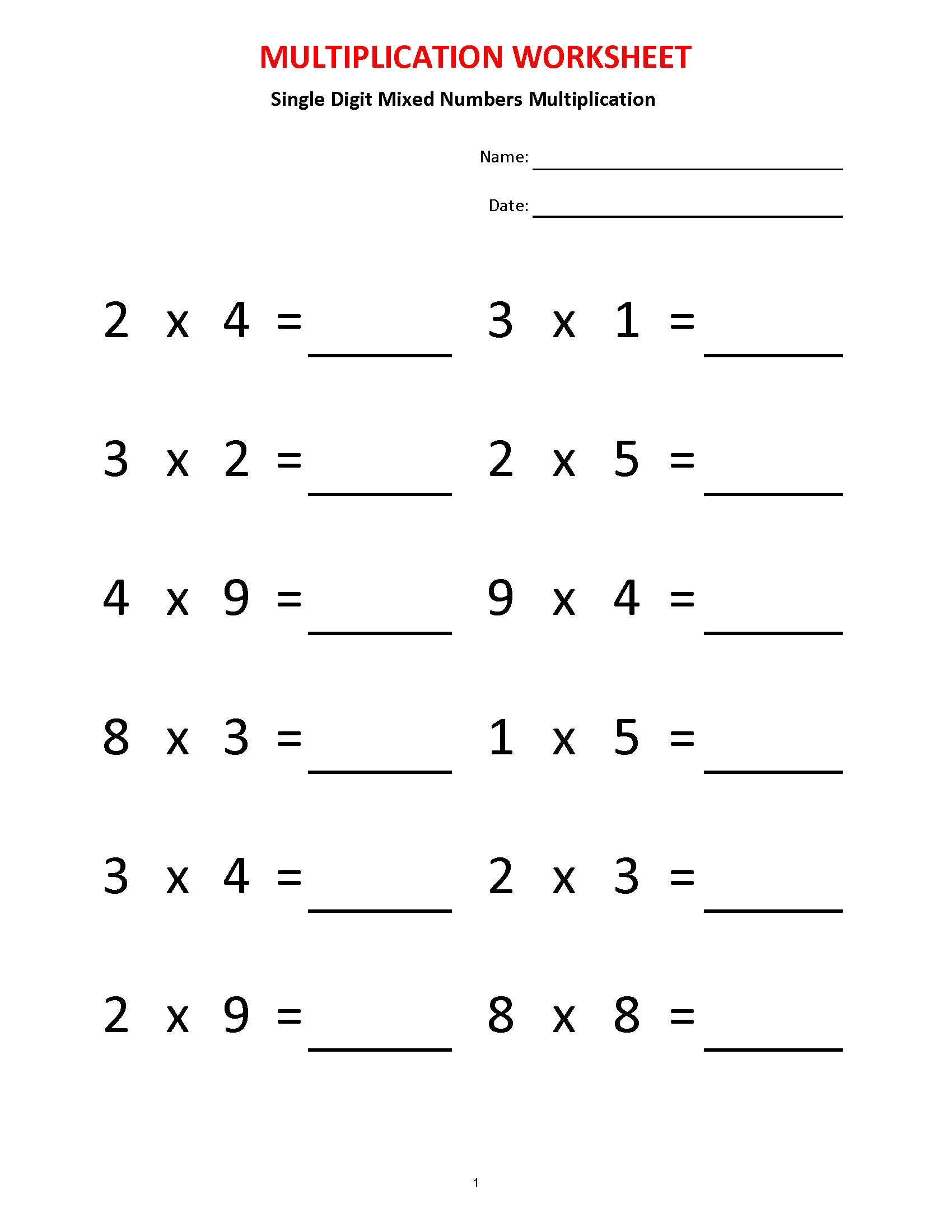
- Simple multiplication facts (e.g., 2 x 3)
- Word problems that incorporate multiplication
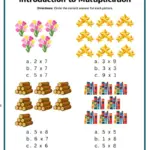
- Visual aids, like arrays or pictures, to illustrate the concept
Using these worksheets, children can practice their multiplication skills in a focused way, making learning both effective and enjoyable.
How to Use 2nd Grade Beginning Multiplication Worksheets at Home
If you’re a parent or caregiver, incorporating these worksheets into your daily routine can be quite simple. Here are some practical suggestions to make the most out of these resources:
- Set a Regular Time: Establish a specific time each day for math practice. This could be after school or during a quiet afternoon. Consistency helps reinforce learning.
- Create a Comfortable Space: Make sure your child has a designated area to work on their worksheets. A clutter-free desk with good lighting can enhance focus.
- Use Real-Life Examples: Help your child relate multiplication to real-life situations. For example, if you’re baking cookies, ask them how many cookies there would be if you made three batches of a dozen.
- Incorporate Games: Turn worksheet practice into a game. For example, set a timer and see how many problems they can solve in five minutes. This adds an element of fun and competition.
- Review Together: After your child completes a worksheet, go through the answers together. Discuss any mistakes and reinforce the correct concepts. This dialogue can deepen their understanding.
Finding Quality 2nd Grade Beginning Multiplication Worksheets
Not all worksheets are created equal, so it’s important to choose quality resources that align with your child’s learning needs. Here are some features to look for:
- Age Appropriateness: Ensure the worksheets are designed specifically for 2nd graders. They should challenge your child without causing frustration.
- Variety of Problems: Look for worksheets that offer a mix of problem types, including fill-in-the-blank, multiple-choice, and word problems.
- Clear Instructions: Good worksheets should have clear, concise instructions that your child can easily understand.
- Visual Supports: Incorporating images or diagrams can help visual learners grasp multiplication concepts better.
Many websites offer free or low-cost downloadable worksheets, so you can find a variety of materials without breaking the bank. Just be sure to preview them to ensure they meet your expectations.
Engaging Activities to Complement Worksheets
While worksheets are a great tool, combining them with engaging activities can reinforce learning effectively. Here are some fun ideas to try:
- Multiplication Bingo: Create bingo cards filled with multiplication problems. Call out the answers, and let the kids mark their cards. It’s a fun way to practice and can be played with the whole family.
- Flashcards: Make flashcards for multiplication facts. You can turn it into a game where your child earns points for each correct answer.
- Online Games: There are numerous educational websites that offer interactive multiplication games. These can provide a break from traditional worksheets while still reinforcing skills.
- Crafts: Have your child create a multiplication wheel or a poster that illustrates multiplication facts. This hands-on activity can reinforce their learning while allowing for creativity.
Assessing Progress With 2nd Grade Beginning Multiplication Worksheets
Regular assessment is key to understanding how well your child is grasping multiplication concepts. After a few weeks of using the worksheets, consider these approaches to gauge their progress:
- Quiz: Create a short quiz using problems from the worksheets. This can help identify any areas that may need more focus.
- Self-Assessment: Ask your child to rate their confidence in multiplication after completing each worksheet. This can provide insight into their comfort level with the material.
- Progress Tracking: Keep a log of the worksheets completed and the scores achieved. This will help you visualize improvement over time.
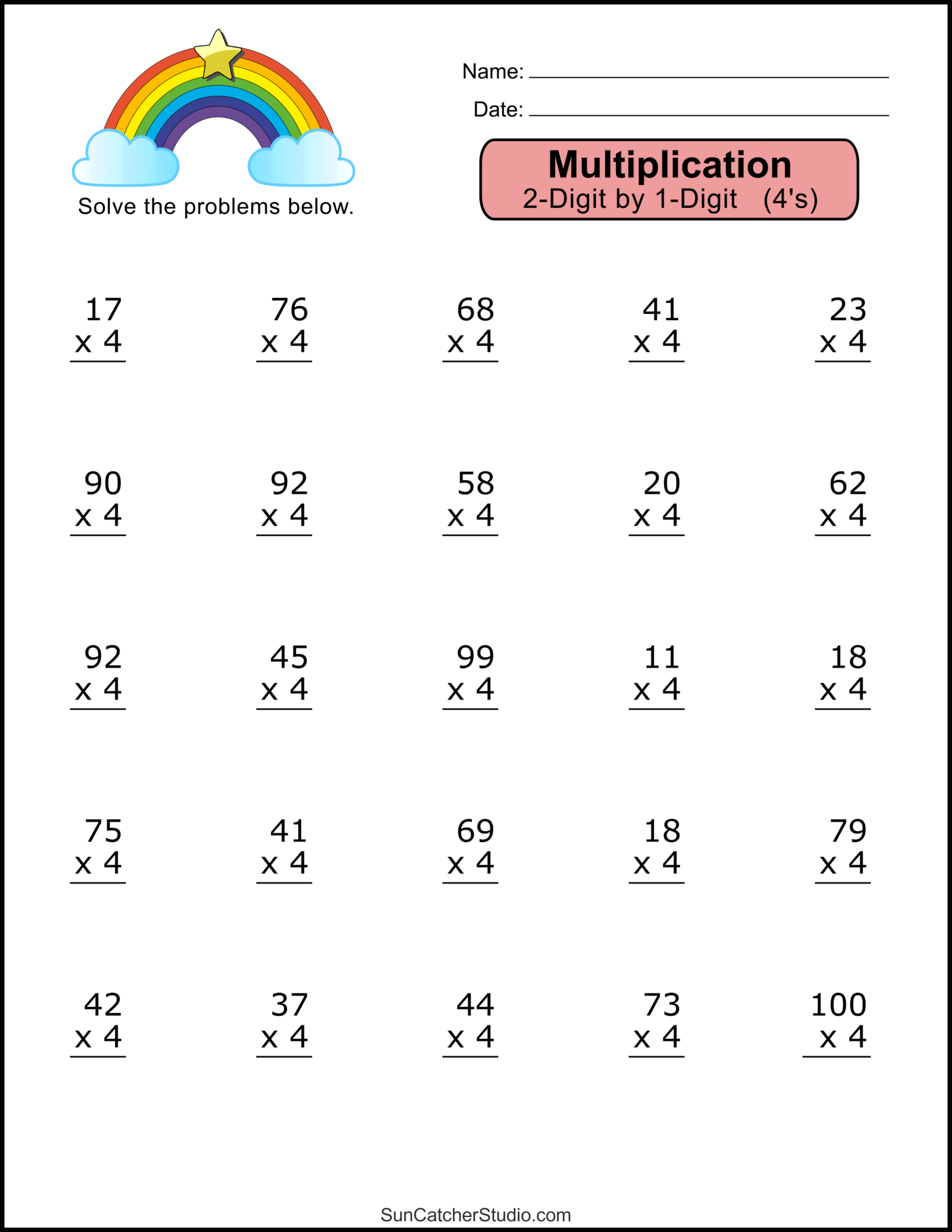
Making Multiplication Fun and Accessible
The journey to mastering multiplication doesn’t have to be daunting. By integrating 2nd Grade Beginning Multiplication Worksheets into your child’s routine, you can create a positive and supportive learning environment. Remember, the goal is to make learning engaging and enjoyable. The right resources, combined with everyday activities and a little creativity, can turn multiplication into an exciting challenge rather than a chore.
As you explore these worksheets, consider the format that works best for your child’s learning style. Some children thrive with traditional paper worksheets, while others may prefer interactive online resources.
Ultimately, the key is to keep the learning experience light, fun, and filled with encouragement. Your child will not only improve their multiplication skills but also build a positive attitude toward math that can last a lifetime.