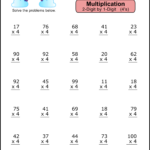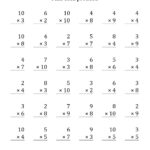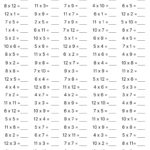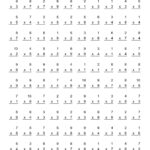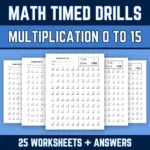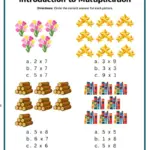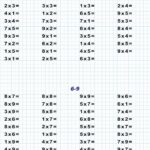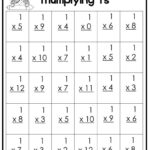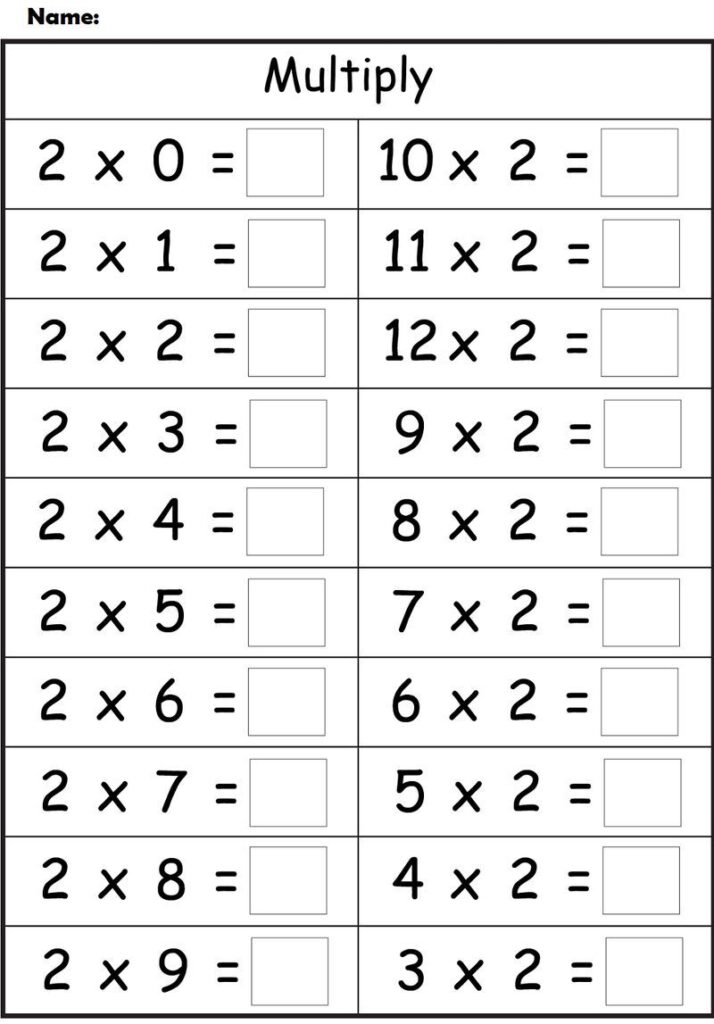
Using 2 multiplication facts printable worksheets can significantly enhance the learning experience for students in grades 1 to 3. These worksheets provide a structured format for practicing multiplication facts involving the number 2, reinforcing their understanding and recall. Designed for independent practice, these resources allow students to engage with multiplication concepts in a straightforward, approachable manner.
Understanding the Layout of the Worksheets
The design of these worksheets is crucial for effective learning. Typically, you’ll find a clear title at the top, indicating the focus on 2 multiplication facts. There are usually two main sections on the page: one for practice problems and another for answer verification.
Practice Problems Section
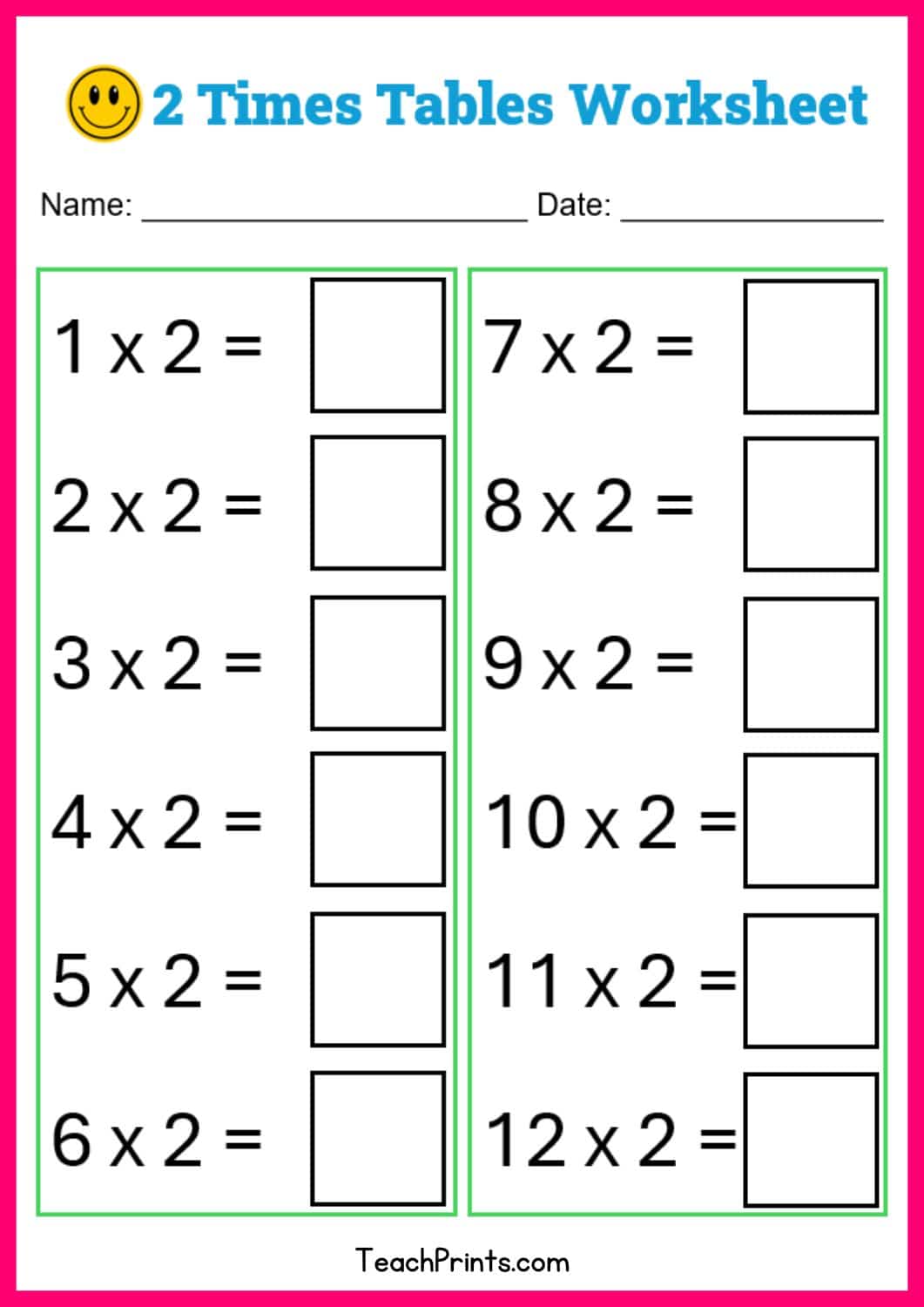
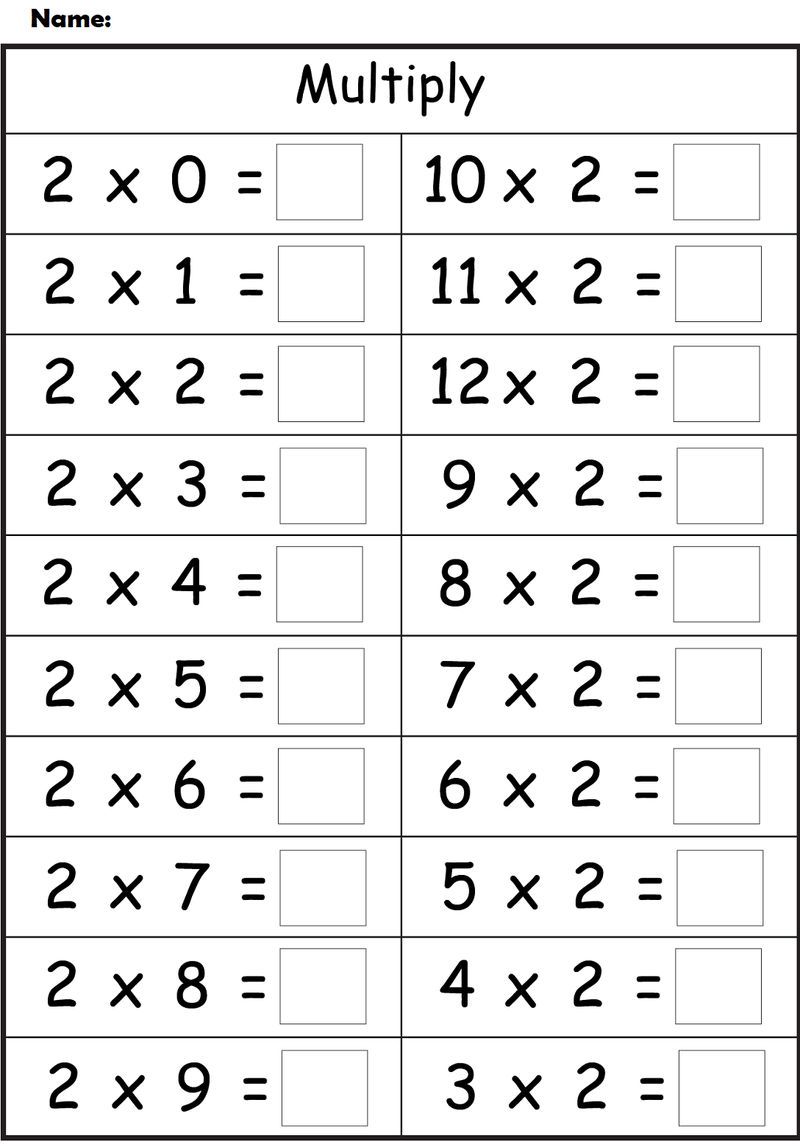
In the practice section, problems are often presented in a grid format, allowing students to fill in their answers directly beside each question. The questions usually range from simple (like 2 x 1 or 2 x 2) to slightly more challenging (like 2 x 10). This progression helps build confidence as students work through the material.
Answer Verification Section
The answer verification area often includes a separate answer key, which teachers can use to facilitate quick feedback. This feature is especially important in a classroom or homeschooling setting, where immediate response can enhance learning.
Age Appropriateness and Skill Level
These worksheets are generally targeted at early learners, specifically those in grades 1 to 3. At this stage, students are becoming familiar with multiplication concepts, and the focus on the number 2 makes it manageable. It’s essential to ensure that the problems are age-appropriate, balancing challenge and accessibility.
For teachers, these worksheets can serve as an excellent tool for reinforcing lessons taught in class. You can easily adapt the worksheets for different skill levels by modifying the number of problems or the complexity of the questions.
Tips for Effective Use in Classrooms or Homeschooling
When utilizing 2 multiplication facts printable worksheets, consider the following tips to maximize their effectiveness:
- Provide Clear Instructions: Ensure that students understand how to complete the worksheets. Simple directions at the top can guide them through the process without needing constant supervision.
- Encourage Independent Work: It’s beneficial for students to attempt the worksheets on their own first. This encourages confidence and fosters a sense of ownership over their learning.
- Monitor Progress: Use the answer key to check students’ work as they finish. This allows for immediate feedback and helps identify areas where additional practice may be needed.
- Incorporate Games: To make learning more engaging, consider turning the worksheets into a game. For example, students can race against the clock to complete as many problems as possible within a set time.
Downloading and Printing Options
These worksheets are typically available in PDF format, which is ideal for printing. When preparing to print, here are a few practical tips:
- Paper Size: Standard letter size (8.5” x 11”) works best for most home printers. Ensure your printer settings are adjusted accordingly before printing.
- Quality: If you plan to use the worksheets multiple times, consider printing on cardstock for durability. This makes them more resistant to wear and tear, especially in active classrooms.
- Portrait vs. Landscape: Portrait layout is commonly used for these types of worksheets, making them easier for students to write on.
Variations and Extensions
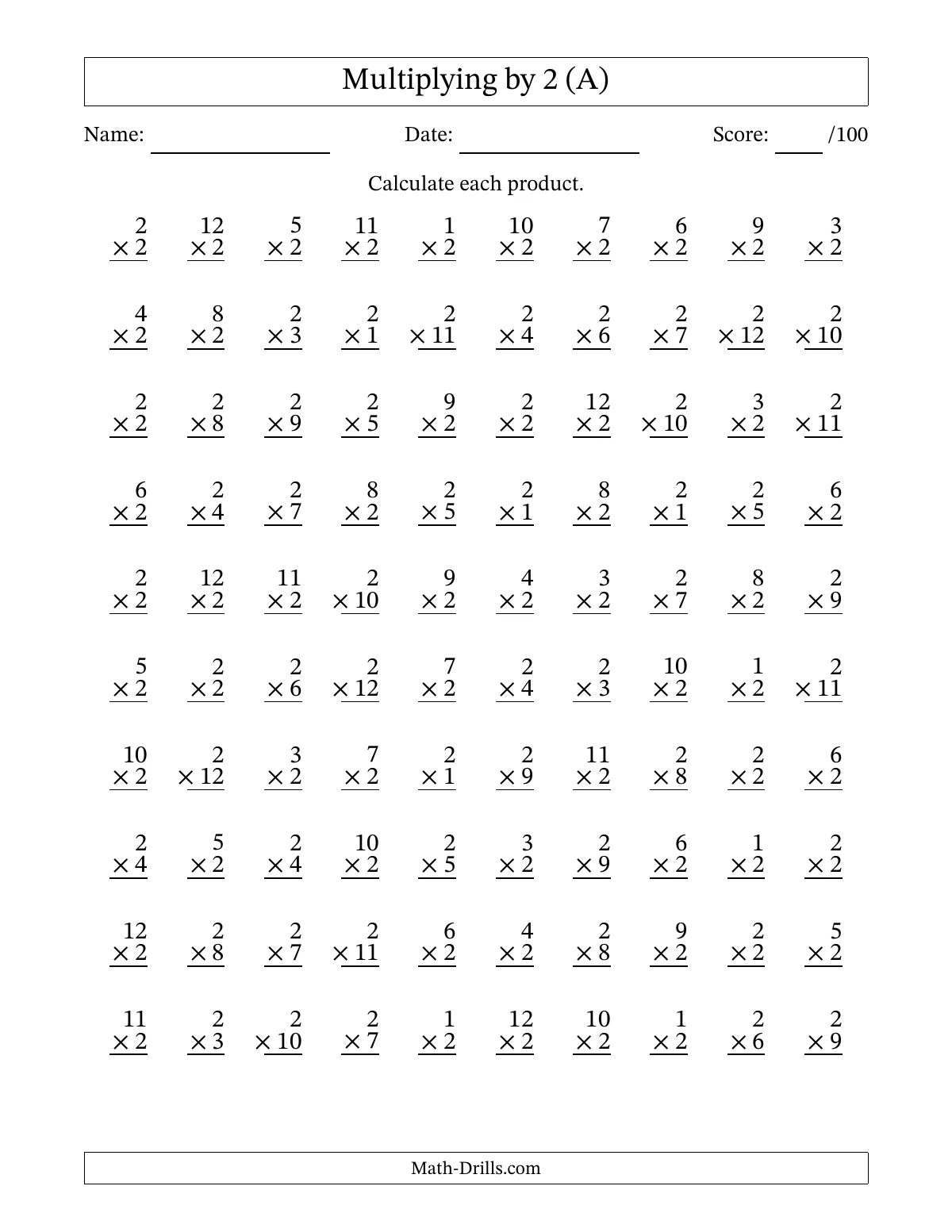
Once your students are comfortable with the basic 2 multiplication facts, consider introducing variations. You might include:
- Mixed Operations: Combine multiplication with other operations like addition or subtraction to create a more complex worksheet.
- Word Problems: Incorporate word problems that require students to apply their multiplication knowledge in real-world scenarios. This can deepen their understanding and help them see the relevance of math in everyday life.
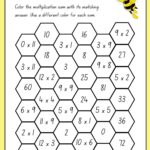
- Coloring Pages: For younger students, integrating coloring pages that involve multiplication can make the learning experience more enjoyable and engaging.