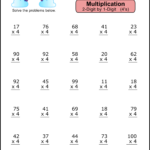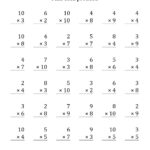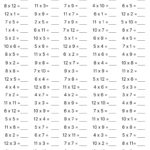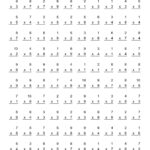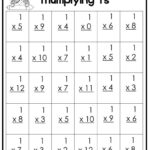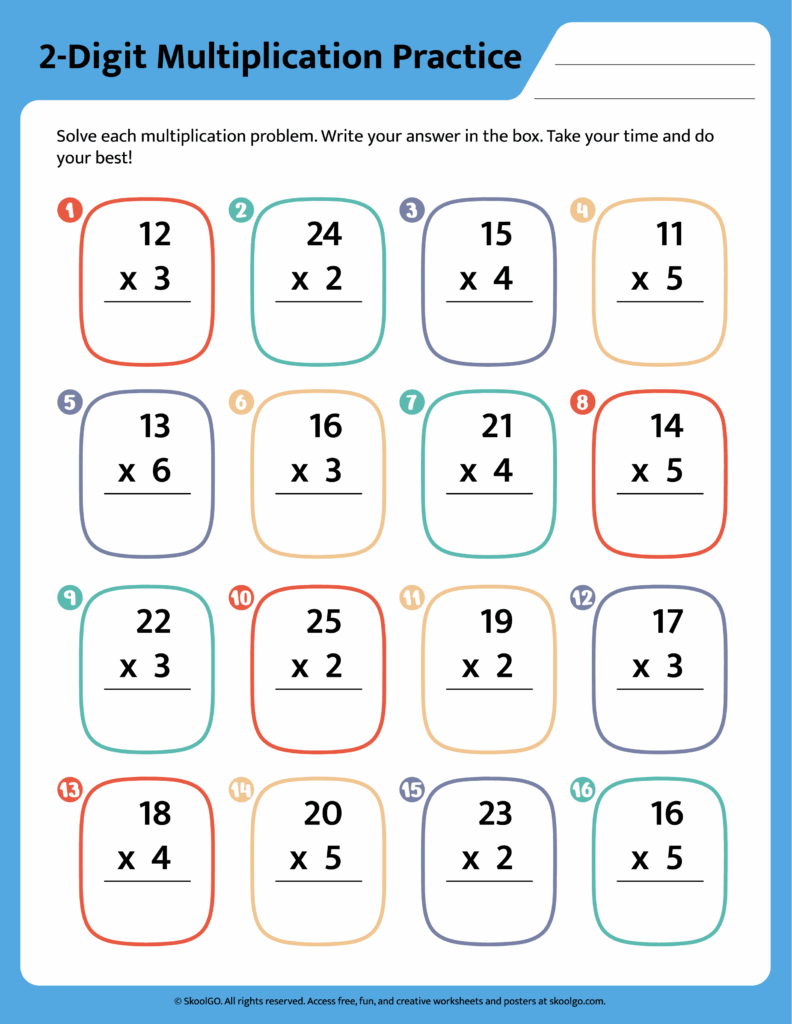
Understanding multiplication is a crucial skill for students as they progress in their math education. The 2 Digits Times 2 Digits Multiplication Worksheet is a valuable resource that can help teachers and parents reinforce this skill in a structured way. In this guide, we’ll explore how to effectively use this worksheet, the ideal age range for its use, and tips for tracking progress in a classroom or homeschool setting.
What Is a 2 Digits Times 2 Digits Multiplication Worksheet?
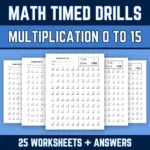
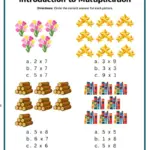
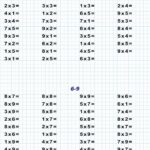
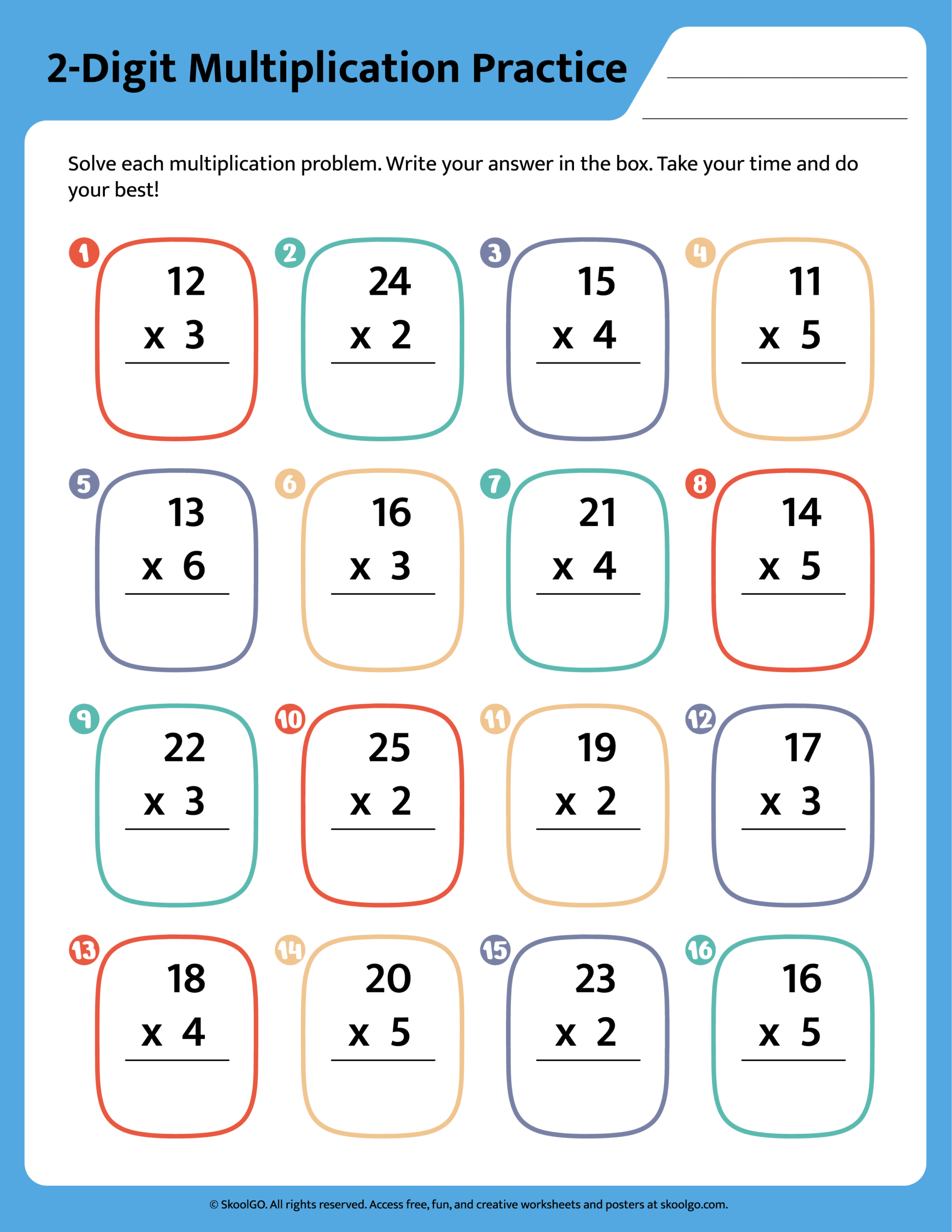
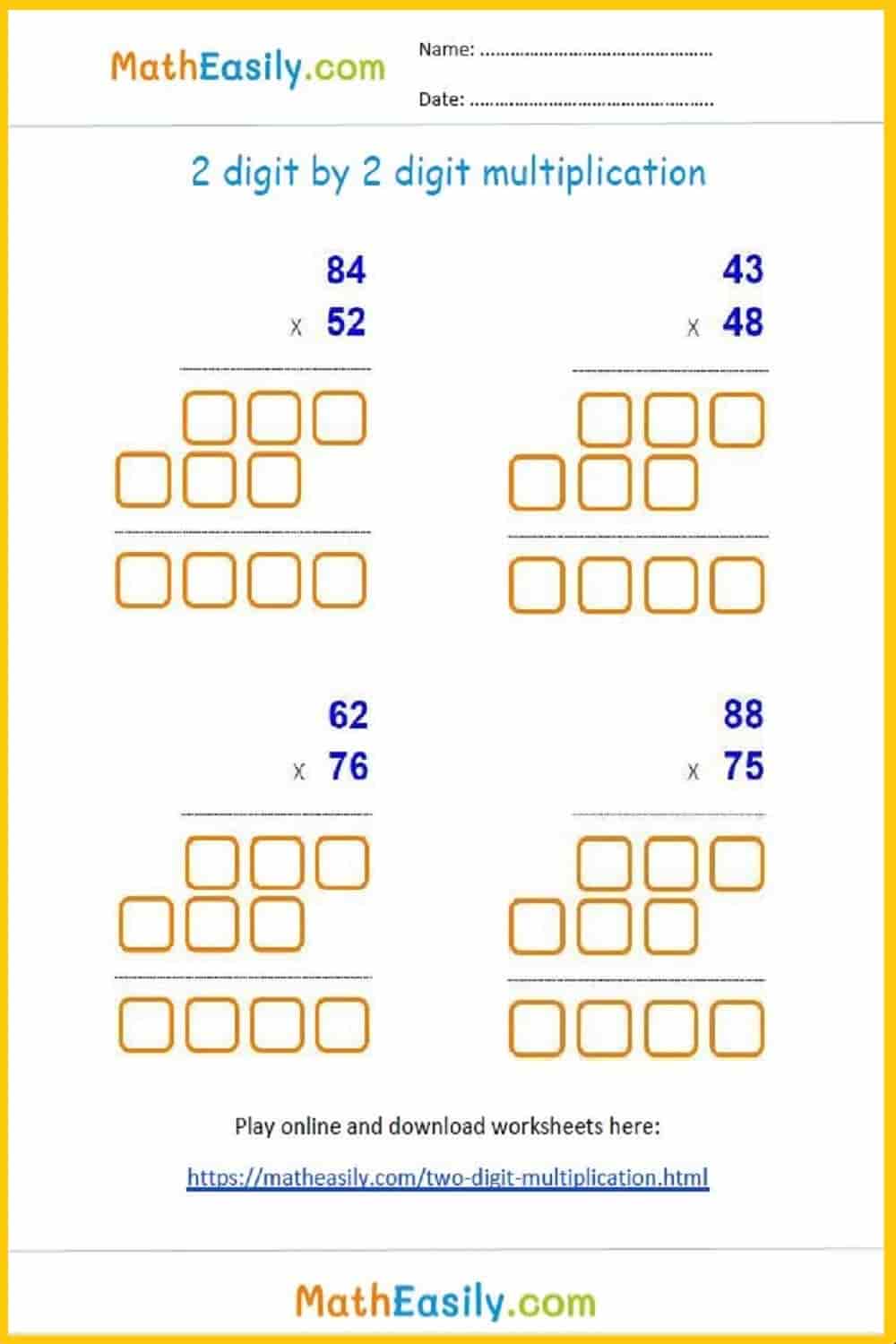
A 2 Digits Times 2 Digits Multiplication Worksheet is designed to help students practice multiplying two-digit numbers. This type of worksheet typically includes a variety of multiplication problems that require students to apply their knowledge of multiplication algorithms effectively. By working through these exercises, students can improve their computational skills, develop their confidence in handling larger numbers, and prepare for more advanced mathematical concepts.
These worksheets are generally suitable for students in grades 3 to 5, although some advanced second graders may also benefit from them. The goal is to help students become comfortable with the multiplication process, which is foundational for future mathematics.
Benefits of Using a Multiplication Worksheet
Reinforcement of Concepts
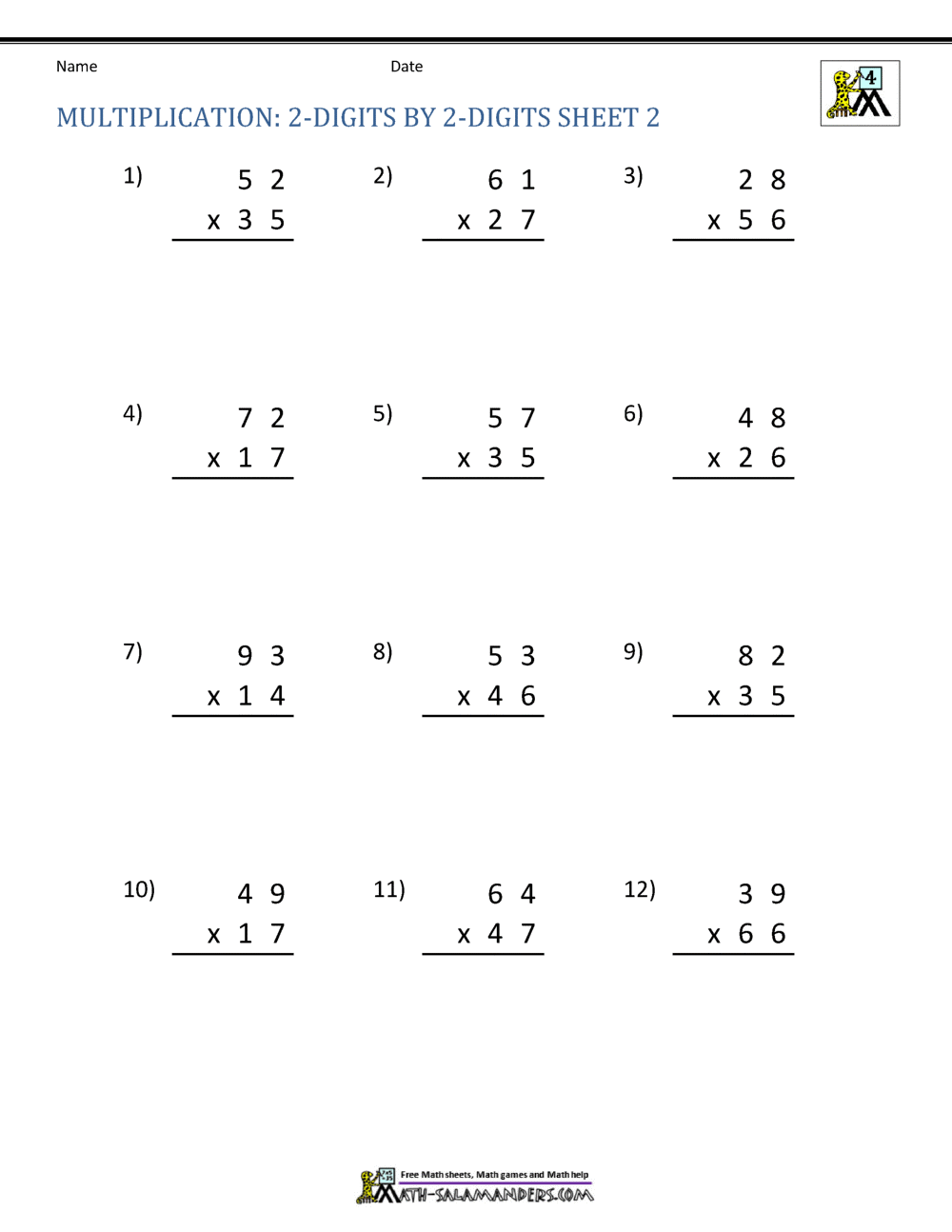
Worksheets provide an excellent way to reinforce concepts taught in the classroom. By practicing multiplication on paper, students can solidify their understanding of how to multiply numbers beyond single digits. This repetition is key to mastering the skill.
Immediate Feedback
When using a 2 Digits Times 2 Digits Multiplication Worksheet, students can receive immediate feedback on their answers. Teachers or parents can quickly check the answers, allowing them to identify areas where students may be struggling. This immediate assessment helps guide future instruction and practice.
Flexibility in Use
These worksheets can be used in various settings, whether in a traditional classroom, during homework time, or in a homeschool environment. They can be printed out as needed, allowing for flexibility in how and when they are used. Additionally, they can be adapted to suit the needs of individual students, providing extra practice for those who need it or more challenging problems for advanced learners.
How to Implement the Worksheet in the Classroom
Printing and Preparation
When preparing to use the 2 Digits Times 2 Digits Multiplication Worksheet in a classroom, consider the following:
- Paper Size: Standard letter size (8.5 x 11 inches) is typically best for printing. This size easily fits into student folders and is convenient for grading.
- Bulk Printing: If you’re teaching a full class, print multiple copies ahead of time to save time during lessons. Ensure to print on both sides if your printer allows, to save paper.
- Worksheet Format: Choose a layout that works best for your classroom. Portrait layout is often easier for students to write on.
Introducing the Worksheet
Begin by introducing the concept of multiplying two-digit numbers. Show students examples on the board, explaining the steps involved in the multiplication process. Then, distribute the worksheets and allow students to work on them independently or in pairs, depending on their comfort level.
Tracking Progress
To effectively track progress, consider the following strategies:
- Review Answers Together: After students complete the worksheet, go over the answers as a class. This collaborative review reinforces learning and allows students to ask questions.
- Create a Grading System: Develop a simple grading system that helps you assess students’ understanding. For example, you could assign points for correct answers and provide feedback on incorrect ones.
- Use Data to Inform Instruction: Keep records of student performance on these worksheets to identify trends. If a majority struggle with a certain problem, it might indicate a need for further instruction on that concept.
Making It Engaging
Incorporating Games
To make multiplication practice more engaging, consider incorporating games or competitions. For instance, you could use the worksheet as a timed challenge where students race to complete as many problems as possible within a set time limit. This adds an element of excitement and encourages students to improve their speed and accuracy.
Reward Systems
Implement a reward system for students who consistently show improvement. Simple incentives, like stickers or extra recess time, can motivate students to take their practice seriously and strive for better results.
Adapting the Worksheet for Various Learning Styles
Visual Learners
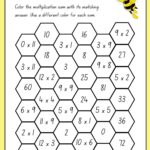
For students who learn best visually, consider using color-coded worksheets. For example, have students highlight their answers in different colors based on whether they feel confident about them or need more practice. This visual feedback can help them identify areas to focus on.
Kinesthetic Learners
For kinesthetic learners, you can adapt the worksheet activities to include hands-on components. Use manipulatives like blocks or counters to demonstrate multiplication before having them complete the worksheet. This approach can make the concept more tangible and relatable.