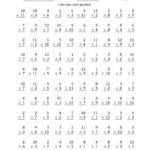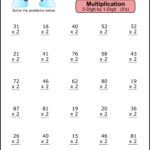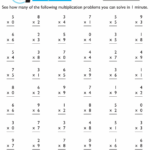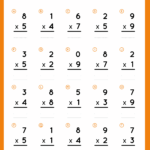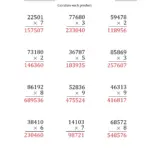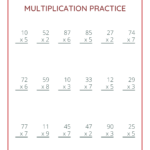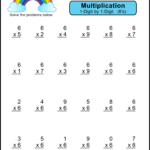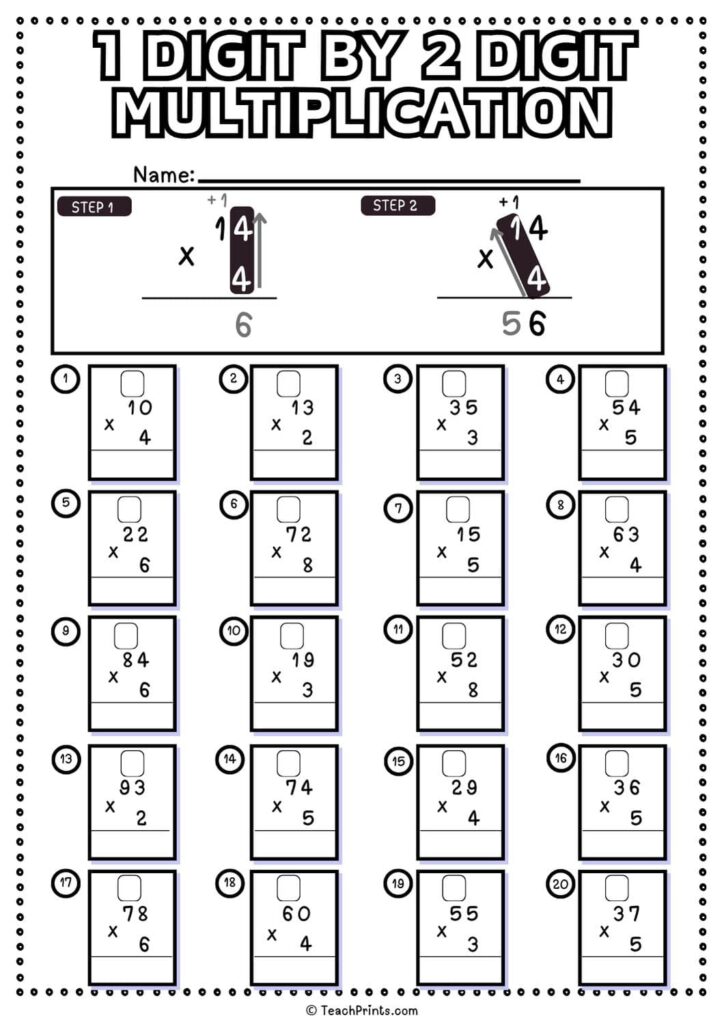
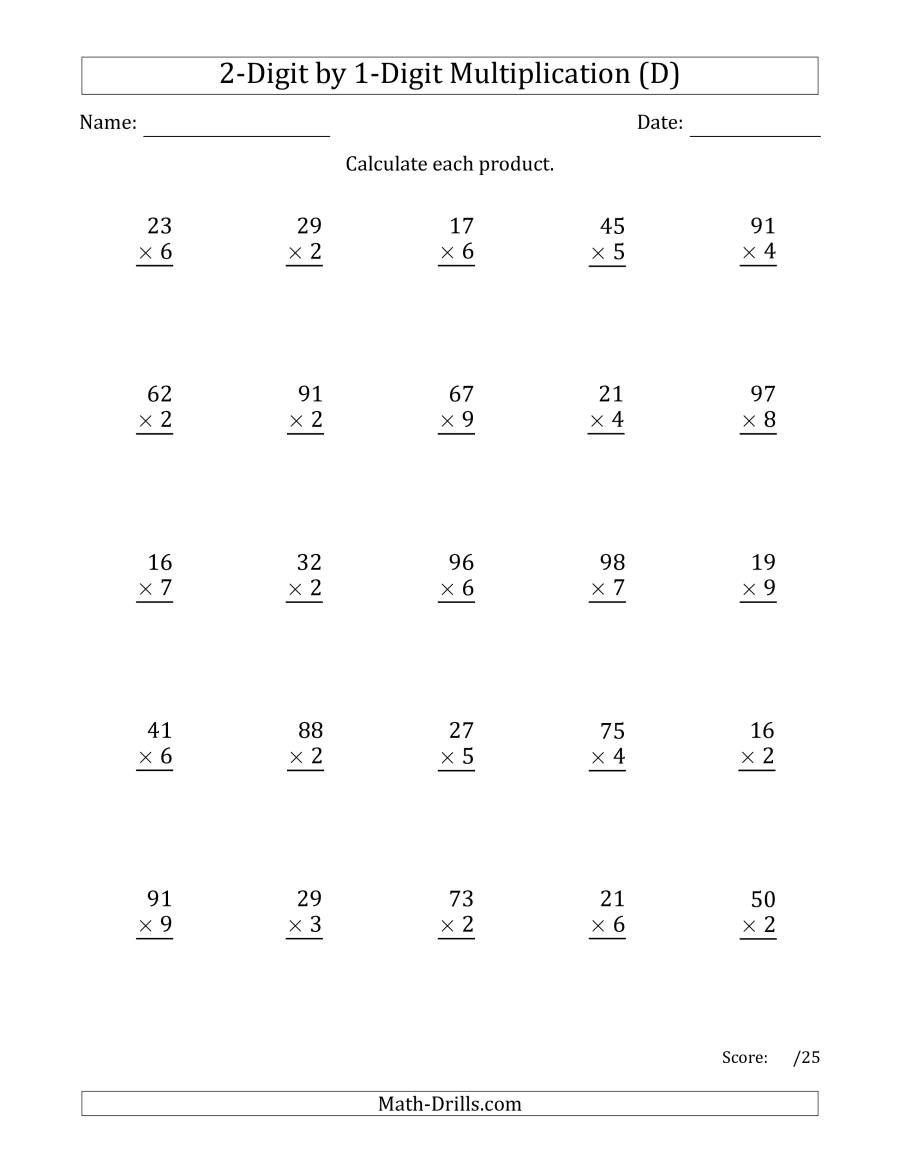
When it comes to reinforcing multiplication skills in young learners, a 1-Digit Multiply 2-Digit Sheet can be an invaluable resource. This printable tool provides a structured way for children to practice their multiplication facts, building confidence and fluency as they work through the problems. Whether you’re a teacher looking to enhance your classroom activities or a parent seeking effective homework resources, this guide will help you understand how to maximize the use of this worksheet in various settings.
Understanding the 1-Digit Multiply 2-Digit Sheet
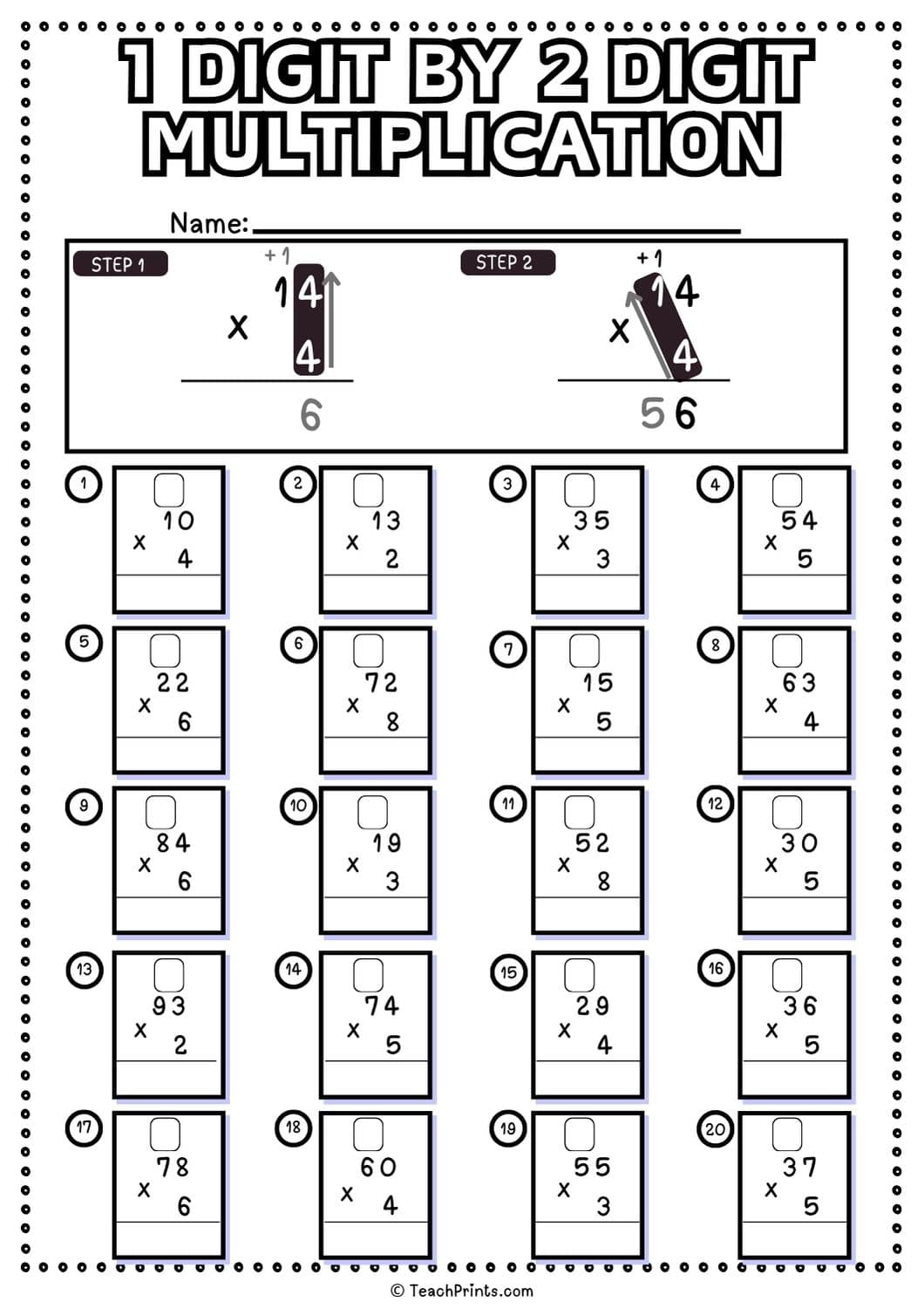
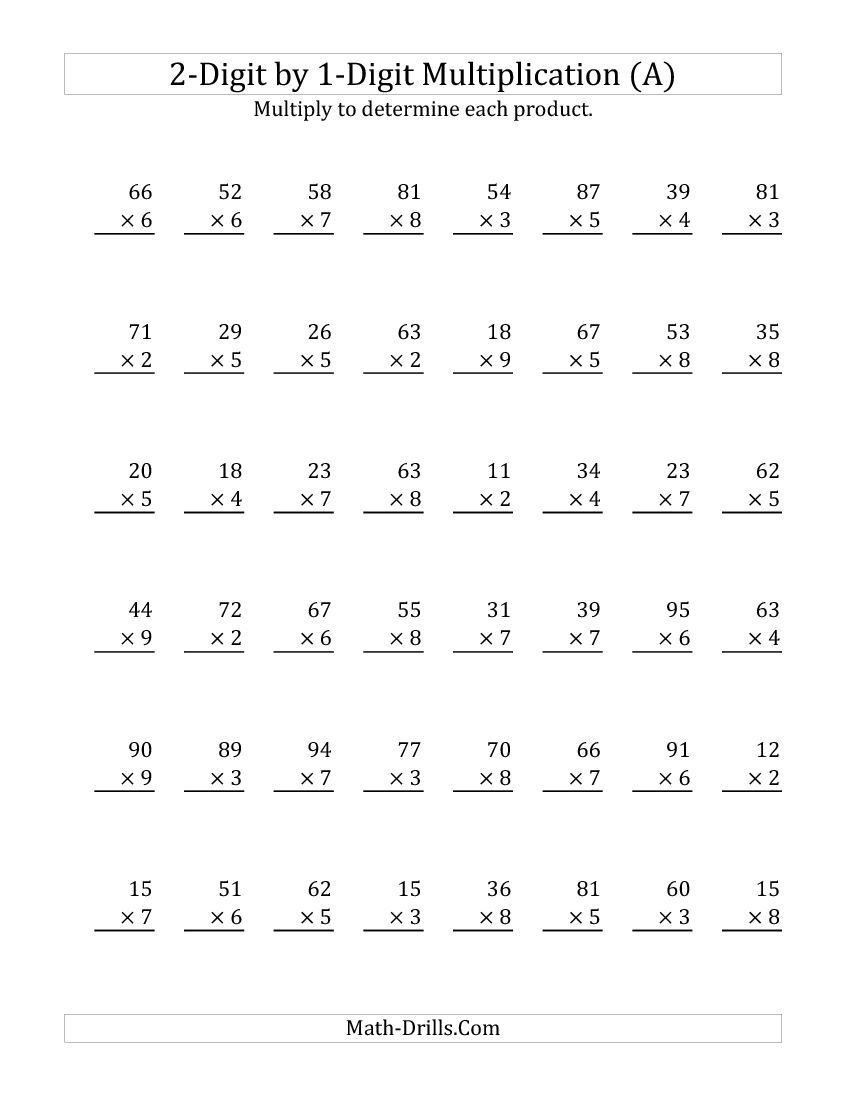
The 1-Digit Multiply 2-Digit Sheet typically features a series of multiplication problems where students multiply a single-digit number by a two-digit number. For example, they might see problems like 3 × 12 or 8 × 25. This resource is designed for students in grades 2-4, aligning well with Common Core standards for mathematics.
The layout of the sheet can vary, but it usually includes several rows of problems, allowing students to practice multiple times. It’s often printed in a landscape format, which tends to be easier for children to read and fill out. You can find these sheets available as PDFs on many educational websites, ensuring easy access and printability.
How to Use the 1-Digit Multiply 2-Digit Sheet
Classroom Activities
In a classroom setting, the 1-Digit Multiply 2-Digit Sheet can be integrated into various activities:
- Warm-up Exercises: Start the day with a quick multiplication warm-up. Distribute the sheets and give students 5-10 minutes to complete as many problems as they can. This not only gets their brains engaged but also helps you assess their current understanding.
- Math Centers: If you have a math center, include this sheet as one of the activities. Students can work independently or in pairs to complete the problems, which fosters collaboration and discussion about multiplication strategies.
- Timed Challenges: To add an element of fun, consider turning it into a timed challenge. Students can race against the clock to complete as many problems as possible within a set time frame. This can motivate them to improve their speed and accuracy.
Homeschooling Tips
For parents who are homeschooling, using a 1-Digit Multiply 2-Digit Sheet can be an effective way to structure math lessons:
- Daily Practice: Incorporate the sheet into your daily routine. Set aside a specific time each day for math practice, using the sheet to reinforce what your child is learning.
- Progress Tracking: Make copies of the completed sheets and keep them in a folder. This way, you can track your child’s progress over time and identify areas that may need more focus.
- Supplemental Resources: Pair the sheet with online games or apps that reinforce multiplication skills. This blended approach keeps learning dynamic and engaging.
Tips for Effective Use
To get the most out of your 1-Digit Multiply 2-Digit Sheet, consider these practical tips:
- Use Quality Paper: Print the sheets on good quality paper to prevent tearing and allow for easy erasing if students make mistakes.
- Incorporate Different Learning Styles: Some children may benefit from visual aids or manipulatives, such as counting blocks, when working through the problems. Encourage them to visualize the multiplication process if they struggle.
- Encourage Mental Math: As students become more comfortable with the problems, challenge them to solve some of the multiplication facts in their heads rather than relying solely on the sheet.
Assessing Understanding
After students have completed the 1-Digit Multiply 2-Digit Sheet, it’s important to assess their understanding of the material:
- Review Together: Go through the answers as a class or one-on-one. Discuss any mistakes and explain the correct processes. This helps reinforce learning and corrects misunderstandings.
- Follow-up Worksheets: If you notice common errors or areas where students struggle, provide follow-up worksheets that focus specifically on those gaps in knowledge.
- Incorporate Real-Life Examples: Help students connect their learning to real life. Ask them how they might use multiplication in everyday situations, such as calculating the total cost of multiple items when shopping.